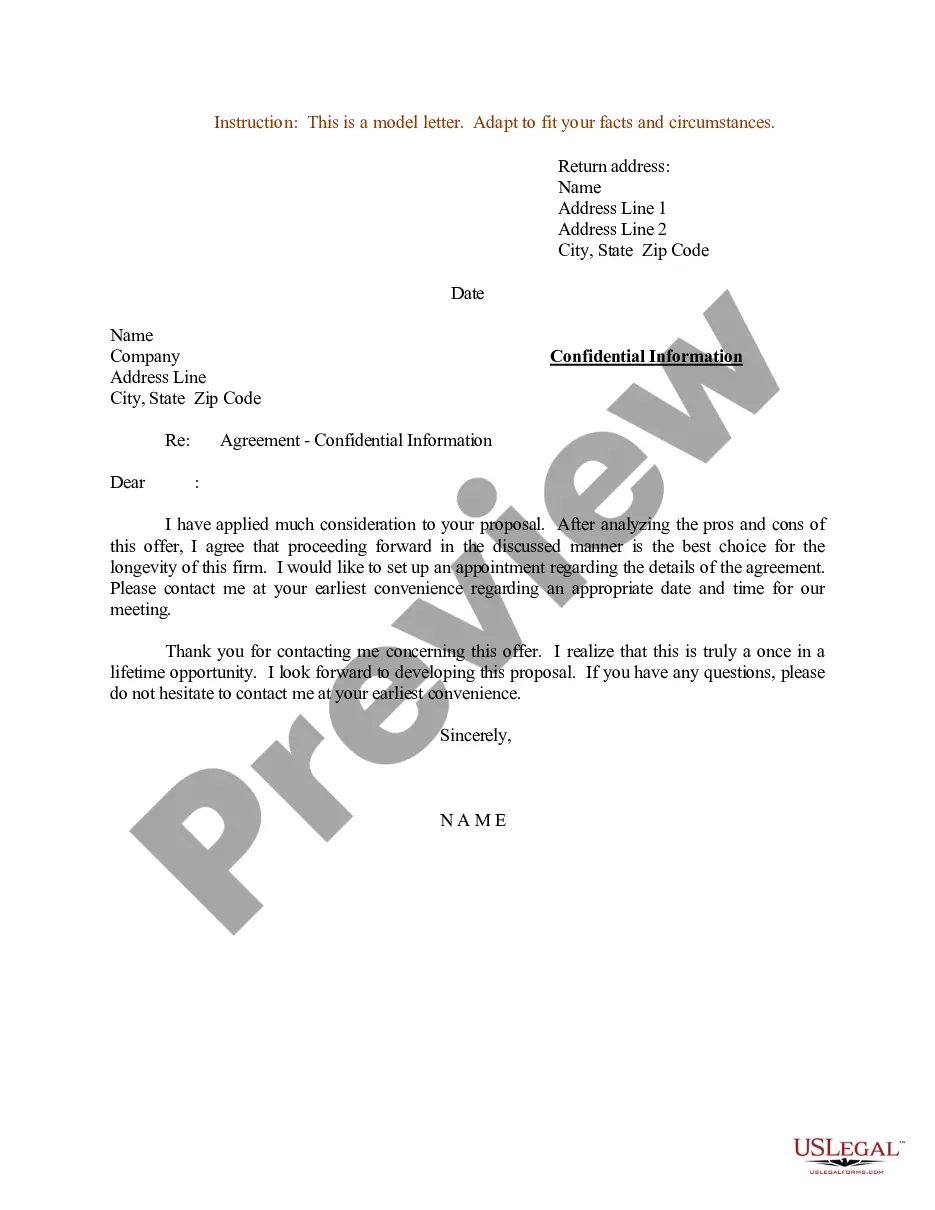
True Correct Copy With Base Point In North Carolina
Description








Get your form ready online
Our built-in tools help you complete, sign, share, and store your documents in one place.
Make edits, fill in missing information, and update formatting in US Legal Forms—just like you would in MS Word.
Download a copy, print it, send it by email, or mail it via USPS—whatever works best for your next step.
Sign and collect signatures with our SignNow integration. Send to multiple recipients, set reminders, and more. Go Premium to unlock E-Sign.
If this form requires notarization, complete it online through a secure video call—no need to meet a notary in person or wait for an appointment.
We protect your documents and personal data by following strict security and privacy standards.

Make edits, fill in missing information, and update formatting in US Legal Forms—just like you would in MS Word.

Download a copy, print it, send it by email, or mail it via USPS—whatever works best for your next step.

Sign and collect signatures with our SignNow integration. Send to multiple recipients, set reminders, and more. Go Premium to unlock E-Sign.

If this form requires notarization, complete it online through a secure video call—no need to meet a notary in person or wait for an appointment.

We protect your documents and personal data by following strict security and privacy standards.
Looking for another form?








Form popularity
FAQ
Appear before a North Carolina Notary Public to sign the document; Obtain a certified copy which is notarized by the issuing entity (i.e., diploma, etc.); If necessary, you may use a "True Copy" affidavit for North Carolina documents and obtain a notary acknowledgment of your signature;
Notarizing Documents Appear before a North Carolina Notary Public to sign the document. Obtain a certified copy which is notarized by the issuing entity. Requesting an apostille using a “copy” of a document will require a notarized affidavit saying that the document is a “true copy” of the original.
Practice Tip: Do not ask a Notary Public to certify that something is a true copy of a document. The reason is that certifying true copies is not something North Carolina law allows notaries public to do.
A notary performs a notary copy certification when they verify that a copy of an original document is a true, correct, and complete copy. Notary public in the US serve as government officials who act as impartial witnesses to the signing of various important documents and forms.
One of the most common mistakes that notaries make is not printing or signing their name exactly as it appears on their notary commission.
Practice Tip: Do not ask a Notary Public to notarize a document without the principal appearing in person before the notary. There is one limited exception when the appearance of an individual other than the principal is allowed - for a verification or proof as defined in G.S. § 10B-3(28).
Appear before a North Carolina Notary Public to sign the document; Obtain a certified copy which is notarized by the issuing entity (i.e., diploma, etc.); If necessary, you may use a "True Copy" affidavit for North Carolina documents and obtain a notary acknowledgment of your signature;
(b) A notarial act shall be attested by all of the following: (1) The signature of the notary, exactly as shown on the notary's commission. (2) The legible appearance of the notary's name exactly as shown on the notary's commission.