Verified Complaint Form For Probate In Los Angeles
Description








Get your form ready online
Our built-in tools help you complete, sign, share, and store your documents in one place.
Make edits, fill in missing information, and update formatting in US Legal Forms—just like you would in MS Word.
Download a copy, print it, send it by email, or mail it via USPS—whatever works best for your next step.
Sign and collect signatures with our SignNow integration. Send to multiple recipients, set reminders, and more. Go Premium to unlock E-Sign.
If this form requires notarization, complete it online through a secure video call—no need to meet a notary in person or wait for an appointment.
We protect your documents and personal data by following strict security and privacy standards.

Make edits, fill in missing information, and update formatting in US Legal Forms—just like you would in MS Word.

Download a copy, print it, send it by email, or mail it via USPS—whatever works best for your next step.

Sign and collect signatures with our SignNow integration. Send to multiple recipients, set reminders, and more. Go Premium to unlock E-Sign.

If this form requires notarization, complete it online through a secure video call—no need to meet a notary in person or wait for an appointment.

We protect your documents and personal data by following strict security and privacy standards.
Looking for another form?


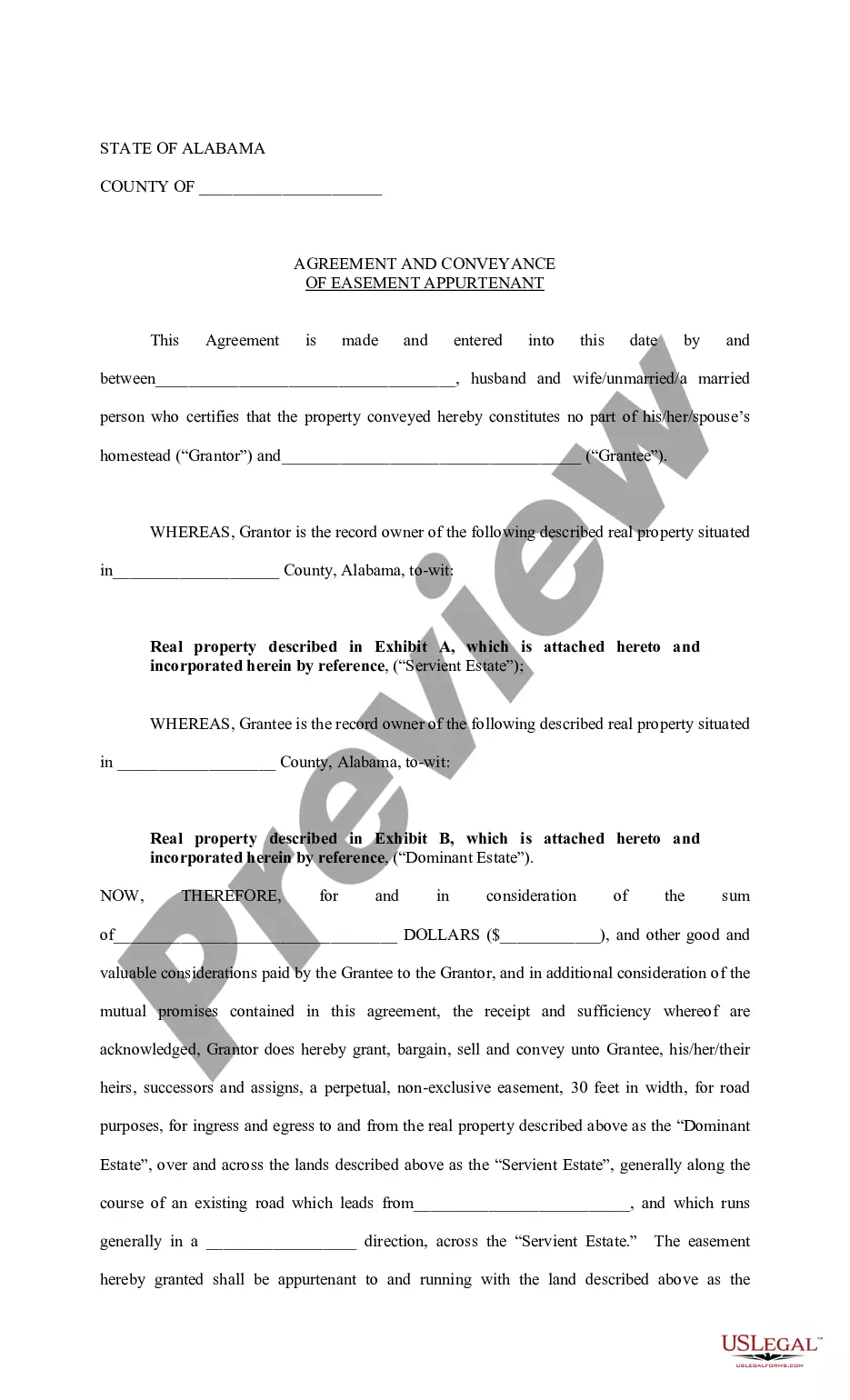

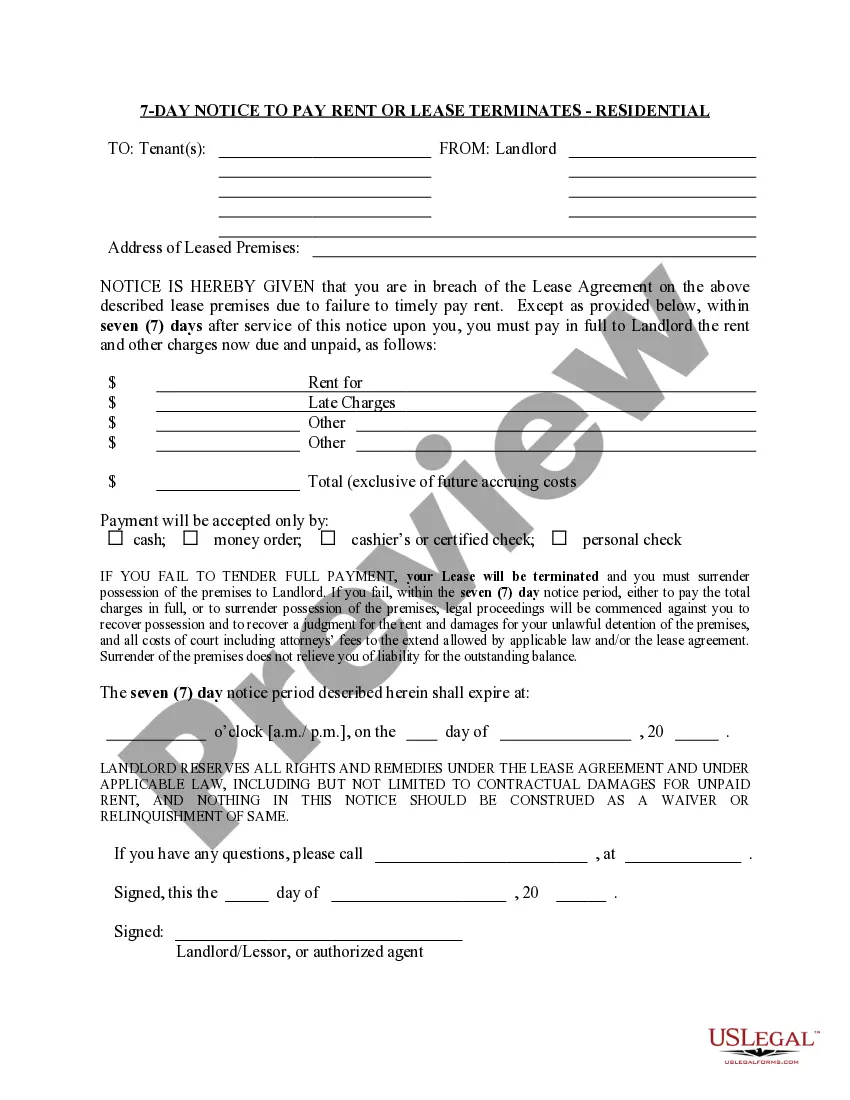





Form popularity
FAQ
When a personal representative is administering an estate that cannot be closed within a year, he may need to file a status report with the probate court. This report explains the reasons for the delay in closing the estate as well as the estimated amount of time it will take to complete.
Issued by the California probate court, Letters of Administration is a document that personal administrators use to officially provide proof of their authority to act on behalf of a deceased person's estate.
Step 1 Petition for Probate (Form DE-111, Judicial Council), and all attachments, Original Will (if there is one) Notice of Petition to Administer Estate (Form DE-121, Judicial Council) Duties and Liabilities of Personal Representative (Form DE-147, Judicial Council) Order for Probate (Form DE-140, Judicial Council)
How to obtain letters of administration in California. To start the process of obtaining a letter of administration, you must fill out Form DE-150. The completed form DE-150 should then be submitted to the probate court in the county in which the deceased resided in at the time of death.
If the person did not have a will or trust, often a close relative will handle any probate. If the person was married when they died, their spouse is often the person. Or, if they have adult children, then an adult child.
A Letter of Administration is a legal document that grants authority to an individual or individuals to manage the financial affairs and assets of someone who has died without a will. This document is issued by the court when there is no executor named in the decedent's will if one exists.
Typically, a plaintiff verifies a complaint by attaching a page at the end containing a statement made under oath that: The plaintiff has reviewed the complaint. The plaintiff knows or believes that all allegations that the plaintiff has personal knowledge of to be true.
What is document verification? Document verification is a process for document authentication and proving document ownership. For example: verifying that financial statements, passports, licenses, utility bills, and certifications are real and actually belong to the applicant who submitted them.
“Verified” means that by signing and submitting this Motion, you swear or affirm under oath and under penalties for perjury that all the answers and information are true and accurate. This form has both a Motion and an Order. →You must fully complete and sign the Motion.
A pleading must be in writing and must be signed by all persons joining in it. All pleadings filed in proceedings under the Probate Code must be verified. If two or more persons join in a pleading, it may be verified by any of them.
