Verified Complaint Nj Form For Divorce In Bronx
Description


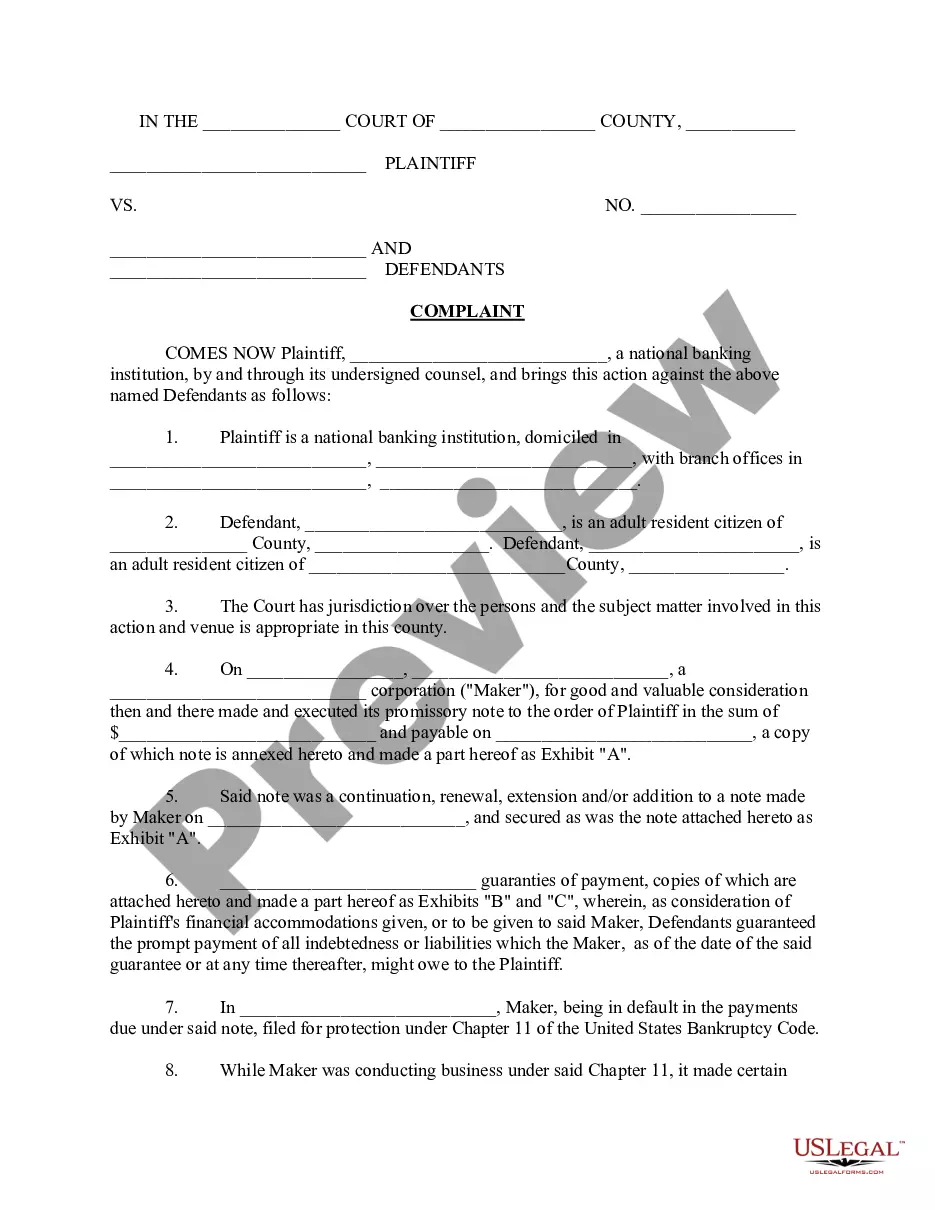
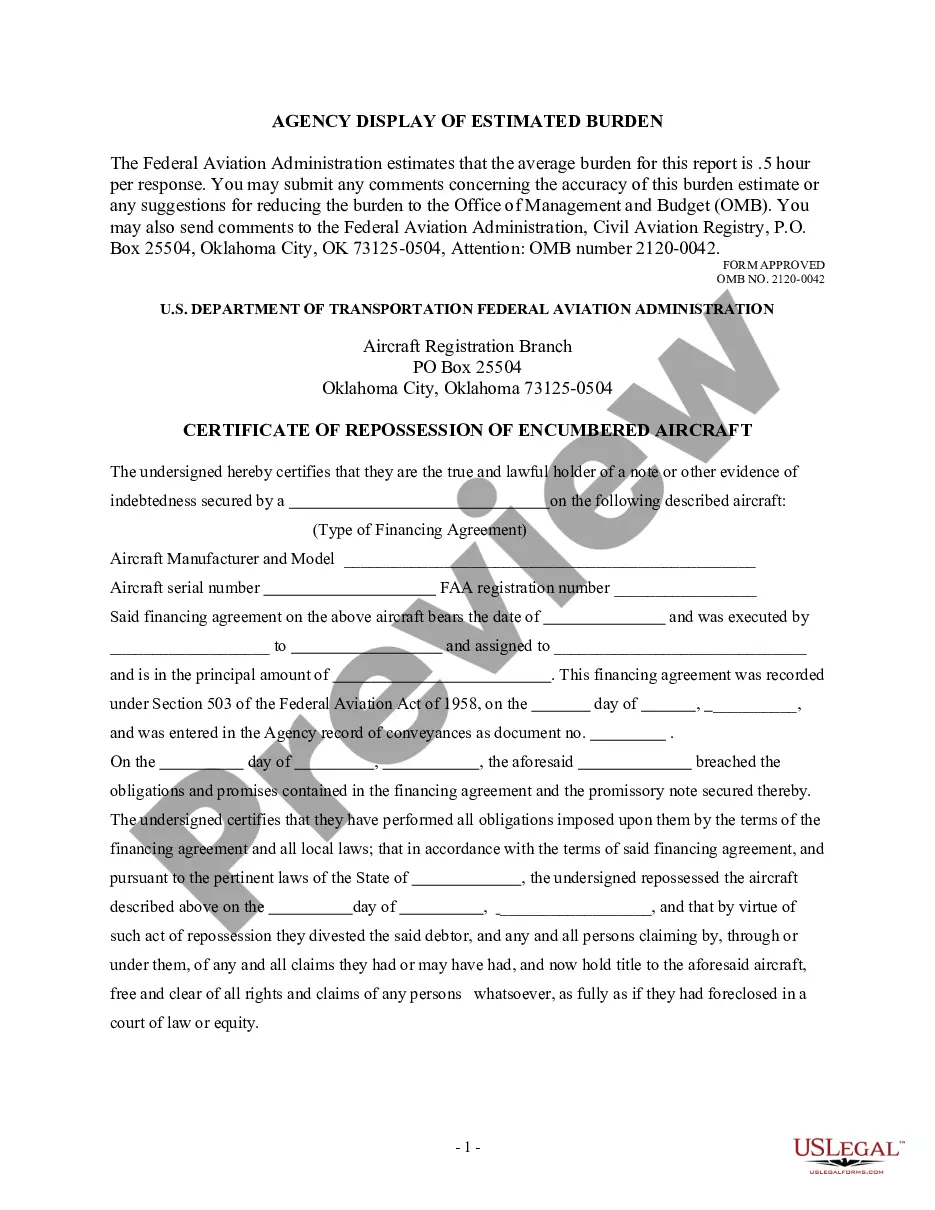
Get your form ready online
Our built-in tools help you complete, sign, share, and store your documents in one place.
Make edits, fill in missing information, and update formatting in US Legal Forms—just like you would in MS Word.
Download a copy, print it, send it by email, or mail it via USPS—whatever works best for your next step.
Sign and collect signatures with our SignNow integration. Send to multiple recipients, set reminders, and more. Go Premium to unlock E-Sign.
If this form requires notarization, complete it online through a secure video call—no need to meet a notary in person or wait for an appointment.
We protect your documents and personal data by following strict security and privacy standards.

Make edits, fill in missing information, and update formatting in US Legal Forms—just like you would in MS Word.

Download a copy, print it, send it by email, or mail it via USPS—whatever works best for your next step.

Sign and collect signatures with our SignNow integration. Send to multiple recipients, set reminders, and more. Go Premium to unlock E-Sign.

If this form requires notarization, complete it online through a secure video call—no need to meet a notary in person or wait for an appointment.

We protect your documents and personal data by following strict security and privacy standards.
Looking for another form?










Form popularity
FAQ
New York state law requires that the defendant in a divorce action be personally served with the Summons with Notice or Summons and Verified Complaint.
Generally, if the complaint has been sworn to (verified), then the answer must be verified as well. See CPLR 3020. In any event, the answer must be signed by defendant's attorney or by defendant if self-represented.
New York state law requires that the defendant in a divorce action be personally served with the Summons with Notice or Summons and Verified Complaint.
A Complaint for Divorce or divorce complaint is a type of lawsuit. A legal “complaint” is a document signed by one of the parties to a divorce and is filed with the Clerk of Court in an appropriate jurisdiction.
A divorce or legal separation case begins when the plaintiff the party who starts the court case files a formal complaint at the courthouse. The defendant, the other party, may answer within 28 days. If an answer is filed, the case is contested. If the defendant does not file an answer, the case is uncontested.
If you have been served with a Summons and Divorce Complaint, you are the defendant. The person who filed the divorce is the plaintiff. You have 35 days to respond to the Summons and Divorce Complaint. If you do not respond to the court at all, the court may grant the divorce and order in favor of the Plaintiff.
Read the complaint and decide what to do. Read the complaint. You may agree with some, all, or none of the complaint. Write down next to each paragraph in the complaint whether you agree or disagree with what that paragraph says. If you agree with everything your spouse is asking for, you may not need to file anything.
If you were divorced in New York there should be a case that was filed in Supreme Court. You can use the e-courts feature on the NYS courts website to search under your name to see if a case comes up.
If no settlement between the parties is achieved at the case management conference, the case then proceeds to the discovery phase of the marriage dissolution proceedings. Discovery is when both parties exchange information and documents related to the case, usually following a court order.
