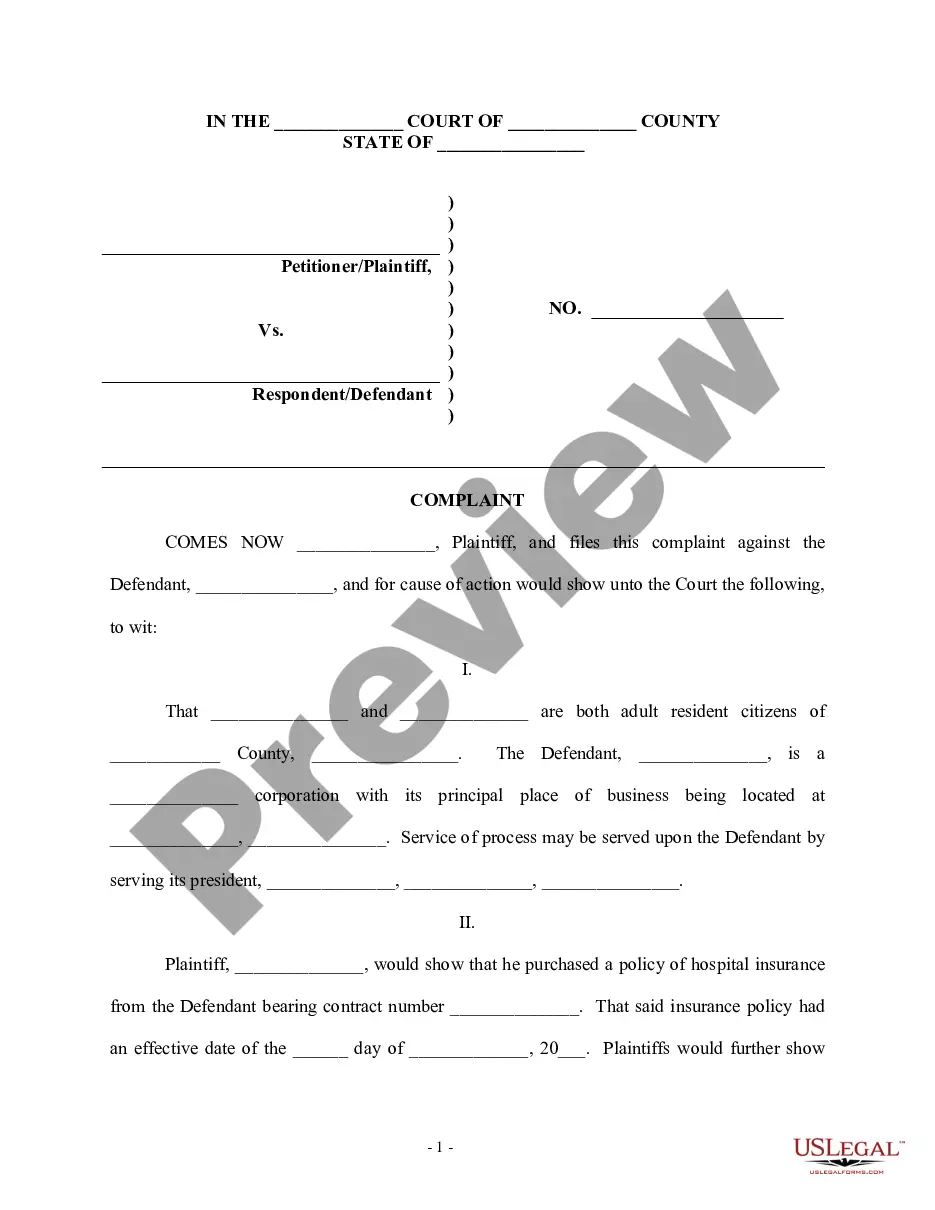
Declaratory Judgment Illinois Insurance Coverage In Santa Clara
Description

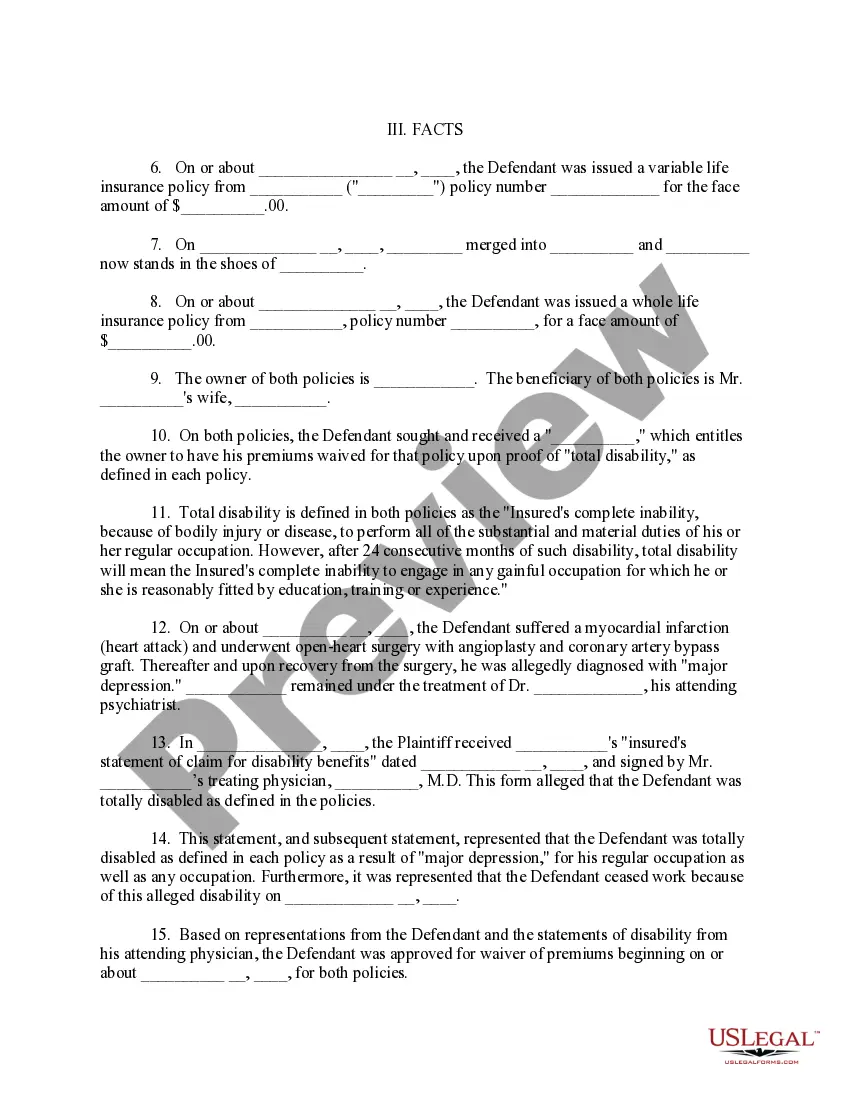
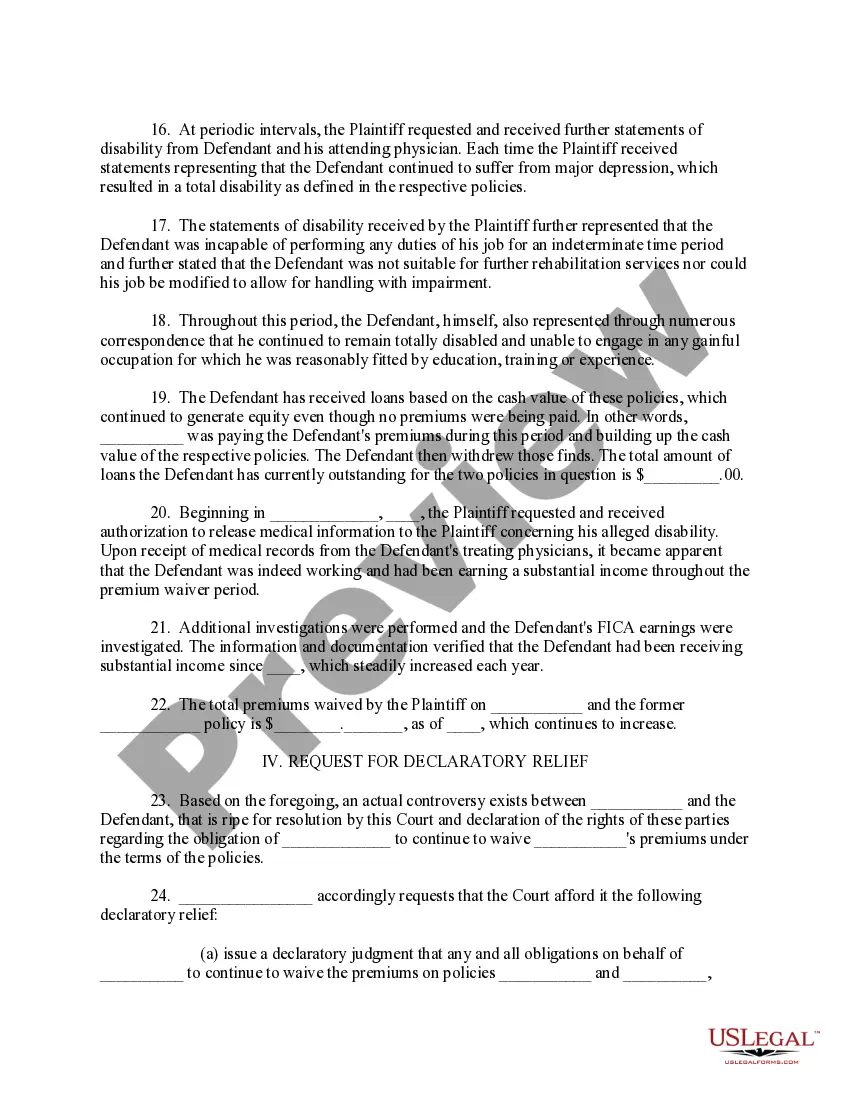
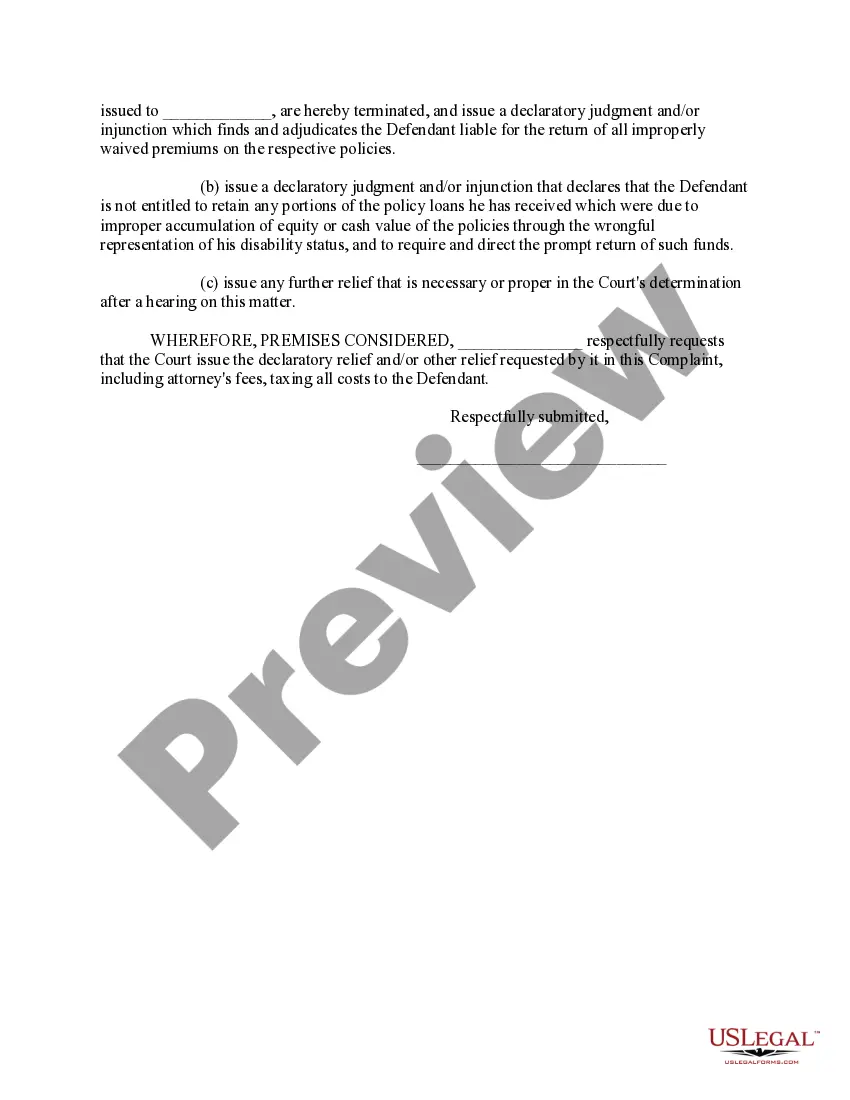



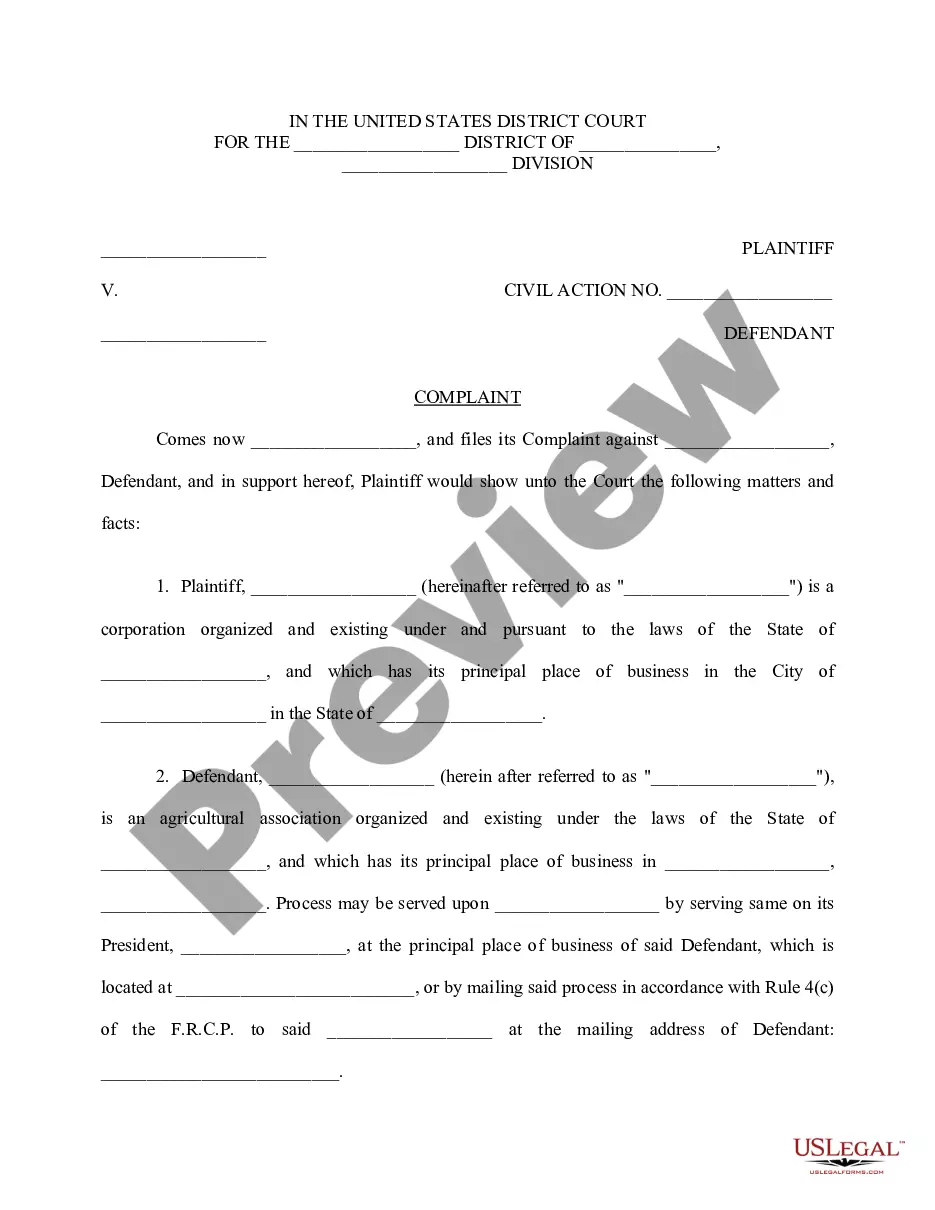
Get your form ready online
Our built-in tools help you complete, sign, share, and store your documents in one place.
Make edits, fill in missing information, and update formatting in US Legal Forms—just like you would in MS Word.
Download a copy, print it, send it by email, or mail it via USPS—whatever works best for your next step.
Sign and collect signatures with our SignNow integration. Send to multiple recipients, set reminders, and more. Go Premium to unlock E-Sign.
If this form requires notarization, complete it online through a secure video call—no need to meet a notary in person or wait for an appointment.
We protect your documents and personal data by following strict security and privacy standards.

Make edits, fill in missing information, and update formatting in US Legal Forms—just like you would in MS Word.

Download a copy, print it, send it by email, or mail it via USPS—whatever works best for your next step.

Sign and collect signatures with our SignNow integration. Send to multiple recipients, set reminders, and more. Go Premium to unlock E-Sign.

If this form requires notarization, complete it online through a secure video call—no need to meet a notary in person or wait for an appointment.

We protect your documents and personal data by following strict security and privacy standards.
Looking for another form?








Form popularity
FAQ
Typically, when filing a declaratory judgment action, insurers seek an adjudication of both their duty to defend and their duty to indemnify, because the duty to defend is broader than the duty to indemnify and, if insurers do not have the former duty, then they typically do not have the latter duty, either.
They are generally requested when a lawsuit is threatened but before the lawsuit is actually filed, when a conflict might exist between a party's or parties' rights under law or under contract and as a way to prevent multiple lawsuits from the same plaintiff.
To bring a claim for declaratory judgment in a situation where a patent dispute may exist or develop, the claimant must establish that an actual controversy exists. If there is a substantial controversy of sufficient immediacy and reality, the court will generally proceed with the declaratory-judgment action.
A declaratory judgment is a ruling of the court to clarify something (usually a contract provision) that is in dispute. A summary judgment is a ruling that a case or portion of a case must be dismissed because there are no triable issues of material fact in dispute.
"The essential requirements of a declaratory judgment action are: (1) a plaintiff with a legal tangible interest; (2) a defendant having an opposing interest; and (3) an actual controversy between the parties concerning such interests. Citations.
A declaratory judgment is a binding judgment from a court defining the legal relationship between parties and their rights in a matter before the court. When there is uncertainty as to the legal obligations or rights between two parties, a declaratory judgment offers an immediate means to resolve this uncertainty.
Typically, the initial burden of proof falls on the person filing the claim. You must demonstrate two things to succeed in a bad faith lawsuit: 1) Benefits due under the policy were withheld and 2) The reason for withholding benefits was unreasonable or without proper cause.
Your insurance company client wants to file a declaratory judgment action to determine whether the insurer owes coverage to one of the defendants in a civil lawsuit.
A declaratory judgment is a legally binding judgment where a court declares the rights and obligations of the parties to a written agreement, such as an insurance policy or other contract.
Declaratory relief allows a party who is not certain of his rights to prevent the accrual of avoidable damages and to obtain an adjudication before the parties bring a coercive lawsuit.
