State Disability Which Withholding Is Best In San Bernardino
Description




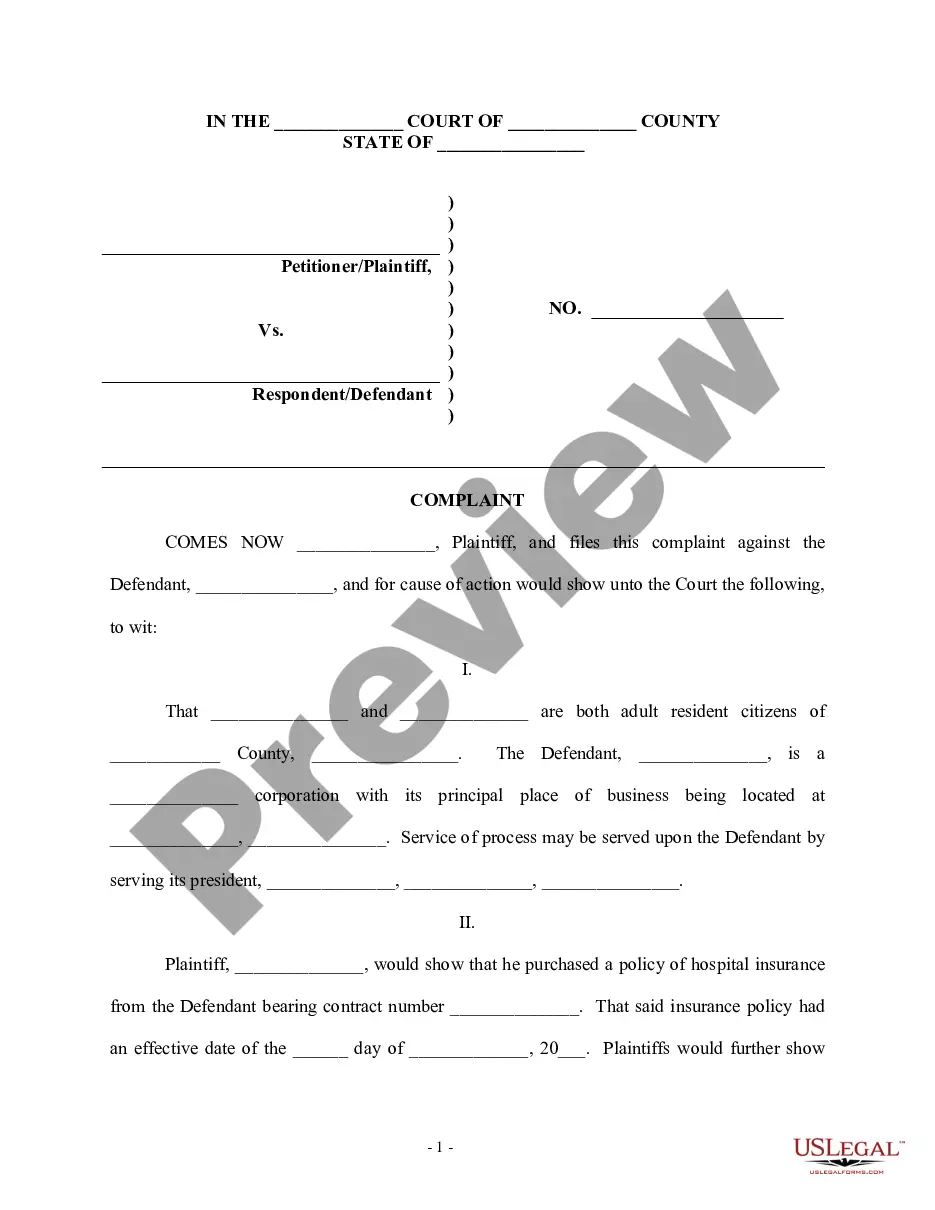
Get your form ready online
Our built-in tools help you complete, sign, share, and store your documents in one place.
Make edits, fill in missing information, and update formatting in US Legal Forms—just like you would in MS Word.
Download a copy, print it, send it by email, or mail it via USPS—whatever works best for your next step.
Sign and collect signatures with our SignNow integration. Send to multiple recipients, set reminders, and more. Go Premium to unlock E-Sign.
If this form requires notarization, complete it online through a secure video call—no need to meet a notary in person or wait for an appointment.
We protect your documents and personal data by following strict security and privacy standards.

Make edits, fill in missing information, and update formatting in US Legal Forms—just like you would in MS Word.

Download a copy, print it, send it by email, or mail it via USPS—whatever works best for your next step.

Sign and collect signatures with our SignNow integration. Send to multiple recipients, set reminders, and more. Go Premium to unlock E-Sign.

If this form requires notarization, complete it online through a secure video call—no need to meet a notary in person or wait for an appointment.

We protect your documents and personal data by following strict security and privacy standards.
Looking for another form?






Form popularity
FAQ
In California, disability income benefits are not taxable. As such, if an employee does not receive a 1099-G, they can assume they do not owe taxes on the SDI income they received. Navigating SDI and California tax rules can be difficult for employees and small business owners.
Employers must withhold 1.1% of their employees' gross wages for CASDI tax. The wage base limit is $145,600 per employee, per calendar year, and the maximum amount that can be withheld for each employee is $1,601.60.
Disability payments from any source, other than State Disability Insurance Benefits (SDI/DIB) are to be considered unearned income. This includes private disability plans, Social Security benefits, etc.
Your benefits may be taxable if the total of (1) one-half of your benefits, plus (2) all of your other income, including tax-exempt interest, is greater than the base amount for your filing status.
Federal employees are exempt from UI, ETT, and SDI. The federal government withholds PIT, by agreement with the state, from federal employees working in California and military personnel who are California residents stationed in California.
Nonindustrial Disability Insurance (NDI) provides partial wage replacement to eligible California state employees who have a loss of wages due to a non-work-related disability. NDI also includes Nonindustrial Disability Insurance-Family Care Leave (NDI-FCL).
Can I file a claim for both NDI and SDI? Yes. There are times when you are eligible for both NDI and SDI, such as moving from one bargaining unit to another.
Unlike SDI, NDI is not an automated program. Paper forms still need to be filled out to begin or extend the medical portion of a claim. Talk to your licensed health professional about their process for submitting a medical certification (not all medical offices follow the same steps or process).
