Declaratory Judgement Expenses In Mecklenburg
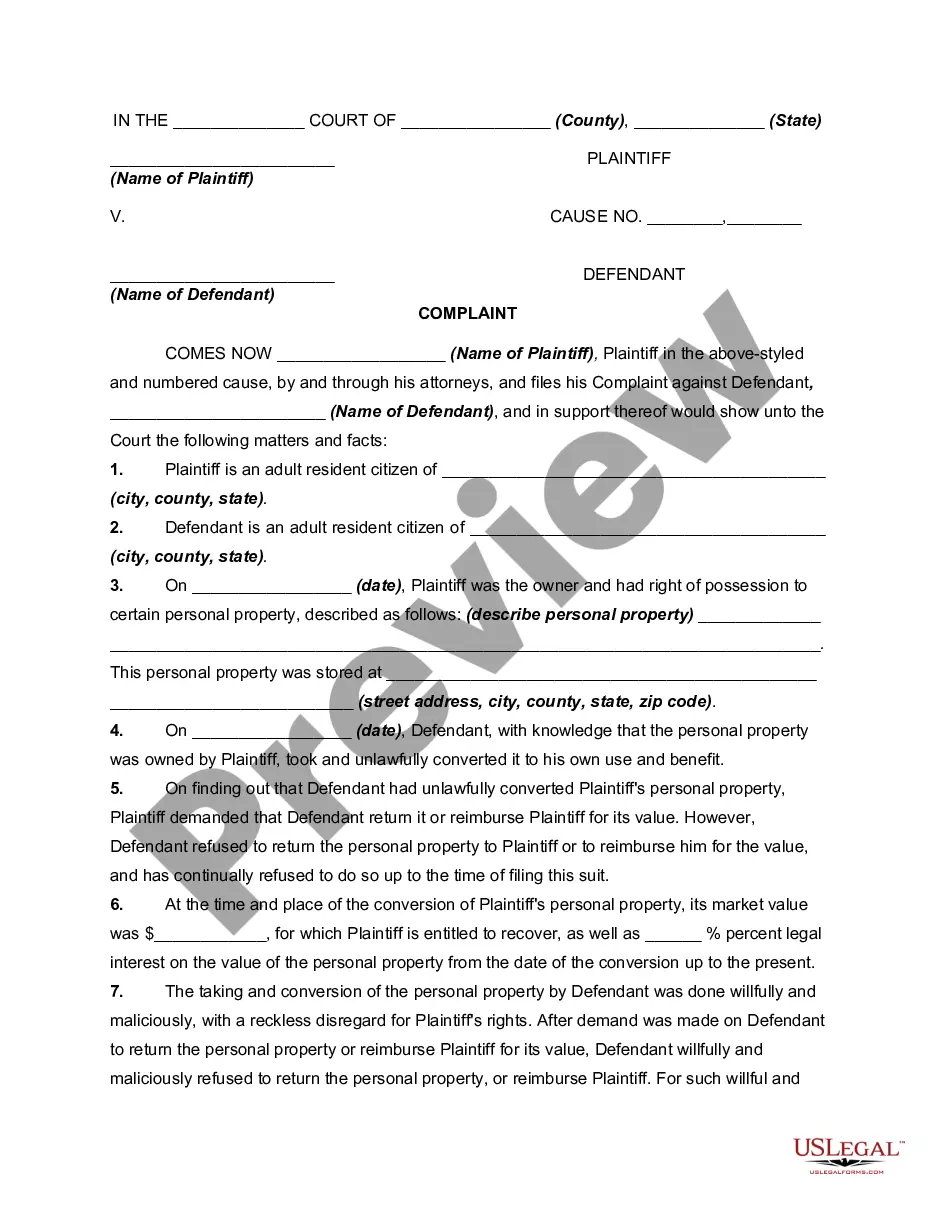
Description




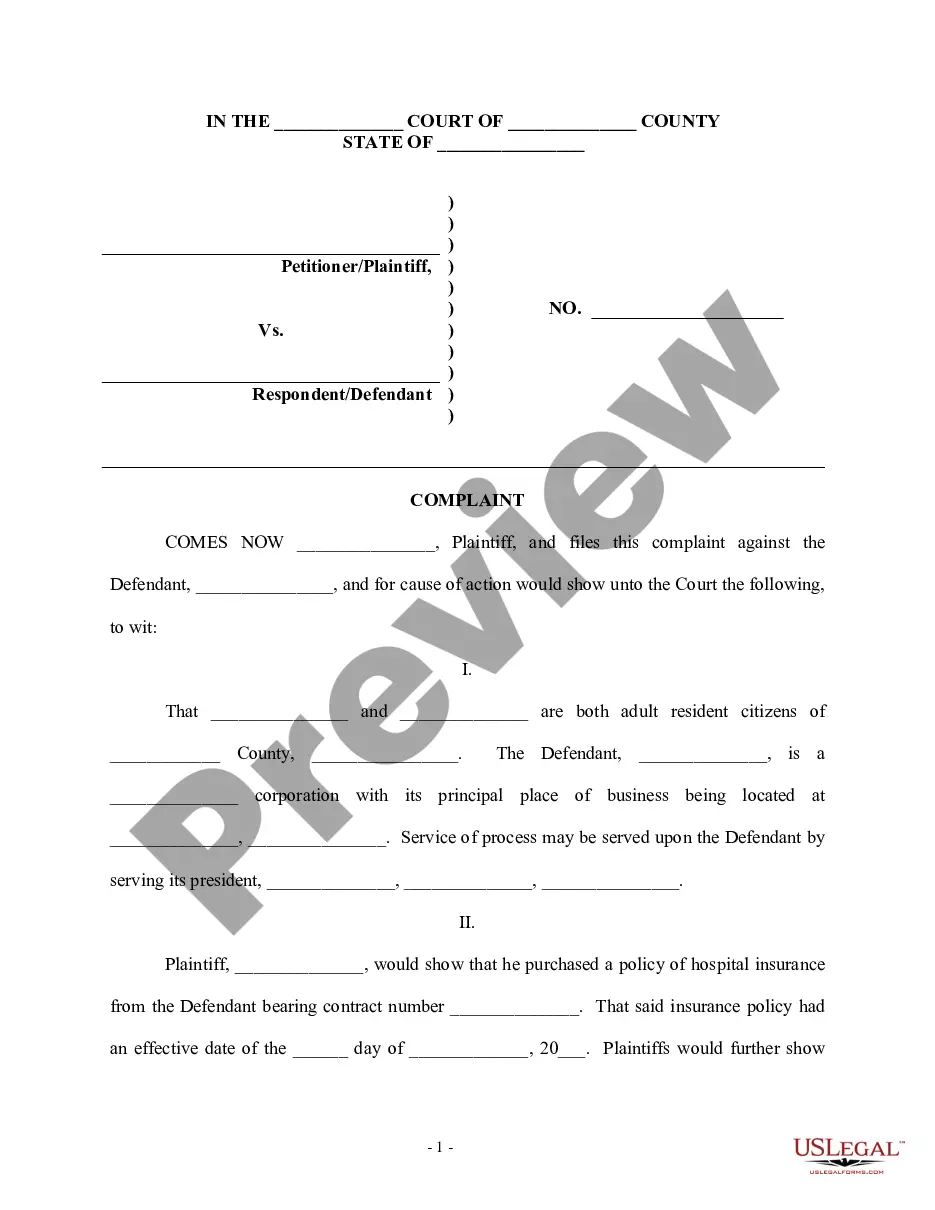
Get your form ready online
Our built-in tools help you complete, sign, share, and store your documents in one place.
Make edits, fill in missing information, and update formatting in US Legal Forms—just like you would in MS Word.
Download a copy, print it, send it by email, or mail it via USPS—whatever works best for your next step.
Sign and collect signatures with our SignNow integration. Send to multiple recipients, set reminders, and more. Go Premium to unlock E-Sign.
If this form requires notarization, complete it online through a secure video call—no need to meet a notary in person or wait for an appointment.
We protect your documents and personal data by following strict security and privacy standards.

Make edits, fill in missing information, and update formatting in US Legal Forms—just like you would in MS Word.

Download a copy, print it, send it by email, or mail it via USPS—whatever works best for your next step.

Sign and collect signatures with our SignNow integration. Send to multiple recipients, set reminders, and more. Go Premium to unlock E-Sign.

If this form requires notarization, complete it online through a secure video call—no need to meet a notary in person or wait for an appointment.

We protect your documents and personal data by following strict security and privacy standards.
Looking for another form?
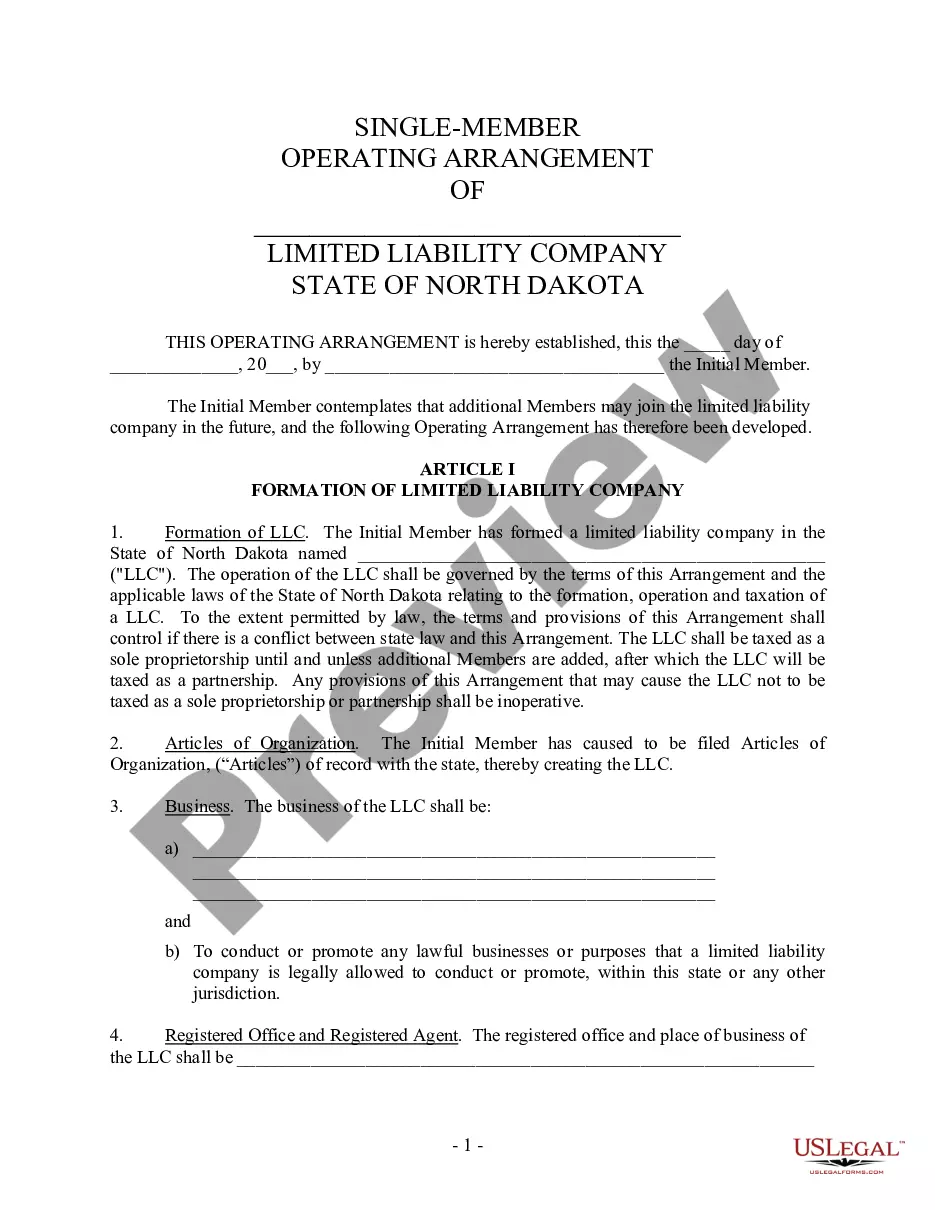
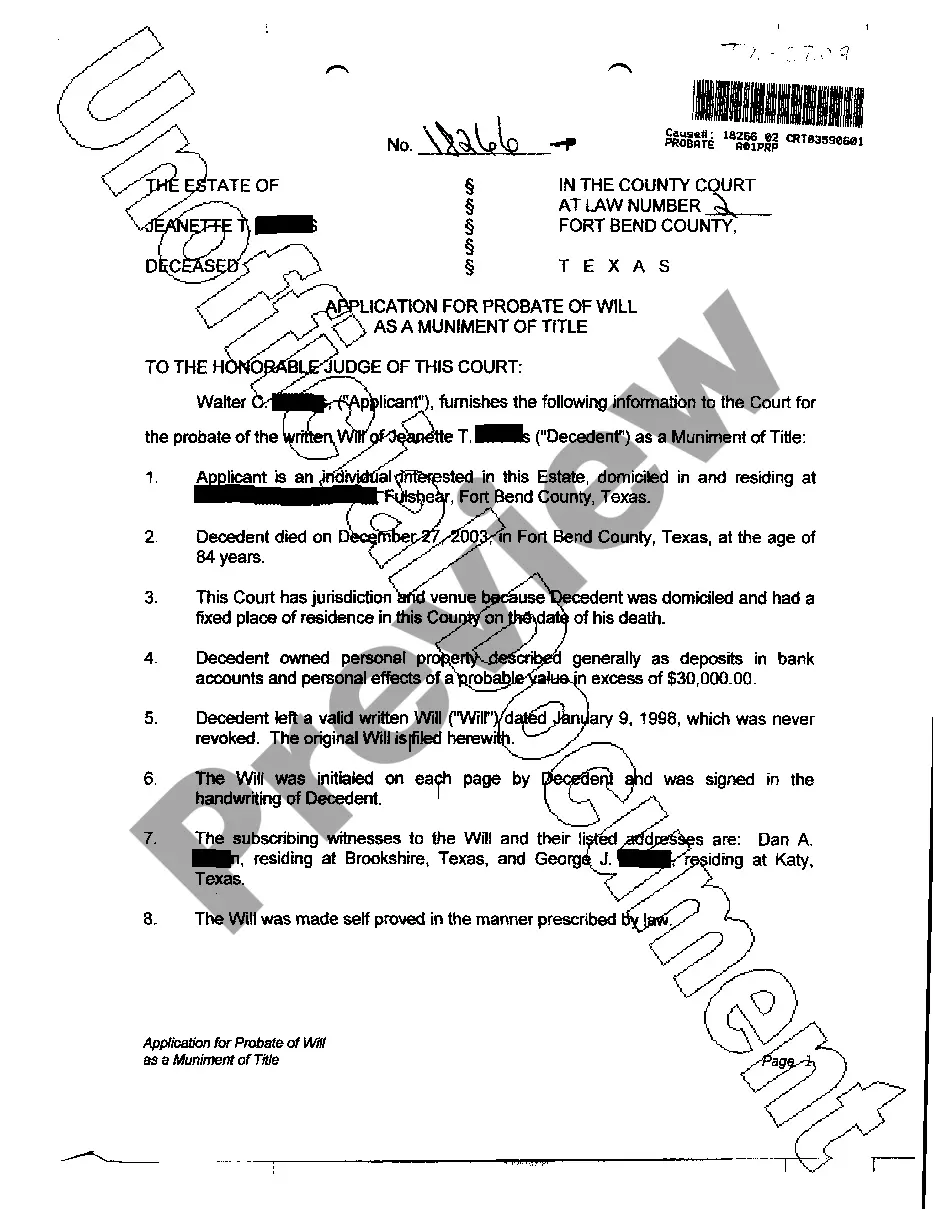



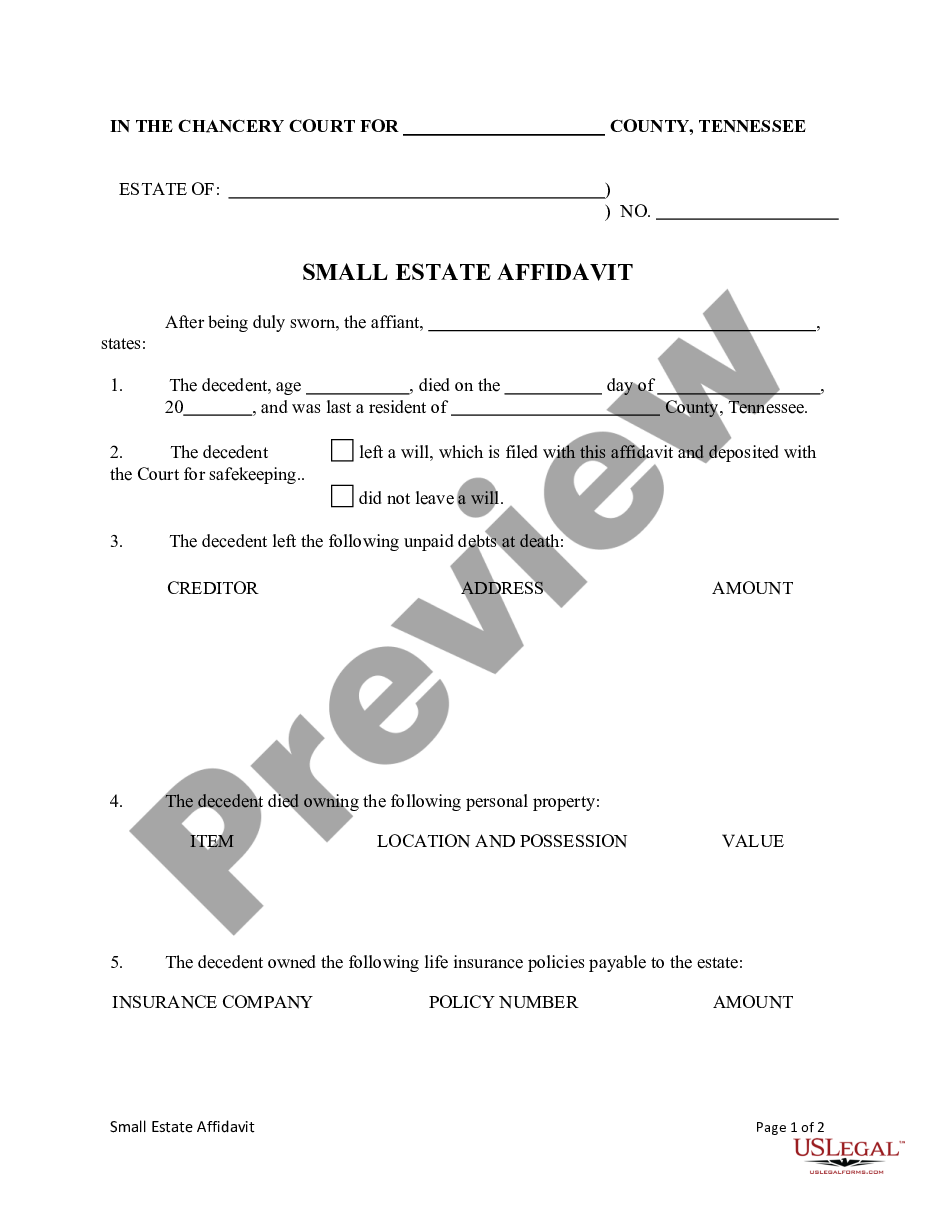



Form popularity
FAQ
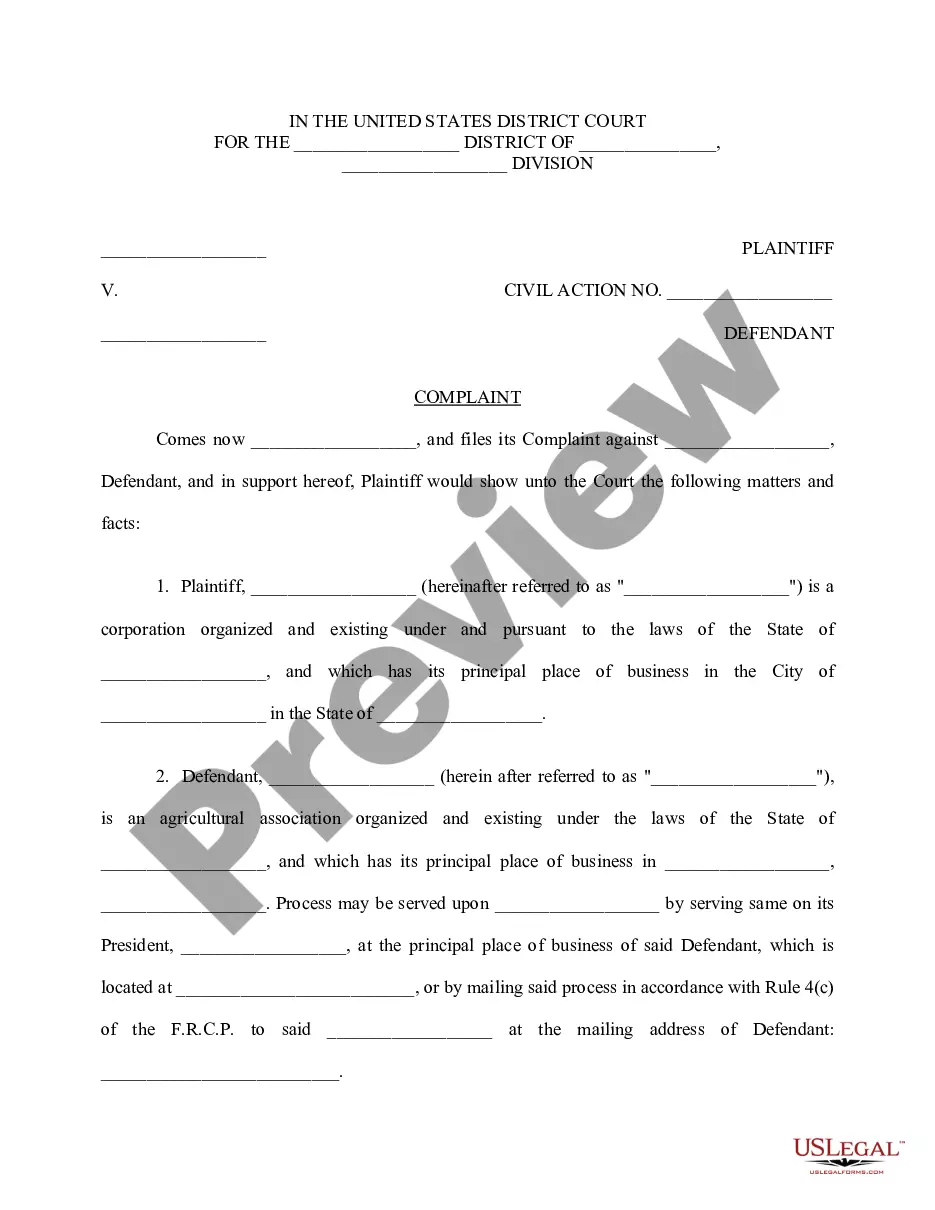
You will need to provide the following: Three copies of the complaint, stating the claim(s) and what relief is requested from the magistrate. Three copies of the Magistrate Summons. An affidavit pursuant to the Servicemembers Civil Relief Act (SCRA), telling the court whether or not the defendant is in the military.
ECourts Guide & File is available to help users prepare court documents online to file for Small Claims: Money Owed, Repossession of Personal Property. Do I have to hire an attorney for a lawsuit? People can represent themselves (known as proceeding “pro se”), but this can be difficult, especially in complex cases.
North Carolina's civil statute of limitations laws give a three-year time limit for personal injuries, fraud, and many other causes of action but only a one-year limit for defamation.
You can contact the clerk of court in your county to find out your local small claims court limit. If you are requesting more than the limit, up to $25,000, your case must be filed in district court. If you are requesting more than $25,000, your case must be filed in superior court.
Information about civil, special proceeding, or estates cases in the North Carolina court system can be accessed on the public, self-service terminals in the clerk of court's office in any county. View a user's manual for the system in which the information is stored.
Mecklenburg County To access Criminal files, email Mecklenburg.Criminal@nccourts. To access Civil files, email Mecklenburg.Civil@nccourts. To access Estate Special Proceedings files, email Mecklenburg.ESP@nccourts.
Locate a federal court case by using the Public Access to Court Electronic Records (PACER) or by visiting the Clerk's Office of the courthouse where the case was filed.
After judgment is given in Small Claims Court, both the plaintiff and the defendant have the right to appeal the Magistrate's decision. An appeal allows either side to get a new trial in District Court.
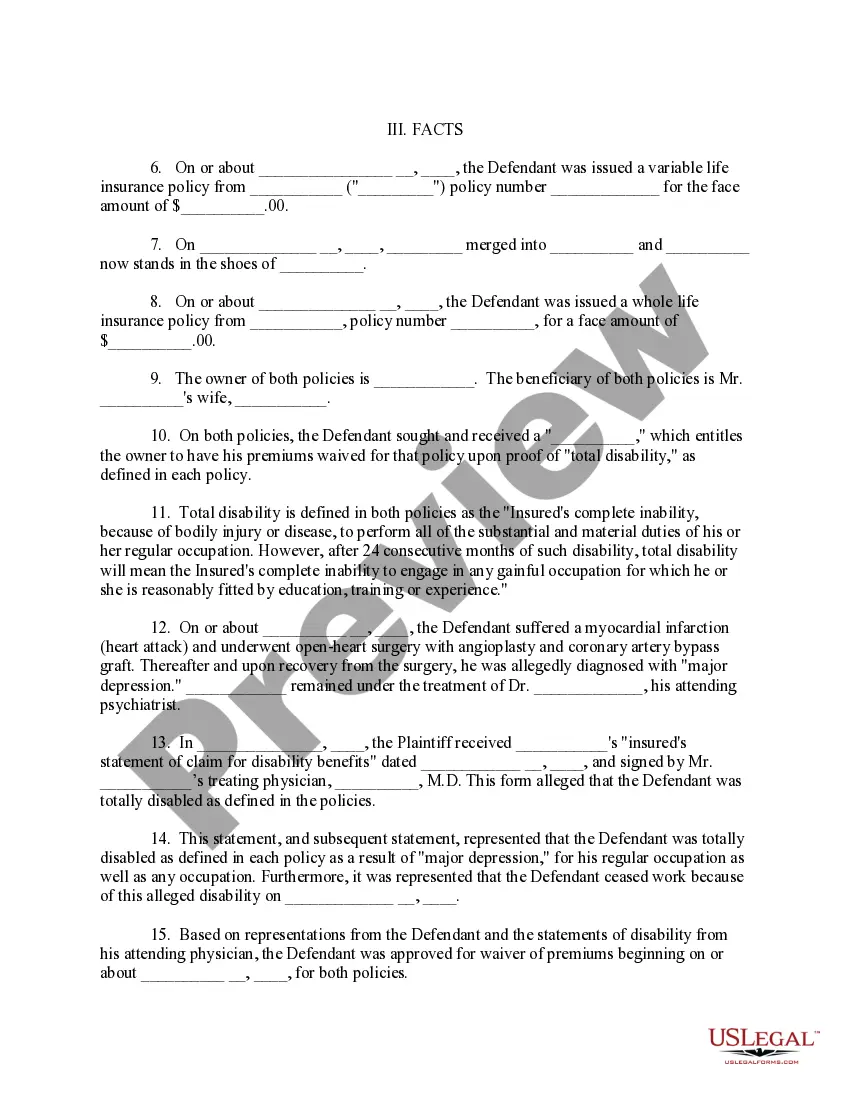
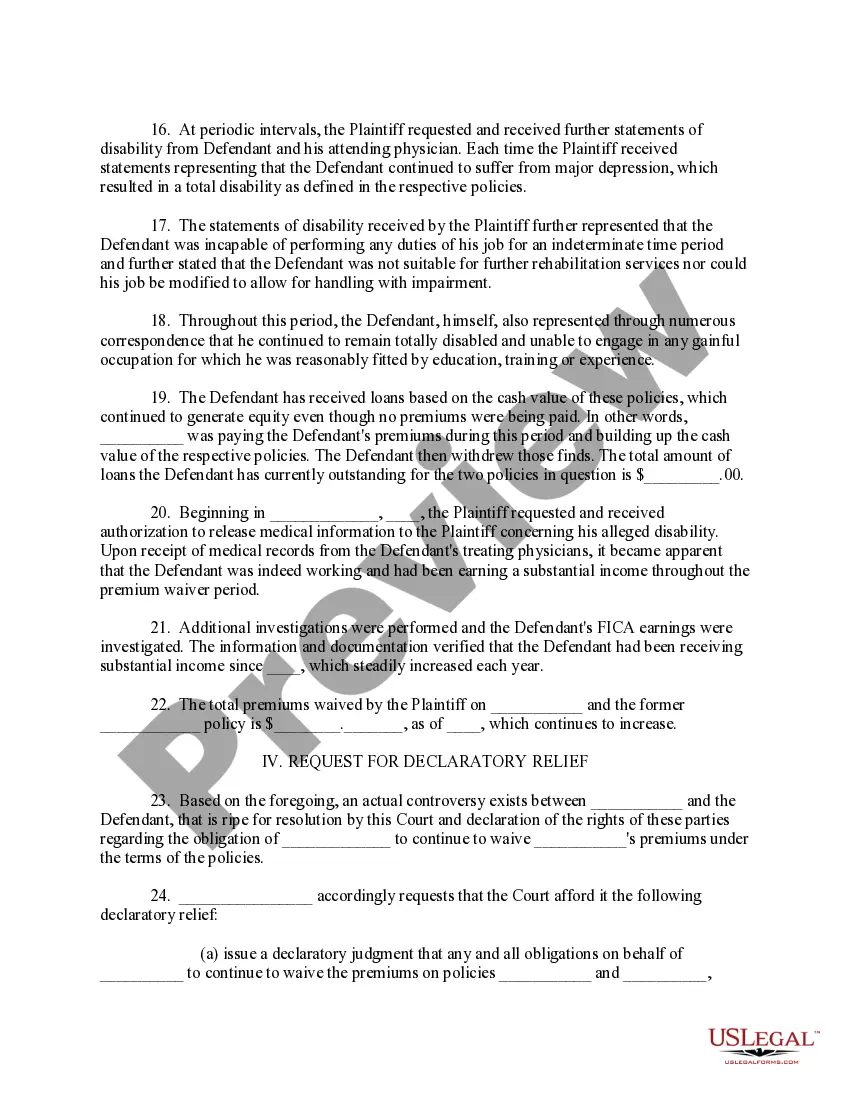
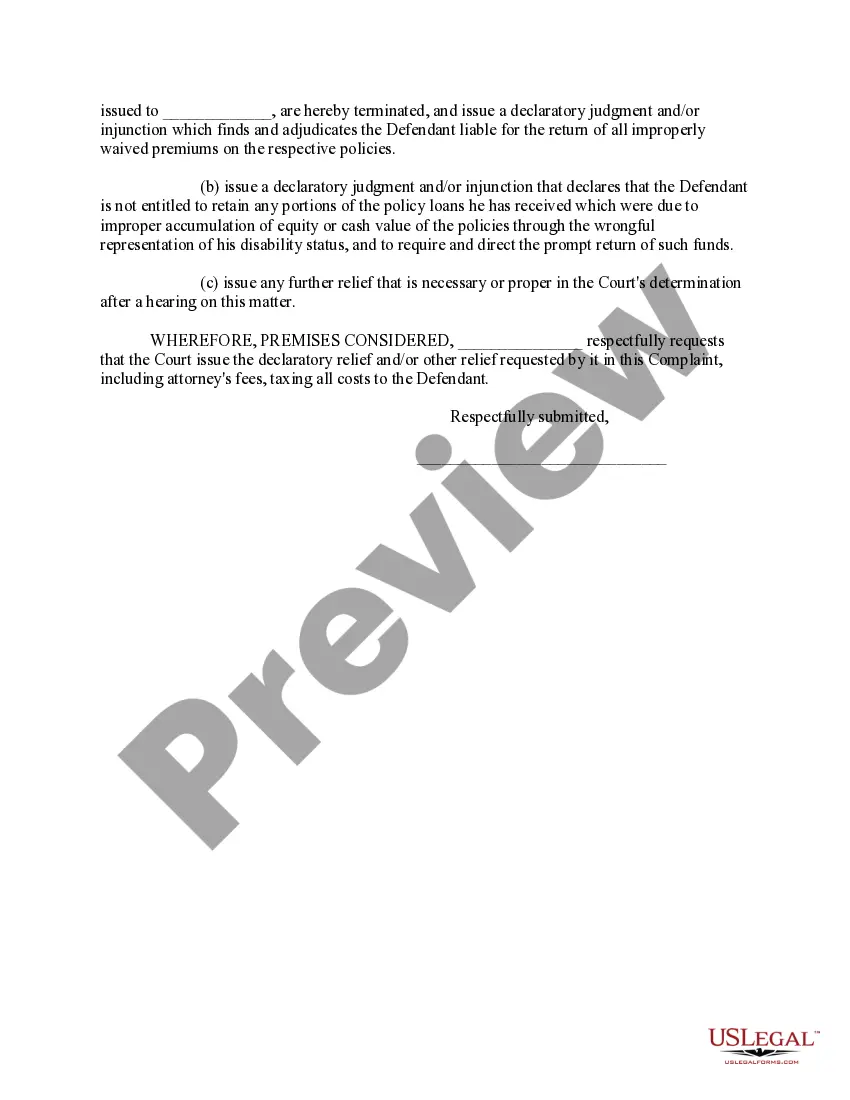
A declaratory judgment is a binding judgment from a court defining the legal relationship between parties and their rights in a matter before the court. When there is uncertainty as to the legal obligations or rights between two parties, a declaratory judgment offers an immediate means to resolve this uncertainty.
To bring a claim for declaratory judgment in a situation where a patent dispute may exist or develop, the claimant must establish that an actual controversy exists. If there is a substantial controversy of sufficient immediacy and reality, the court will generally proceed with the declaratory-judgment action.
