Tennessee Small Estate Affidavit for Estates Not More Than $50,000
About this form
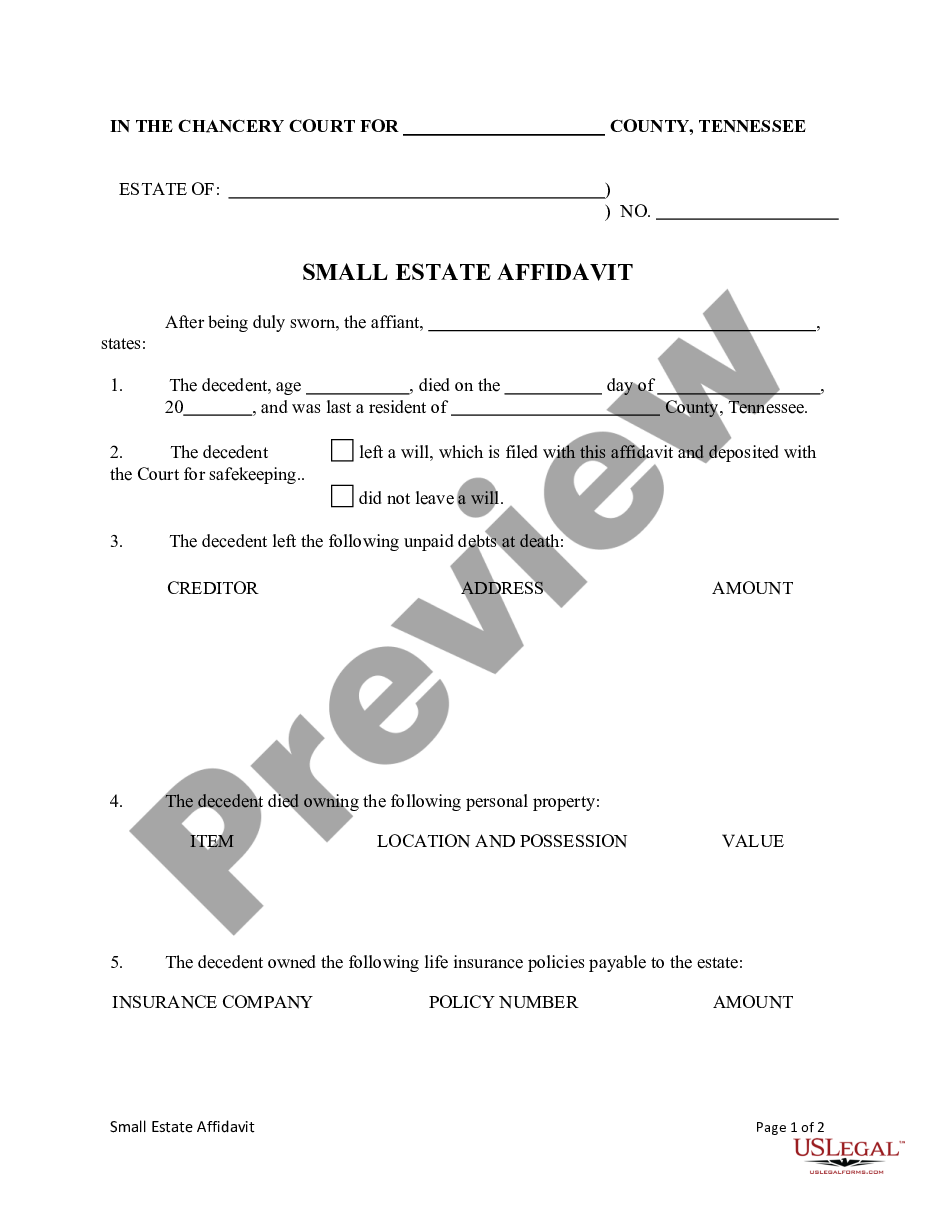
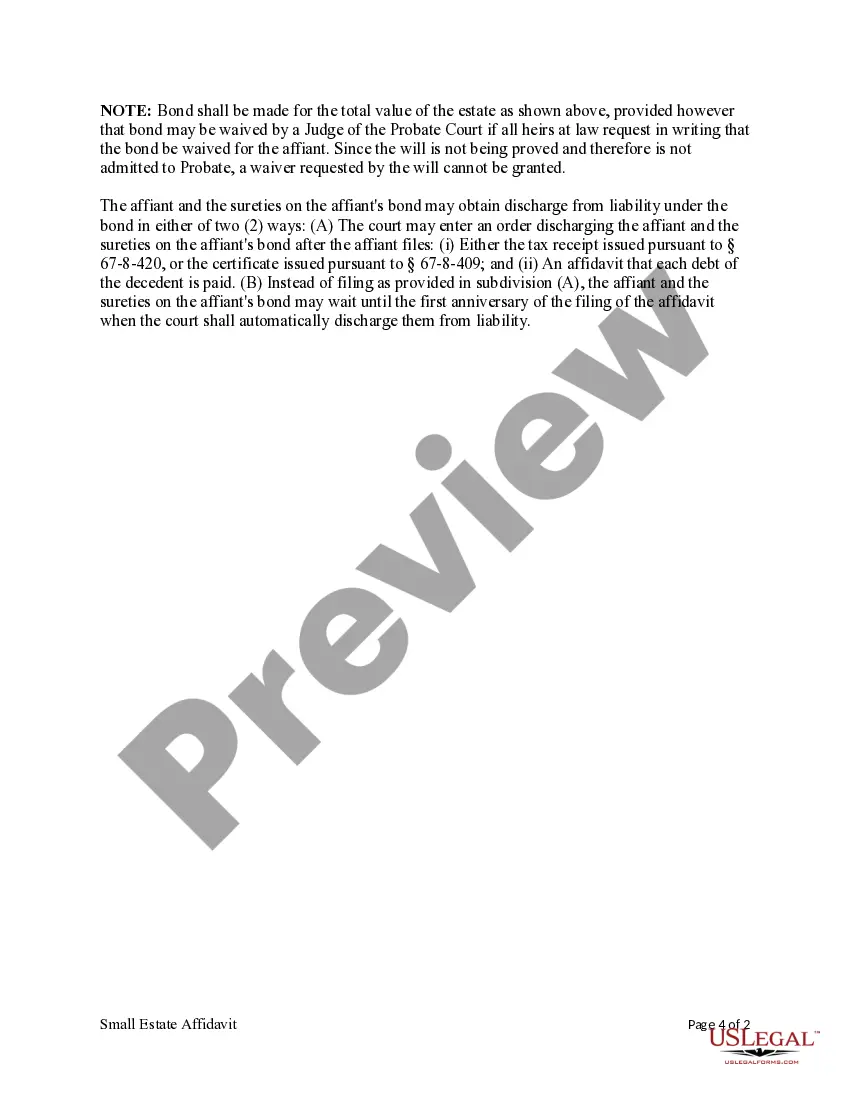
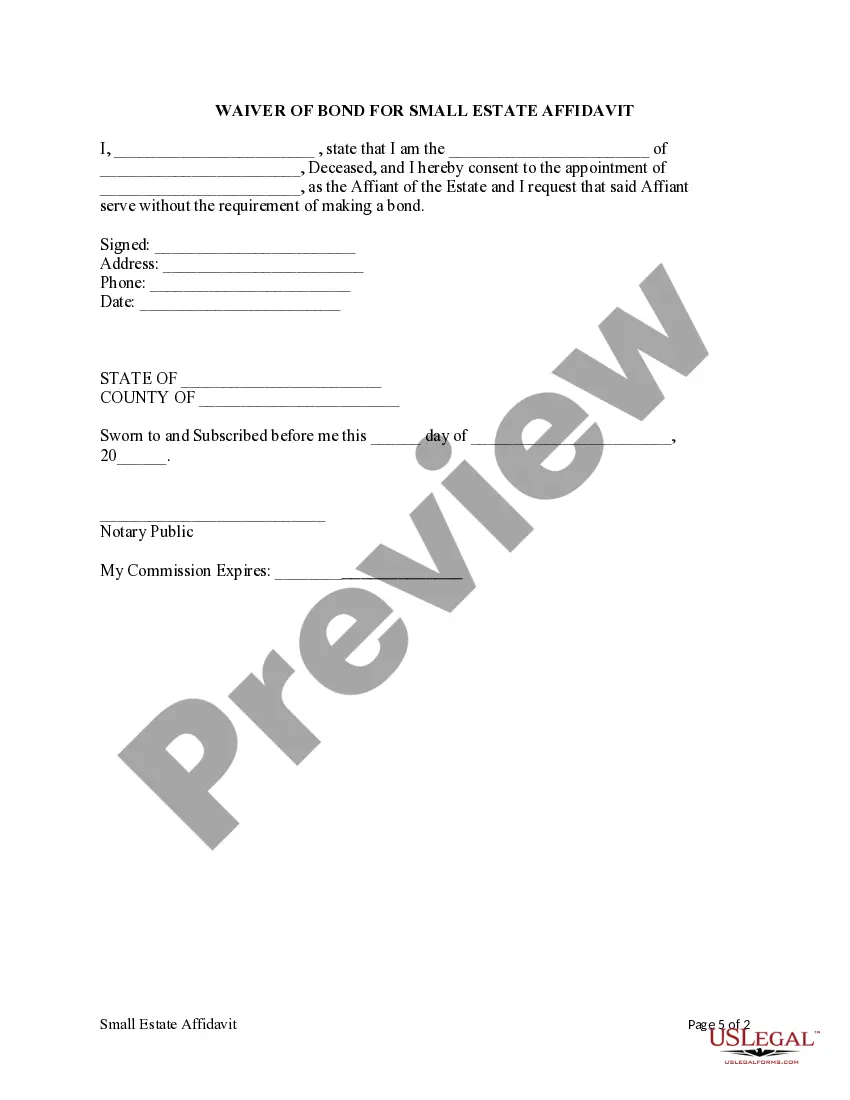
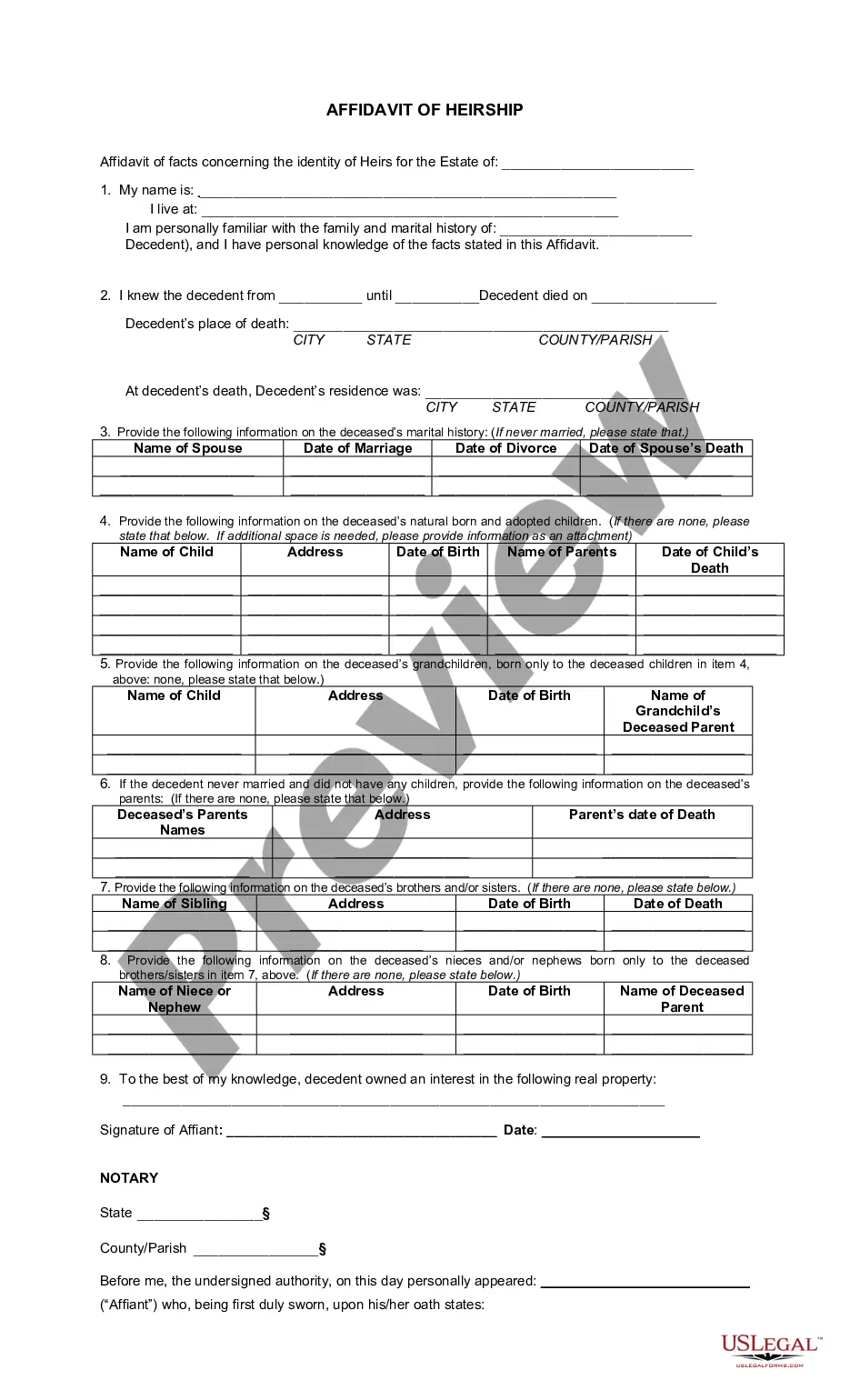
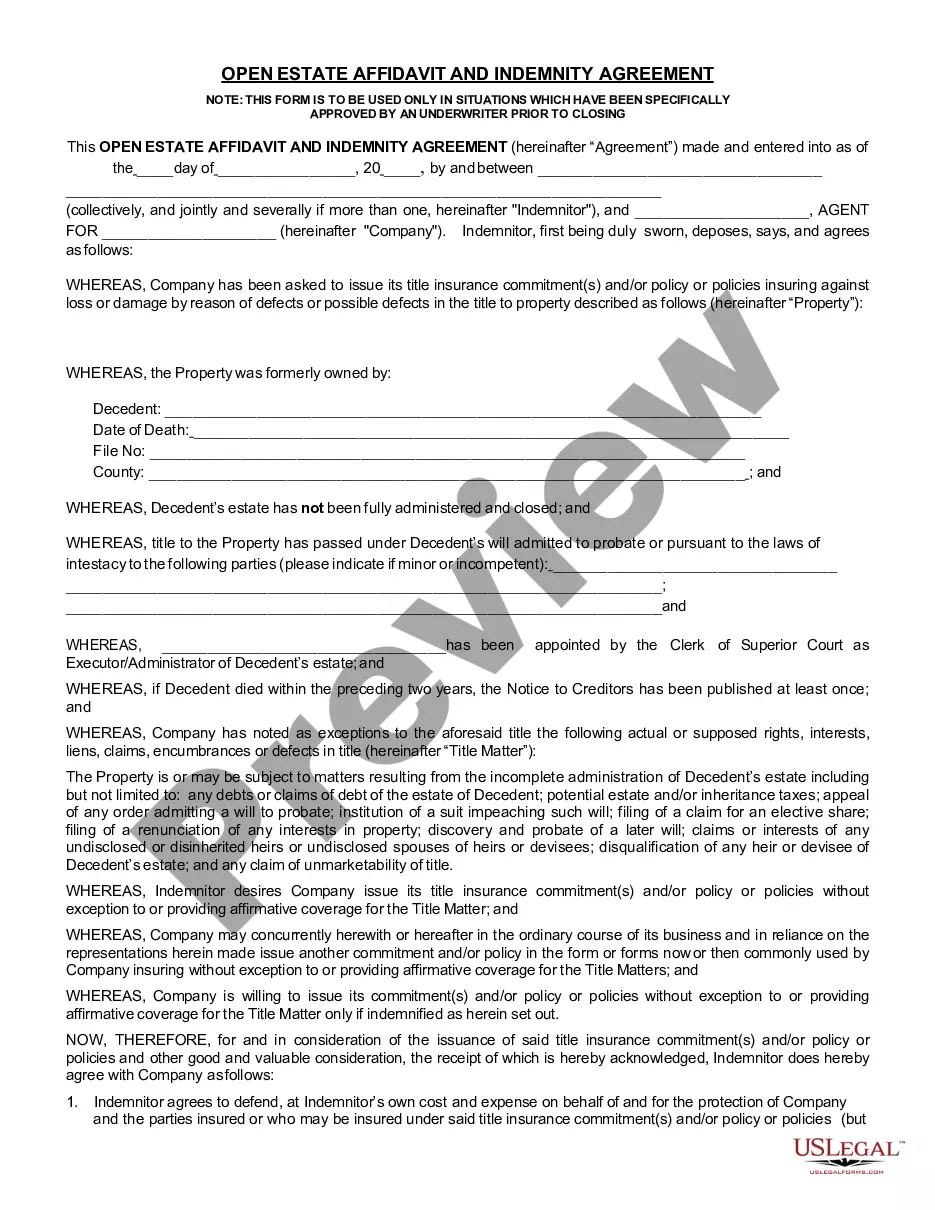
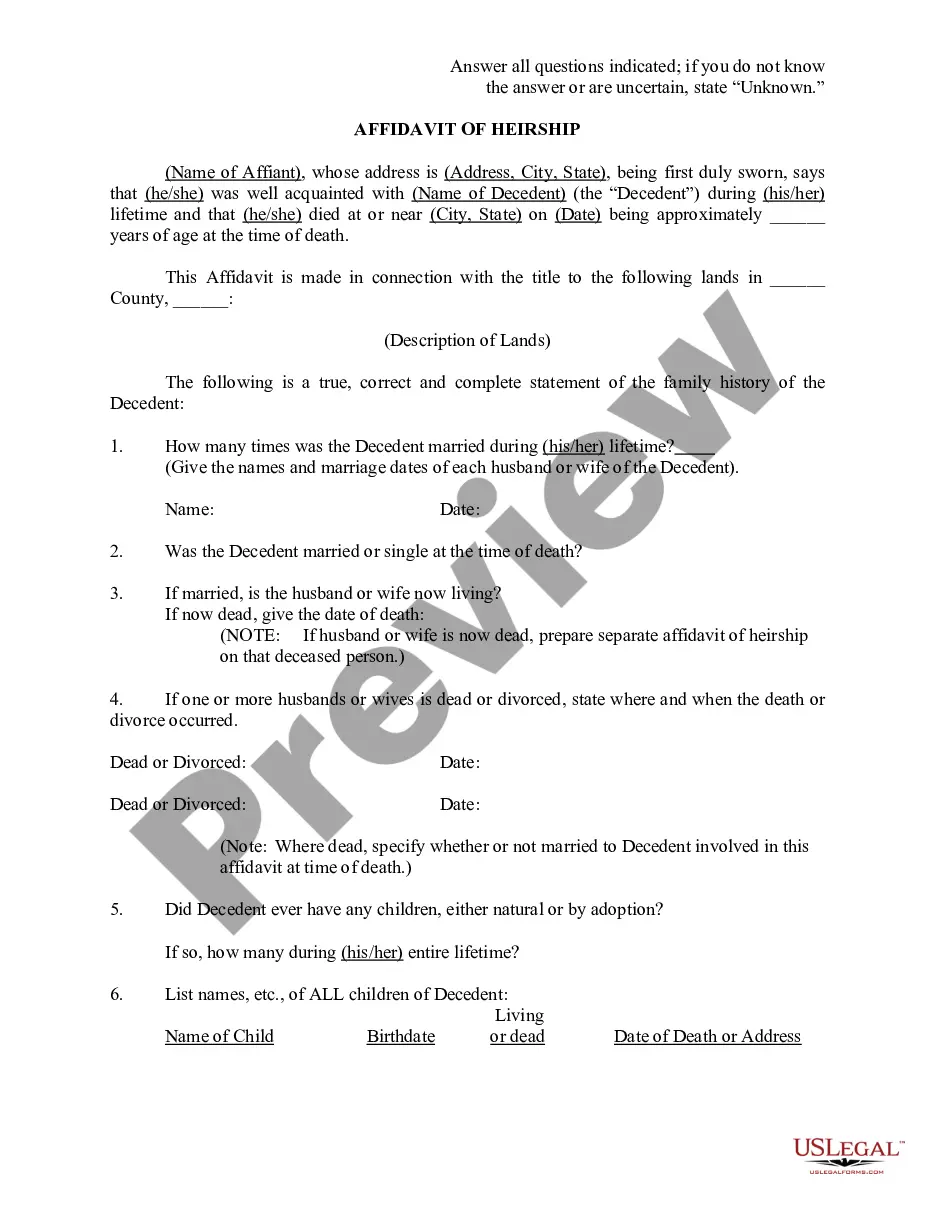
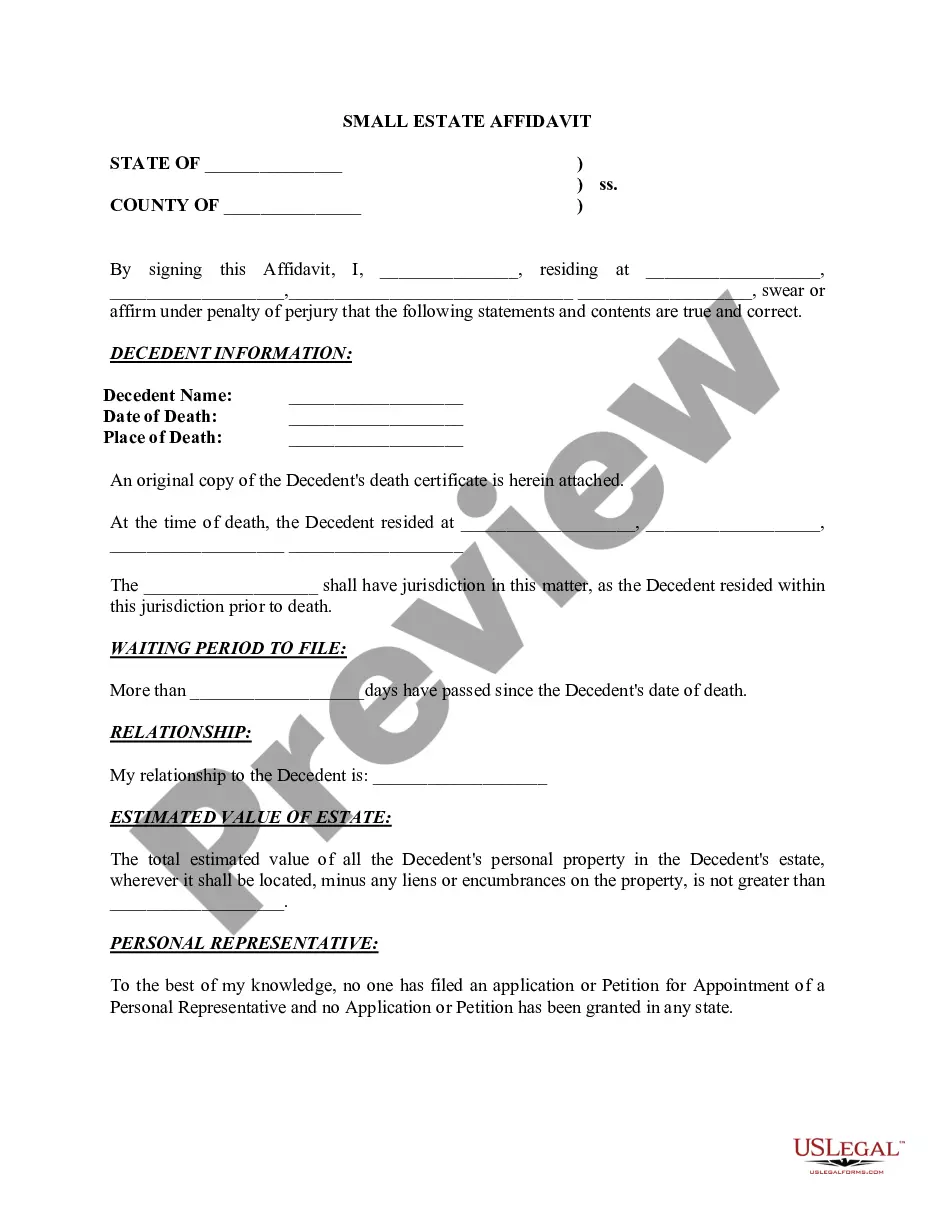
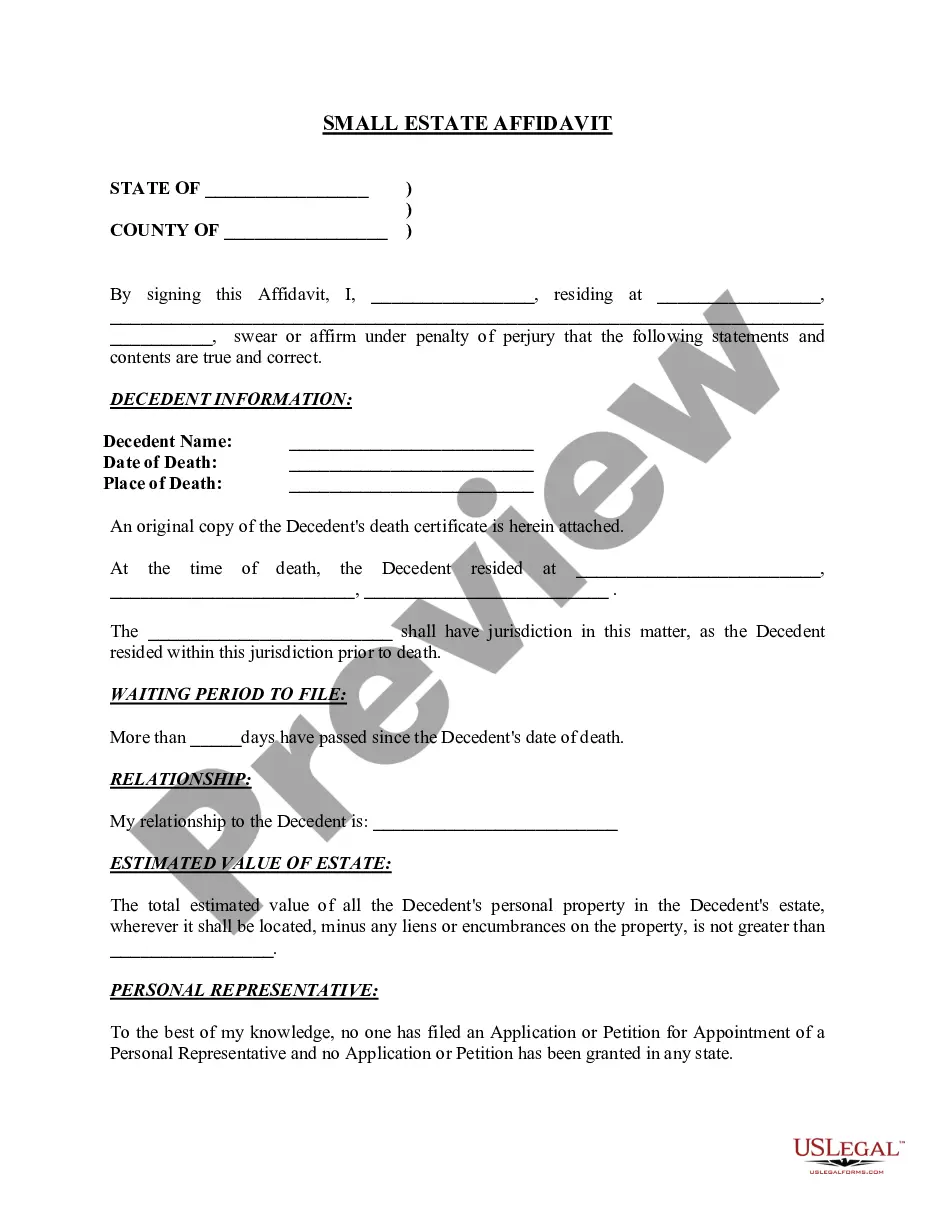
The Small Estate Affidavit for Estates Not More Than $50,000 is a legal document that allows an interested party to collect debts owed to a deceased individual when their estate is valued at $50,000 or less. This affidavit is typically filed with the clerk of court forty-five days after the decedent's death. It serves as a simplified alternative to the traditional probate process, facilitating the efficient handling of small estates without extensive legal procedures.
Form components explained
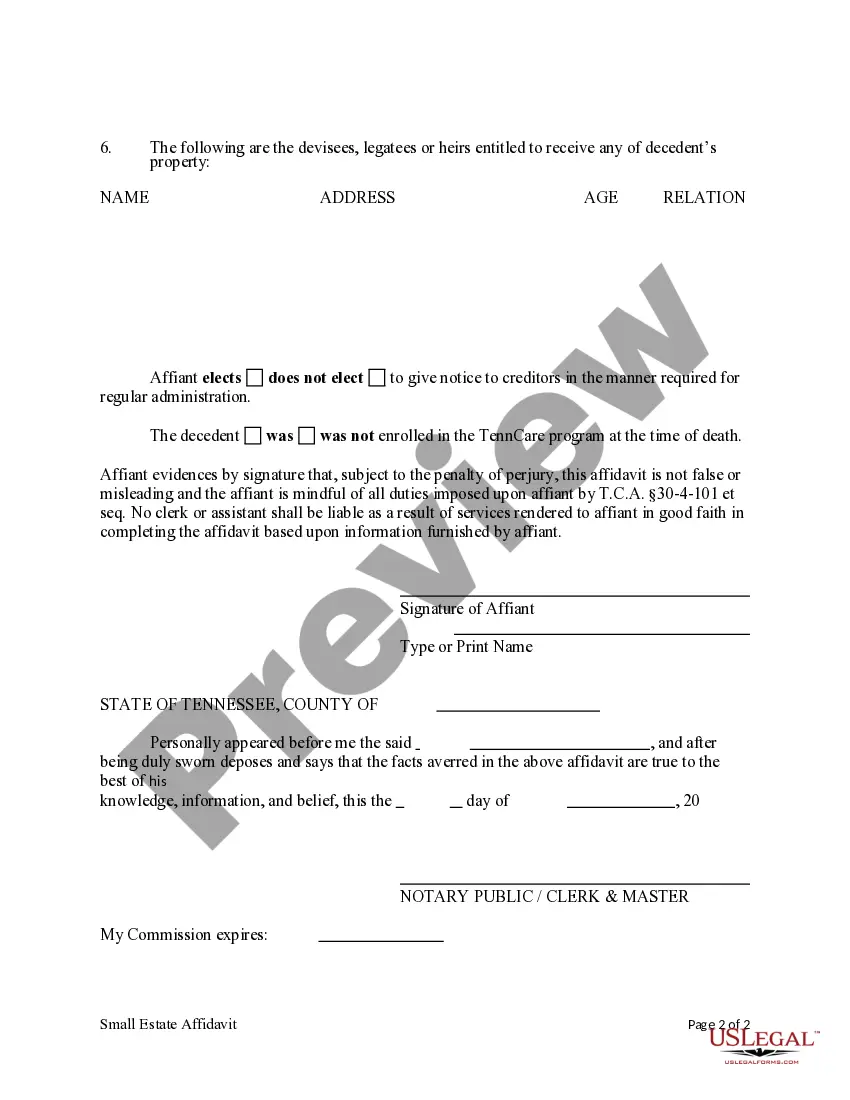
- Decedent's information, including whether they were enrolled in the TennCare program at the time of death.
- Affidavit declaration affirming eligibility to use this form.
- Signatures of the interested party and witnesses as required by law.
Situations where this form applies
This form is necessary when a person passes away and their estate is valued at $50,000 or less. It can be used when relatives or other interested parties need to claim the decedent's debts or transfer assets without undergoing formal probate proceedings. It's especially useful for small estates where the cost and time of full probate would be burdensome.
Who should use this form
This affidavit is intended for:
- Heirs of a decedent with an estate value under $50,000.
- Administrators or executors seeking to simplify the estate settlement process.
- Individuals responsible for collecting debts or assets owing to the decedent.
Instructions for completing this form
- Identify the decedent's full name and details about their estate value.
- Indicate whether the decedent was enrolled in the TennCare program.
- Provide your information as the interested party filing the affidavit.
- Include any required signatures from witnesses.
- Submit the completed affidavit to the clerk of court for filing.
Does this document require notarization?
This form does not typically require notarization unless specified by local law.
Get your form ready online
Our built-in tools help you complete, sign, share, and store your documents in one place.
Make edits, fill in missing information, and update formatting in US Legal Forms—just like you would in MS Word.
Download a copy, print it, send it by email, or mail it via USPS—whatever works best for your next step.
Sign and collect signatures with our SignNow integration. Send to multiple recipients, set reminders, and more. Go Premium to unlock E-Sign.
If this form requires notarization, complete it online through a secure video call—no need to meet a notary in person or wait for an appointment.
We protect your documents and personal data by following strict security and privacy standards.

Make edits, fill in missing information, and update formatting in US Legal Forms—just like you would in MS Word.

Download a copy, print it, send it by email, or mail it via USPS—whatever works best for your next step.

Sign and collect signatures with our SignNow integration. Send to multiple recipients, set reminders, and more. Go Premium to unlock E-Sign.

If this form requires notarization, complete it online through a secure video call—no need to meet a notary in person or wait for an appointment.

We protect your documents and personal data by following strict security and privacy standards.
Typical mistakes to avoid
- Failing to file the affidavit within the required forty-five days after the decedent's death.
- Not providing accurate information regarding the decedent's estate value.
- Omitting necessary signatures from witnesses, leading to invalidation of the affidavit.
Benefits of completing this form online
- Convenience of accessing and downloading the form from home.
- Editability allows for easy customization to meet specific needs.
- Reliable templates drafted by licensed attorneys ensure compliance with legal standards.
Summary of main points
- The Small Estate Affidavit simplifies collecting debts for estates under $50,000.
- It is crucial to follow Tennessee's legal guidelines and wait the required time after a decedent's death.
- Proper completion of the form helps avoid common mistakes and streamline the process.
Looking for another form?
Form popularity
FAQ
This form allows an interested party to collect debts or assets owed to a deceased person when the estate is valued at $50,000 or less. It’s filed with the clerk of court about forty-five days after the decedent’s death and serves as a simplified alternative to full probate for small estates.
This form is completed by the interested party and filed with the clerk of the court after the decedent’s death, typically about forty-five days later. It requires the decedent’s information, a declaration of eligibility to use the affidavit, and signatures of the interested party and witnesses as required by law.
Not explicitly. The form’s components require signatures from the interested party and witnesses as required by law. It does not state that a notary must sign, so you should check the clerk of court’s requirements in Tennessee or consult an attorney to confirm whether notarization is needed for your situation.
Yes, for small estates valued at $50,000 or less, this Small Estate Affidavit provides a simplified alternative to traditional probate. It helps collect debts and transfer assets without full probate, but filing with the clerk and meeting eligibility criteria is required.
In Tennessee, the small estate threshold for using this form is estates valued at $50,000 or less. This limit allows the simplified process instead of full probate when the decedent’s assets fall within the threshold.
This form differs from full probate by offering a simplified process for small estates valued at $50,000 or less. It relies on an affidavit filed with the clerk of court about forty-five days after death, avoiding the more lengthy and formal probate procedures.