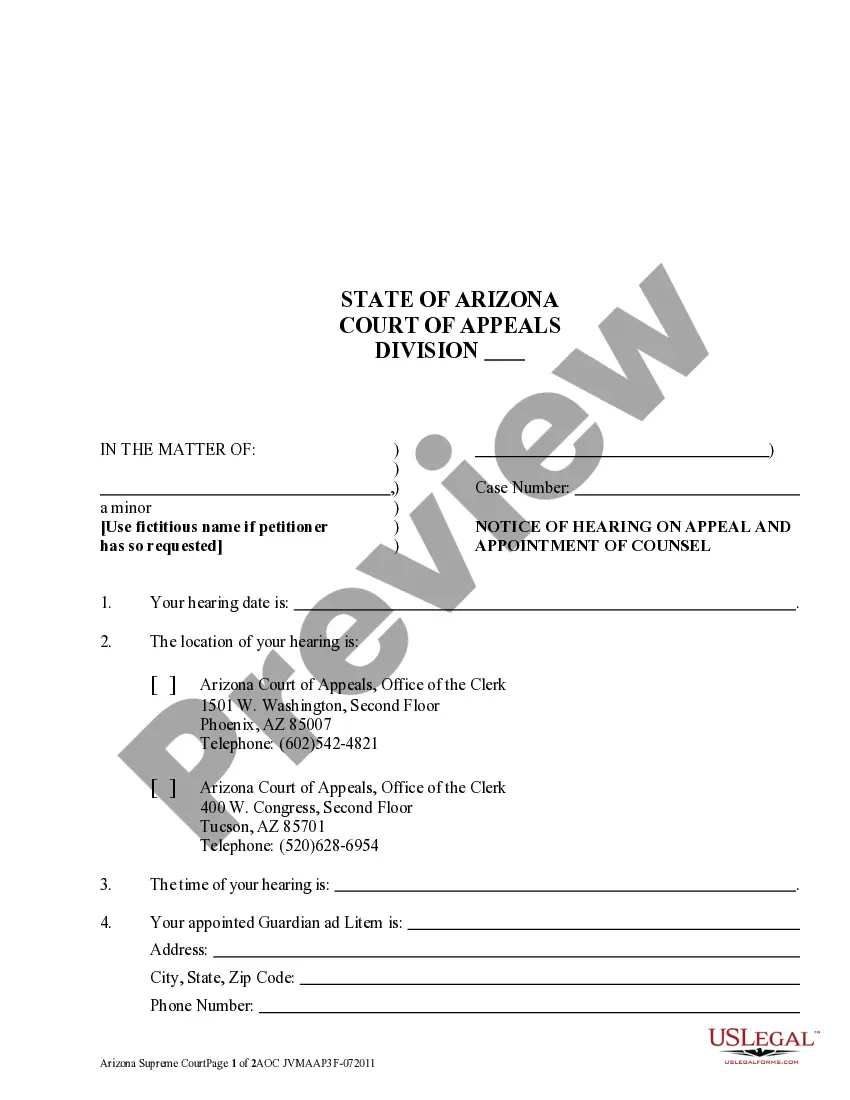
Complaint for Conversion Seeking Punitive Damages
Understanding this form
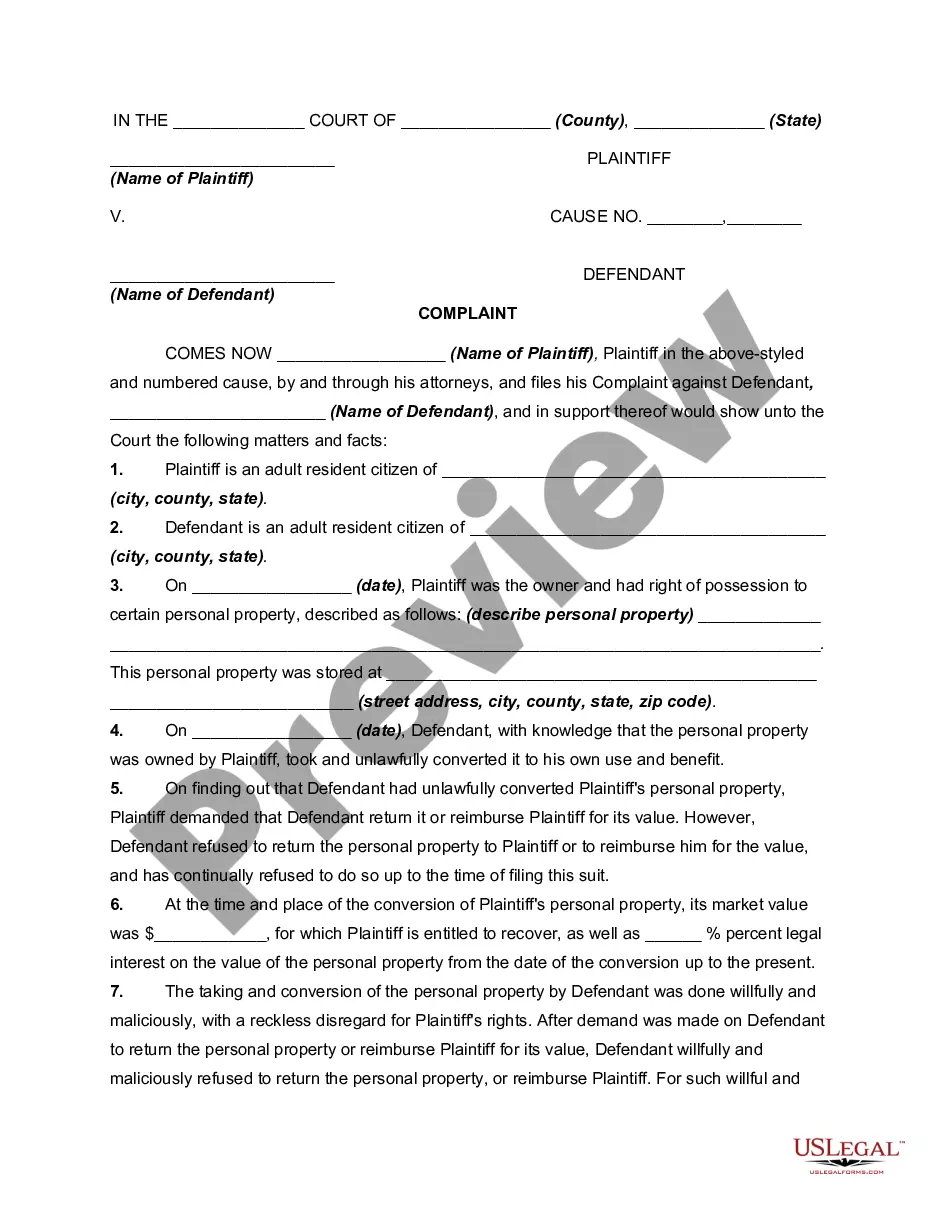
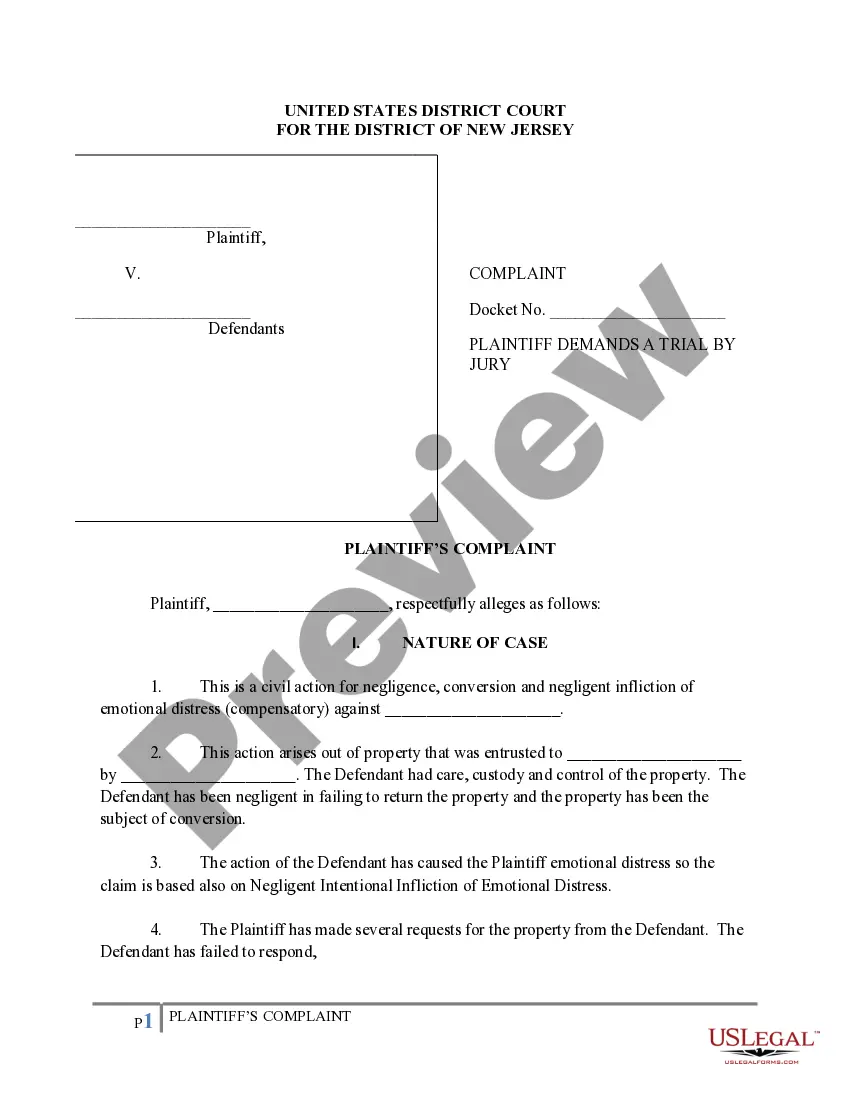
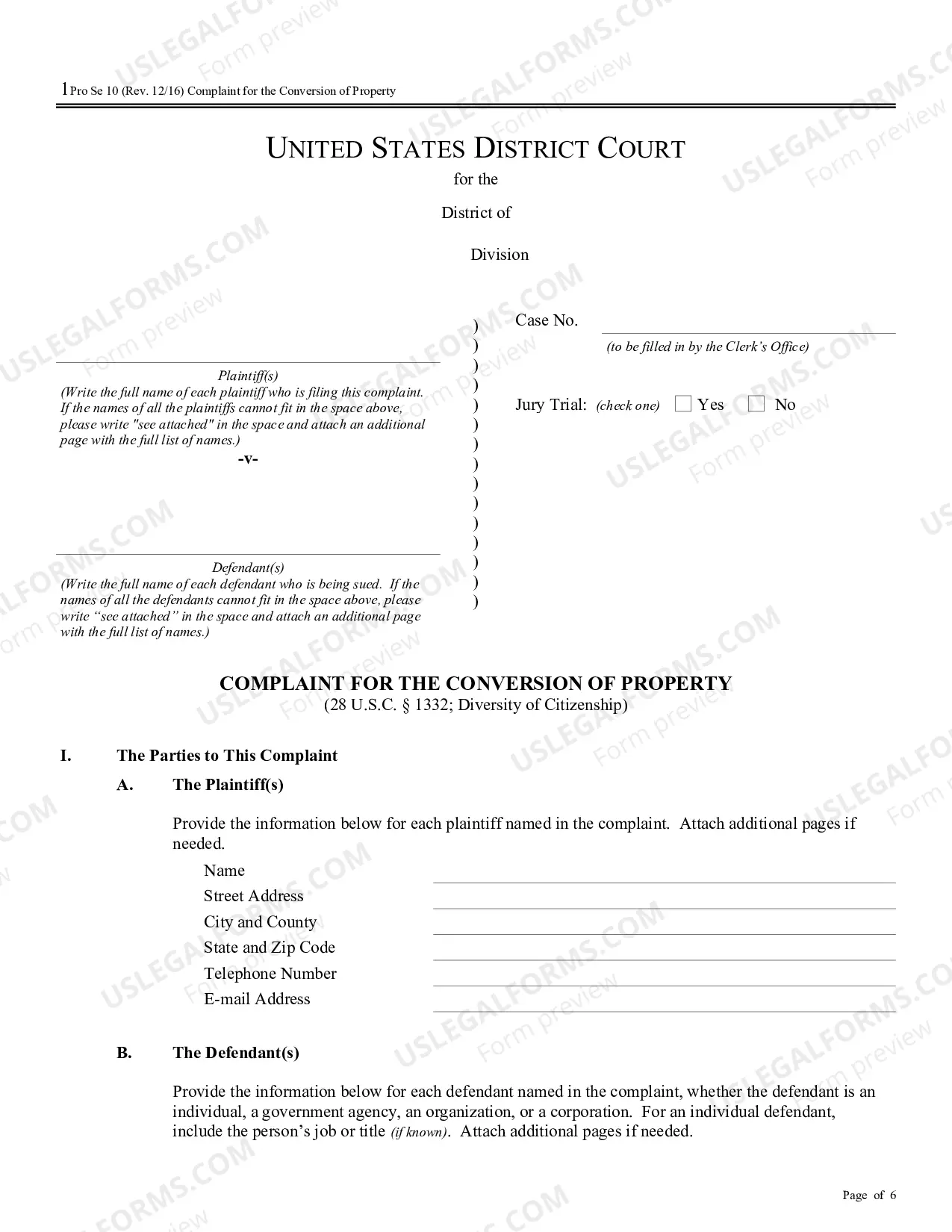
The Complaint for Conversion Seeking Punitive Damages is a legal document used to initiate a lawsuit when an individual's property has been wrongfully taken or used by another party. This form is vital for claiming both actual damages and punitive damages, which serve as a deterrent against malicious or reckless behavior. Unlike other forms of civil complaints, this form specifically addresses the issue of conversion, where the property owner's rights are violated through wrongful use or possession.
Form components explained
- Identification of the parties involved (Plaintiff and Defendant).
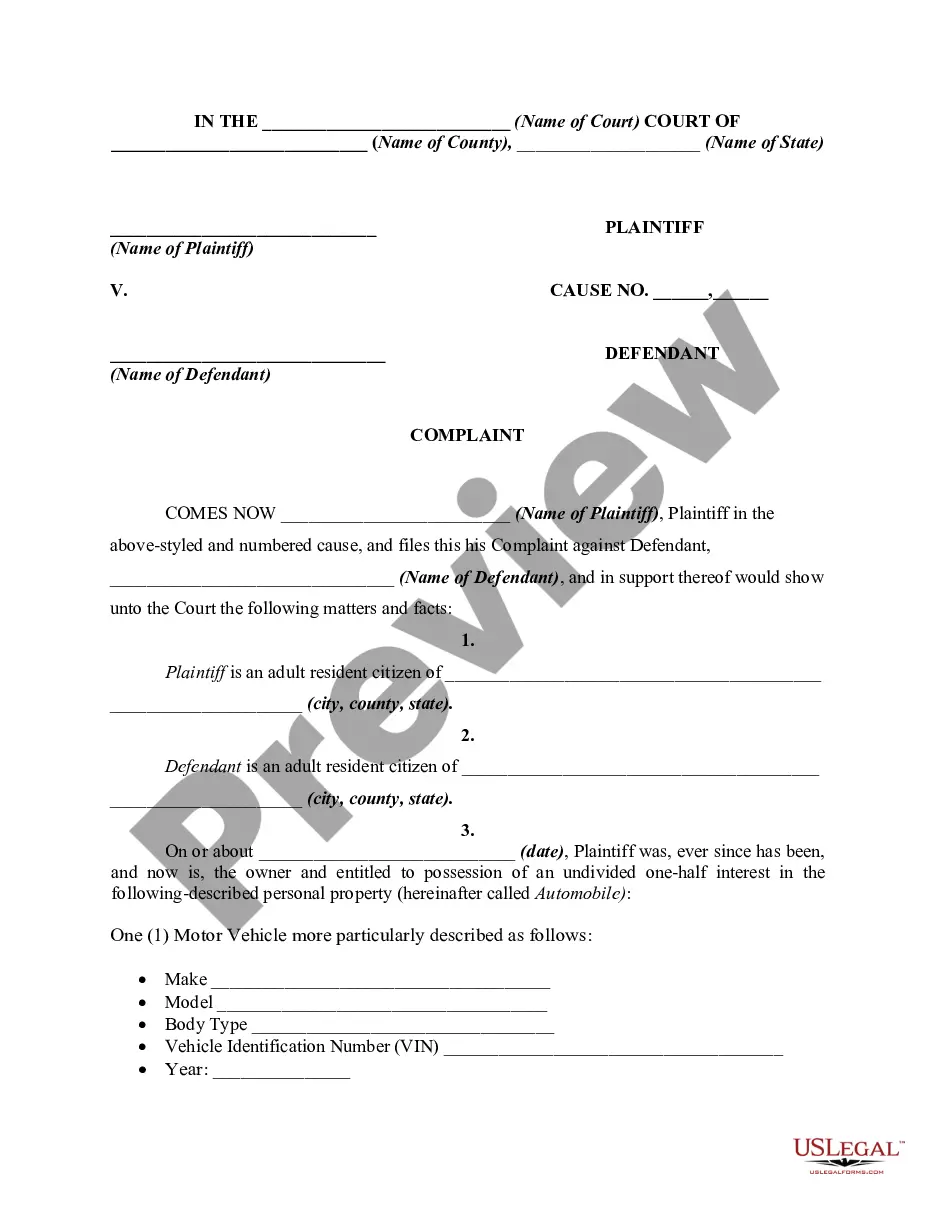
- Details about the personal property that was converted.
- Explanation of the unlawful taking or use of the property by the Defendant.
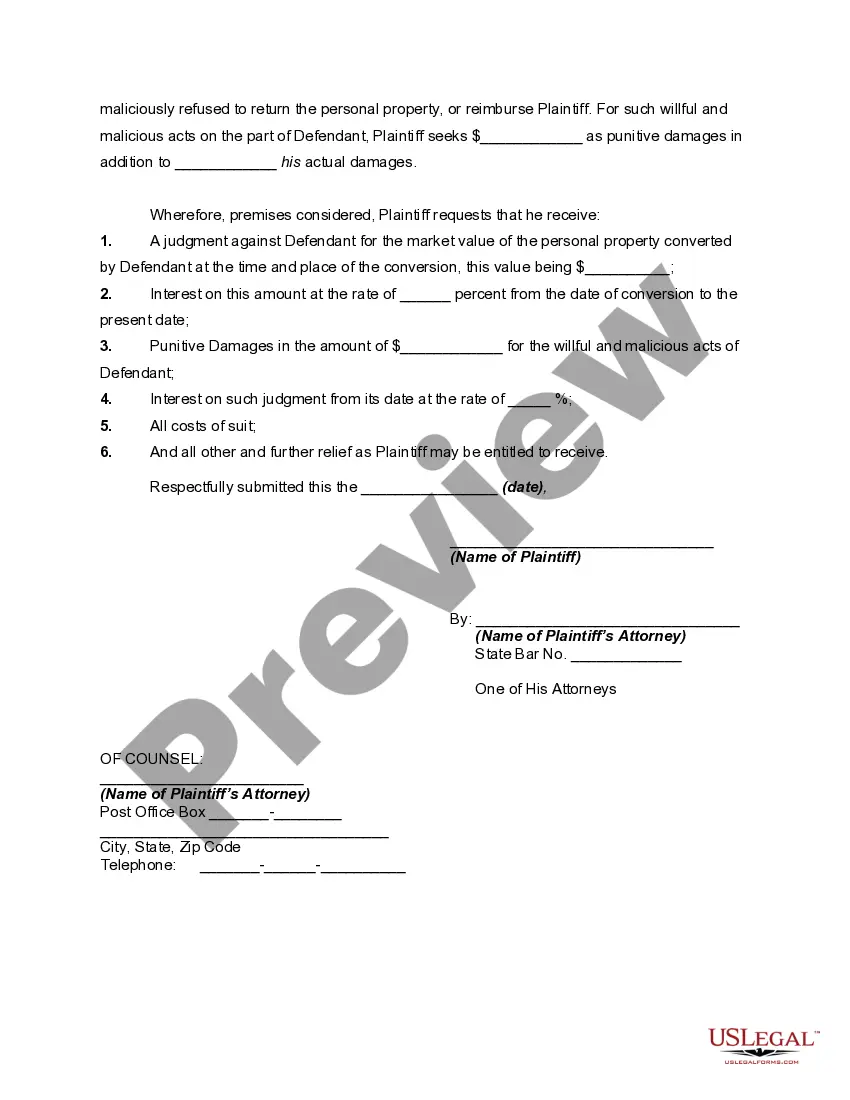
- Demand for the return of the property or compensation for its value.
- Specification of punitive damages sought against the Defendant.
- Legal jurisdiction and venue information.

Common use cases
This form should be used when you believe that someone has unlawfully taken or used your property and has refused to return it despite a demand for its return. Scenarios include theft, unauthorized use of assets, or destruction of property. If you want to recover not only the property or its value, but also seek punishment against the Defendant for their misconduct, then this form is essential.
Intended users of this form
This form is intended for:
- Individuals who have experienced wrongful conversion of their property.
- Property owners seeking compensation for the unlawful use or destruction of their possessions.
- Anyone looking to hold another party accountable for malicious conduct regarding their property.
Instructions for completing this form
- Identify and fill in the names of the Plaintiff and Defendant.
- Provide the details regarding the property that was unlawfully converted.
- Enter the dates relevant to the conversion incident.
- Specify the value of the personal property and the amount sought as punitive damages.
- Include necessary signatures and date the document appropriately.
Does this form need to be notarized?
This form usually doesn’t need to be notarized. However, local laws or specific transactions may require it. Our online notarization service, powered by Notarize, lets you complete it remotely through a secure video session, available 24/7.
Get your form ready online
Our built-in tools help you complete, sign, share, and store your documents in one place.
Make edits, fill in missing information, and update formatting in US Legal Forms—just like you would in MS Word.
Download a copy, print it, send it by email, or mail it via USPS—whatever works best for your next step.
Sign and collect signatures with our SignNow integration. Send to multiple recipients, set reminders, and more. Go Premium to unlock E-Sign.
If this form requires notarization, complete it online through a secure video call—no need to meet a notary in person or wait for an appointment.
We protect your documents and personal data by following strict security and privacy standards.

Make edits, fill in missing information, and update formatting in US Legal Forms—just like you would in MS Word.

Download a copy, print it, send it by email, or mail it via USPS—whatever works best for your next step.

Sign and collect signatures with our SignNow integration. Send to multiple recipients, set reminders, and more. Go Premium to unlock E-Sign.

If this form requires notarization, complete it online through a secure video call—no need to meet a notary in person or wait for an appointment.

We protect your documents and personal data by following strict security and privacy standards.
Mistakes to watch out for
- Failing to provide complete descriptions of the converted property.
- Not including all required signatures.
- Neglecting to specify the amount sought for punitive damages.
- Overlooking the need to document the timeline of events accurately.
Benefits of using this form online
- Convenient access to the form from anywhere at any time.
- Editable fields allow for easy customization of the document.
- Reliable templates provided by licensed attorneys ensure legal compliance.
Looking for another form?
Form popularity
FAQ
The Complaint for Conversion Seeking Punitive Damages is a civil filing used to start a lawsuit when property has been wrongfully taken or used. It seeks both actual damages (the property's value or return) and punitive damages to deter malicious or reckless conduct, and it includes jurisdiction and venue information for the case. It’s suitable when you want both restitution and punishment for misconduct in a multi-state context.
Yes. This form allows you to seek punitive damages in a conversion case when the defendant's conduct is malicious or reckless, in addition to demanding the return or value of the property and other actual damages. The form includes a specific punitive damages section, but state-specific rules may vary; consult a licensed attorney.
You can seek two categories of damages with this form: (1) the return of the property or compensation for its value (actual damages) and (2) punitive damages against the defendant. The form components guide you to identify the property, describe the conversion, and specify the damages sought.
In the context of this form, wrongful conversion is shown by identifying the parties, describing the converted property, and explaining how the defendant unlawfully took or used it, plus a demand for the return or value of the property and the punitive damages sought. State-specific elements may vary; consult an attorney for guidance.
The form itself does not specify evidentiary standards. It provides a framework to name punitive damages and describe their amount or scope, alongside the property claim. State-specific evidentiary requirements apply, so consult a licensed attorney for guidance on proving punitive conduct.
This form includes a dedicated section to specify punitive damages and requires a clear assertion of those damages in addition to the usual elements (parties, description of the property, unlawful taking or use, and demand for return or value). A standard conversion complaint typically lacks the punitive damages component.