State Disability For California In California
Description




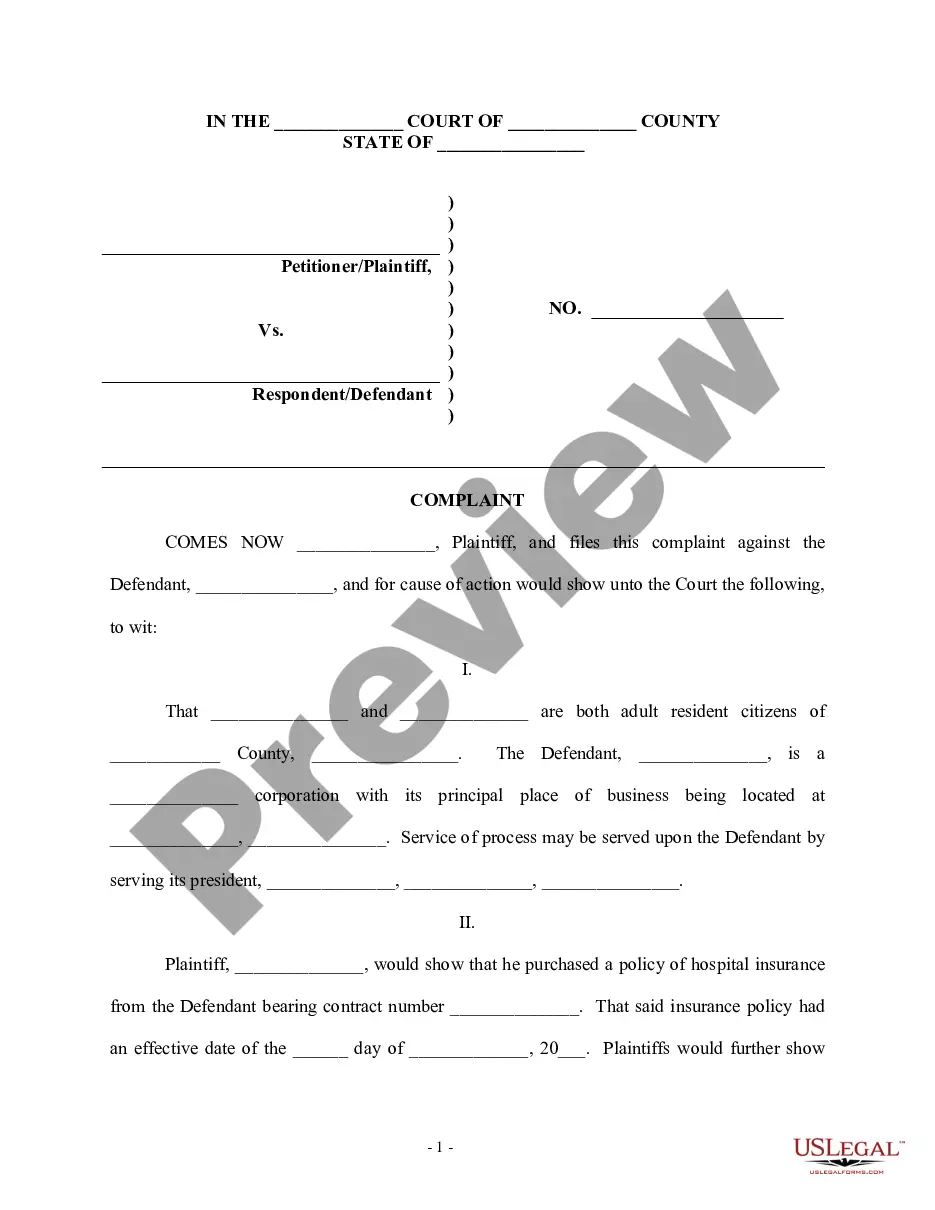
Get your form ready online
Our built-in tools help you complete, sign, share, and store your documents in one place.
Make edits, fill in missing information, and update formatting in US Legal Forms—just like you would in MS Word.
Download a copy, print it, send it by email, or mail it via USPS—whatever works best for your next step.
Sign and collect signatures with our SignNow integration. Send to multiple recipients, set reminders, and more. Go Premium to unlock E-Sign.
If this form requires notarization, complete it online through a secure video call—no need to meet a notary in person or wait for an appointment.
We protect your documents and personal data by following strict security and privacy standards.

Make edits, fill in missing information, and update formatting in US Legal Forms—just like you would in MS Word.

Download a copy, print it, send it by email, or mail it via USPS—whatever works best for your next step.

Sign and collect signatures with our SignNow integration. Send to multiple recipients, set reminders, and more. Go Premium to unlock E-Sign.

If this form requires notarization, complete it online through a secure video call—no need to meet a notary in person or wait for an appointment.

We protect your documents and personal data by following strict security and privacy standards.
Looking for another form?








Form popularity
FAQ
You may be eligible for DI benefits if you: Can't do your regular work for at least eight days. Have lost wages because of your disability. Are working or looking for work at the time your disability begins.
It includes: Musculoskeletal Disorders, such as arthritis, fibromyalgia, and back pain. Special Senses and Speech, such as blindness and hearing loss. Respiratory Disorders, such as cystic fibrosis and respiratory failure. Cardiovascular System, such as hypertension and heart disease.
Overall, however, the most approved disability for Social Security is disabilities involving the musculoskeletal system and/or connective tissues. ing to the World Health Organization (WHO), such conditions include arthritis, back pain, and lupus.
A disability is an illness or injury, either physical or mental, which prevents you from working. A disability also includes elective surgery, pregnancy, childbirth, or other related medical conditions.
Mental Disorders. Intellectual Disabilities. Affective Disorders. Schizophrenia and Other Psychotic Disorders. Physical Disorders. Immune System Disorders. Cancer Diagnosis. Neurological Disorders. Congenital Disorders. Cardiovascular Disabilities and Disorders. Respiratory Disorders. Musculoskeletal Disorders.
What Is the Most Approved Disability? Arthritis and other musculoskeletal system disabilities make up the most commonly approved conditions for social security disability benefits. This is because arthritis is so common. In the United States, over 58 million people suffer from arthritis.
Ten Things You Should Never Say When Applying For Social Security Disability “It's not that bad. “I'm getting better.” ... “I can work, but no one will hire me.” ... “It hurts.” ... “I'm not being treated.” or “I stopped treatment.” ... “I have a history of drug use/criminal activity.” ... “My relative gets disability.”
8 tips for the disability application Keep your answers honest and concise. Keep all your answers consistent. Be detailed, but don't exaggerate. Ensure all information is accurate and up-to-date. Send additional information as quickly as possible. List all conditions that keep you from working.
You may qualify for Disability Insurance (DI) if you can't work and lose wages when you need time off for: Illness. Injury. Surgery. Pregnancy or childbirth.
Conditions like musculoskeletal disorders (such as severe back pain or arthritis), cardiovascular diseases (like heart failure), neurological disorders (such as epilepsy or multiple sclerosis), and mental health conditions (like severe depression or schizophrenia) are frequently approved.
