Declaratory Judgement Expenses In Alameda
Description

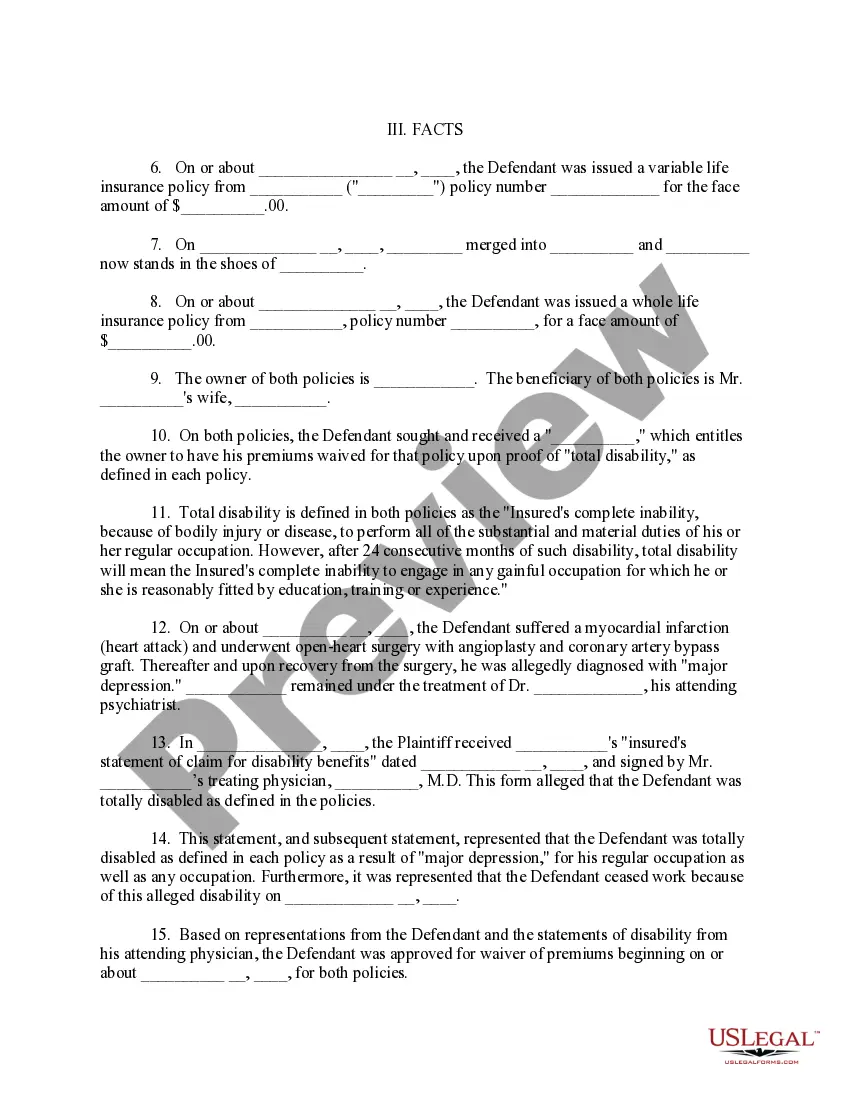
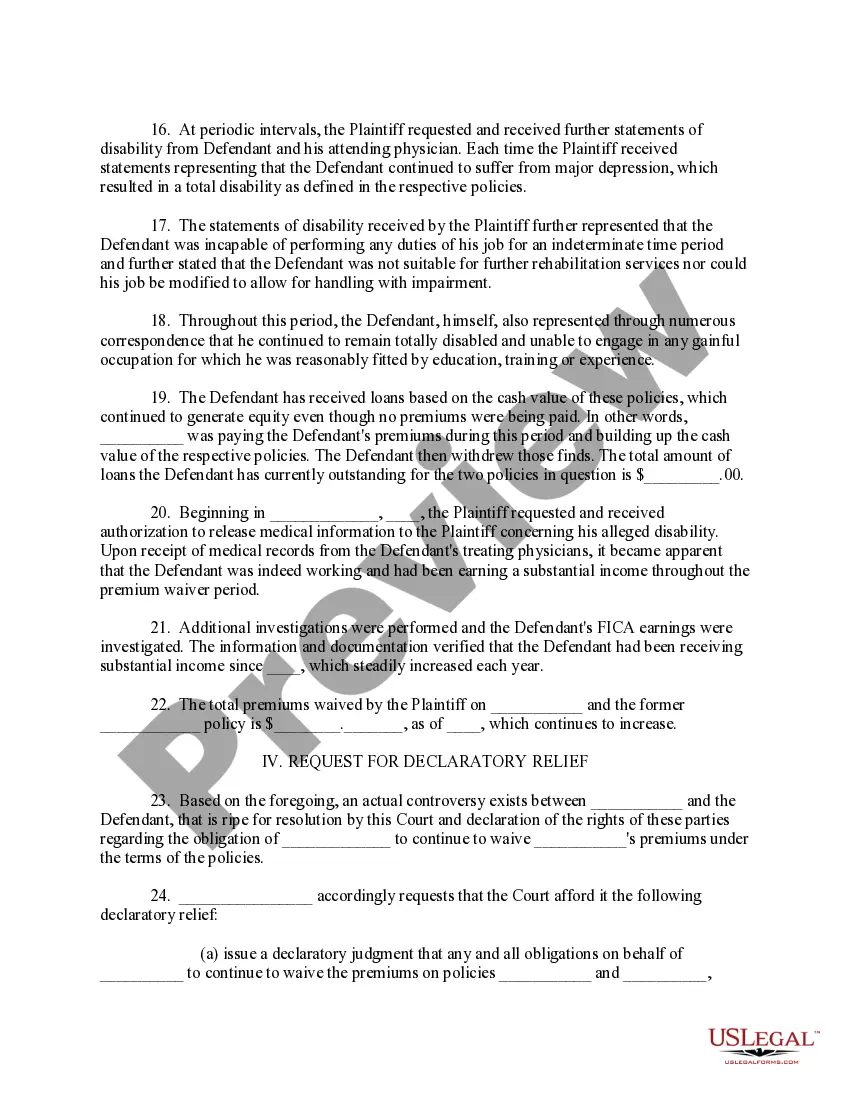
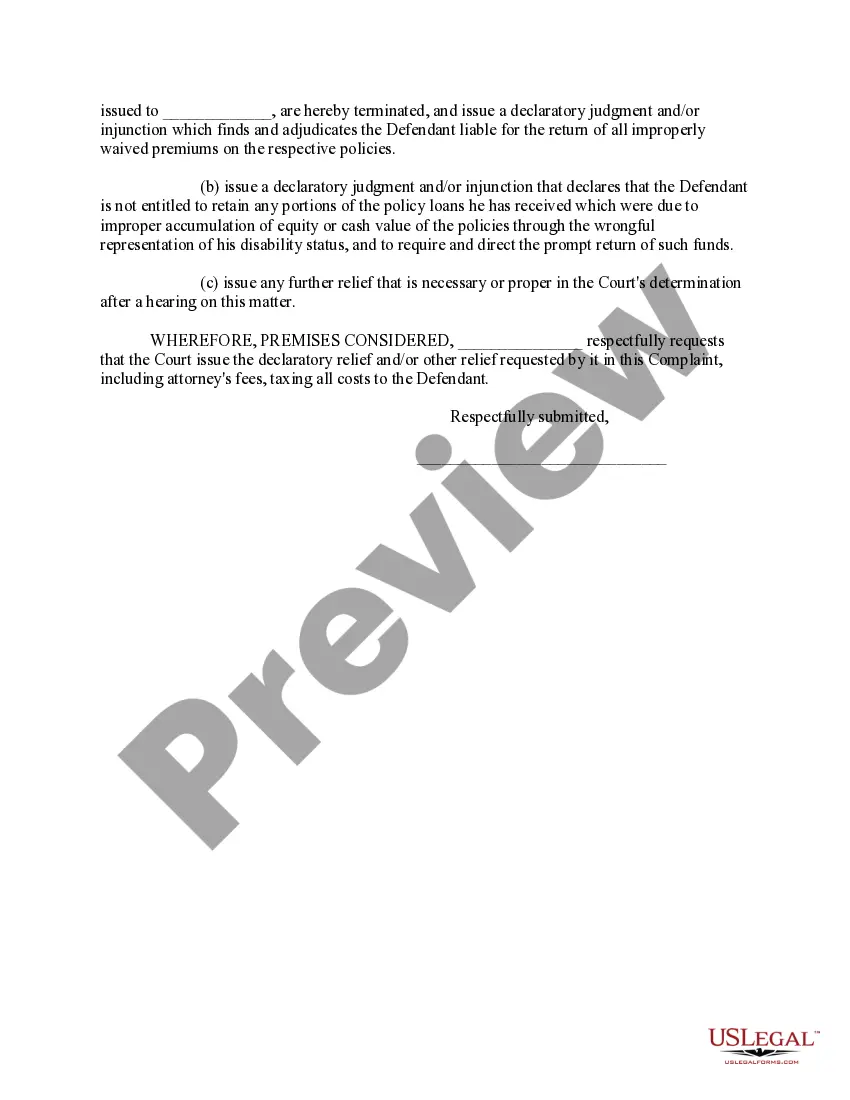



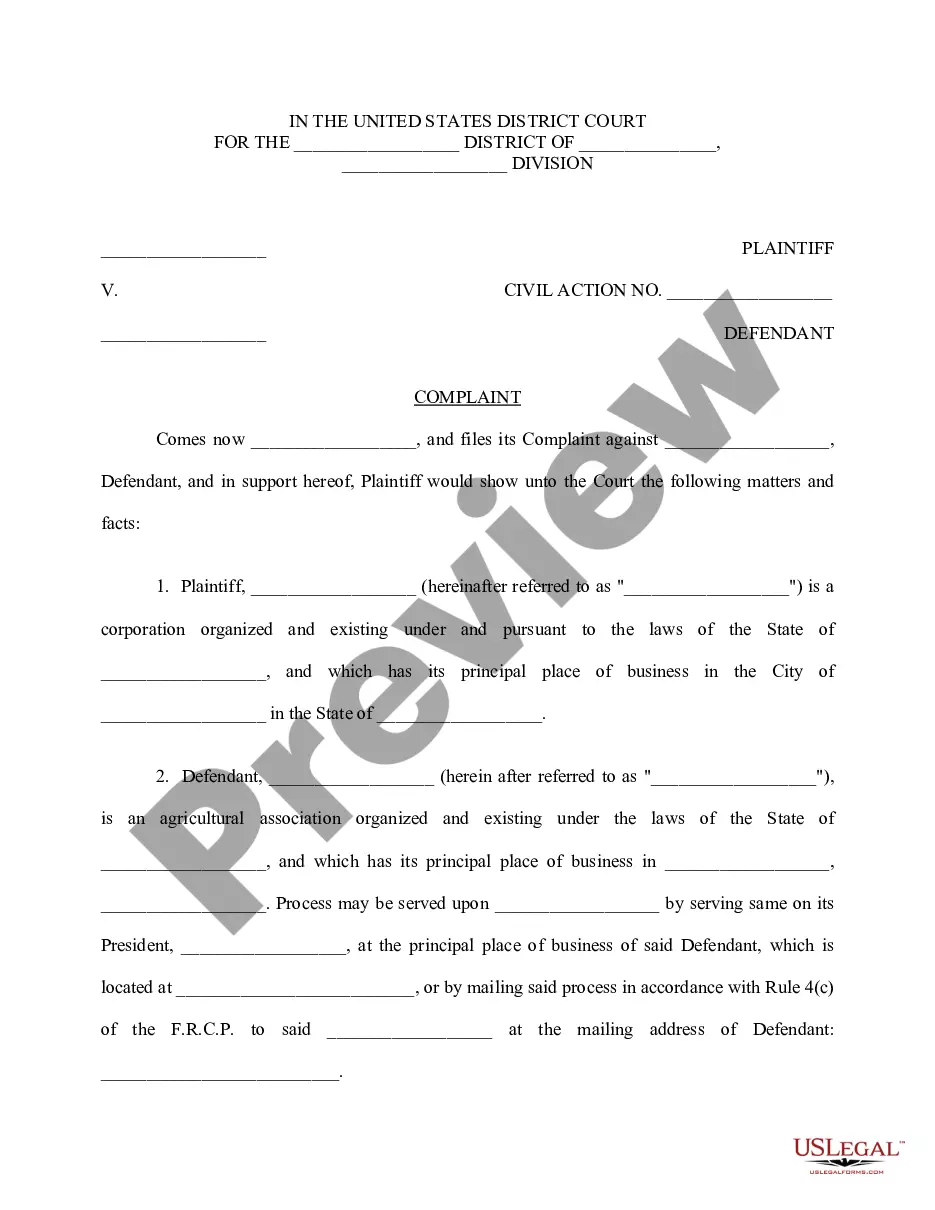
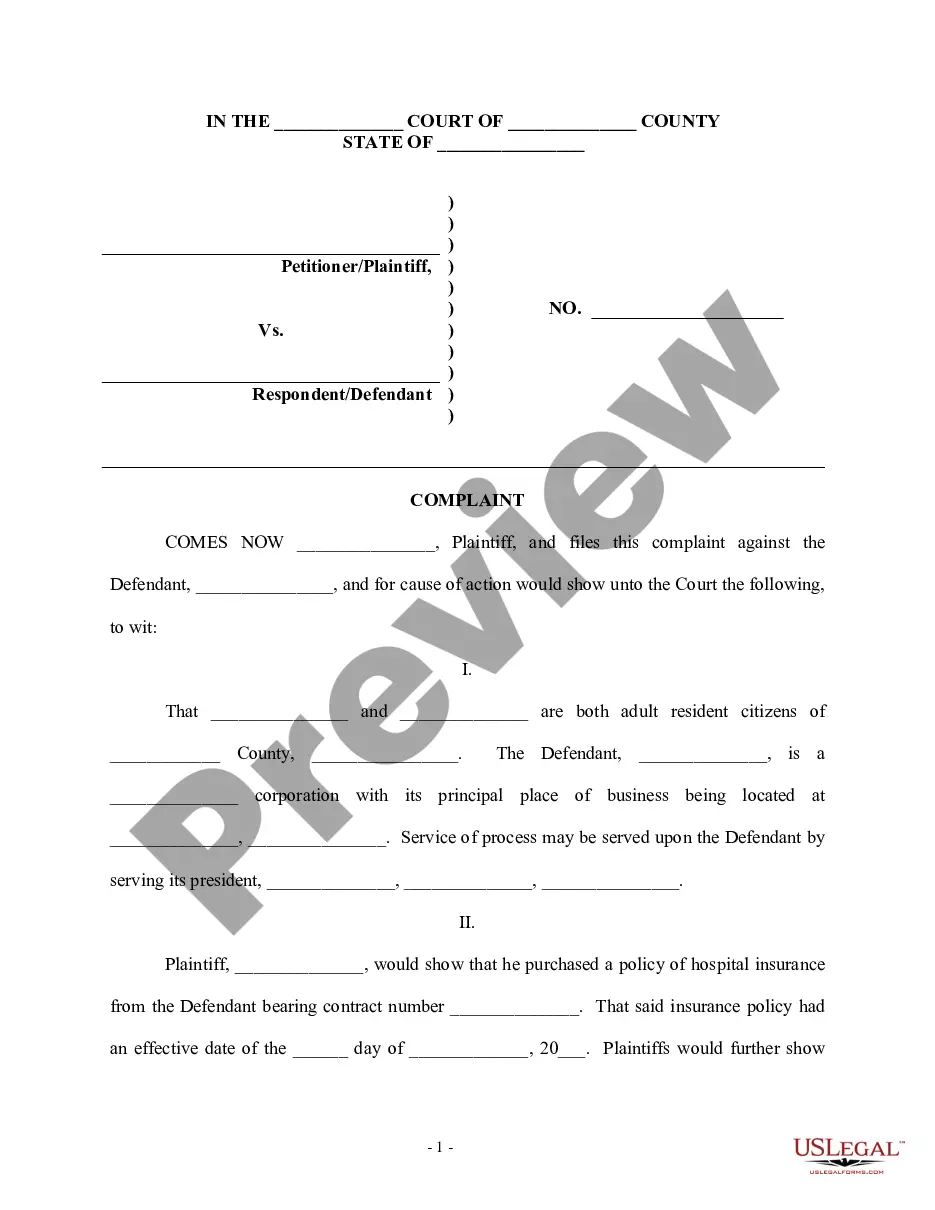
Get your form ready online
Our built-in tools help you complete, sign, share, and store your documents in one place.
Make edits, fill in missing information, and update formatting in US Legal Forms—just like you would in MS Word.
Download a copy, print it, send it by email, or mail it via USPS—whatever works best for your next step.
Sign and collect signatures with our SignNow integration. Send to multiple recipients, set reminders, and more. Go Premium to unlock E-Sign.
If this form requires notarization, complete it online through a secure video call—no need to meet a notary in person or wait for an appointment.
We protect your documents and personal data by following strict security and privacy standards.

Make edits, fill in missing information, and update formatting in US Legal Forms—just like you would in MS Word.

Download a copy, print it, send it by email, or mail it via USPS—whatever works best for your next step.

Sign and collect signatures with our SignNow integration. Send to multiple recipients, set reminders, and more. Go Premium to unlock E-Sign.

If this form requires notarization, complete it online through a secure video call—no need to meet a notary in person or wait for an appointment.

We protect your documents and personal data by following strict security and privacy standards.
Looking for another form?







Form popularity
FAQ
What types of small claims lawsuits can be filed? Landlord/Tenant disputes over the security deposit. Landlord/Tenant disputes over unpaid rent. Roommate disputes. Disputes over loans. Contracts (written and verbal). Auto accidents. Disputes over auto repairs.
In many cases, filing in small claims court is the fastest and easiest way for people to legally settle their disputes. The person suing is the plaintiff, and the person being sued is the defendant. A person cannot sue for more than $12,500 in most cases. A business or public entity cannot sue for more than $6,250.
You can sue for damages for physical, emotional, or economic injuries. You can also sue for injuries to your reputation, along with violations of your property, privacy, or constitutional rights. Types of damages you can sue for include: current and future loss of earnings.
Request for continuance must explain the reason or reasons that the conference should be continued and must indicate that the requesting party has conferred with opposing counsel or self-represented party, if any, and indicate what the position is of such counsel or party with regard to the request.
