Tort Negligence Liability For Mental Harm In Santa Clara
Description

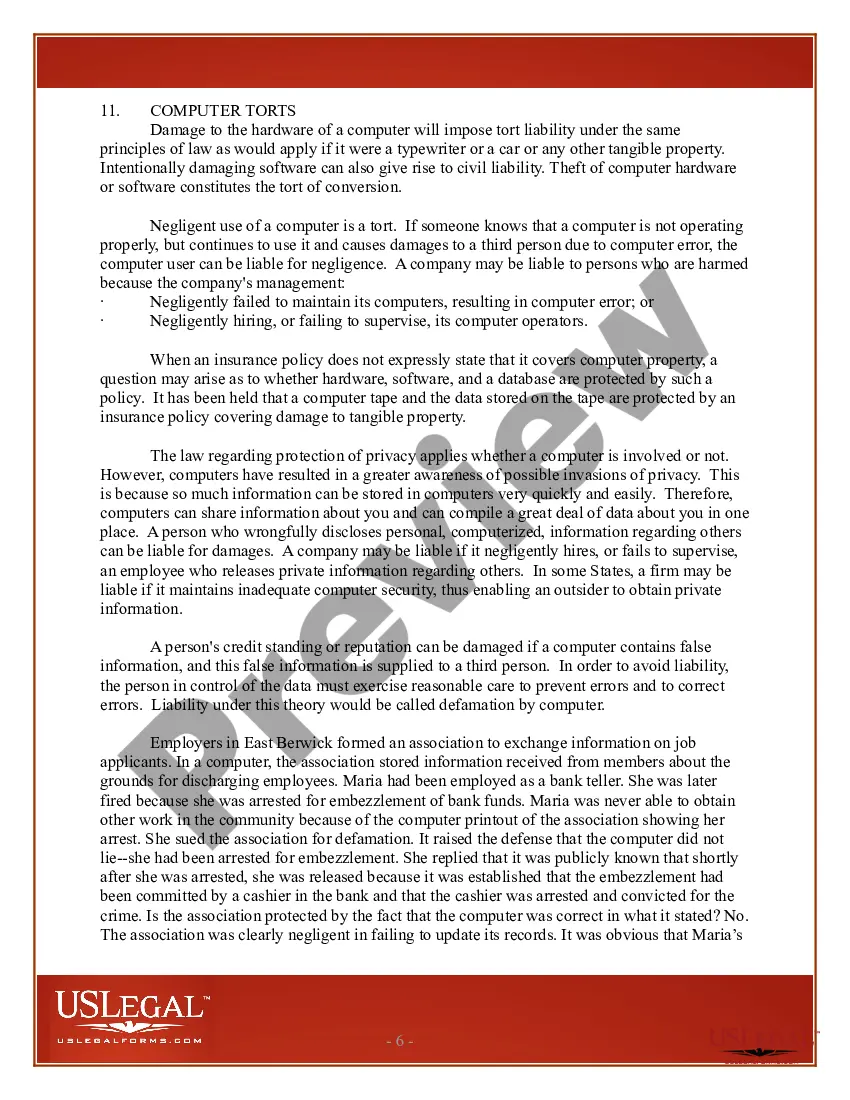
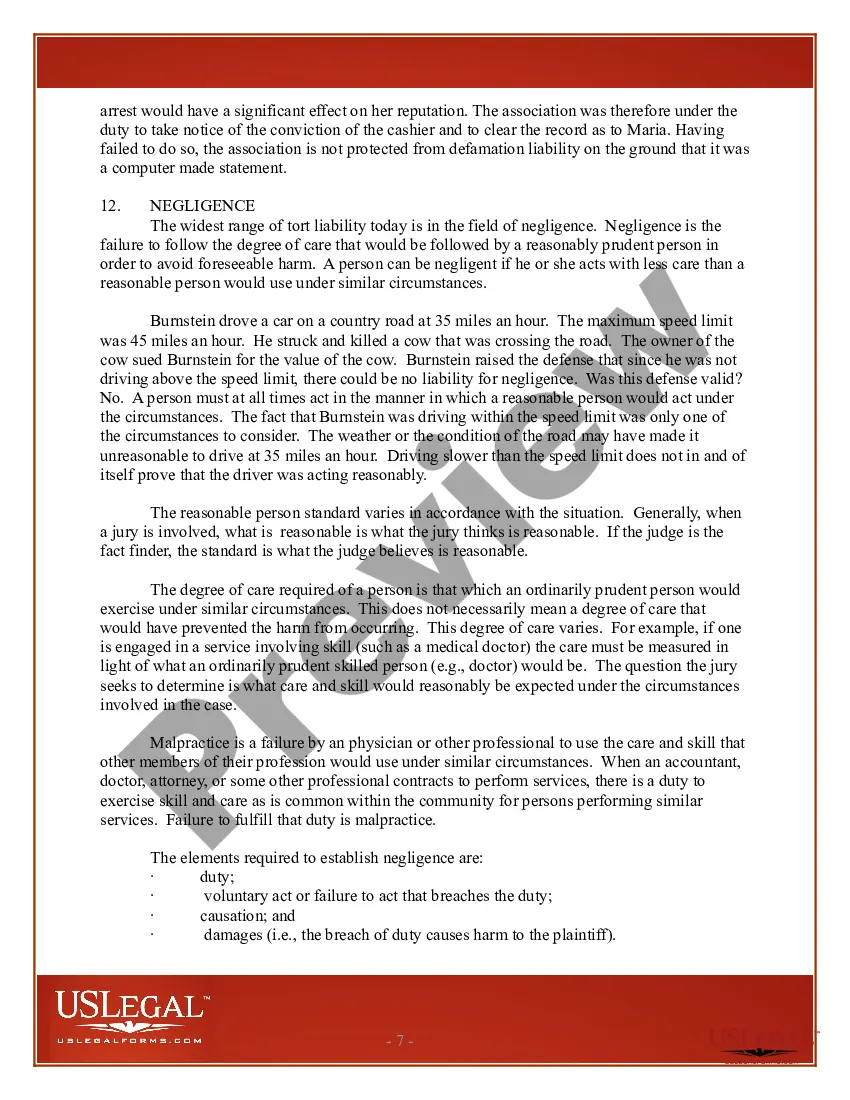
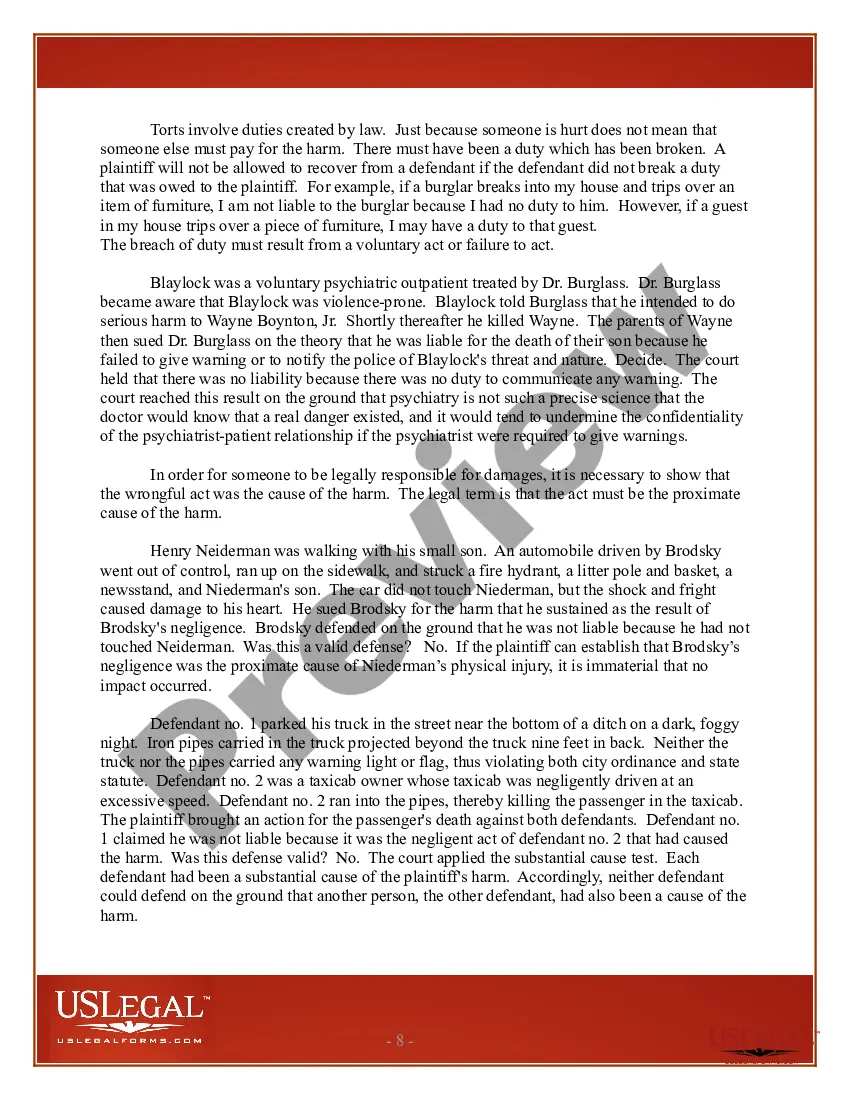
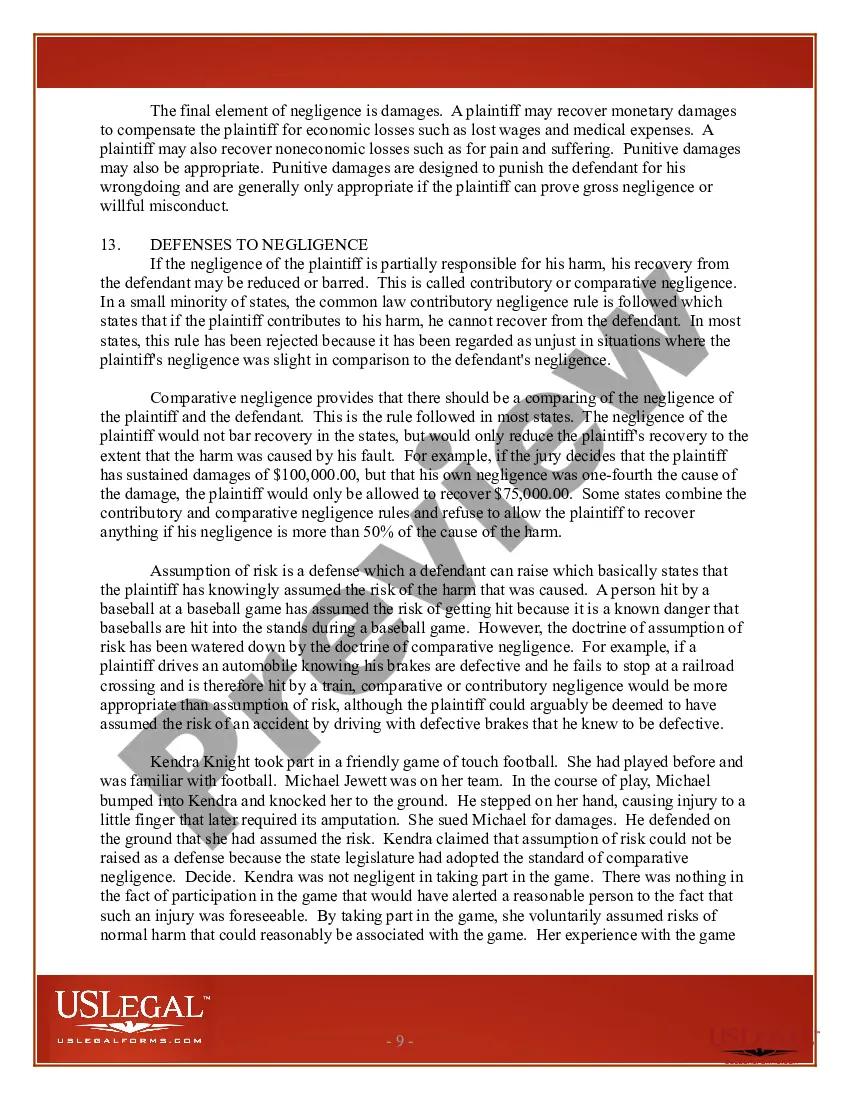
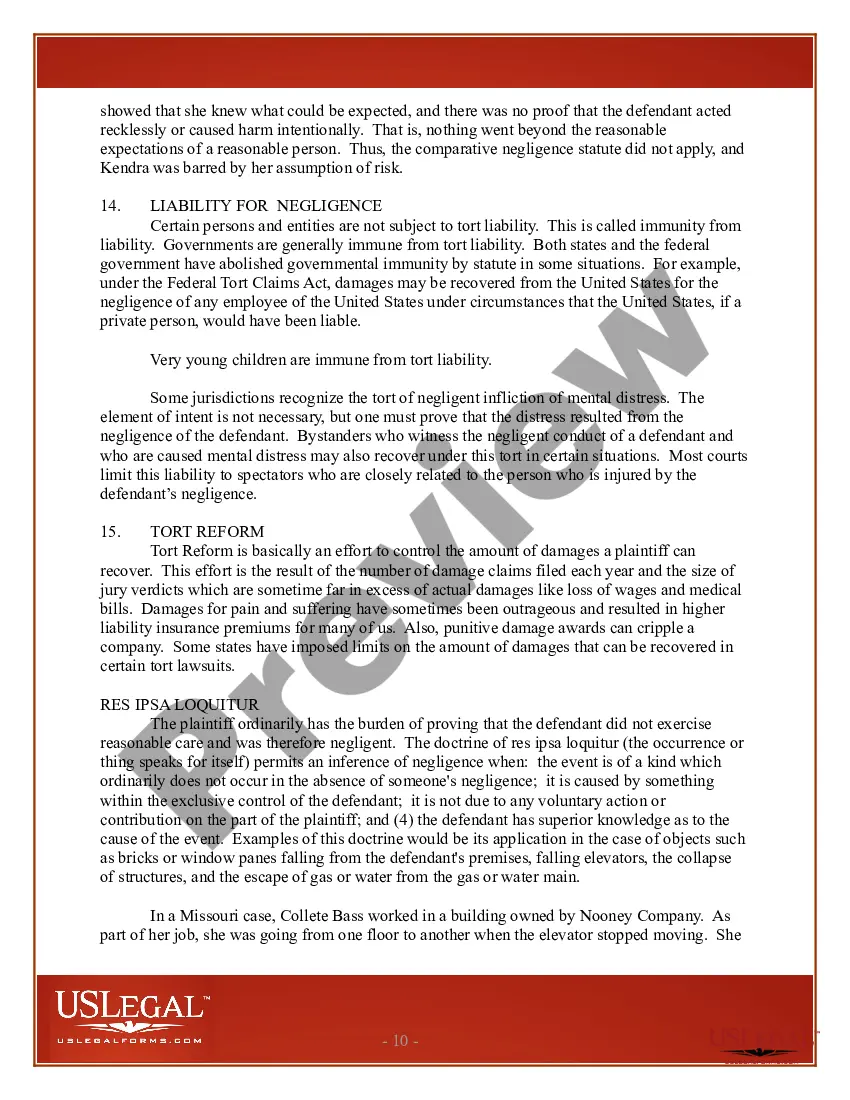



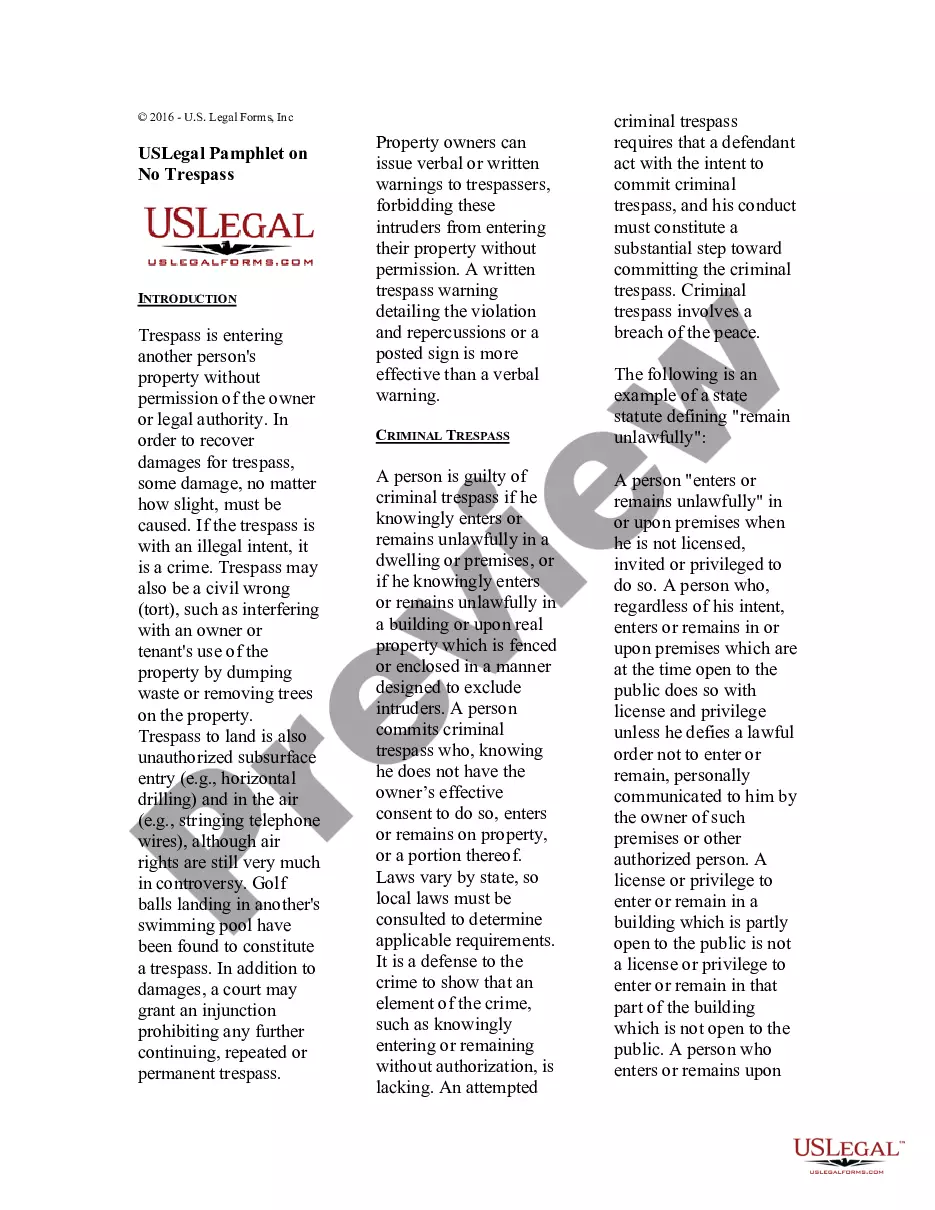
Get your form ready online
Our built-in tools help you complete, sign, share, and store your documents in one place.
Make edits, fill in missing information, and update formatting in US Legal Forms—just like you would in MS Word.
Download a copy, print it, send it by email, or mail it via USPS—whatever works best for your next step.
Sign and collect signatures with our SignNow integration. Send to multiple recipients, set reminders, and more. Go Premium to unlock E-Sign.
If this form requires notarization, complete it online through a secure video call—no need to meet a notary in person or wait for an appointment.
We protect your documents and personal data by following strict security and privacy standards.

Make edits, fill in missing information, and update formatting in US Legal Forms—just like you would in MS Word.

Download a copy, print it, send it by email, or mail it via USPS—whatever works best for your next step.

Sign and collect signatures with our SignNow integration. Send to multiple recipients, set reminders, and more. Go Premium to unlock E-Sign.

If this form requires notarization, complete it online through a secure video call—no need to meet a notary in person or wait for an appointment.

We protect your documents and personal data by following strict security and privacy standards.
Looking for another form?




Form popularity
FAQ
In claims of negligently inflicted psychiatric illness, the plaintiff's reaction to a traumatic event is usually measured against a standard of normal susceptibility and disposition. This measurement is used to determine the question of whether the defendant should have reasonably foreseen the plaintiff's injury.
As with physical pain and suffering, courts may use a multiplier method to calculate emotional distress damages. This involves multiplying the plaintiff's economic damages (such as medical bills) by a number, usually between 1.5 and 5, depending on the severity of the distress.
In its 1968 decision of Dillon . Legg, the California Supreme Court rejected the majority rule and permitted a bystander who had not been in the zone of physical danger to be compensated for negligent infliction of mental distress.
California law allows you to recover damages for the negligent infliction of emotional distress (abbreviated NIED). This is not an independent cause of action. Rather, it is a basis for damages in a negligence claim.
“Only direct victims can claim emotional distress.” California law allows you to file for emotional distress even if you are not a direct victim. For example, a close family member who witnesses a traumatic event may be eligible to file an emotional distress claim.
Overview. Intentional infliction of emotional distress (IIED) is a tort that occurs when one acts in a manner that intentionally or recklessly causes another to suffer severe emotional distress, such as issuing the threat of future harm.
Examples of clinical negligence include: If you're diagnosed incorrectly, or there's a delay in diagnosing you. If you're put on medication for an inappropriately long amount of time. If a doctor fails to consider physical causes for your psychiatric symptoms.
Negligent actions by government agencies or employees that lead to emotional distress can also form the basis for a lawsuit. For example, if a government agency fails to provide adequate security measures, resulting in a traumatic event and subsequent emotional distress, a claim may be viable.
The Court again outlined the elements required to allege negligent infliction of emotional distress: (1) the plaintiff must suffer a physical injury; (2) the plaintiff's physical injury must be caused by the psychological trauma ; (3) the plaintiff must be involved in some way in the event which caused the negligent ...
Tort liability is predicated on the existence of proximate cause, which consists of both: (1) causation in fact, and (2) foreseeability. A plaintiff must prove that his or her injuries were the actual or factual result of the defendant's actions.
