State Bar Association In Texas In Wake
Description

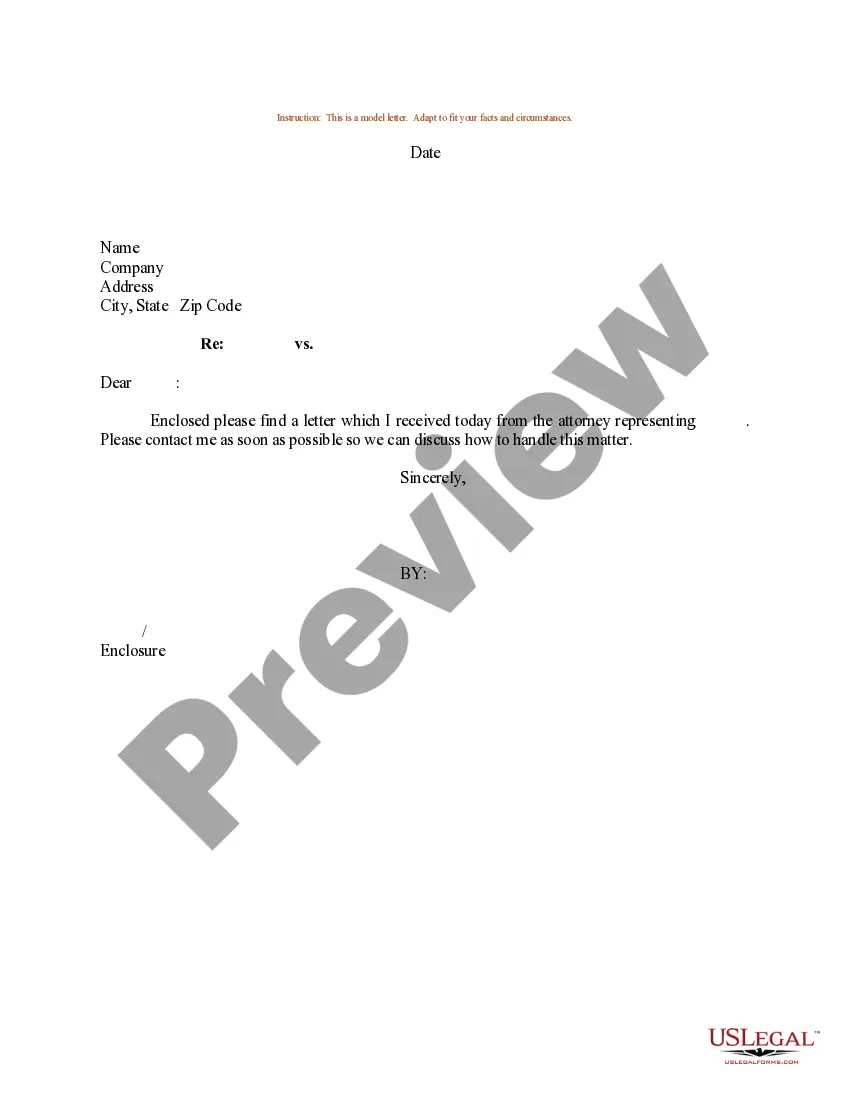
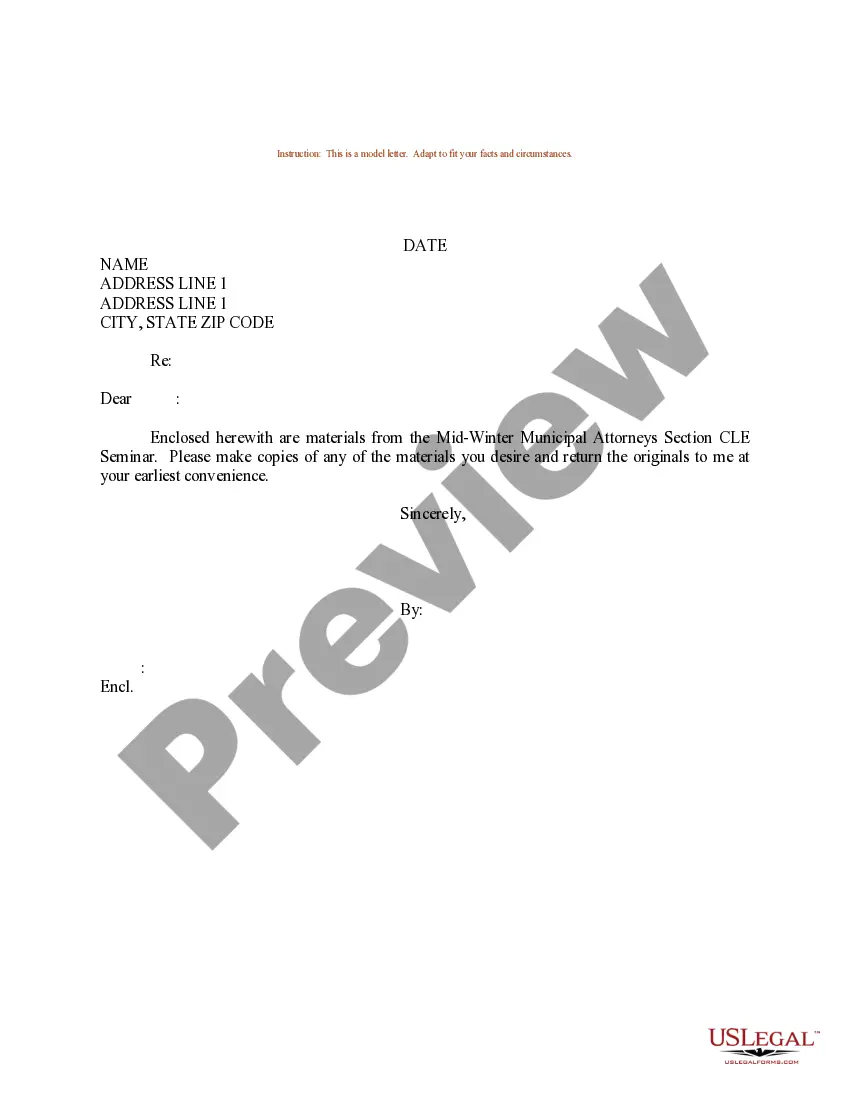

Get your form ready online
Our built-in tools help you complete, sign, share, and store your documents in one place.
Make edits, fill in missing information, and update formatting in US Legal Forms—just like you would in MS Word.
Download a copy, print it, send it by email, or mail it via USPS—whatever works best for your next step.
Sign and collect signatures with our SignNow integration. Send to multiple recipients, set reminders, and more. Go Premium to unlock E-Sign.
If this form requires notarization, complete it online through a secure video call—no need to meet a notary in person or wait for an appointment.
We protect your documents and personal data by following strict security and privacy standards.

Make edits, fill in missing information, and update formatting in US Legal Forms—just like you would in MS Word.

Download a copy, print it, send it by email, or mail it via USPS—whatever works best for your next step.

Sign and collect signatures with our SignNow integration. Send to multiple recipients, set reminders, and more. Go Premium to unlock E-Sign.

If this form requires notarization, complete it online through a secure video call—no need to meet a notary in person or wait for an appointment.

We protect your documents and personal data by following strict security and privacy standards.
Looking for another form?









Form popularity
FAQ
Can I Take the Bar Without Going To Law School In Texas? No, you can't take the bar without attending Texas law school. Currently, Texas is not one of the states that allow a person to take the bar exam without attending law school.
Other Licensing Requirements. Be certified by the Board as having present good moral character and fitness. Score 85 or higher on the MPRE. Satisfy the requirements of Rule 2(a)(5). Complete the Texas Law Course. Be willing to take the required Oath.
STATE BAR STAFF CONTACTS Telephone (800) 204-2222 or (512) 427-1463 and the extension number, as noted for each department, unless another telephone number is given.
With 95,437 active members, the State Bar of Texas is one of the largest state bars in the United States. Unlike the American Bar Association (ABA), the State Bar of Texas (SBOT) is a mandatory bar.
You can take the bar exam five times in Texas. Note that ing to Texas's Board of Law Examiners, if you sit for any part of the exam, it counts as one of your attempts. If you need to retake the bar exam more than five times, Texas is a state that allows you to take the bar exam again with special permission.
In California, qualified applicants can take the bar exam without going to law school. Most law schools require a college degree, but some may only ask for equivalent course work, and some law schools focus on your legal interest and life experiences and not on your grades or LSAT scores.
As indicated by the Texas Board of Law Examiners, attending an ABA-accredited law school in the United States is mandatory if you wish to gain admission to the bar.
California is one of the few states that allows aspiring lawyers to take the bar exam without going to law school. They can do this by instead completing a four-year law office study program to become a legal professional. However, this path is not an easy alternative to skipping law school that many may think it is.
Attorney Status Questions about attorneys and their status can be found on the State Bar of Texas website, .texasbar.
The process is called Texas Admission Without Examination. Attorneys must have been actively and substantially engaged in the practice of law in any state, or elsewhere, as his or her principal business or occupation for at least five of the past seven years immediately preceding the filing of the application.

