Texas State Bar Forms Real Estate In Pima
Description
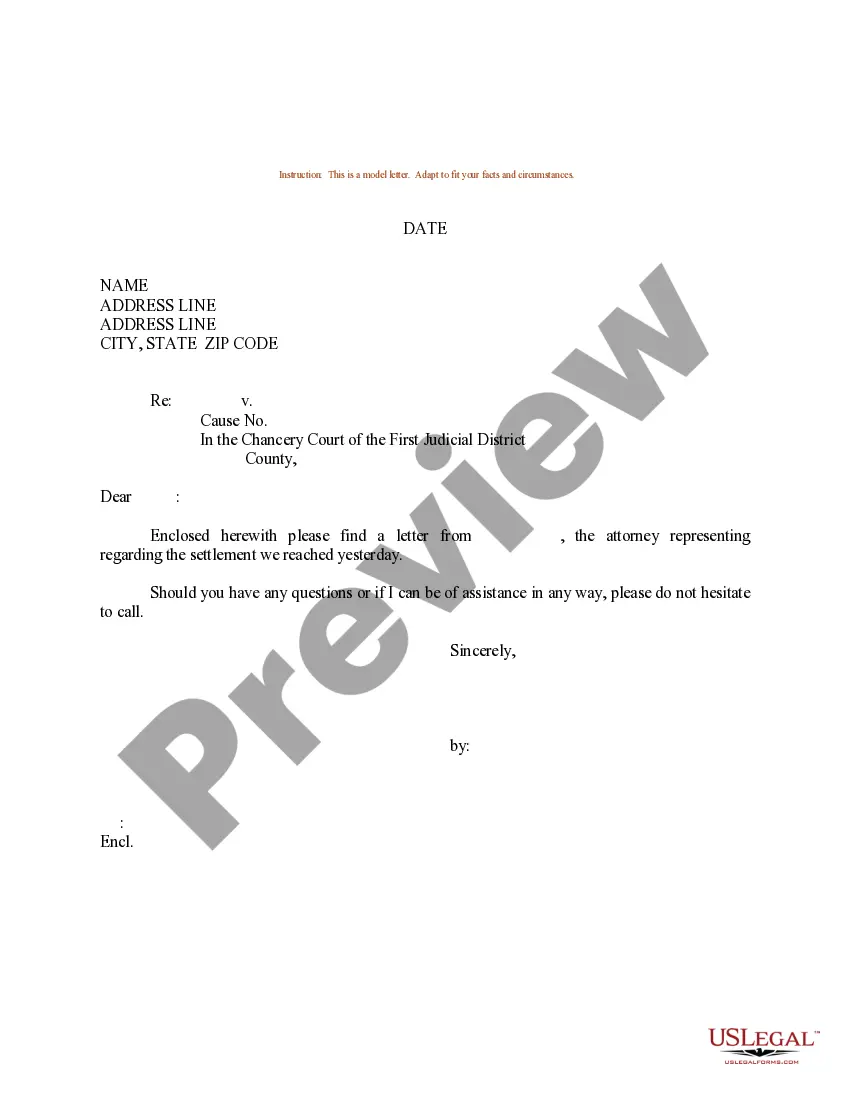
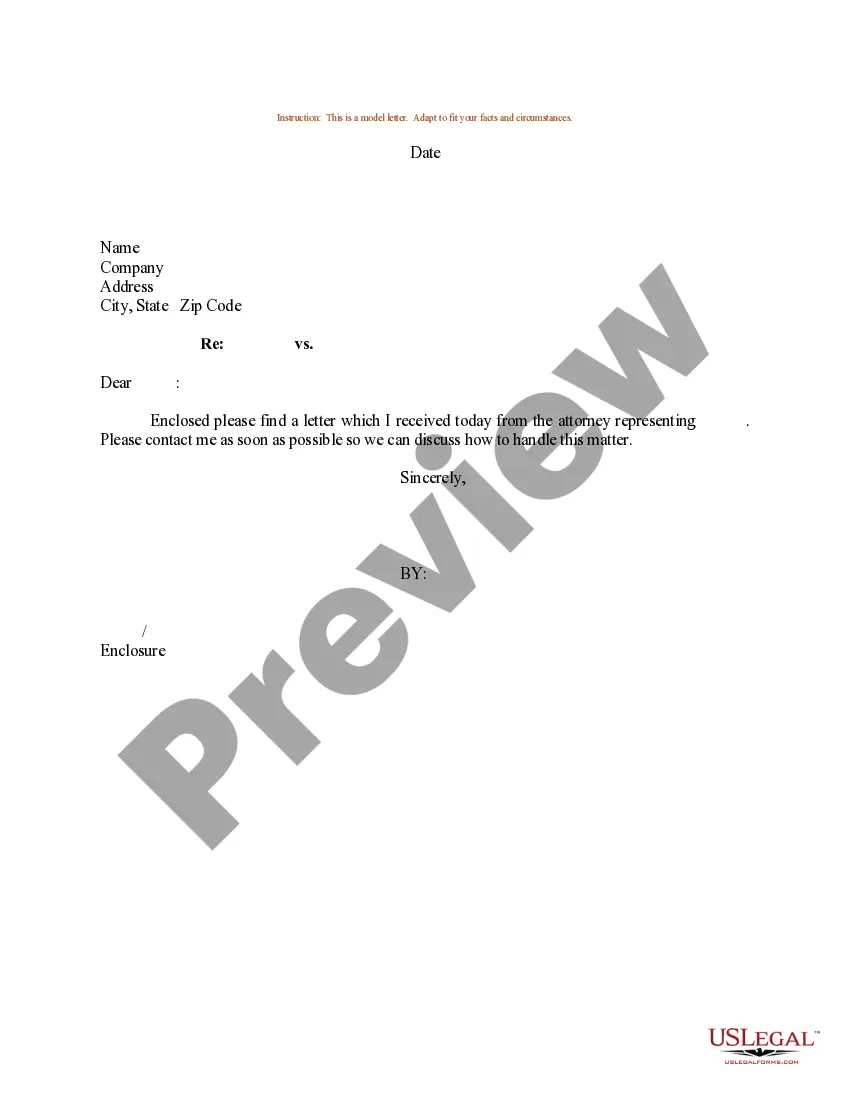
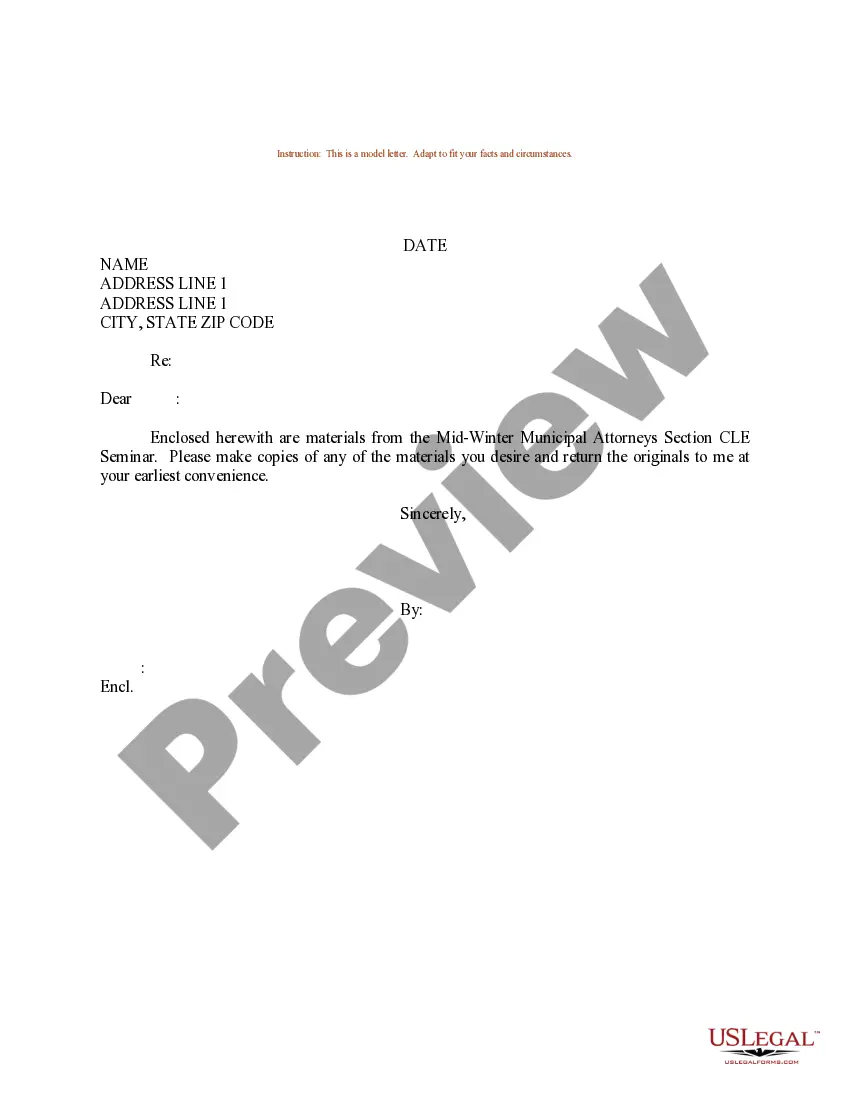
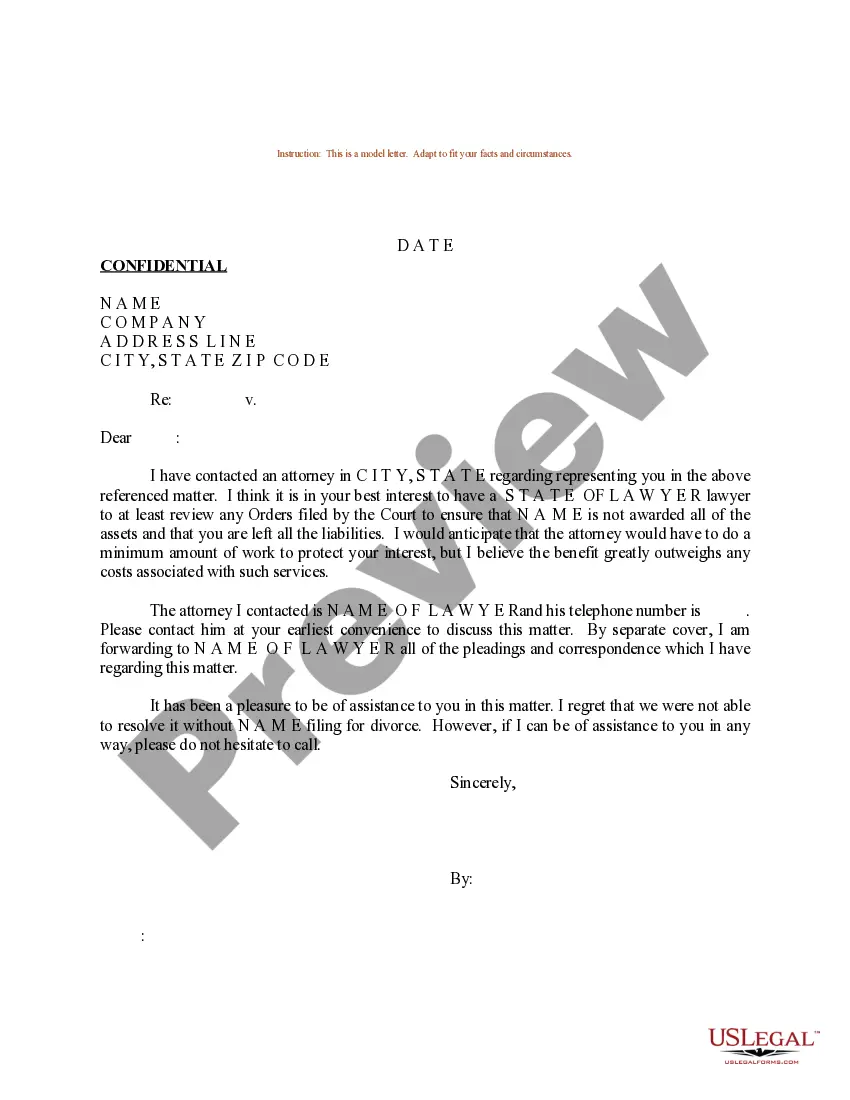
Get your form ready online
Our built-in tools help you complete, sign, share, and store your documents in one place.
Make edits, fill in missing information, and update formatting in US Legal Forms—just like you would in MS Word.
Download a copy, print it, send it by email, or mail it via USPS—whatever works best for your next step.
Sign and collect signatures with our SignNow integration. Send to multiple recipients, set reminders, and more. Go Premium to unlock E-Sign.
If this form requires notarization, complete it online through a secure video call—no need to meet a notary in person or wait for an appointment.
We protect your documents and personal data by following strict security and privacy standards.

Make edits, fill in missing information, and update formatting in US Legal Forms—just like you would in MS Word.

Download a copy, print it, send it by email, or mail it via USPS—whatever works best for your next step.

Sign and collect signatures with our SignNow integration. Send to multiple recipients, set reminders, and more. Go Premium to unlock E-Sign.

If this form requires notarization, complete it online through a secure video call—no need to meet a notary in person or wait for an appointment.

We protect your documents and personal data by following strict security and privacy standards.
Looking for another form?









Form popularity
FAQ
Unlike the American Bar Association (ABA), the State Bar of Texas (SBOT) is a mandatory bar.
Although you aren't required to use a residential real estate attorney when buying, selling, or building a home, the law surrounding the process is complicated and it is often wise to at least consult with a lawyer to make sure you're informed about potential issues and roadblocks.
Unlike in some states, Texas does not require that sellers involve a lawyer in the house-selling transaction. Even if it's not required, you might decide to engage a lawyer at some point, particularly if a legal issue or dispute with the buyers arises.
Three attorneys appointed by the president of the State Bar; One non-attorney public member appointed by the president of the State Bar; Four attorneys appointed by the Supreme Court; and. One non-attorney public member appointed by the Supreme Court.
The closing of a real estate transaction involves many moving parts, from the needs of different parties such as the bank and the seller, to review of the title and deed. There is no legal requirement to have an attorney at closing.
Attorney Cost for Real Estate Litigation Attorney fees for real estate litigation generally range from $150 to $400 per hour.
To initially earn your real estate license in Texas, you must: Be at least 18 years old. Complete the 180 hours of approved real estate education. Pass the Texas Real Estate Sales Agent Examination. Submit a background check and fingerprints to the Texas Real Estate Commission.
Other Licensing Requirements. Be certified by the Board as having present good moral character and fitness. Score 85 or higher on the MPRE. Satisfy the requirements of Rule 2(a)(5). Complete the Texas Law Course. Be willing to take the required Oath.
Many district courts require an attorney to be admitted to practice before the state courts of the state in which the federal court sits. NEW YORK: Has reciprocity with the following states: AK, CO, DC, GA, IL, IN, IA, KY, MA, MI, MN, MO, NE, NH, NC, ND, OH, OK, PA, TN, TX, UT, VA, WA, WV, WI, WY.
After graduating from a law school approved by the American Bar Association with a doctor of jurisprudence degree, candidates must then take the bar examination – a comprehensive test of knowledge in many areas of law. After passing this test, the person is licensed to practice law.

