Example Of Formal Letter Template In Philadelphia
Description

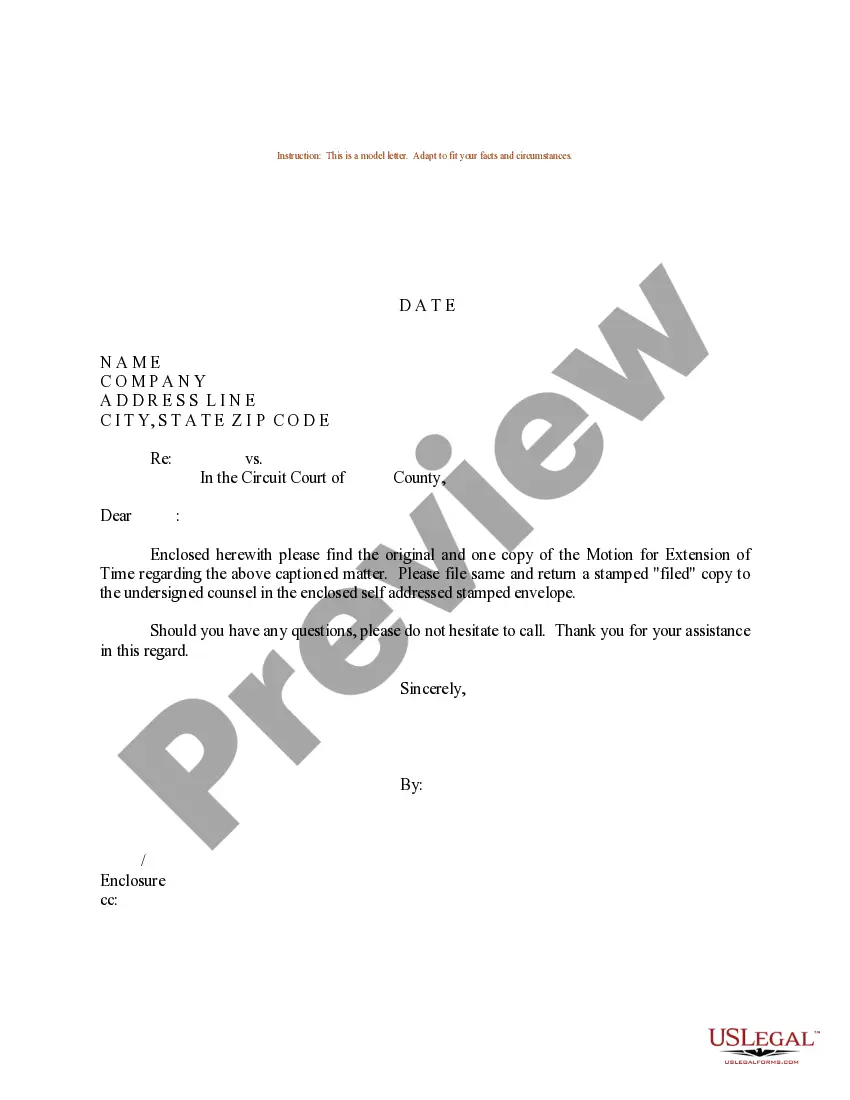
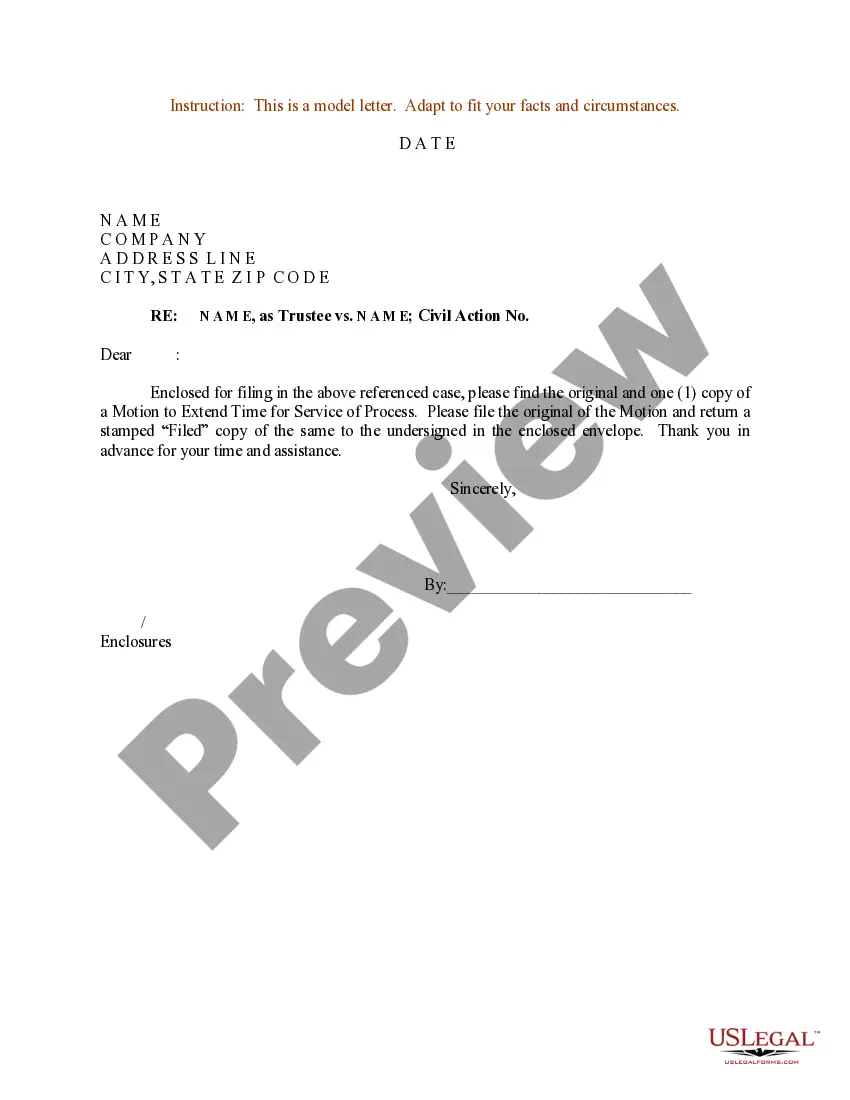
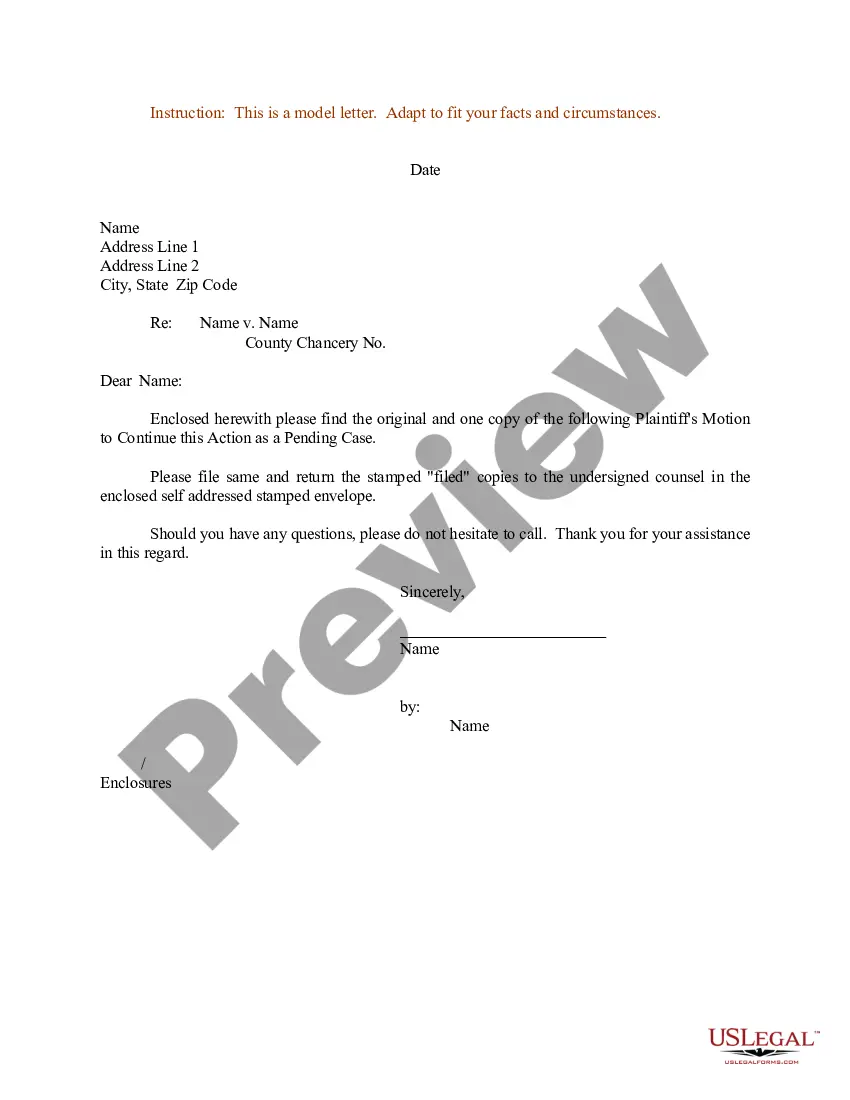
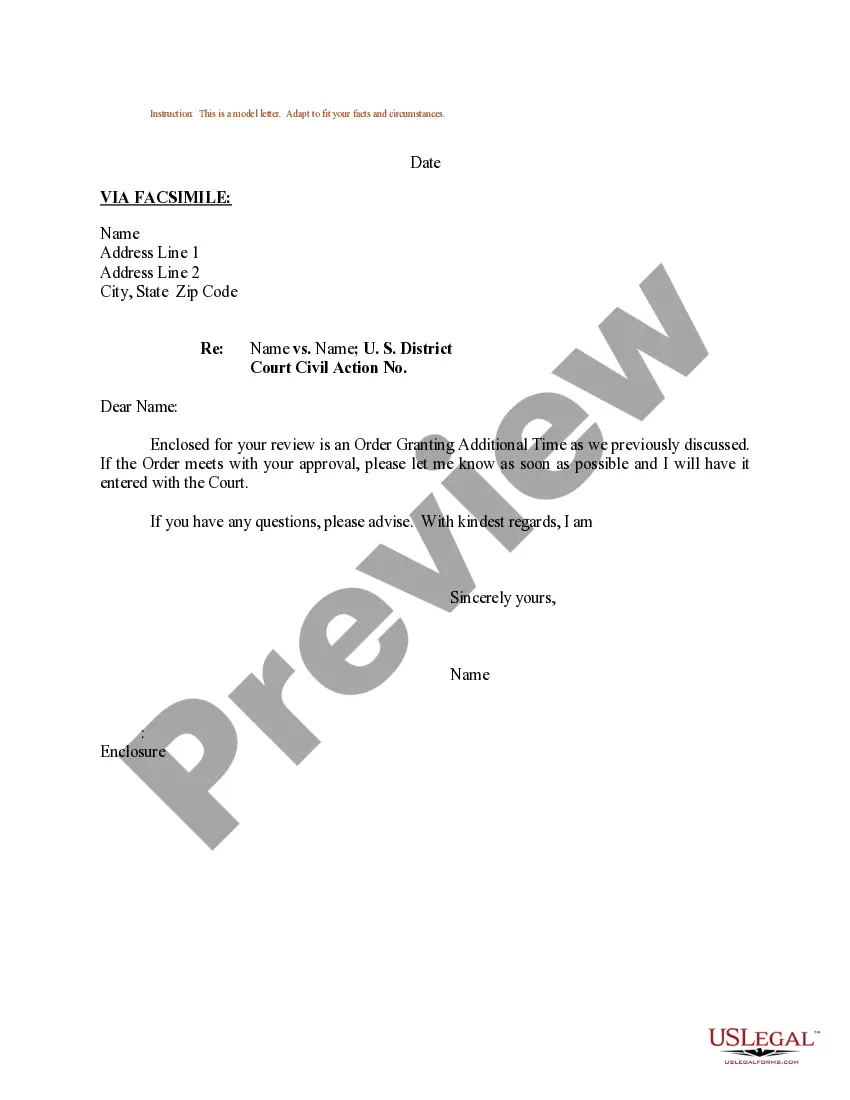
Get your form ready online
Our built-in tools help you complete, sign, share, and store your documents in one place.
Make edits, fill in missing information, and update formatting in US Legal Forms—just like you would in MS Word.
Download a copy, print it, send it by email, or mail it via USPS—whatever works best for your next step.
Sign and collect signatures with our SignNow integration. Send to multiple recipients, set reminders, and more. Go Premium to unlock E-Sign.
If this form requires notarization, complete it online through a secure video call—no need to meet a notary in person or wait for an appointment.
We protect your documents and personal data by following strict security and privacy standards.

Make edits, fill in missing information, and update formatting in US Legal Forms—just like you would in MS Word.

Download a copy, print it, send it by email, or mail it via USPS—whatever works best for your next step.

Sign and collect signatures with our SignNow integration. Send to multiple recipients, set reminders, and more. Go Premium to unlock E-Sign.

If this form requires notarization, complete it online through a secure video call—no need to meet a notary in person or wait for an appointment.

We protect your documents and personal data by following strict security and privacy standards.
Looking for another form?



Form popularity
FAQ
Letter to Government Writing Tips The authority should be addressed properly in a formal way. The problem/ issue should be mentioned clearly and precisely. A request should be made for the required action to be taken. Proper format should be followed.
How to write a formal letter Write your name and contact information. Include the date. Include the recipient's name and contact information. Write a subject line for AMS style. Write a salutation for block style. Write the body of the letter. Include a sign-off. Proofread your letter.
Things You Should Know Address your letter with the official's title, full name, and address. Then, make sure to include your name and a stamp in left and right corners respectively. Ask for something actionable and realistic. Keep your letter formal and appropriate.
If you are writing to an elected official, show respect for the position by using the title of the office, and the official's full name. In any other letter, use the familiar term "Dear," the title Mr., Mrs., Ms., Miss, or Dr., and the official's full name.
2 Use the proper format and layout You should use a letterhead with your name, address, phone number, and email. You should also include the date, the recipient's name and title, the agency's name and address, and a salutation. The body of the letter should be single-spaced, with a double space between paragraphs.
For example, 'Dear Minister', 'Dear Home Secretary', 'Dear Lord Chancellor', 'Dear Under-Secretary' and so forth. If the appointment in question is particularly long-winded, it's better to use their name. 'Yours sincerely' is the sign-off.
First Paragraph—state the purpose of the letter in a direct manner. E.g. “I am writing to…” Second Paragraph—Fill in and explain the necessary background information, leaving out anything that is unnecessary. Stick to the facts. Third Paragraph—Give your call to action.
Format of a Formal Letter Sender's address: This should be your full name and address, including your city, state, and zip code. Date: The date should be written in the following format: month day, year. Recipient's address: This is the full name and address of the person you are writing to.
Most business letters must include a return address (letterhead or your name and address), date, an inside address (receiver's name and address), a salutation, body paragraphs, and a closing.

