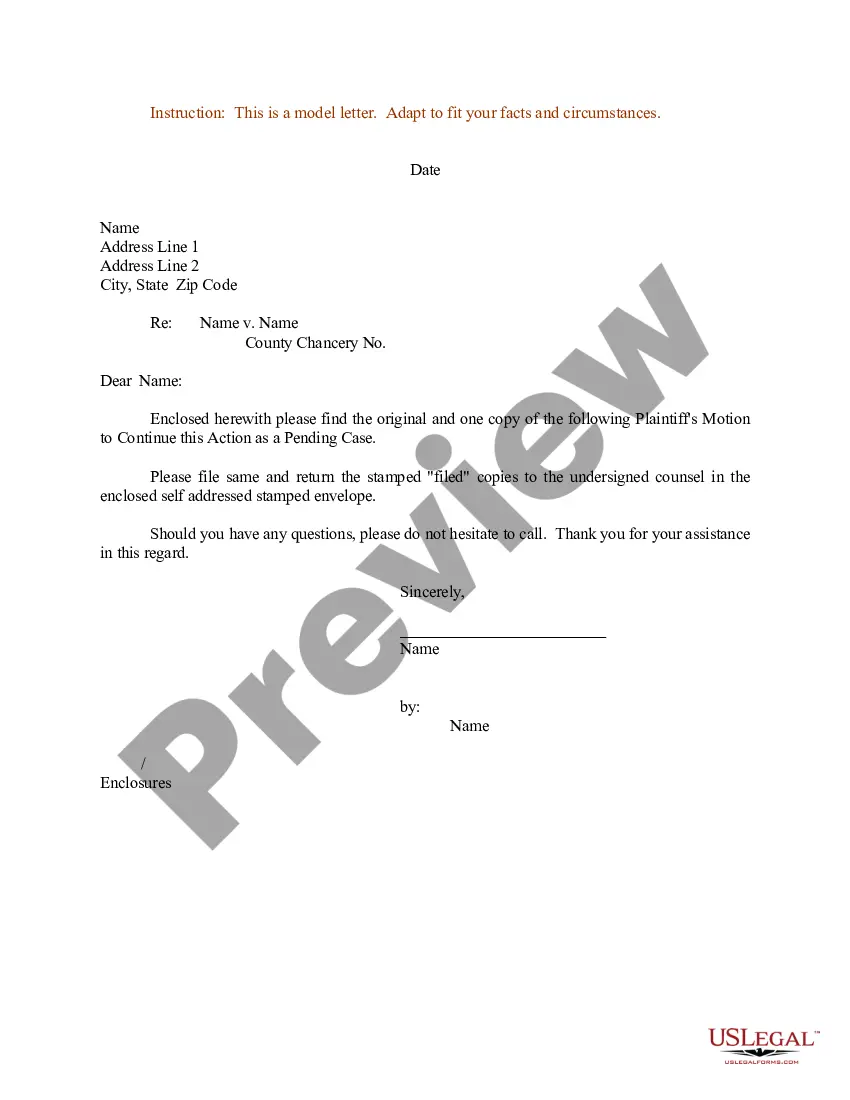
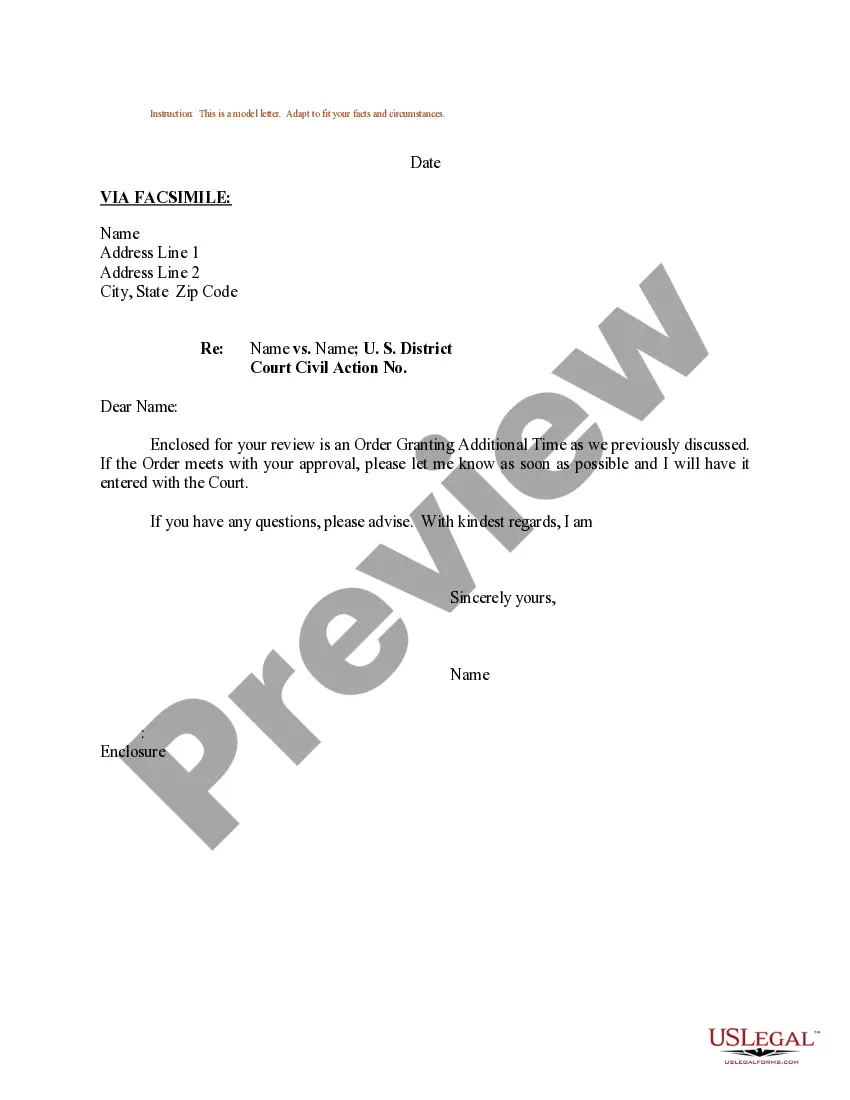
Example Of Formal Letter Template In Pennsylvania
Description



Get your form ready online
Our built-in tools help you complete, sign, share, and store your documents in one place.
Make edits, fill in missing information, and update formatting in US Legal Forms—just like you would in MS Word.
Download a copy, print it, send it by email, or mail it via USPS—whatever works best for your next step.
Sign and collect signatures with our SignNow integration. Send to multiple recipients, set reminders, and more. Go Premium to unlock E-Sign.
If this form requires notarization, complete it online through a secure video call—no need to meet a notary in person or wait for an appointment.
We protect your documents and personal data by following strict security and privacy standards.

Make edits, fill in missing information, and update formatting in US Legal Forms—just like you would in MS Word.

Download a copy, print it, send it by email, or mail it via USPS—whatever works best for your next step.

Sign and collect signatures with our SignNow integration. Send to multiple recipients, set reminders, and more. Go Premium to unlock E-Sign.

If this form requires notarization, complete it online through a secure video call—no need to meet a notary in person or wait for an appointment.

We protect your documents and personal data by following strict security and privacy standards.
Looking for another form?








Form popularity
FAQ
How to write an official letter Set up your font and margins. Create your heading. Write your salutation. Use your body paragraphs to state your reasons for writing. Add your closing body paragraph and signature. Mention and add your enclosures. Proofread and send your letter.
Most business letters must include a return address (letterhead or your name and address), date, an inside address (receiver's name and address), a salutation, body paragraphs, and a closing.
The sections of a legal business letter are: Sender's address (if not included in the letterhead) Date of correspondence. Recipient's address. Caption (RE: Topic of the correspondence) Salutation. Introduction. Body of letter (Limited to two or three points, each in its own paragraph) Closing.
The layout of a business letter is normally block or modified block format. In block format, the entire letter is left-justified. In modified block format, the date, closing, and signature are centered, while the rest of the letter is left-justified.
Some formal letter examples include: Cover letter. Offer acceptance letter. Professional thank you letter.
When writing a letter using simplified style form, put the date on the left. Then, put the receiver's name, and his/her title, company name, and address. Write a subject line instead of a salutation. The subject line must be in all capital letters.
In order to write such a letter, follow the basic guidelines outlined here: Use block format – left justified. Single space. Use Times New Roman 12 font. Type your address first. Space down one line. Type the date. Space down one line. Type the recipient's name and address.
First Paragraph—state the purpose of the letter in a direct manner. E.g. “I am writing to…” Second Paragraph—Fill in and explain the necessary background information, leaving out anything that is unnecessary. Stick to the facts. Third Paragraph—Give your call to action.
Things You Should Know Address your letter with the official's title, full name, and address. Then, make sure to include your name and a stamp in left and right corners respectively. Ask for something actionable and realistic. Keep your letter formal and appropriate.

