Ca State Bar Rules Of Professional Conduct In Massachusetts
Description
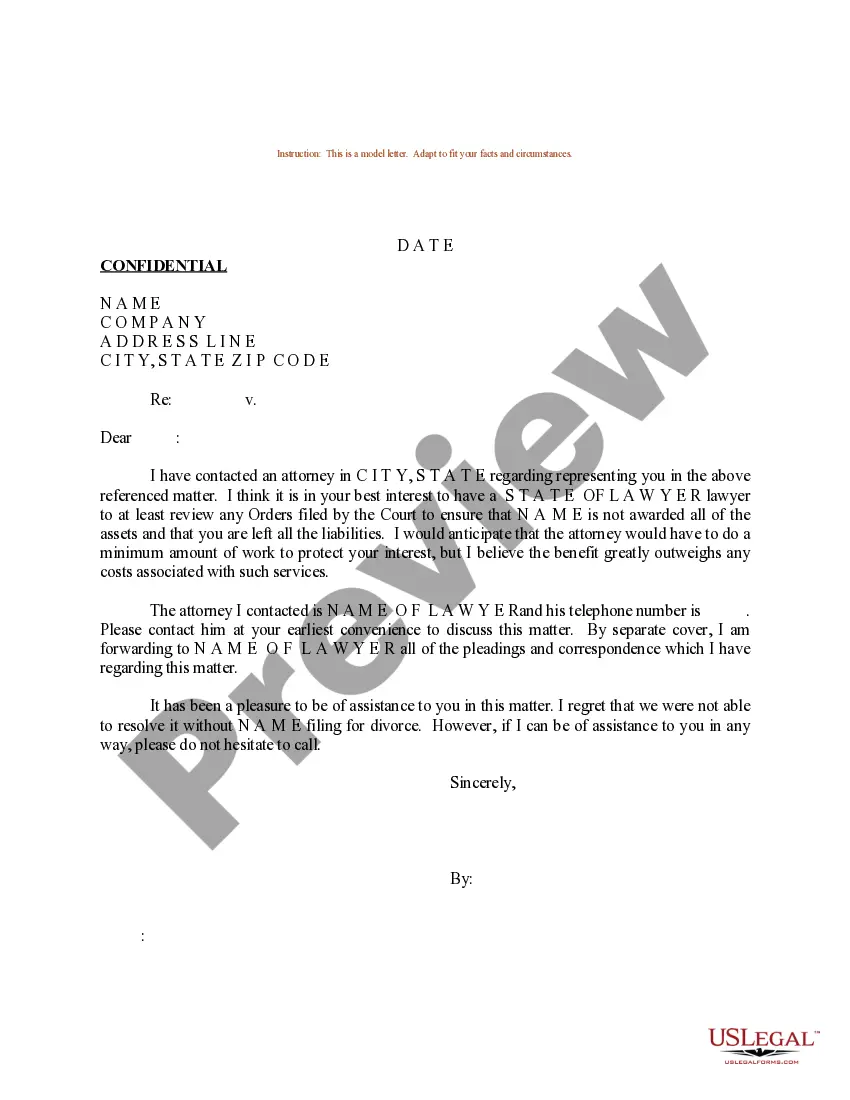
Get your form ready online
Our built-in tools help you complete, sign, share, and store your documents in one place.
Make edits, fill in missing information, and update formatting in US Legal Forms—just like you would in MS Word.
Download a copy, print it, send it by email, or mail it via USPS—whatever works best for your next step.
Sign and collect signatures with our SignNow integration. Send to multiple recipients, set reminders, and more. Go Premium to unlock E-Sign.
If this form requires notarization, complete it online through a secure video call—no need to meet a notary in person or wait for an appointment.
We protect your documents and personal data by following strict security and privacy standards.

Make edits, fill in missing information, and update formatting in US Legal Forms—just like you would in MS Word.

Download a copy, print it, send it by email, or mail it via USPS—whatever works best for your next step.

Sign and collect signatures with our SignNow integration. Send to multiple recipients, set reminders, and more. Go Premium to unlock E-Sign.

If this form requires notarization, complete it online through a secure video call—no need to meet a notary in person or wait for an appointment.

We protect your documents and personal data by following strict security and privacy standards.
Looking for another form?
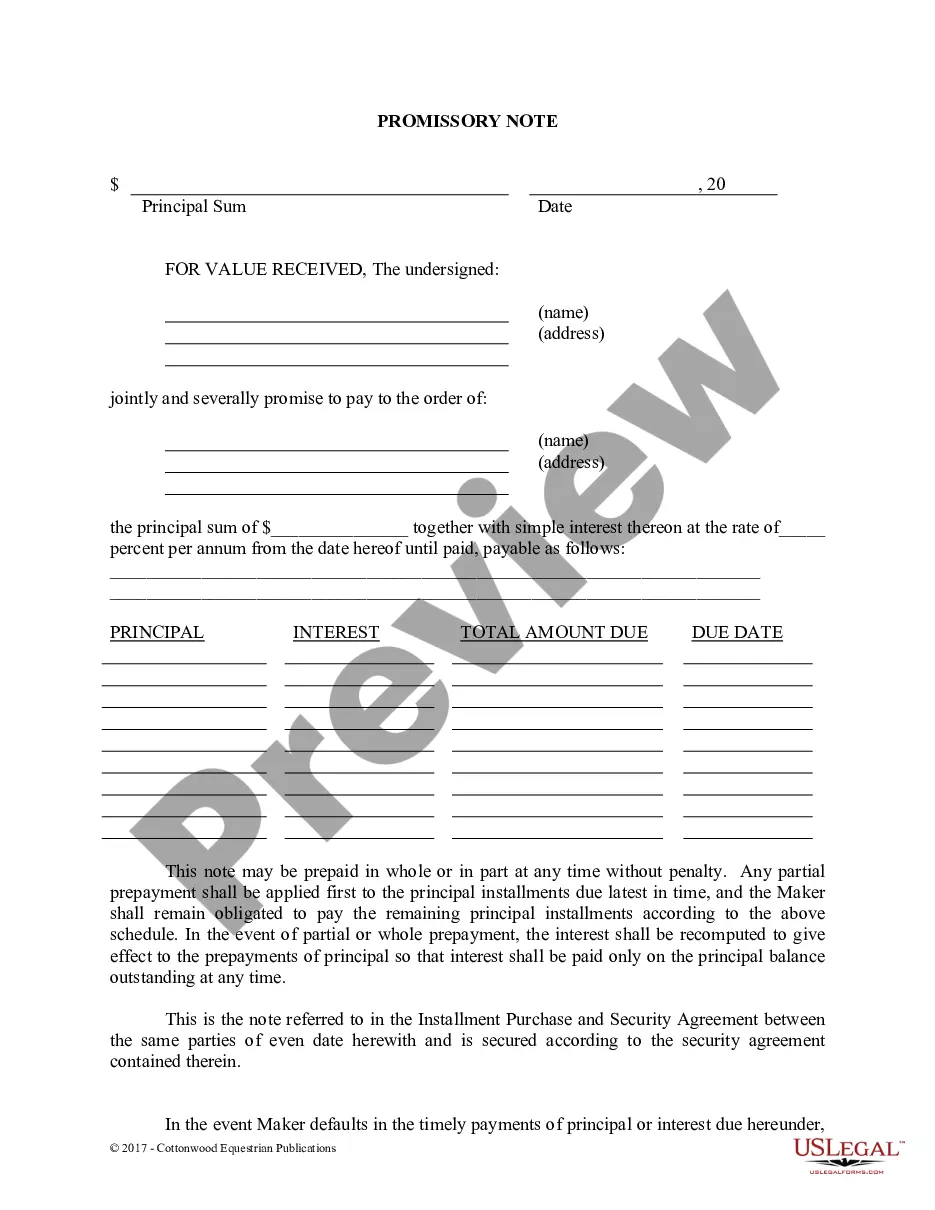
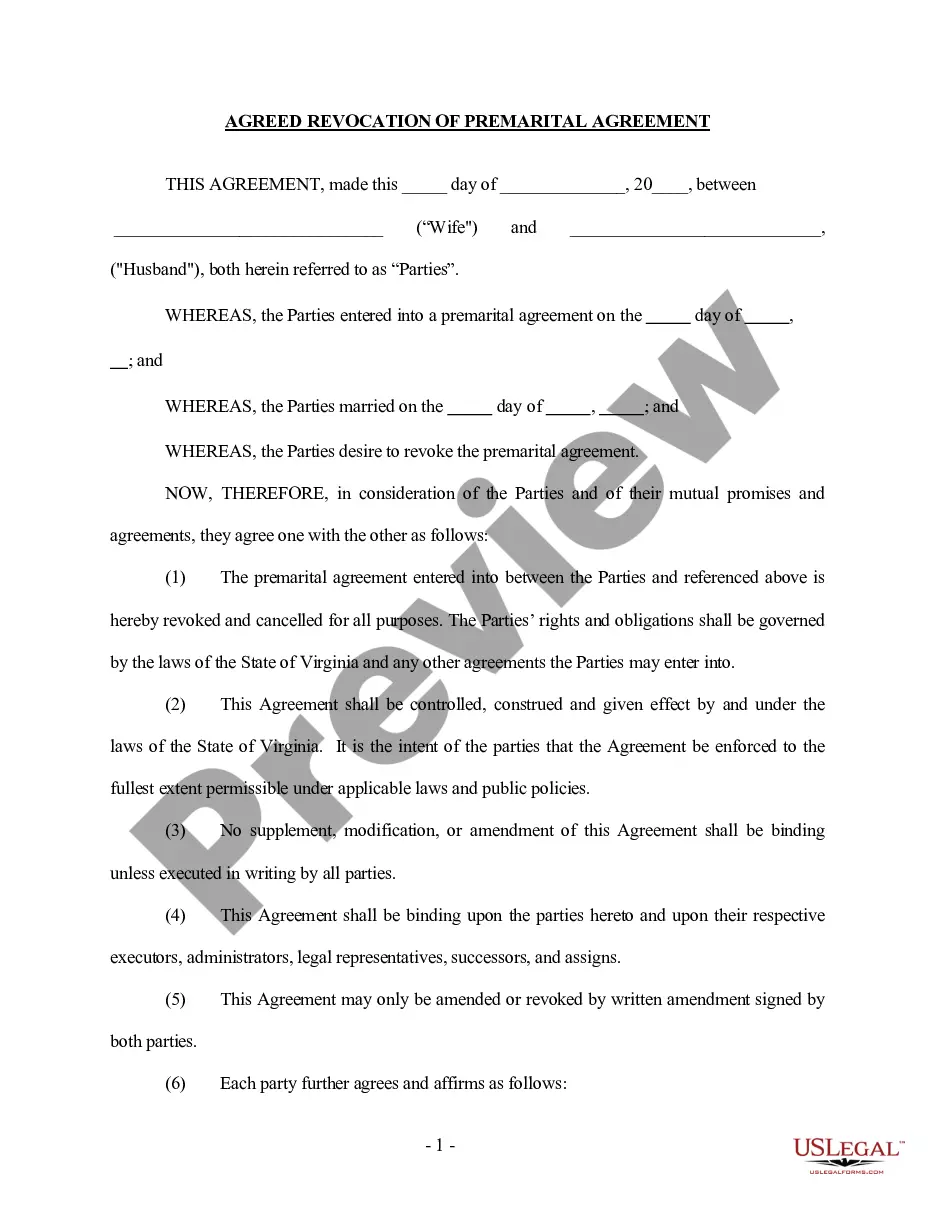


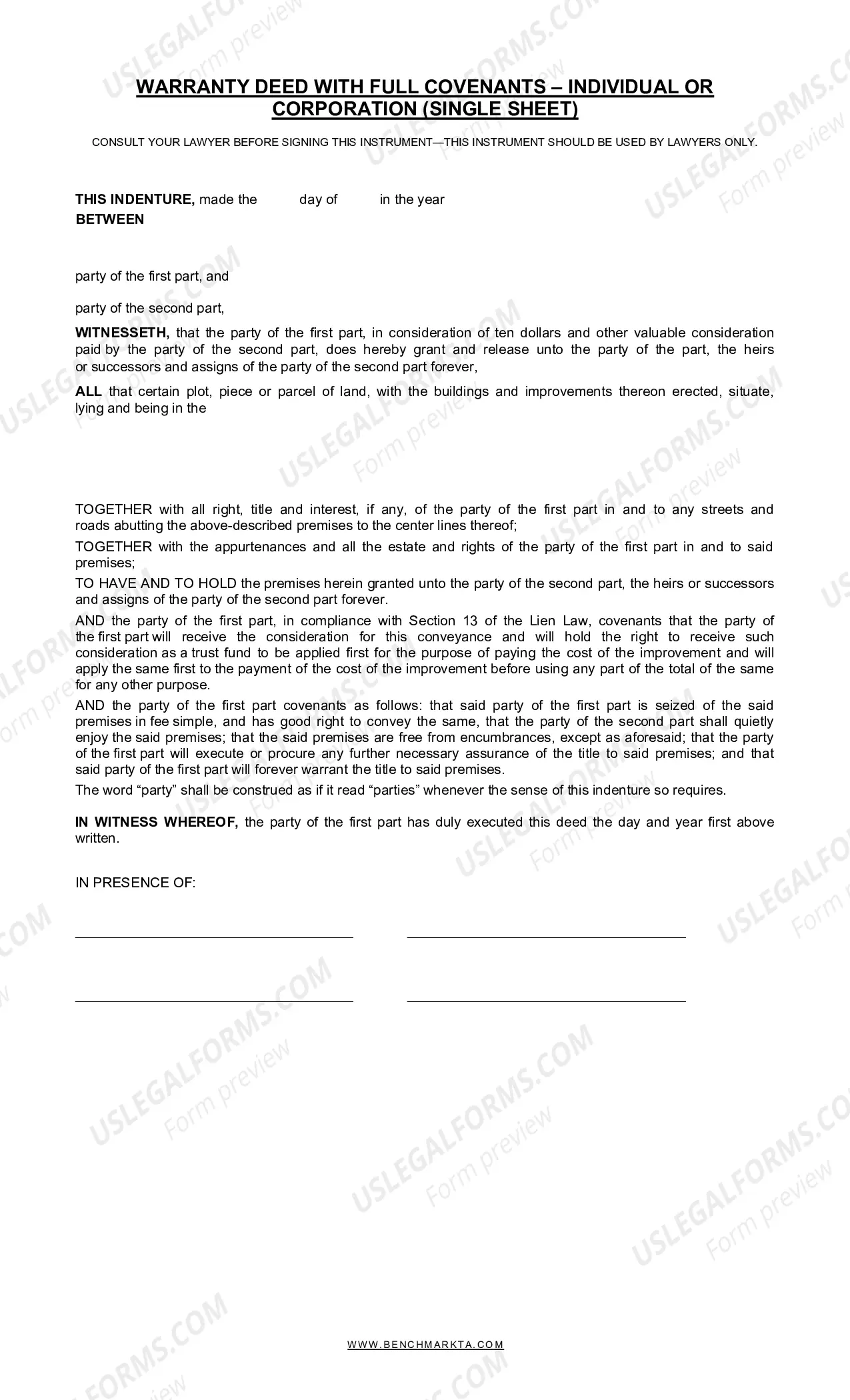

Form popularity
FAQ
California Bar Examination Please note that the State Bar does not offer reciprocity or accept bar exam scores from another jurisdiction.
They have been adopted by the Board of Trustees and approved by the California Supreme Court pursuant to statute to protect the public and to promote respect and confidence in the legal profession.
Although there is apparent widespread misconception, the ABA Model Code of Professional Responsibility, (ABA code) like sister state rules and court opinions, is not binding in California although it may be persuasive in those instances where there is no controlling rule of professional conduct, statute or Court ruling ...
All fifty states and the District of Columbia have adopted legal ethics rules based at least in part on the MRPC.
A lawyer shall not bring, continue, or defend a proceeding, or assert or controvert an issue therein, unless there is a basis in law and fact for doing so that is not frivolous, which includes a good faith argument for an extension, modification or reversal of existing law.
In representing a client, a lawyer shall not communicate about the subject of the representation with a person the lawyer knows to be represented by another lawyer in the matter, unless the lawyer has the consent of the other lawyer or is authorized to do so by law or a court order.
Previously, as the only state not to adopt some version of the American Bar Association's Model Rule 8.3, California has now finally joined the rest of the nation. California's new Rule of Professional Conduct 8.3, which goes into effect August 1, 2023, establishes a duty to report the misconduct of other lawyers that ...
The Model Rules were adopted by the House of Delegates of the American Bar Association on August 2, 1983. At the time this edition went to press, all but eight of the jurisdictions had adopted new professional standards based on these Model Rules.
In representing a client, a lawyer shall not communicate about the subject of the representation with a person the lawyer knows to be represented by another lawyer in the matter, unless the lawyer has the consent of the other lawyer or is authorized to do so by law or a court order.
Rule 3-100(A) sets forth the lawyer's fundamental obligation to preserve client secrets: A member shall not reveal information protected from disclosure by Business and Professions Code section 6068, subdivision (e)(1) without the informed consent of the client, or as provided in paragraph (B) of this rule.