Calbar In Franklin
Description
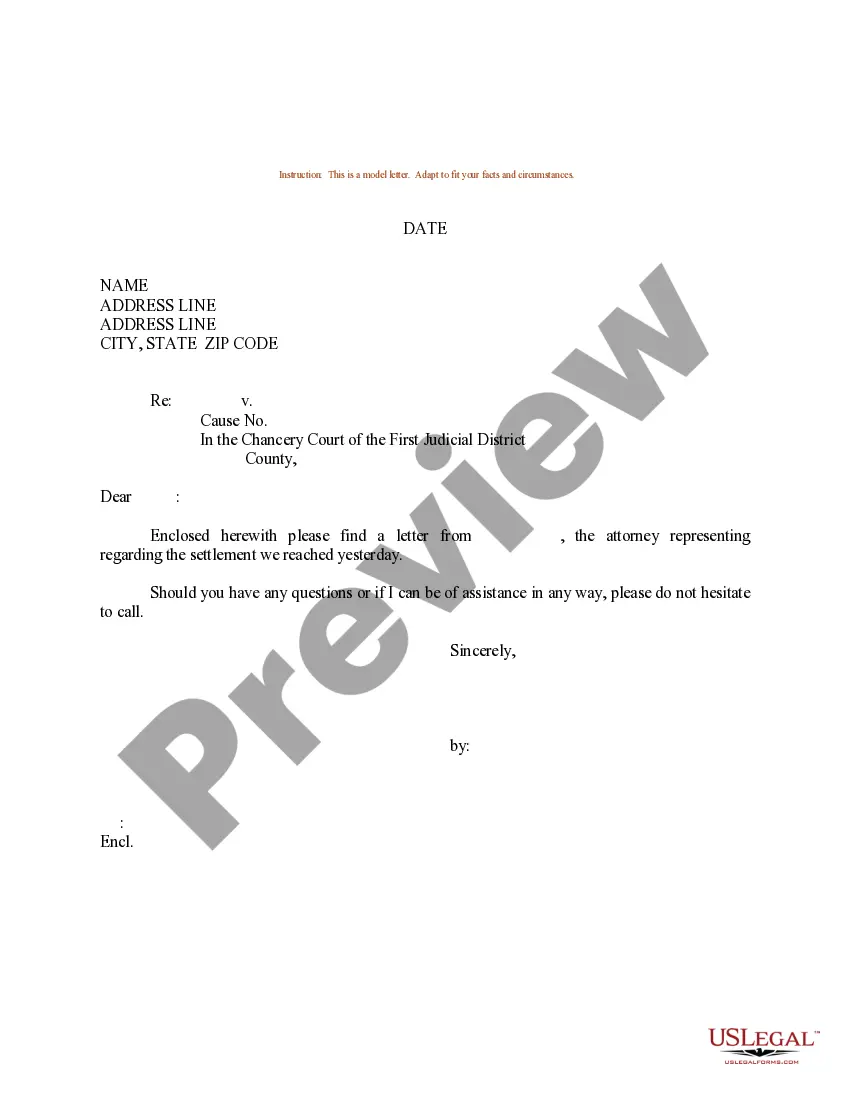
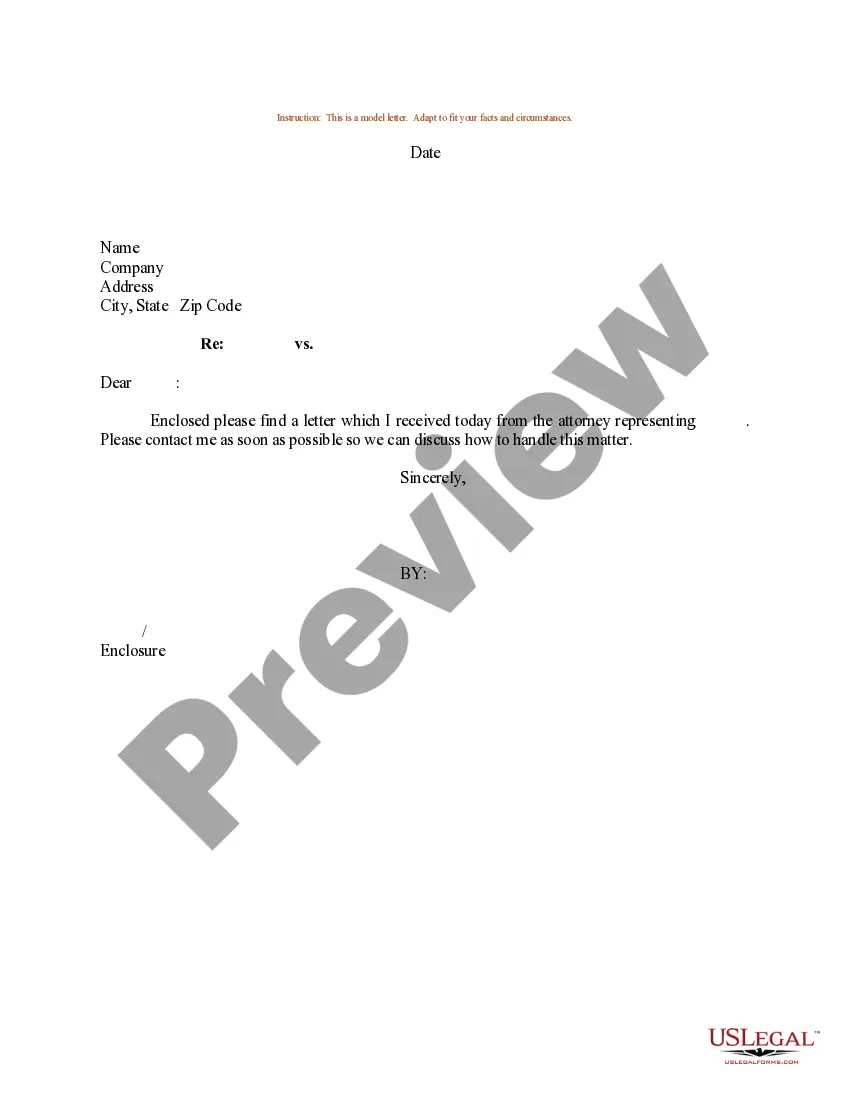
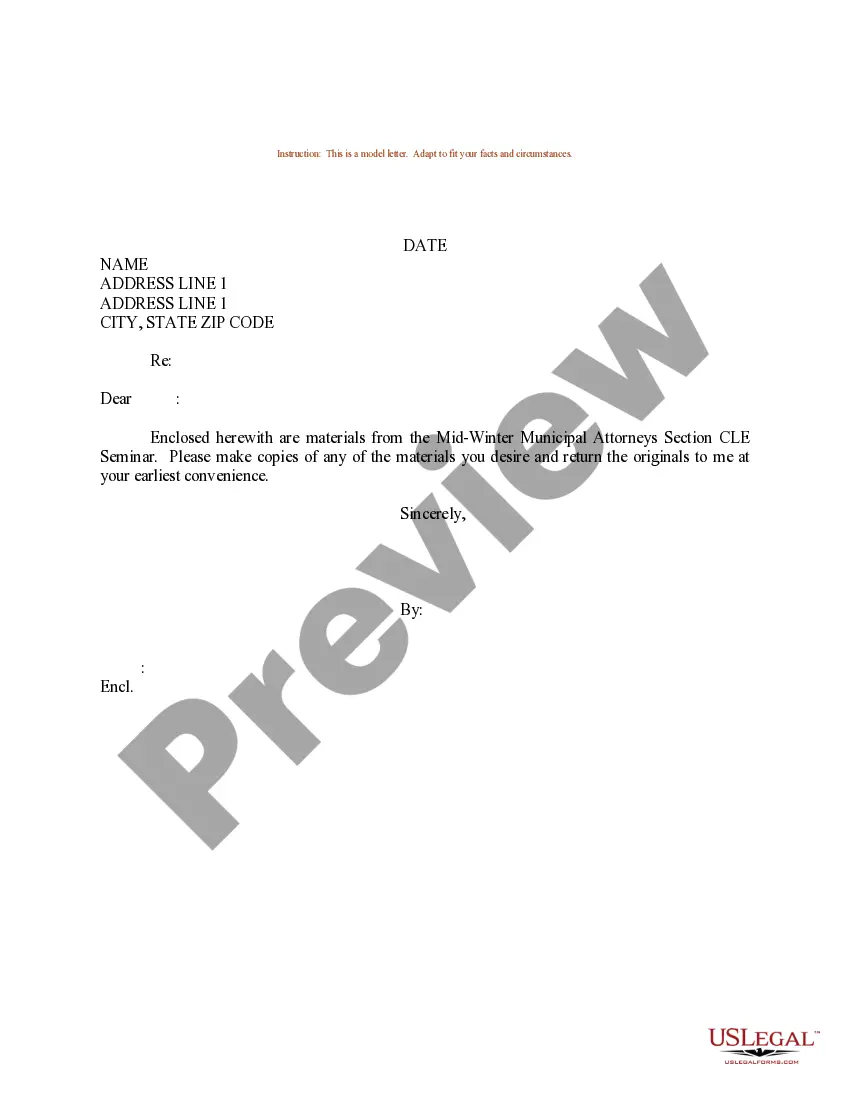
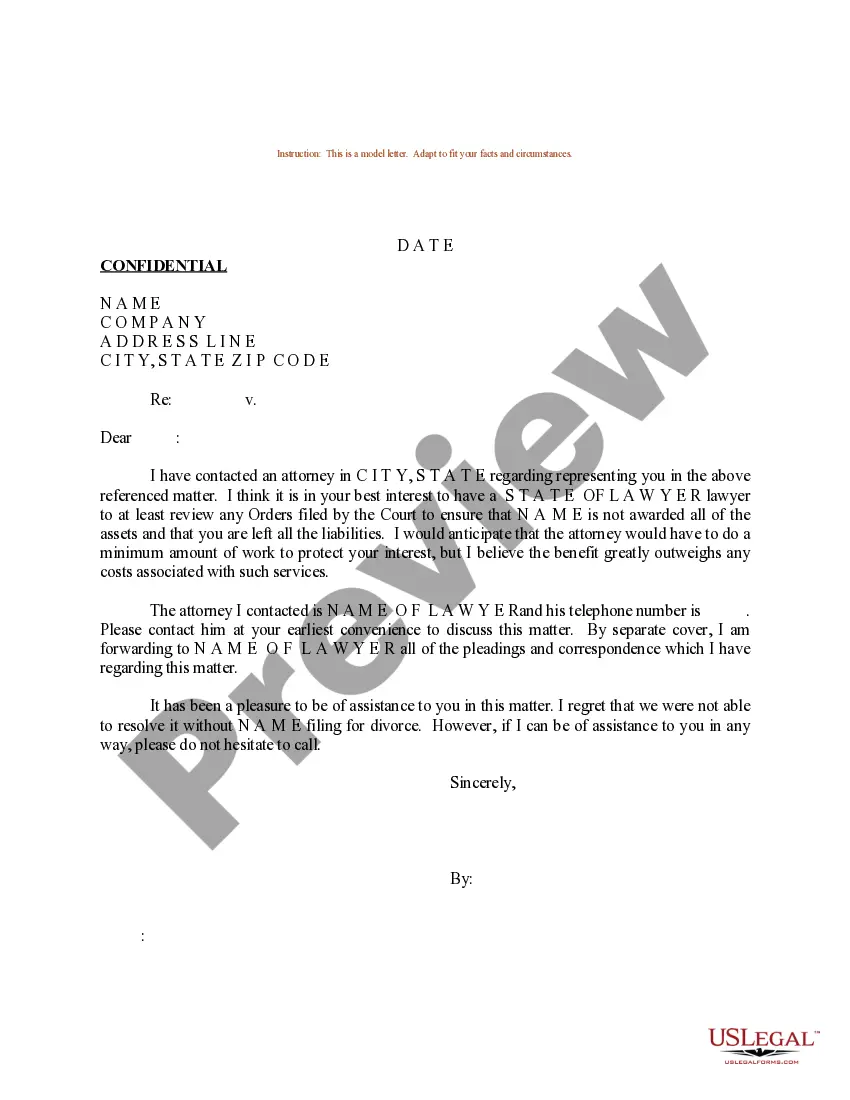
Get your form ready online
Our built-in tools help you complete, sign, share, and store your documents in one place.
Make edits, fill in missing information, and update formatting in US Legal Forms—just like you would in MS Word.
Download a copy, print it, send it by email, or mail it via USPS—whatever works best for your next step.
Sign and collect signatures with our SignNow integration. Send to multiple recipients, set reminders, and more. Go Premium to unlock E-Sign.
If this form requires notarization, complete it online through a secure video call—no need to meet a notary in person or wait for an appointment.
We protect your documents and personal data by following strict security and privacy standards.

Make edits, fill in missing information, and update formatting in US Legal Forms—just like you would in MS Word.

Download a copy, print it, send it by email, or mail it via USPS—whatever works best for your next step.

Sign and collect signatures with our SignNow integration. Send to multiple recipients, set reminders, and more. Go Premium to unlock E-Sign.

If this form requires notarization, complete it online through a secure video call—no need to meet a notary in person or wait for an appointment.

We protect your documents and personal data by following strict security and privacy standards.
Looking for another form?








Form popularity
FAQ
And, as is typical, graduates of American Bar Association-approved schools in California taking the test for the first time had the highest pass rate: 81%. Repeat test-takers lodged a 23.5% pass rate.
California's bar exam is known for its rigorous content and low pass rates compared to other states. In fact, even though California recently lowered its passing score from 1,440 to 1,390, that is still higher than the 1,350 score required for a passing grade in many other states.
In order to complete the California Bar Exam, you're going to need to successfully finish one 90-minute performance test. This test will focus on testing your practical skills. Prepare for this portion of the bar exam by practicing writing different legal information, such as memos, contracts, or briefs.
It is possible in California to qualify to take the Bar Exam without going to law school. It still requires you to study the law under a qualified attorney for a number of years and take a bar 'pre-test' which is considered on of the most difficult exams given.
In order to complete the California Bar Exam, you're going to need to successfully finish one 90-minute performance test. This test will focus on testing your practical skills. Prepare for this portion of the bar exam by practicing writing different legal information, such as memos, contracts, or briefs.
Is The California Bar Exam Hard? Yes, the California bar exam is widely considered to be the most difficult of all state bar exams in the US. The California bar exam has a pass rate of 34%.
A “Franklin Hearing” is a hearing wherein an attorney will ask to recall the case to present such youthful mitigating factors for a future parole hearing if they were never introduced at sentencing in the original case. To apply for such a hearing, one needs to file a Franklin Hearing motion in the trial court.
The State Bar is led by a Board of Trustees and managed by staff who have served the legal profession and the state in various leadership roles.
Undisclosed conflicts of interest are also unethical, as are any illegal or unscrupulous activities, such as suppression of evidence or misleading statements made to courts.
Ing to the ABA, the most common attorney discipline complaints filed with the bar association involve: Neglect. Lack of communication. Misrepresentation or dishonesty. Scope of representation. Fee disputes.

