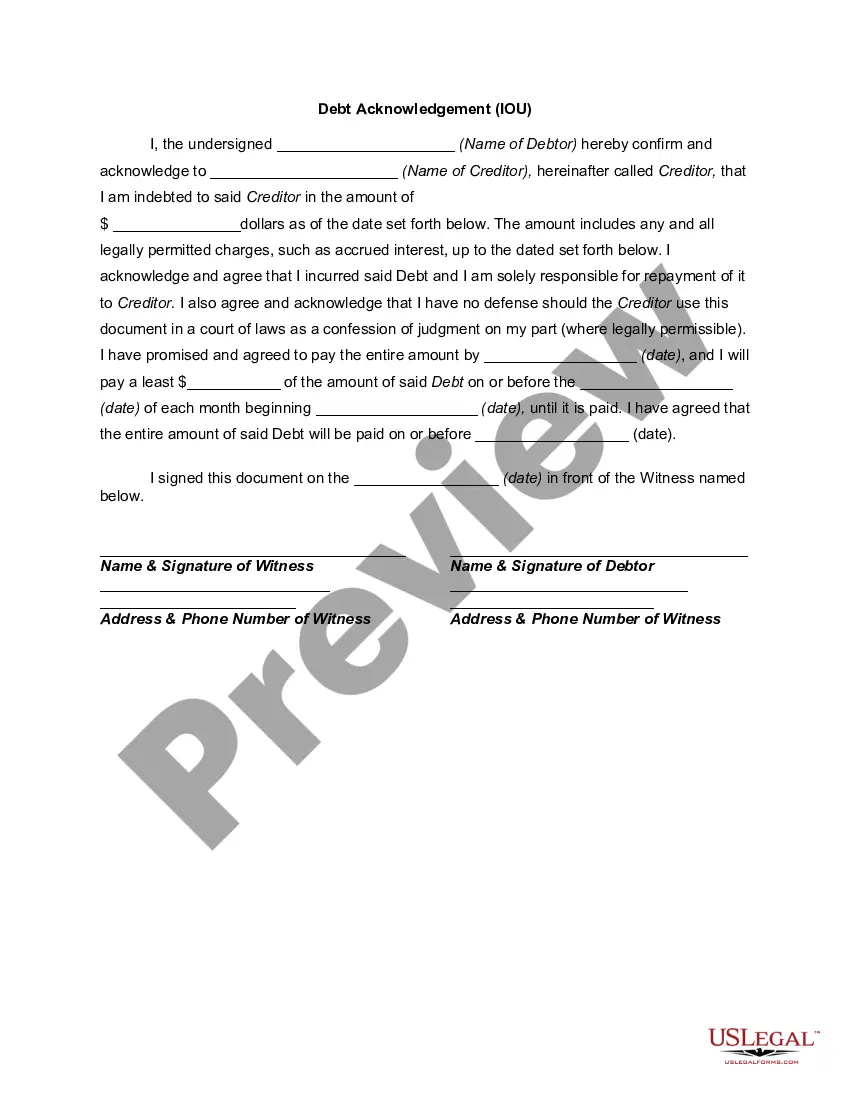
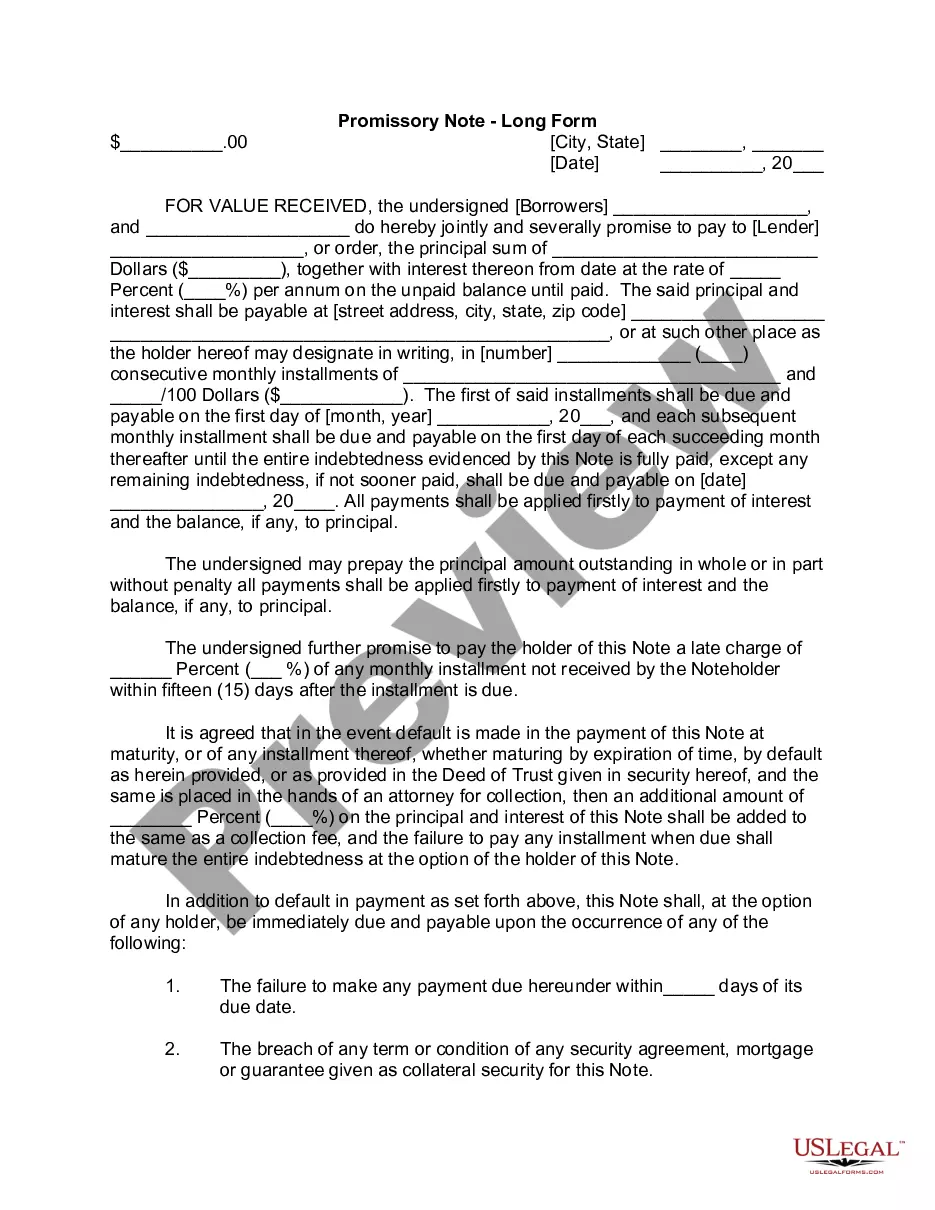
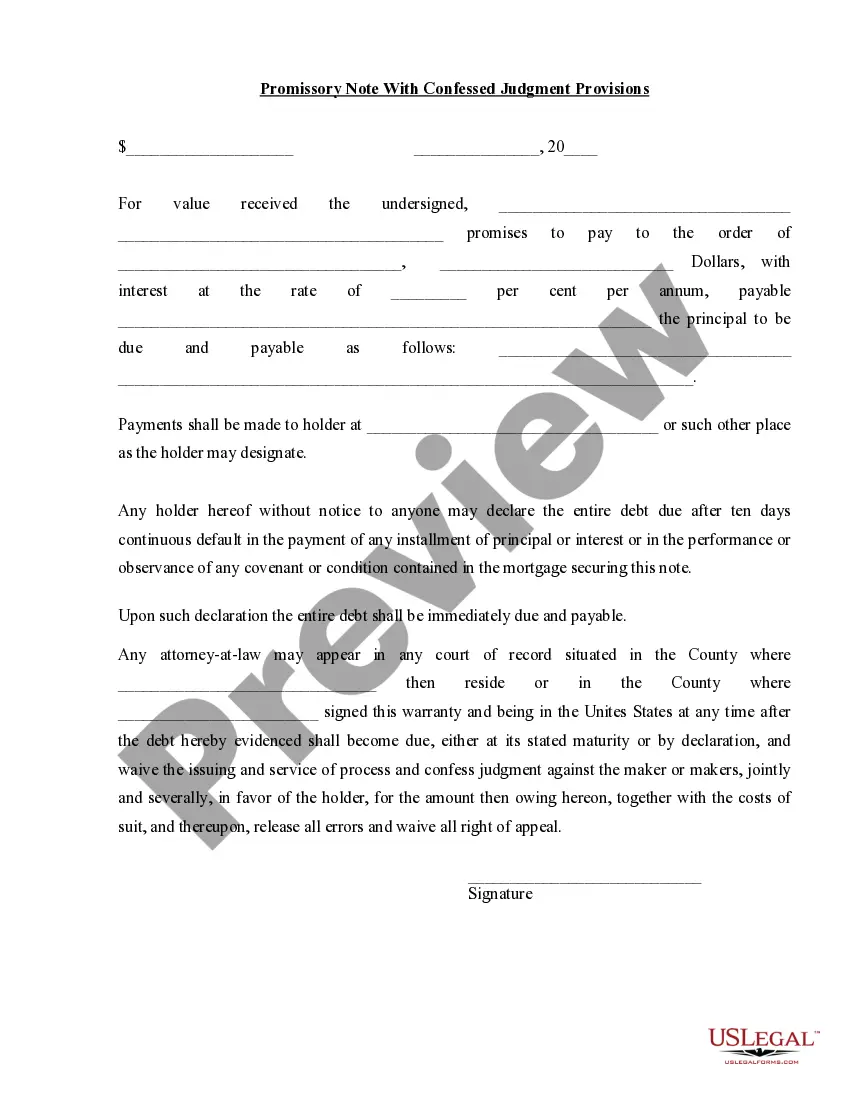
I Debt To You In San Diego
Description
Get your form ready online
Our built-in tools help you complete, sign, share, and store your documents in one place.
Make edits, fill in missing information, and update formatting in US Legal Forms—just like you would in MS Word.
Download a copy, print it, send it by email, or mail it via USPS—whatever works best for your next step.
Sign and collect signatures with our SignNow integration. Send to multiple recipients, set reminders, and more. Go Premium to unlock E-Sign.
If this form requires notarization, complete it online through a secure video call—no need to meet a notary in person or wait for an appointment.
We protect your documents and personal data by following strict security and privacy standards.

Make edits, fill in missing information, and update formatting in US Legal Forms—just like you would in MS Word.

Download a copy, print it, send it by email, or mail it via USPS—whatever works best for your next step.

Sign and collect signatures with our SignNow integration. Send to multiple recipients, set reminders, and more. Go Premium to unlock E-Sign.

If this form requires notarization, complete it online through a secure video call—no need to meet a notary in person or wait for an appointment.

We protect your documents and personal data by following strict security and privacy standards.
Looking for another form?









Form popularity
FAQ
You must fill out an Answer, serve the other side's attorney, and file your Answer form with the court within 30 days. If you don't, the creditor can ask for a default. If there's a default, the court won't let you file an Answer and can decide the case without you.
In California, small claims court is designed for resolving disputes involving amounts up to $12,500 for individuals, making it a suitable venue for your case involving $2,000 in damages.
If the defendant lives in the county where you filed, you will likely receive a hearing within forty (40) days of filing the complaint. If the defendant lives outside the county where you filed, you will likely receive a hearing within forty (40) to seventy (70) days of filing the complaint.
Small claims basics Generally, you can only sue for up to $12,500 in small claims court (or up to $6,250 if you're a business). You can ask a lawyer for advice before you go to court, but you can't have one with you in court.
1. Who can file a claim? An individual, which includes a sole proprietorship, may file a claim up to a maximum of $12,500. Only the actual party to the claim may file.
An individual, which includes a sole proprietorship, may file a claim up to a maximum of $12,500. Only the actual party to the claim may file. You must represent yourself at the small claims hearing. Attorneys or others are not permitted to represent a party in small claims court.
In California, there is generally a four-year limit for filing a lawsuit to collect a debt based on a written agreement.
$5,000 in credit card debt can be quite costly in the long run. That's especially the case if you only make minimum payments each month. However, you don't have to accept decades of credit card debt.
Here's a step-by-step guide that outlines the actions a business should take before moving forward with a collection agency. Contact the Debtor. Send a Demand Letter. Consider Negotiation. Hire a Collection Agency. Provide Documentation. Monitor Progress. Consider Legal Action.
When it comes to credit card debt relief, it's important to dispel a common misconception: There are no government-sponsored programs specifically designed to eliminate credit card debt. So, you should be wary of any offers claiming to represent such government initiatives, as they may be misleading or fraudulent.

