Spousal Support Form For Medicaid In Salt Lake
Description

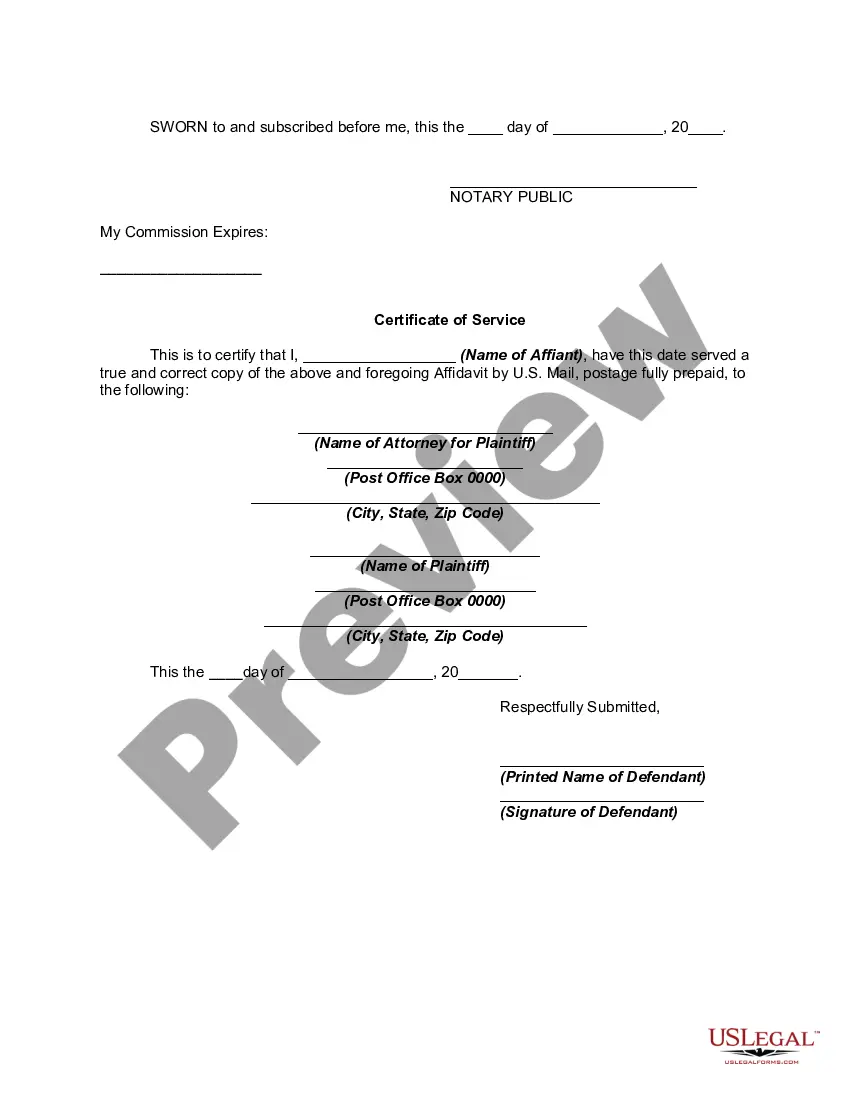



Get your form ready online
Our built-in tools help you complete, sign, share, and store your documents in one place.
Make edits, fill in missing information, and update formatting in US Legal Forms—just like you would in MS Word.
Download a copy, print it, send it by email, or mail it via USPS—whatever works best for your next step.
Sign and collect signatures with our SignNow integration. Send to multiple recipients, set reminders, and more. Go Premium to unlock E-Sign.
If this form requires notarization, complete it online through a secure video call—no need to meet a notary in person or wait for an appointment.
We protect your documents and personal data by following strict security and privacy standards.

Make edits, fill in missing information, and update formatting in US Legal Forms—just like you would in MS Word.

Download a copy, print it, send it by email, or mail it via USPS—whatever works best for your next step.

Sign and collect signatures with our SignNow integration. Send to multiple recipients, set reminders, and more. Go Premium to unlock E-Sign.

If this form requires notarization, complete it online through a secure video call—no need to meet a notary in person or wait for an appointment.

We protect your documents and personal data by following strict security and privacy standards.
Looking for another form?




Form popularity
FAQ
Proof of date of birth (e.g., birth certificate) Proof U.S. citizenship or lawful residence (e.g., passport, drivers license, birth certificate, green card, employment authorization card) Proof of all types of income, earned and unearned (e.g., paycheck stubs, retirement benefits, Supplemental Security Income)
What is Medicaid? Medicaid is a state/federal program that pays for medical services for low-income pregnant women, children, individuals who are elderly or have a disability, parents and women with breast or cervical cancer. To qualify, these individuals must meet income and other eligibility requirements.
Most alimony payments in Utah are periodic (monthly) and due on the first of every month unless the court orders otherwise. Most judges include an income withholding order for alimony, which directs the paying spouse's employer to withhold the payments from the employee's paycheck and forward it directly to the court.
Estate recovery does not happen when the Medicaid recipient has: A living spouse, or. A child under the age of 21, or. A blind or disabled child of any age.
The expansion extends Medicaid eligibility to Utah adults whose annual income is up to 138% of the federal poverty level ($17,608 for an individual or $36,156 for a family of four). The federal government covers 90% of the costs for these services, with the state covering the remaining 10%.
The income limits based on household size are: One person: $17,609. Two people: $23,792. Three people: $29,974. Four people: $36,156. Five people: $42,339.
The income of the non-applicant spouse, commonly called a community spouse, is not counted towards the income eligibility of their spouse. Even if the community spouse has a high monthly income, it will not count towards their spouse's income limit for Medicaid eligibility.
How Much Alimony Does a Wife Get in Utah? In Utah, the maximum alimony award a recipient spouse can receive is the amount of their "demonstrated need." Alimony is usually around 40% of the paying party's income. Suppose one spouse has a greater income-earning capacity than the other.
The court considers the following factors when deciding whether to award alimony: The standard of living during the marriage. This includes income, value of real and personal property, and any other factor that the court thinks is important for understanding how the parties lived during their marriage.
Some reasons why an ex-spouse might not be entitled to receive alimony include: The ex-spouse does not meet the legally required level of financial need. You are not financially able to provide alimony to your ex-spouse. Your ex-spouse is at fault for the divorce, due to having an affair or another cause.
