Affidavit Motion Amend Withholding In Salt Lake
Description

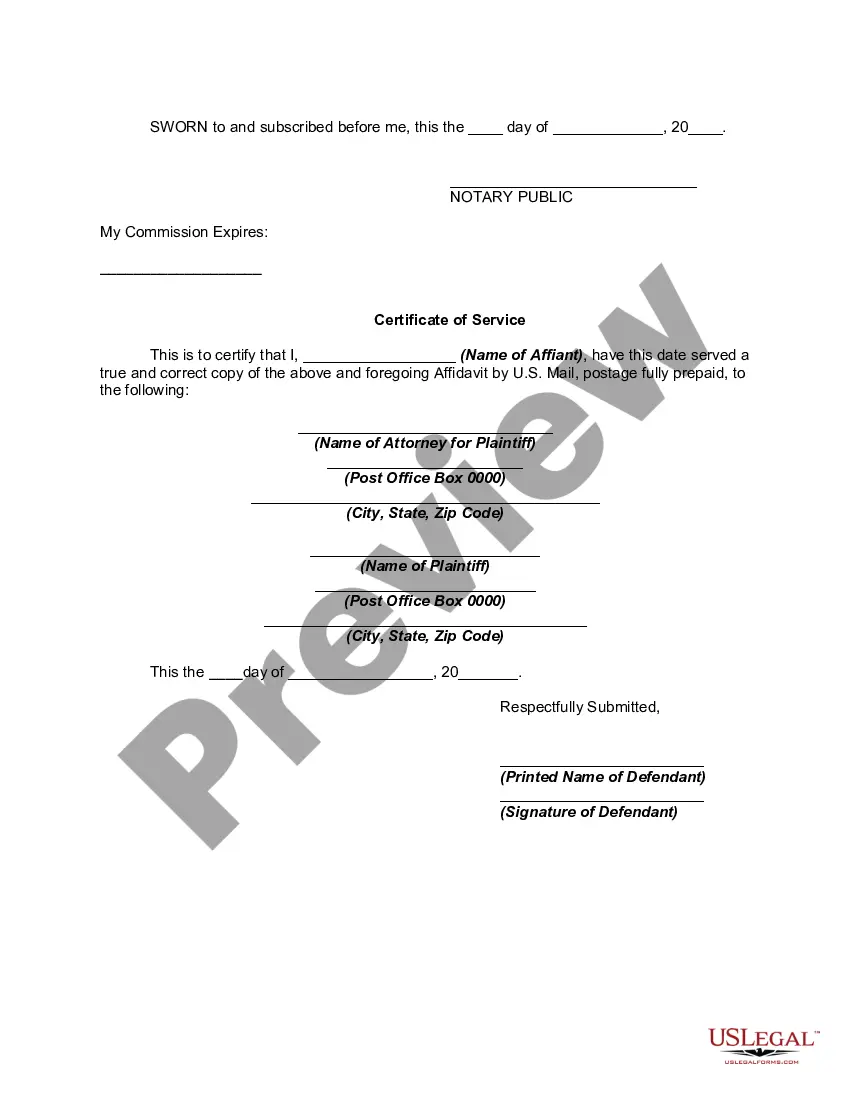



Get your form ready online
Our built-in tools help you complete, sign, share, and store your documents in one place.
Make edits, fill in missing information, and update formatting in US Legal Forms—just like you would in MS Word.
Download a copy, print it, send it by email, or mail it via USPS—whatever works best for your next step.
Sign and collect signatures with our SignNow integration. Send to multiple recipients, set reminders, and more. Go Premium to unlock E-Sign.
If this form requires notarization, complete it online through a secure video call—no need to meet a notary in person or wait for an appointment.
We protect your documents and personal data by following strict security and privacy standards.

Make edits, fill in missing information, and update formatting in US Legal Forms—just like you would in MS Word.

Download a copy, print it, send it by email, or mail it via USPS—whatever works best for your next step.

Sign and collect signatures with our SignNow integration. Send to multiple recipients, set reminders, and more. Go Premium to unlock E-Sign.

If this form requires notarization, complete it online through a secure video call—no need to meet a notary in person or wait for an appointment.

We protect your documents and personal data by following strict security and privacy standards.
Looking for another form?

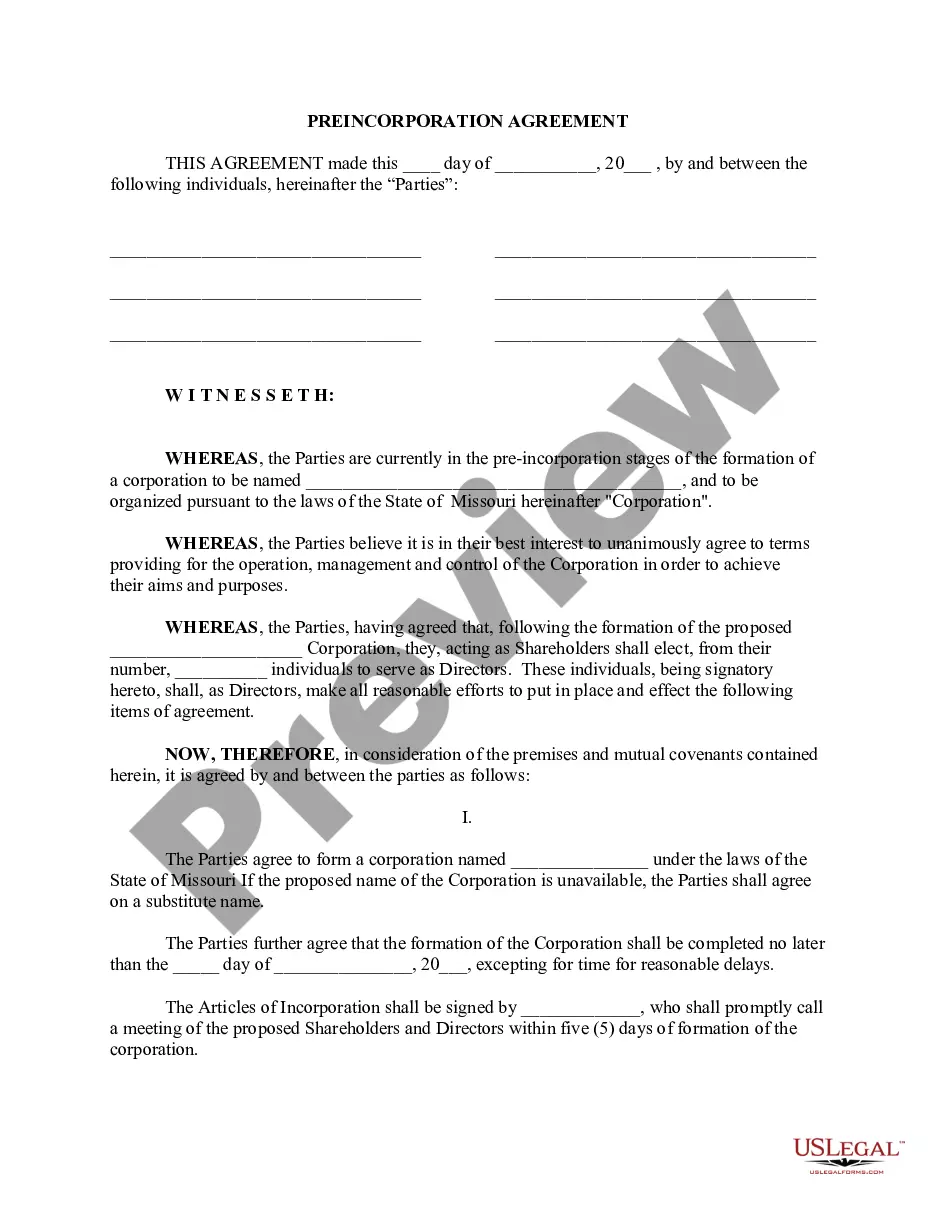
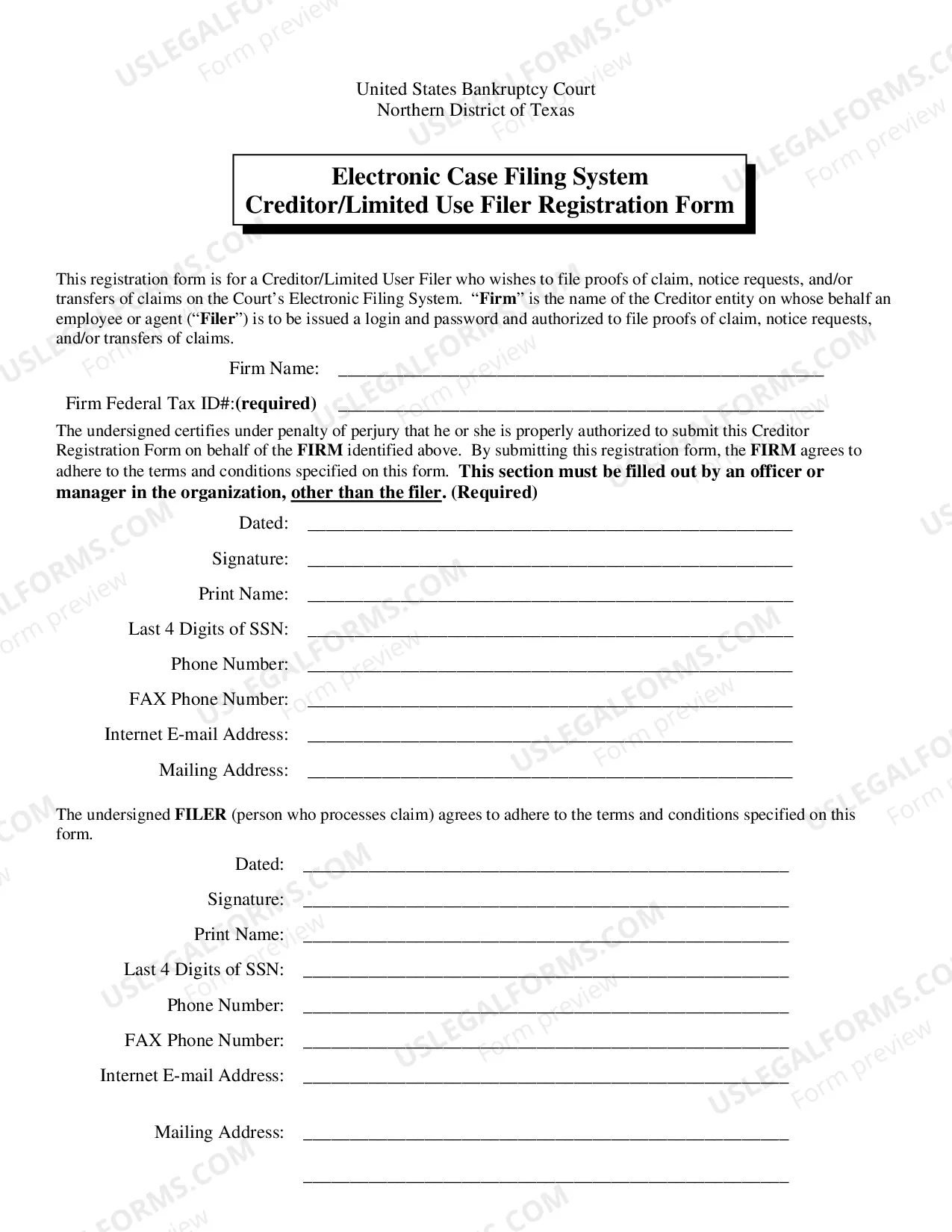

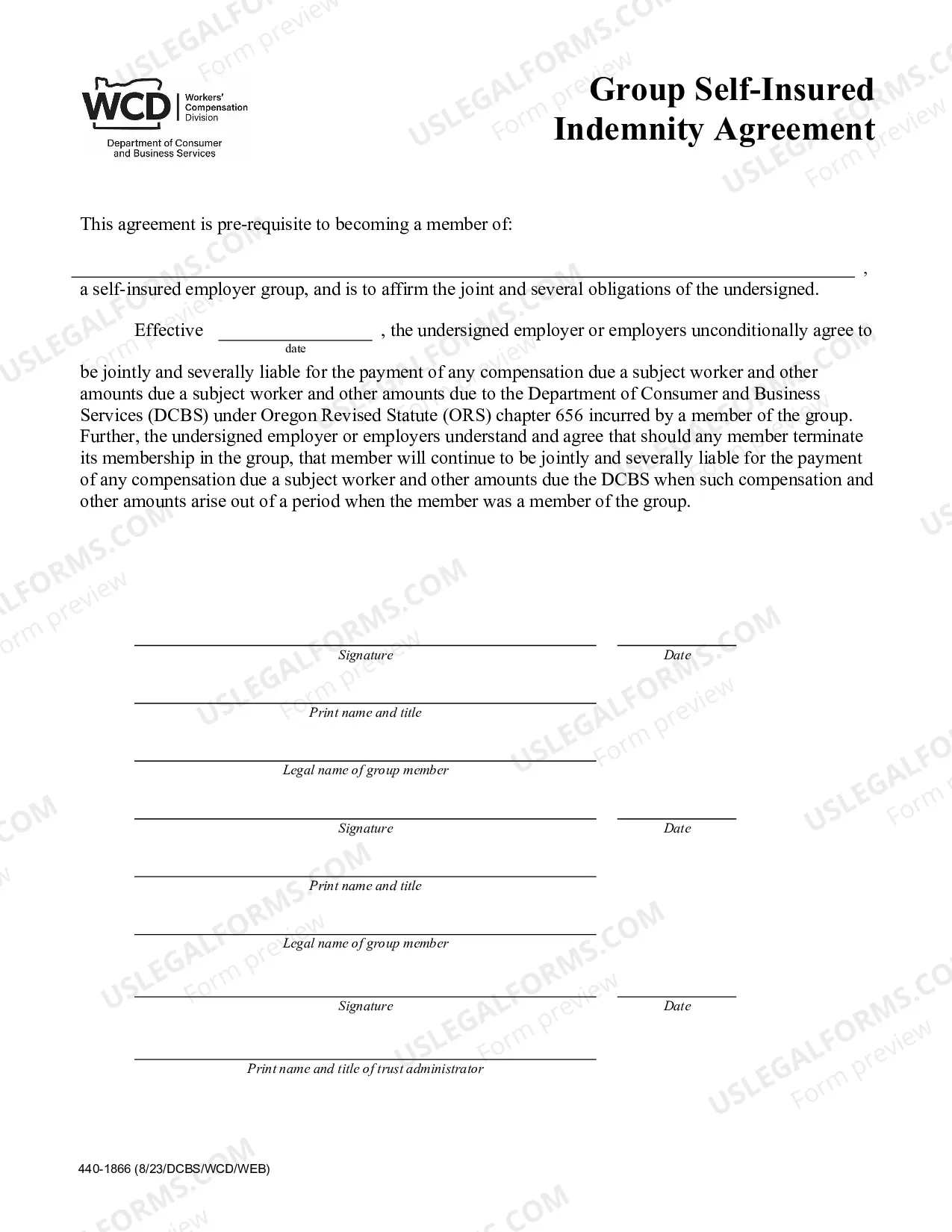


Form popularity
FAQ
(a) Motion. To enforce a court order or to obtain a sanctions order for violation of an order, including in supplemental proceedings under Rule 64, a party must file an ex parte motion to enforce order and for sanctions (if requested), pursuant to this rule and Rule 7.
Instead of answering, the defendant may file one of the motions described in Utah Rule of Civil Procedure 12. If the judge grants the motion, the judge's order will direct the parties what to do next. If the judge denies the motion, the defendant must file an answer within 14 days after the judge's order.
At or after the hearing, the judge will make a decision on your motion. The judge might write an order on your motion herself. Or she might direct one of the parties to prepare the order for her signature.
When you file your motion, the court clerk will insert the date, time, and place of the hearing on your motion. You must then “serve” (mail) a copy of your filed motion (including all exhibits and the date, time, and place of hearing) to all other parties in the case.
(7) a reply to an answer if ordered by the court. (b) Motions. A request for an order must be made by motion. The motion must be in writing unless made during a hearing or trial, must state the relief requested, and must state the grounds for the relief requested.
Sometimes, the Judge makes a decision right away. If not, the Judge has 60 days by law to decide the motion.
A motion is an application to the court made by the prosecutor or defense attorney, requesting that the court make a decision on a certain issue before the trial begins. The motion can affect the trial, courtroom, defendants, evidence, or testimony. Only judges decide the outcome of motions.
The outcome of the motion hearing The judge's decision is issued in the form of an order, which grants or denies the motion. This order becomes an official part of the court record and dictates the next steps in the litigation process.
(7) a reply to an answer if ordered by the court. (b) Motions. A request for an order must be made by motion. The motion must be in writing unless made during a hearing or trial, must state the relief requested, and must state the grounds for the relief requested.
