Affidavit Amend Form Without Notary In Middlesex
Description

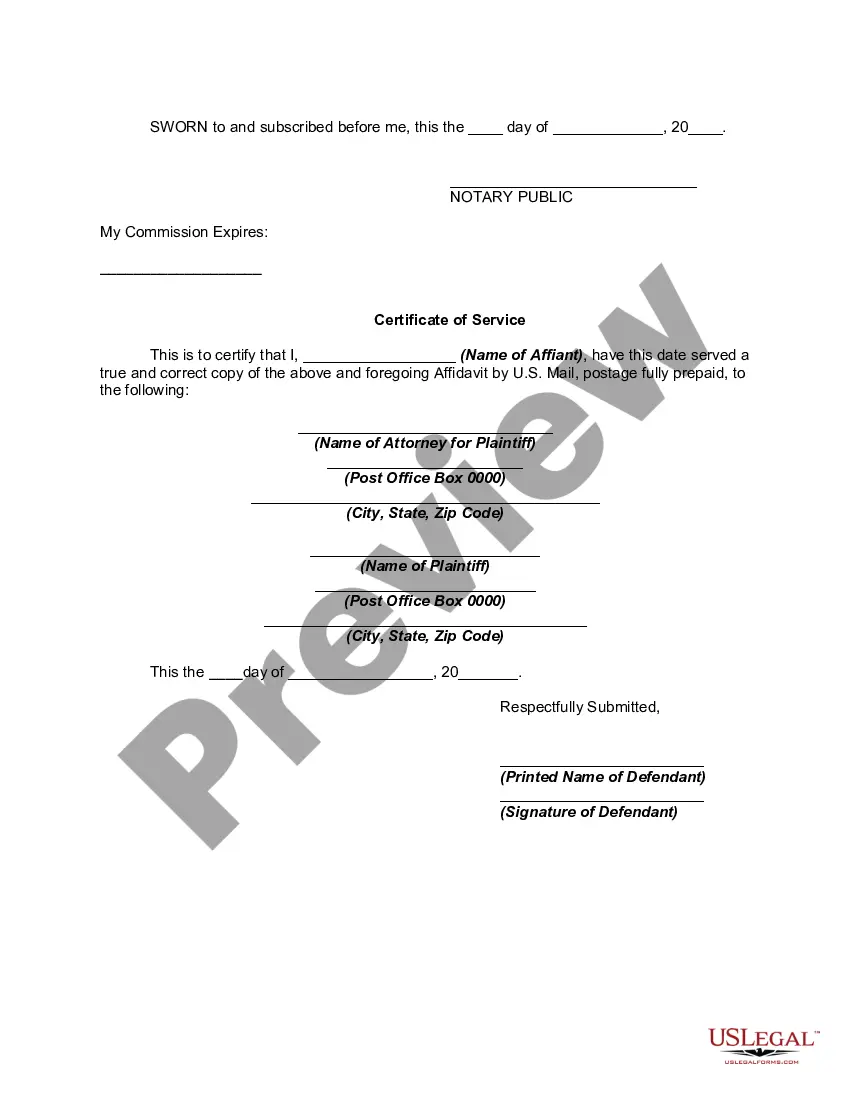



Get your form ready online
Our built-in tools help you complete, sign, share, and store your documents in one place.
Make edits, fill in missing information, and update formatting in US Legal Forms—just like you would in MS Word.
Download a copy, print it, send it by email, or mail it via USPS—whatever works best for your next step.
Sign and collect signatures with our SignNow integration. Send to multiple recipients, set reminders, and more. Go Premium to unlock E-Sign.
If this form requires notarization, complete it online through a secure video call—no need to meet a notary in person or wait for an appointment.
We protect your documents and personal data by following strict security and privacy standards.

Make edits, fill in missing information, and update formatting in US Legal Forms—just like you would in MS Word.

Download a copy, print it, send it by email, or mail it via USPS—whatever works best for your next step.

Sign and collect signatures with our SignNow integration. Send to multiple recipients, set reminders, and more. Go Premium to unlock E-Sign.

If this form requires notarization, complete it online through a secure video call—no need to meet a notary in person or wait for an appointment.

We protect your documents and personal data by following strict security and privacy standards.
Looking for another form?







Form popularity
FAQ
The State Treasurer appoints a notary public for a five-year period and may renew the appointment for five-year increments. All Notaries Public are sworn into office by the Clerk of the County in which the candidate resides.
One of the most important duties of the Notary is to administer oaths and affirmations, which are solemn promises of truthfulness made by a signer, witness, or new office-holder.
One of the most common mistakes that notaries make is not printing or signing their name exactly as it appears on their notary commission.
Notaries must either keep their journals for 10 years after performing the last notarization recorded in the journal or transmit the journal to the Department of the Treasury, Division of Revenue and Enterprise Services, or a repository approved by the State Treasurer.
Having a document notarized is the same as swearing under oath in a court of law—you are saying that the facts contained in the document are true.
Many affidavits, real estate deeds, loan papers, powers of attorney, and other types of documents must be properly notarized to become legally binding. In addition, many types of letters, authorizations and documents used in international trade and travel require the acknowledgement of a notary public.
Once you've sworn your affidavit, it's done. With one exception — for typos, discussed below — the only way you can fix a mistake in that affidavit or add additional information to it is to make a new affidavit.
The affiant must take the oath highlighted in the affidavit voluntarily. If the court discovers evidence that the affiant signed unwillingly, under pressure, or coercion, they may consider the oath invalid and the affidavit inadmissible in court proceedings.
Take the sworn affidavit to a lawyer or notary public, preferably the lawyer or notary who executed the affidavit. When you're in front of the lawyer or notary, correct the mistakes on the affidavit in pen (cross out the incorrect information and write the correct information).
Providing false information in an affidavit can lead to legal consequences, including penalties for perjury.
