Break Apartment Lease Without Penalty In Wayne
Description
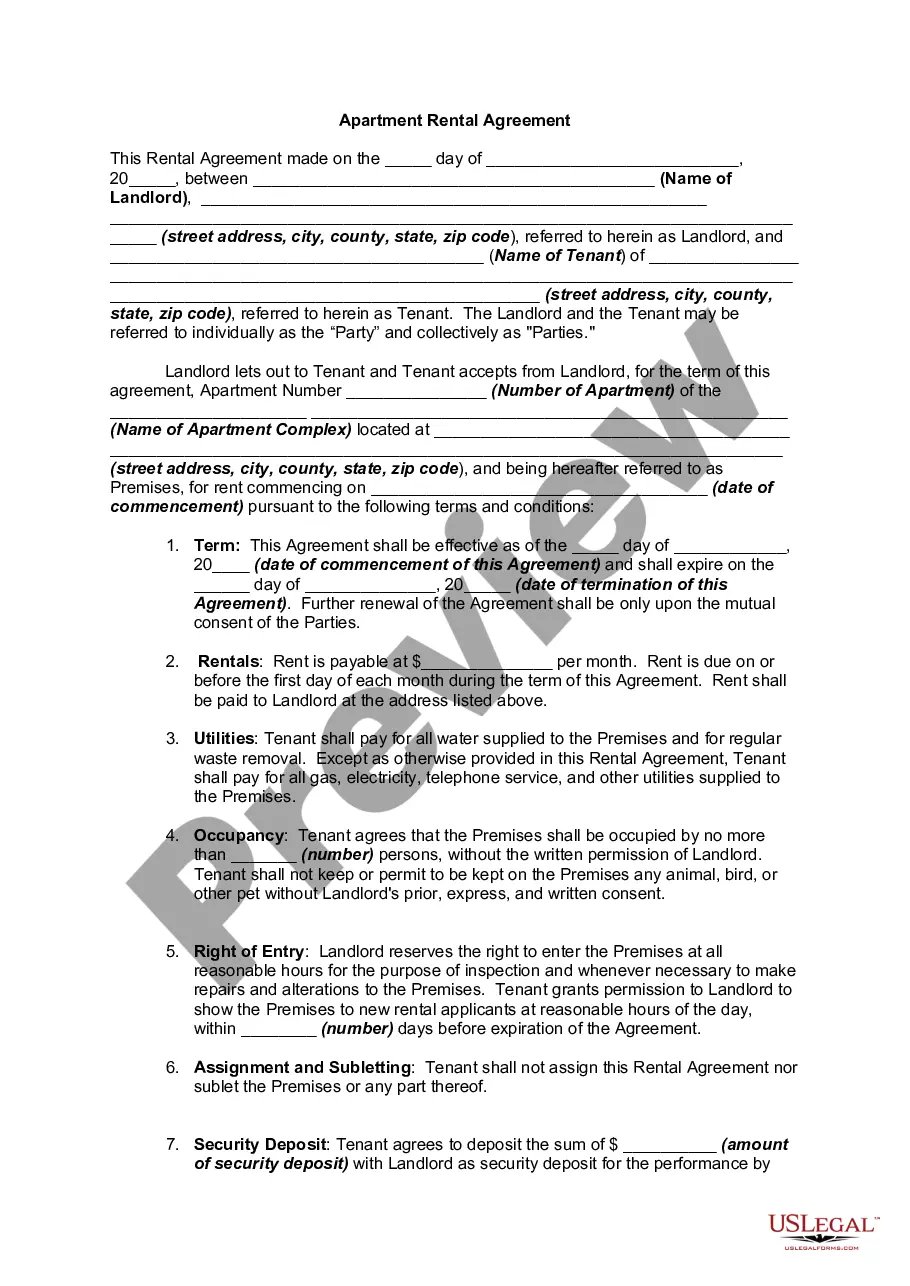
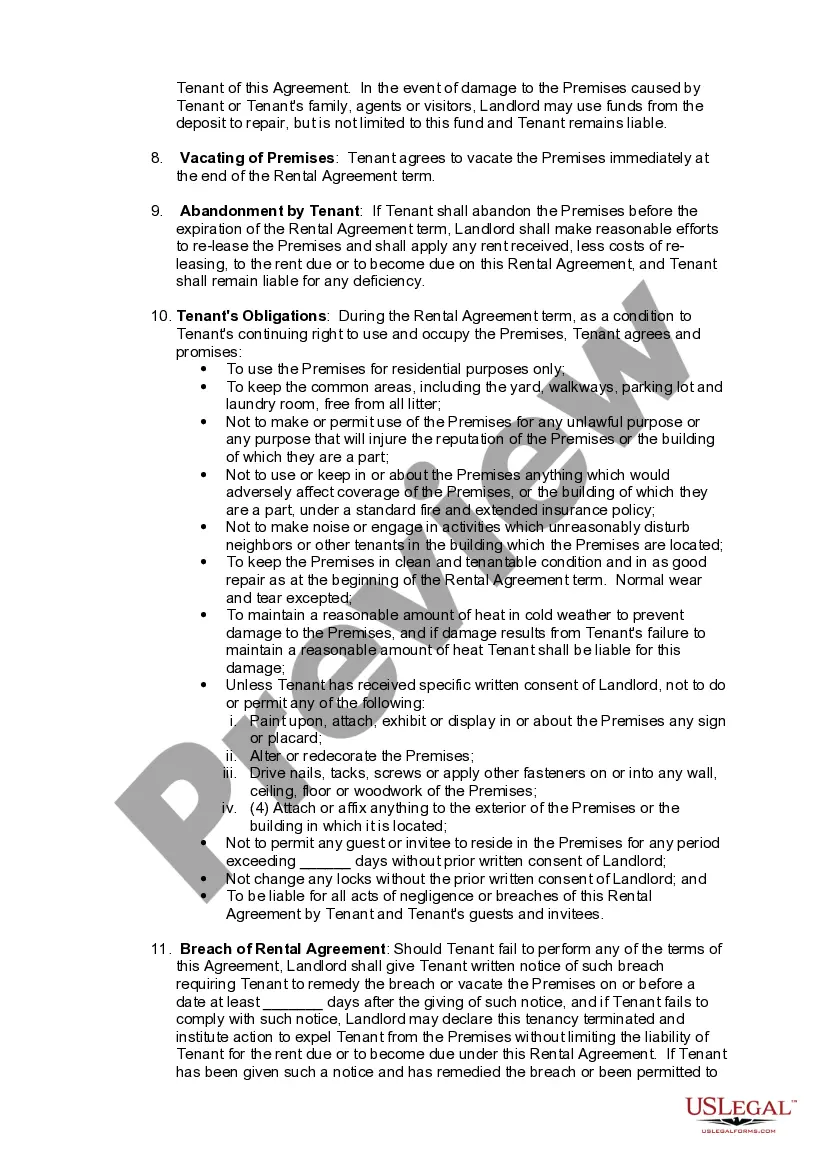
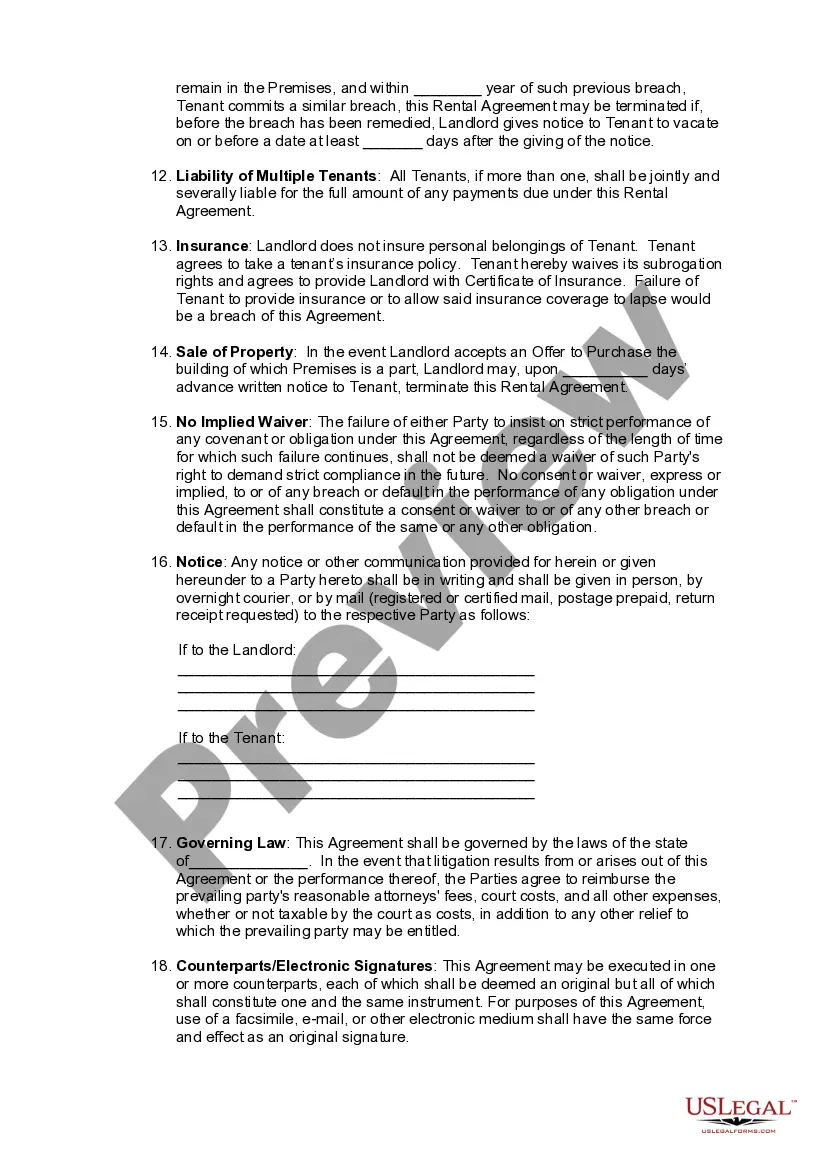
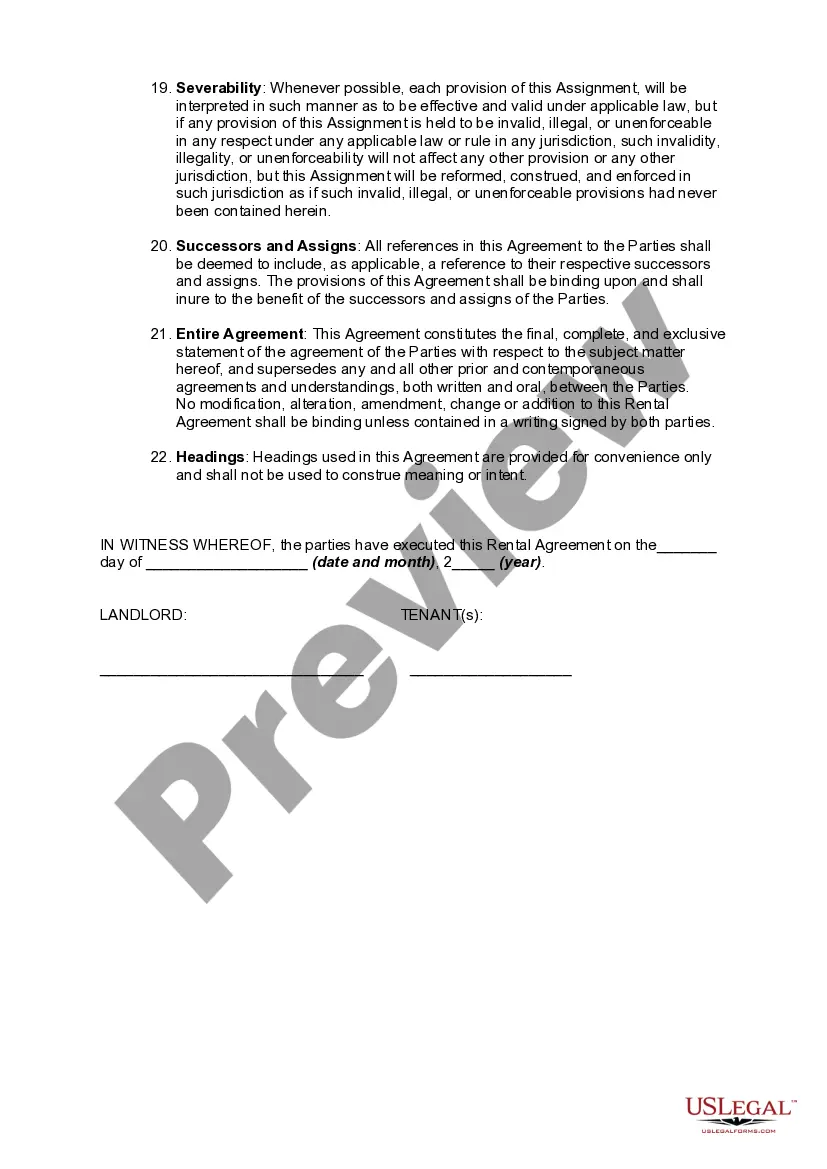
Get your form ready online
Our built-in tools help you complete, sign, share, and store your documents in one place.
Make edits, fill in missing information, and update formatting in US Legal Forms—just like you would in MS Word.
Download a copy, print it, send it by email, or mail it via USPS—whatever works best for your next step.
Sign and collect signatures with our SignNow integration. Send to multiple recipients, set reminders, and more. Go Premium to unlock E-Sign.
If this form requires notarization, complete it online through a secure video call—no need to meet a notary in person or wait for an appointment.
We protect your documents and personal data by following strict security and privacy standards.

Make edits, fill in missing information, and update formatting in US Legal Forms—just like you would in MS Word.

Download a copy, print it, send it by email, or mail it via USPS—whatever works best for your next step.

Sign and collect signatures with our SignNow integration. Send to multiple recipients, set reminders, and more. Go Premium to unlock E-Sign.

If this form requires notarization, complete it online through a secure video call—no need to meet a notary in person or wait for an appointment.

We protect your documents and personal data by following strict security and privacy standards.
Looking for another form?


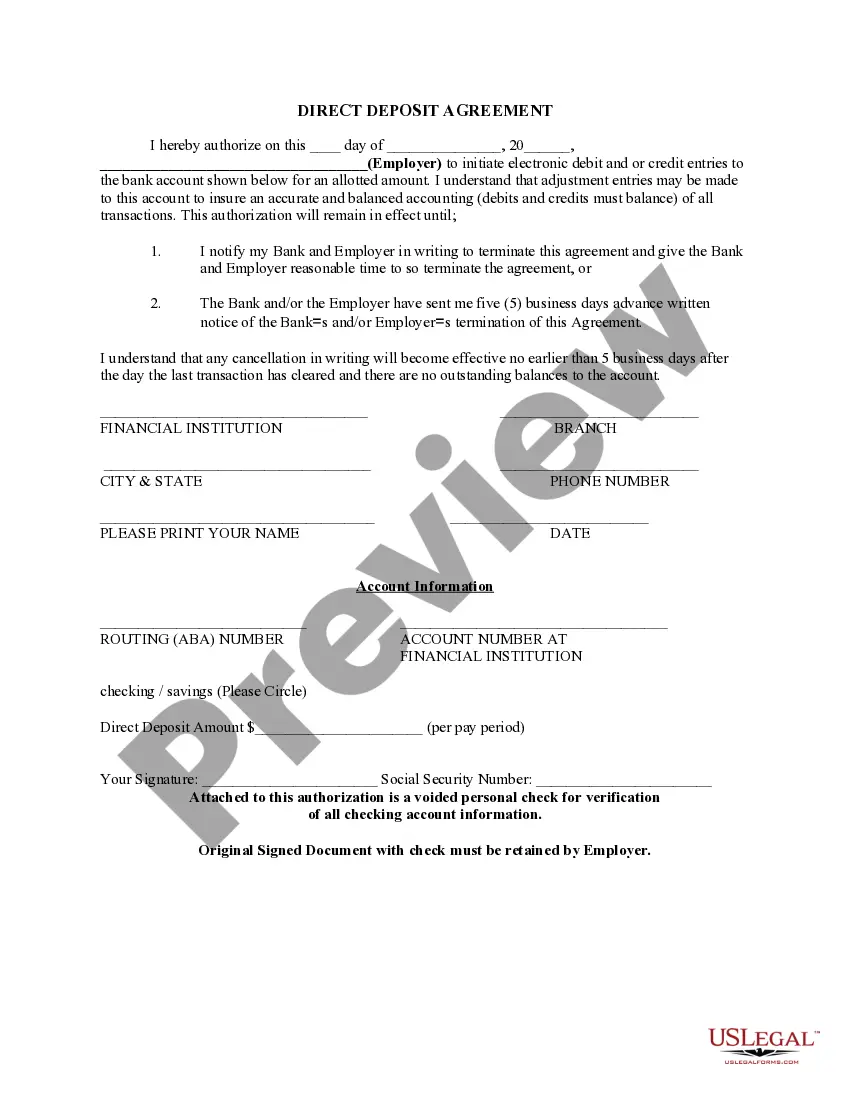


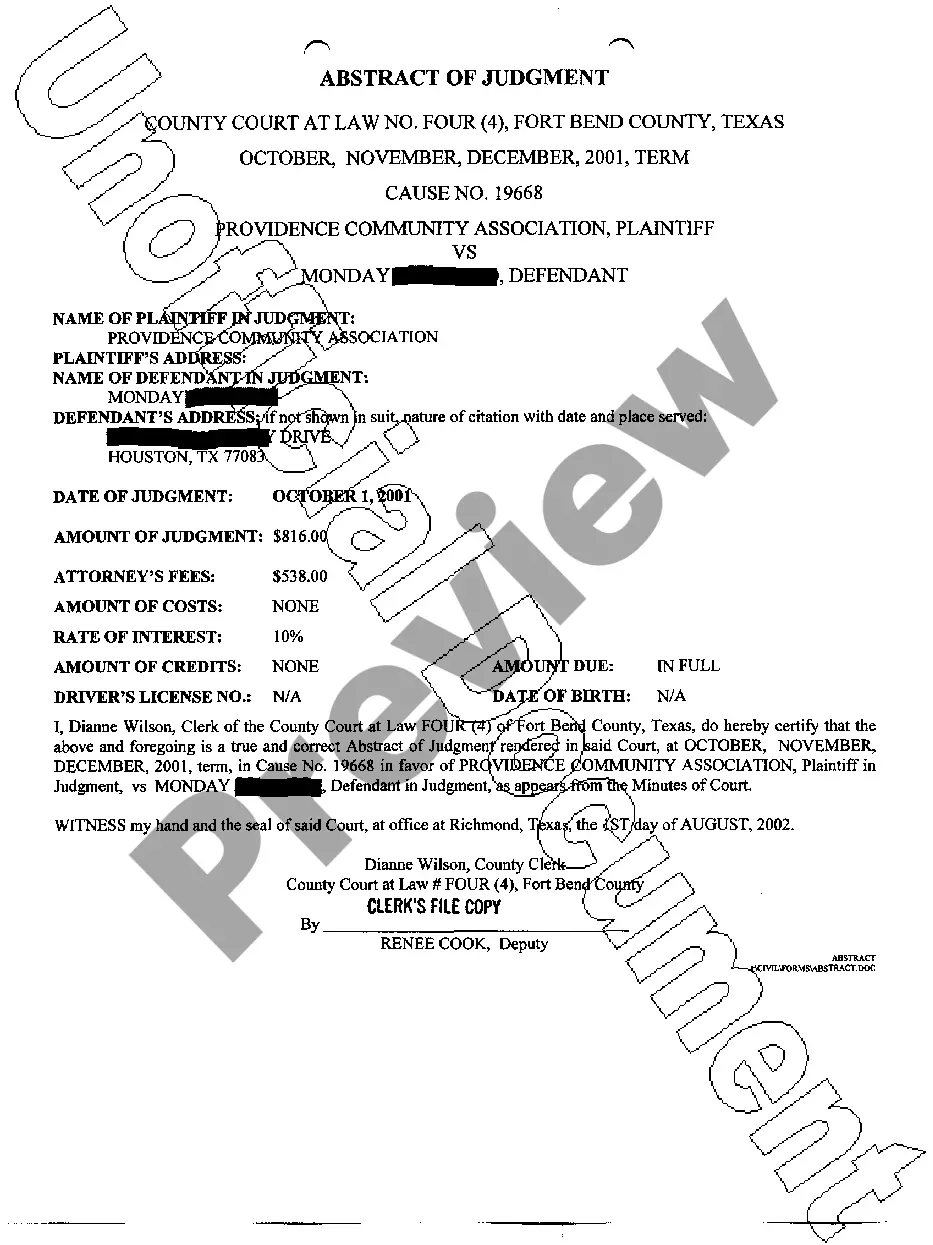
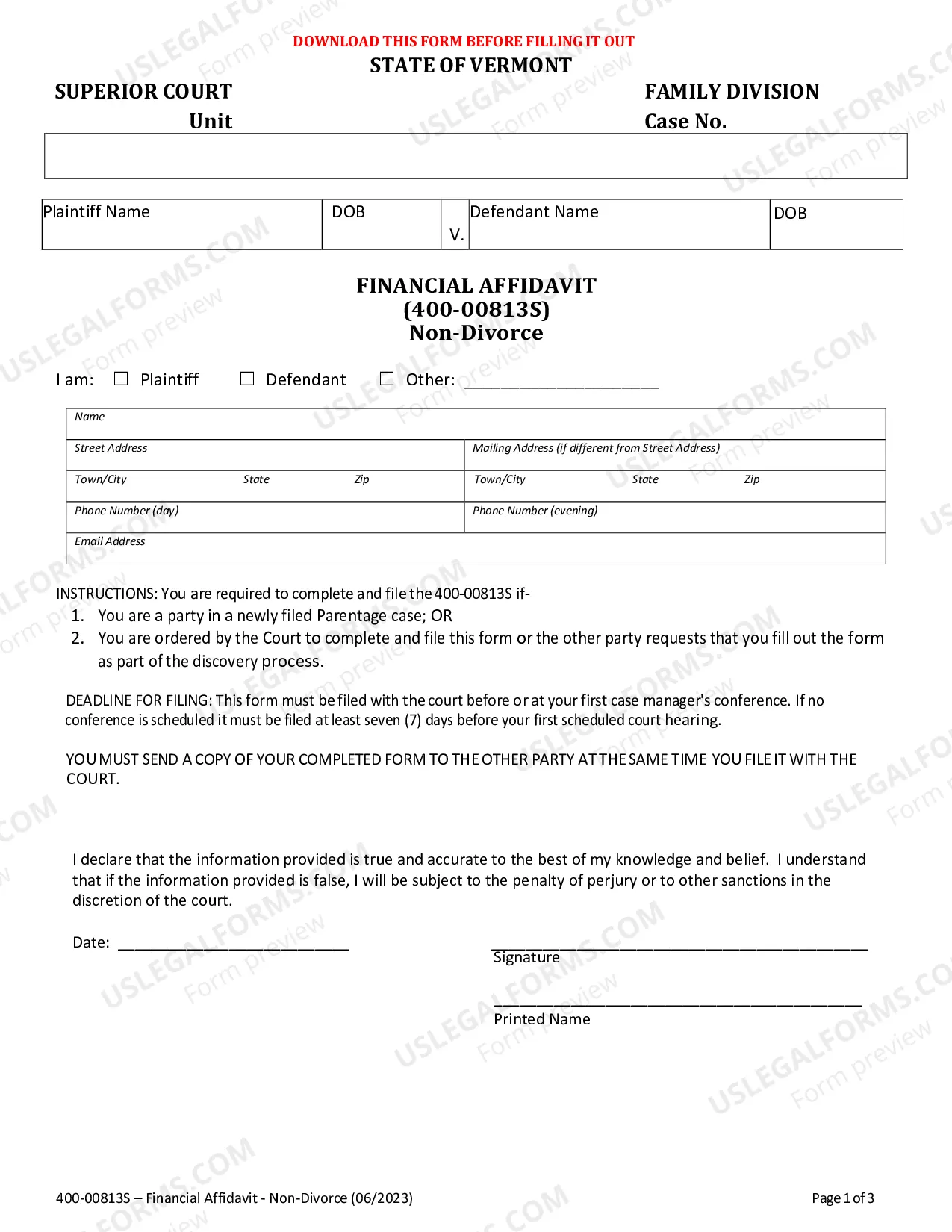

Form popularity
FAQ
5 Reasons Tenants Want to Break a Lease Agreement 1: Active Military Duty. Active military duty is one of the few times when a tenant is able to legally break a lease without penalty. 2: The Tenant Unexpectedly Becomes Unemployed. 3: Job Transfer. 4: The Tenant Has Found Another Home. 5: Environmental Factors.
Once you've decided to terminate your lease, promptly inform your landlord of your intention. Schedule a meeting or send a formal written notice, clearly stating your reasons for terminating the lease and your proposed exit date. Be professional, courteous, and transparent in your communication.
Breaking a lease, for whatever reason, will not automatically result in a derogatory mark on your credit history. Potential credit problems arise when any incurred debt isn't repaid to the landlord, prompting the landlord to turn the account over to a collections agency.
Breaking a lease in NYC can have significant consequences, some of which include: Financial penalties: You may owe rent for the remaining lease term, plus potential fees. Loss of security deposit: Your landlord can deduct damages or unpaid rent from your deposit. Legal action: Landlords can sue you for unpaid rent.
There are special circumstances, such as active military service or domestic violence, that may allow the tenant to leave without too many issues. Finally, the tenant could try to negotiate with their landlord to come to a mutual termination agreement that benefits both parties.
For the most part, the only way to break a lease without penalty is to negotiate with your landlord and hope they let you. Otherwise, even if you leave you are still responsible for rent until your landlord can find a replacement.
For the most part, the only way to break a lease without penalty is to negotiate with your landlord and hope they let you. Otherwise, even if you leave you are still responsible for rent until your landlord can find a replacement.
Ending a fixed term A fixed term tenancy ends on the day specified in the rental agreement, unless both parties agree to an early termination. For example, if the fixed term is from January 1 to December 31, the tenancy automatically ends on December 31.
A tenant can end a fixed term tenancy early by providing one month written notice if they: need to leave their rental unit to protect themselves or their children from family violence; have been assessed as requiring long-term care; or.
