Apartment With Leasing In Harris
Description
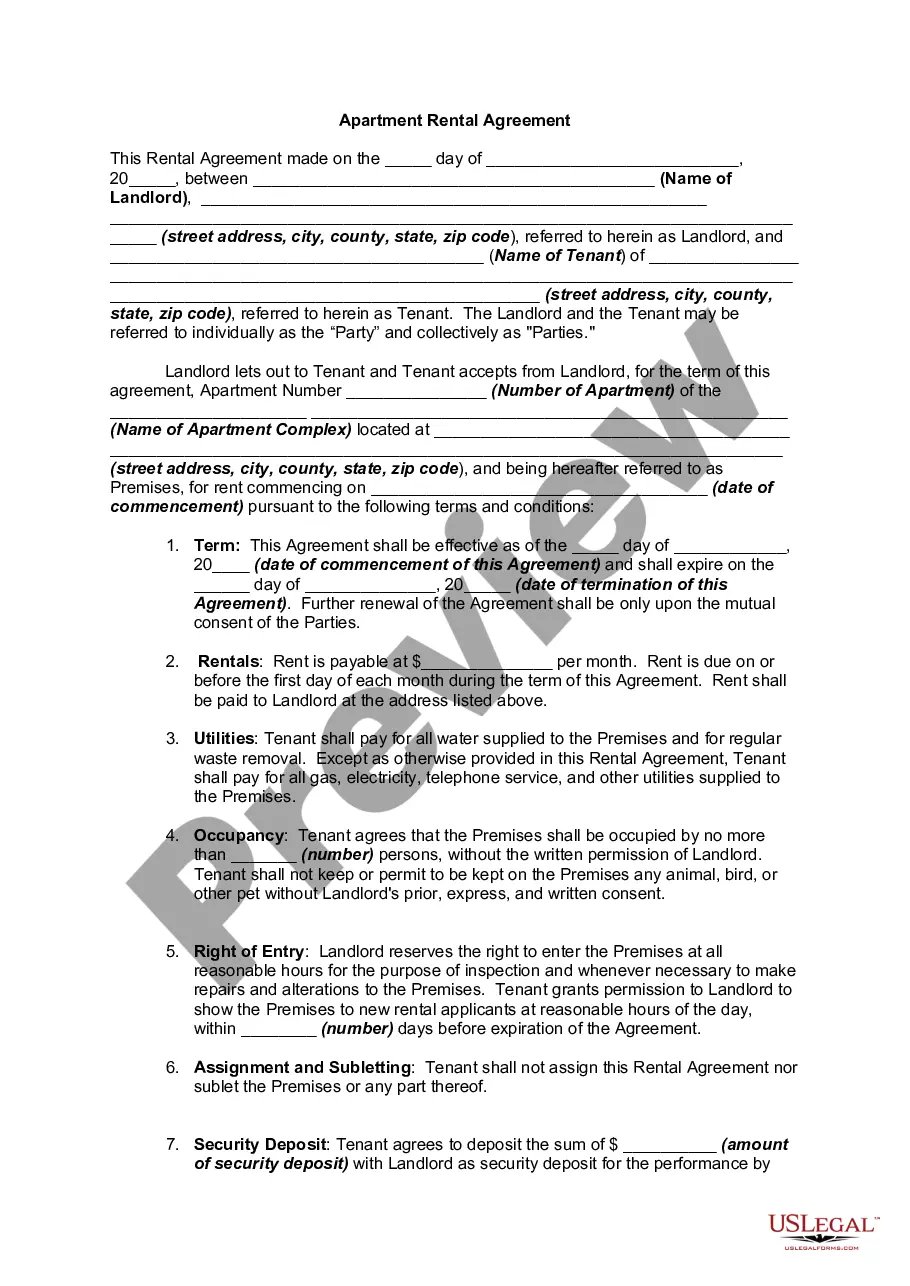
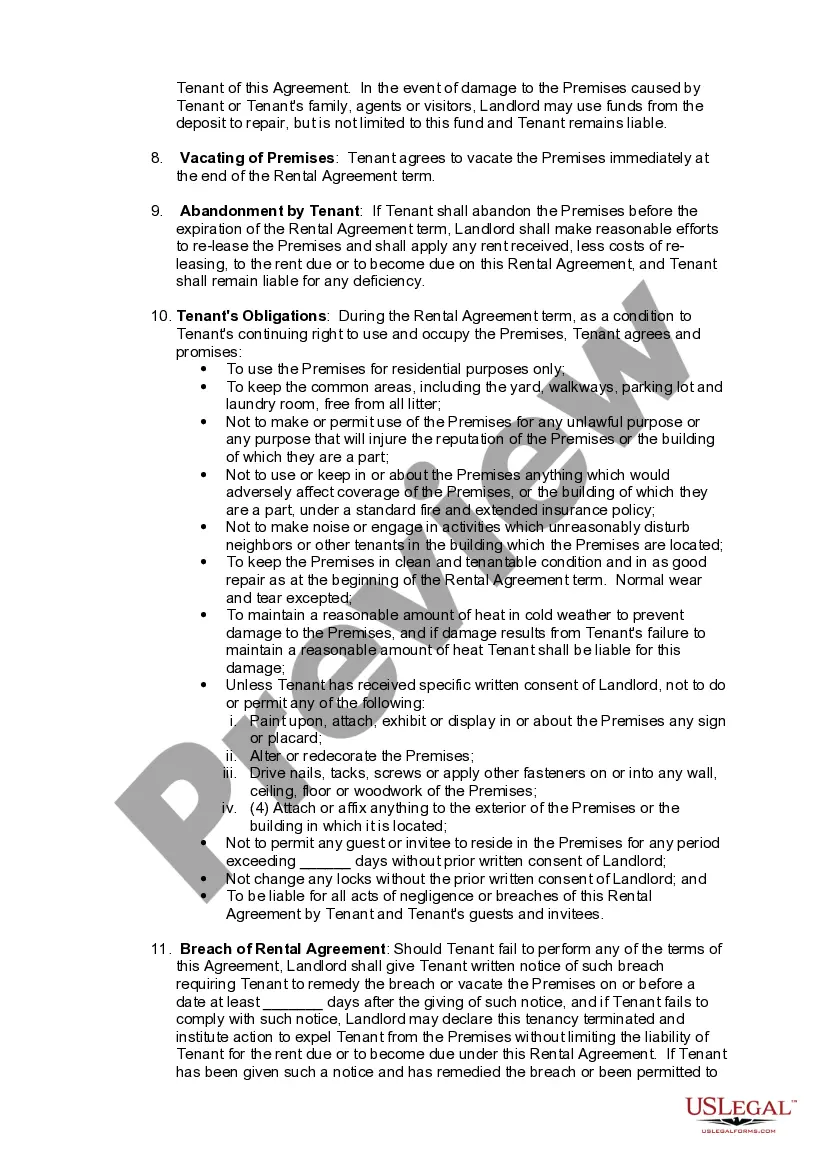
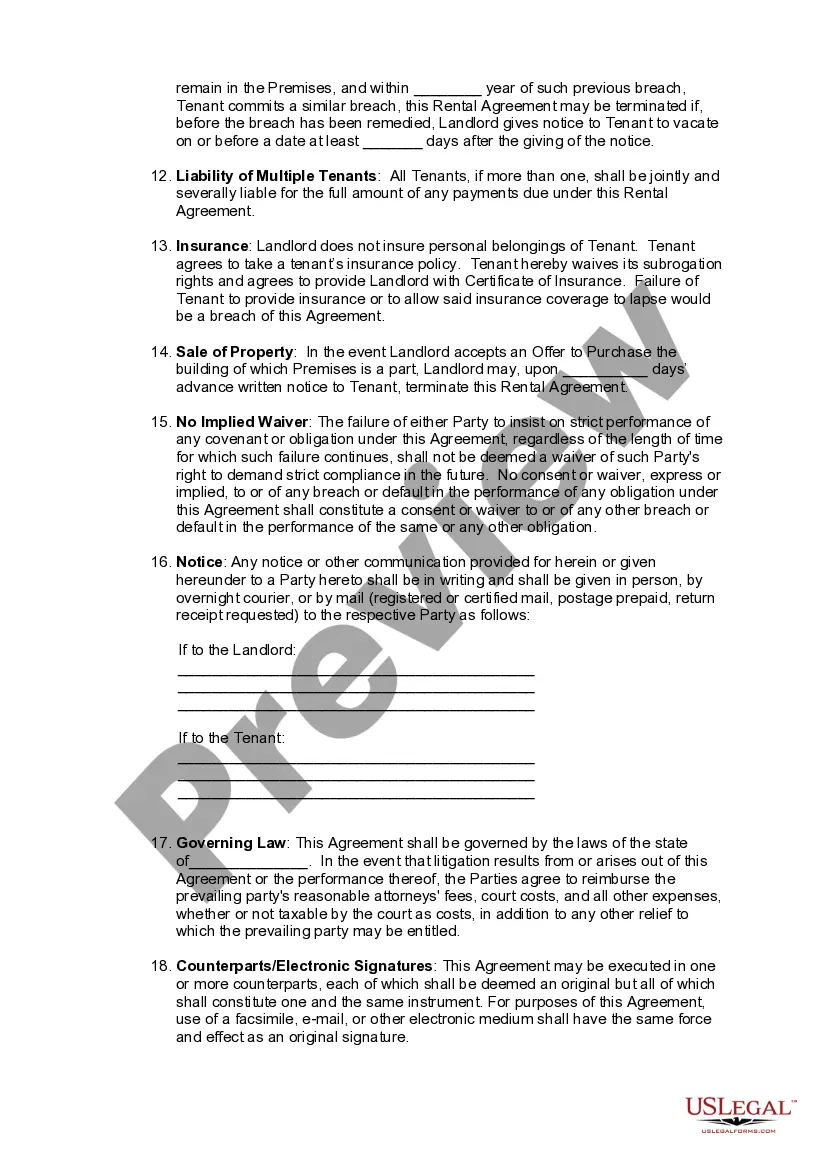
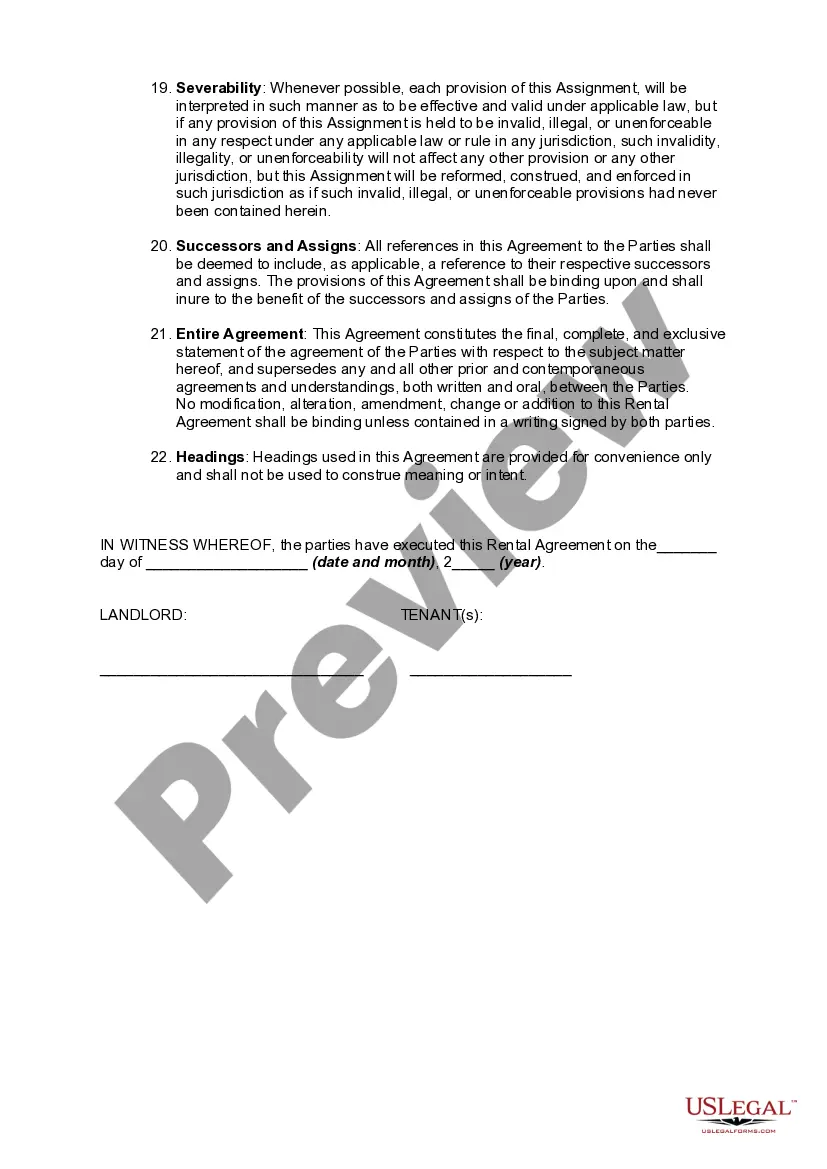
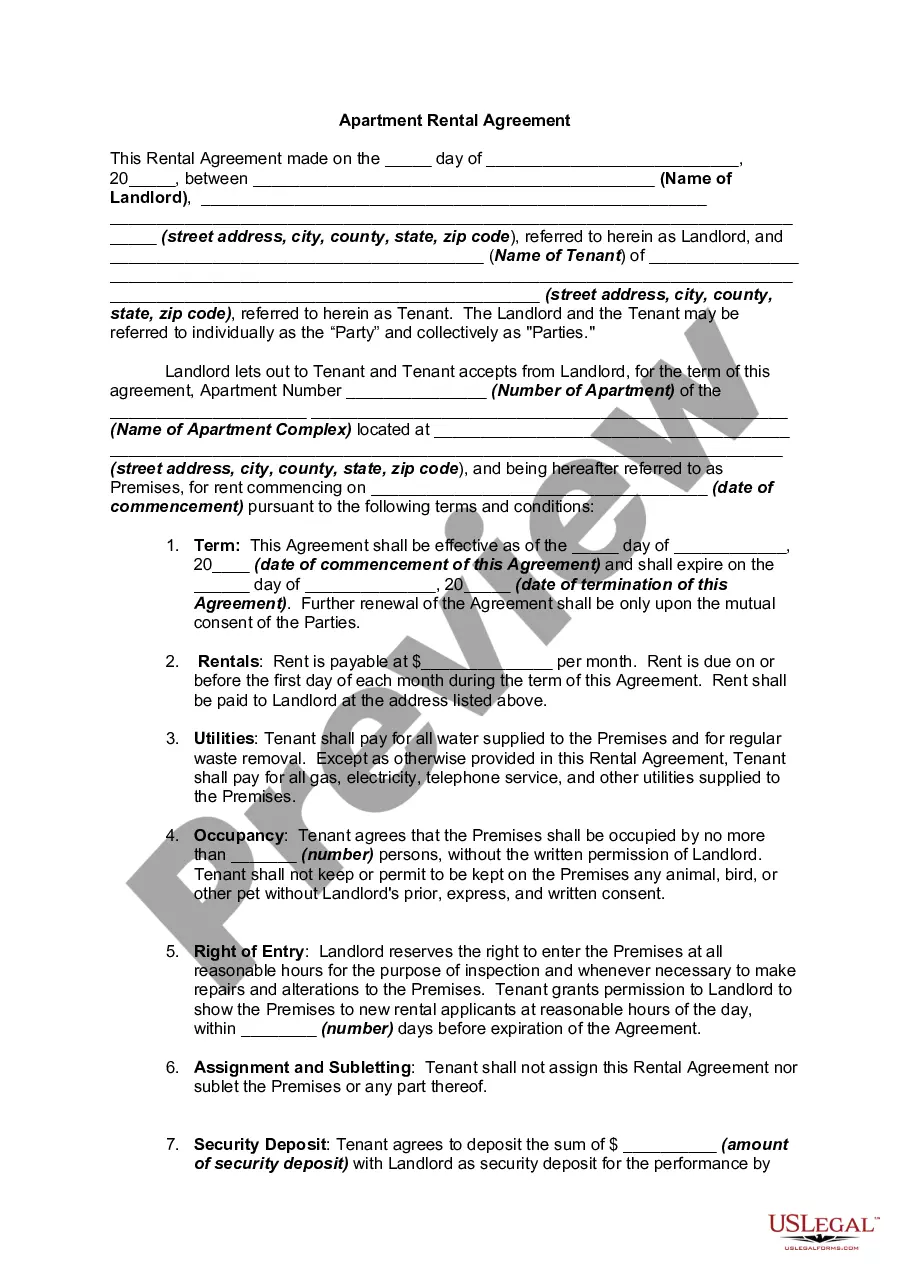
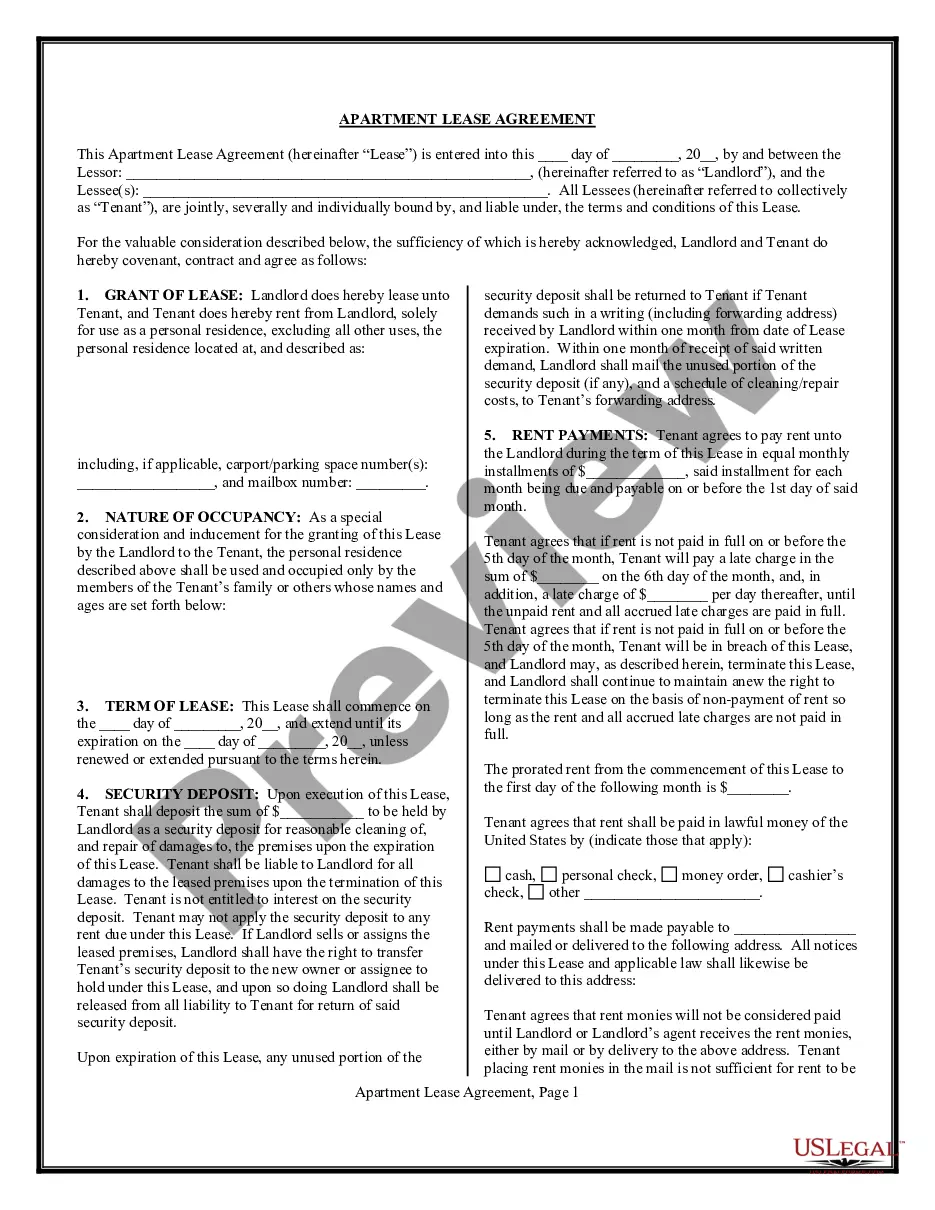
Get your form ready online
Our built-in tools help you complete, sign, share, and store your documents in one place.
Make edits, fill in missing information, and update formatting in US Legal Forms—just like you would in MS Word.
Download a copy, print it, send it by email, or mail it via USPS—whatever works best for your next step.
Sign and collect signatures with our SignNow integration. Send to multiple recipients, set reminders, and more. Go Premium to unlock E-Sign.
If this form requires notarization, complete it online through a secure video call—no need to meet a notary in person or wait for an appointment.
We protect your documents and personal data by following strict security and privacy standards.

Make edits, fill in missing information, and update formatting in US Legal Forms—just like you would in MS Word.

Download a copy, print it, send it by email, or mail it via USPS—whatever works best for your next step.

Sign and collect signatures with our SignNow integration. Send to multiple recipients, set reminders, and more. Go Premium to unlock E-Sign.

If this form requires notarization, complete it online through a secure video call—no need to meet a notary in person or wait for an appointment.

We protect your documents and personal data by following strict security and privacy standards.
Looking for another form?




Form popularity
FAQ
A lease is a legal, binding contract outlining the terms under which one party agrees to rent property owned by another party. It guarantees the tenant or lessee use of the property and guarantees the property owner or landlord regular payments for a specified period in exchange.
You must fill out a rental application and get it approved before renting an apartment. The application will ask for documentation of any previous rental history, personal references, proof of your income, and where you work. You'll give the property manager permission to run your credit history.
How to write a Texas lease agreement Begin by including the names and contact information of both the landlord and tenant. Describe the rental property, including its address and any unique features. Specify the lease term, including the move-in and move-out dates.
Follow these nine steps, and you'll be ready to tackle the renting process with confidence. Determine your budget. Identify your priorities. Ensure you have a good credit score. Search for an apartment. Take an apartment tour. Submit your rental application. Complete a background check. Read and sign the lease.
Renting an apartment isn't as easy as waltzing in and saying “I'll take it!”—particularly in today's competitive rental market. With many prospective tenants to choose from, landlords can be picky, and they will prioritize applicants with a track record of paying off debts and respecting their neighbors and community.
What to include in a lease renewal letter Date of the lease renewal letter. Name and information of tenant and landlord. Property address and unit number (if applicable). Reference expiration date of the existing lease. Rent amount of the new lease. Term of the new lease (such as renewing for another 12 months).
A "tenancy agreement" is the term more often associated with a residential letting for less than three years, whereas a "lease" is more generally used in relation to a commercial tenancy, and in the case of residential lettings, for in excess of three years.
Lifestyle and Flexibility Renting suits those who value the freedom to move on short notice. On the other hand, leasing is better for those seeking a stable, long-term home and are willing to commit to a fixed period.
The lease signing process has three steps. First, the landlord creates the lease and sends it to the renter. Then, the renter reviews the lease, signs it, and returns it to the landlord. The landlord then reviews the agreement once more and provides a final signature.
Housing (rent or mortgage) should not be more than 1/3 of your income before taxes. If you work full time (40 hours) at $12 per hour, that's $2000 per month, so you shouldn't spend more than $667 per month on housing. That's definitely going to restrict where you can live.
