Notice Beneficiaries Form With Decimals
Description

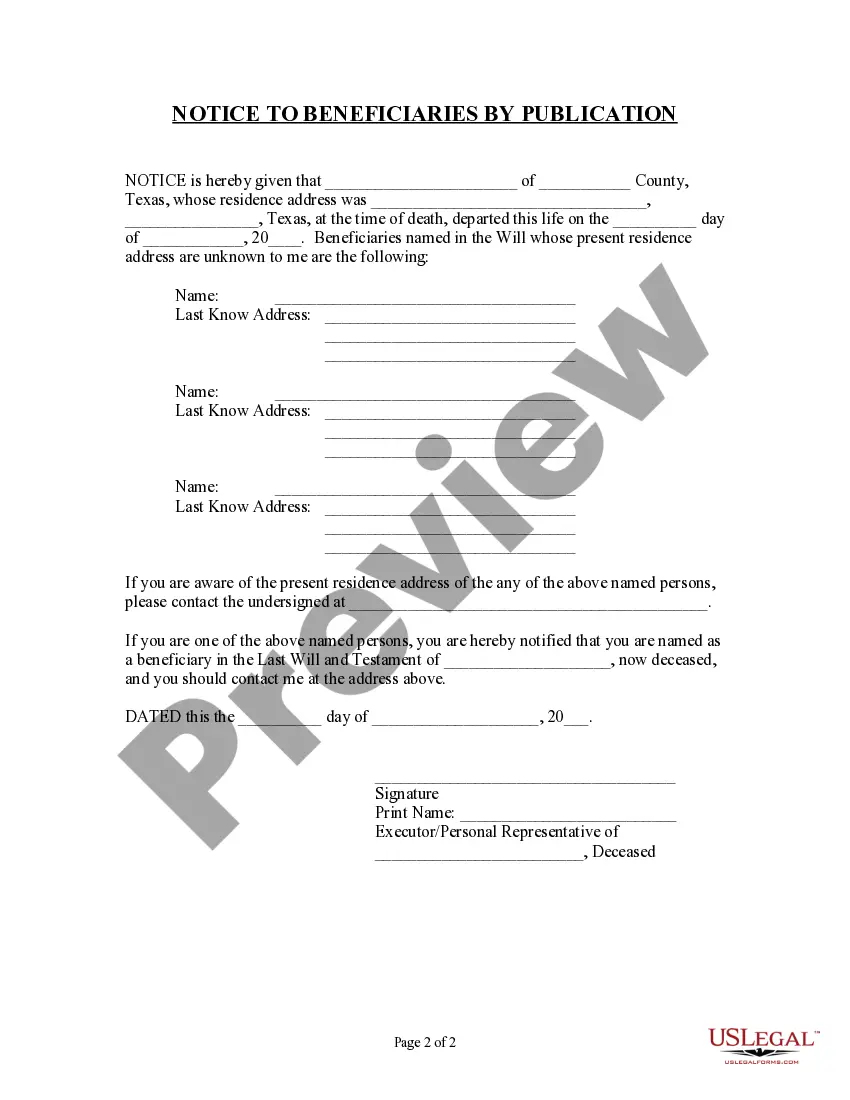
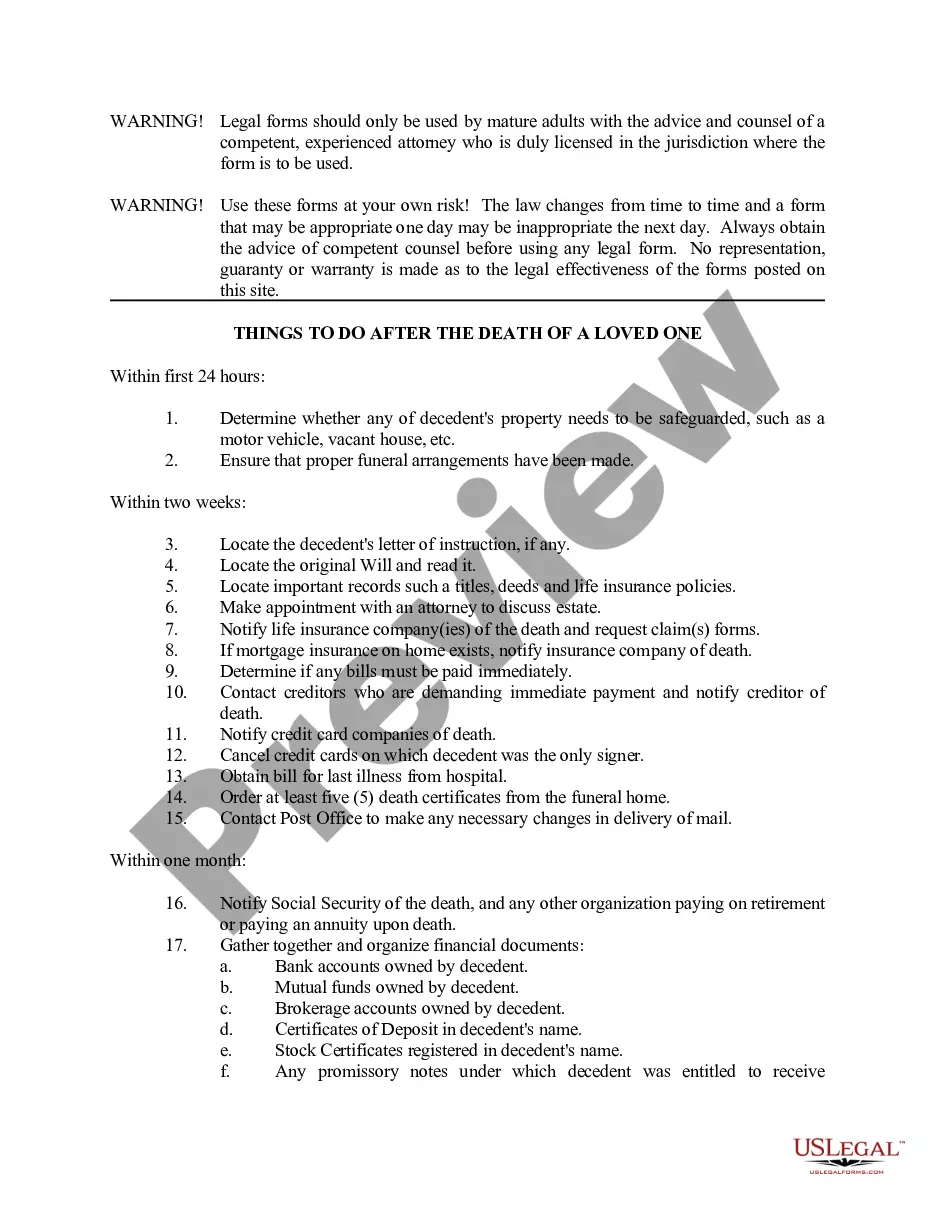
Get your form ready online
Our built-in tools help you complete, sign, share, and store your documents in one place.
Make edits, fill in missing information, and update formatting in US Legal Forms—just like you would in MS Word.
Download a copy, print it, send it by email, or mail it via USPS—whatever works best for your next step.
Sign and collect signatures with our SignNow integration. Send to multiple recipients, set reminders, and more. Go Premium to unlock E-Sign.
If this form requires notarization, complete it online through a secure video call—no need to meet a notary in person or wait for an appointment.
We protect your documents and personal data by following strict security and privacy standards.

Make edits, fill in missing information, and update formatting in US Legal Forms—just like you would in MS Word.

Download a copy, print it, send it by email, or mail it via USPS—whatever works best for your next step.

Sign and collect signatures with our SignNow integration. Send to multiple recipients, set reminders, and more. Go Premium to unlock E-Sign.

If this form requires notarization, complete it online through a secure video call—no need to meet a notary in person or wait for an appointment.

We protect your documents and personal data by following strict security and privacy standards.
Looking for another form?










How to fill out Texas Notice To Beneficiaries Of Being Named In Will?
It’s clear that you cannot become a legal specialist instantly, nor can you learn how to rapidly create a Notice Beneficiaries Form With Decimals without having a specific skill set.
Compiling legal documents is a lengthy process that necessitates particular training and expertise. So why not entrust the preparation of the Notice Beneficiaries Form With Decimals to the experts.
With US Legal Forms, one of the largest legal document collections, you can access everything from court papers to templates for in-office communication.
Start your search anew if you require any additional template.
Create a free account and select a subscription plan to purchase the template. Click Buy now. Once your payment is processed, you can download the Notice Beneficiaries Form With Decimals, fill it out, print it, and send or mail it to the designated individuals or entities.
- We recognize how vital compliance and adherence to federal and local statutes and regulations are.
- That’s why, on our platform, all forms are location-specific and current.
- Here’s how you can begin with our website and acquire the document you require in just a few minutes.
- Locate the form you need by utilizing the search bar at the top of the page.
- Preview it (if this option is available) and read the accompanying description to determine if the Notice Beneficiaries Form With Decimals is what you’re seeking.
Form popularity
FAQ
Spouse, partner, children, parents, brothers and sisters, business partner, key employee, trust and charitable organization.
Most beneficiary designations will require you to provide a person's full legal name and their relationship to you (spouse, child, mother, etc.). Some beneficiary designations also include information like mailing address, email, phone number, date of birth and Social Security number.
How to name a beneficiary on your 401(k) account. If you name a person as your beneficiary, you should provide their full legal name, mailing address, date of birth, and Social Security number. You may also be asked to explain their relationship to you.
Name only living persons as beneficiaries, unless you are naming a trust, your estate or an organization. Do not name the same person or organization as both a primary and secondary beneficiary. Do not use the word ?or? when designating multiple beneficiaries. Do not impose any conditions on payment.
If you decide to have more than one beneficiary, you will allocate a percentage of the death benefit for each, so that the total allocation equals 100%. A simple example of this would be allocating 50% to your partner, and 25% to each of your two children, for a total of 100%.