Texas Motion Order Form Template
Description
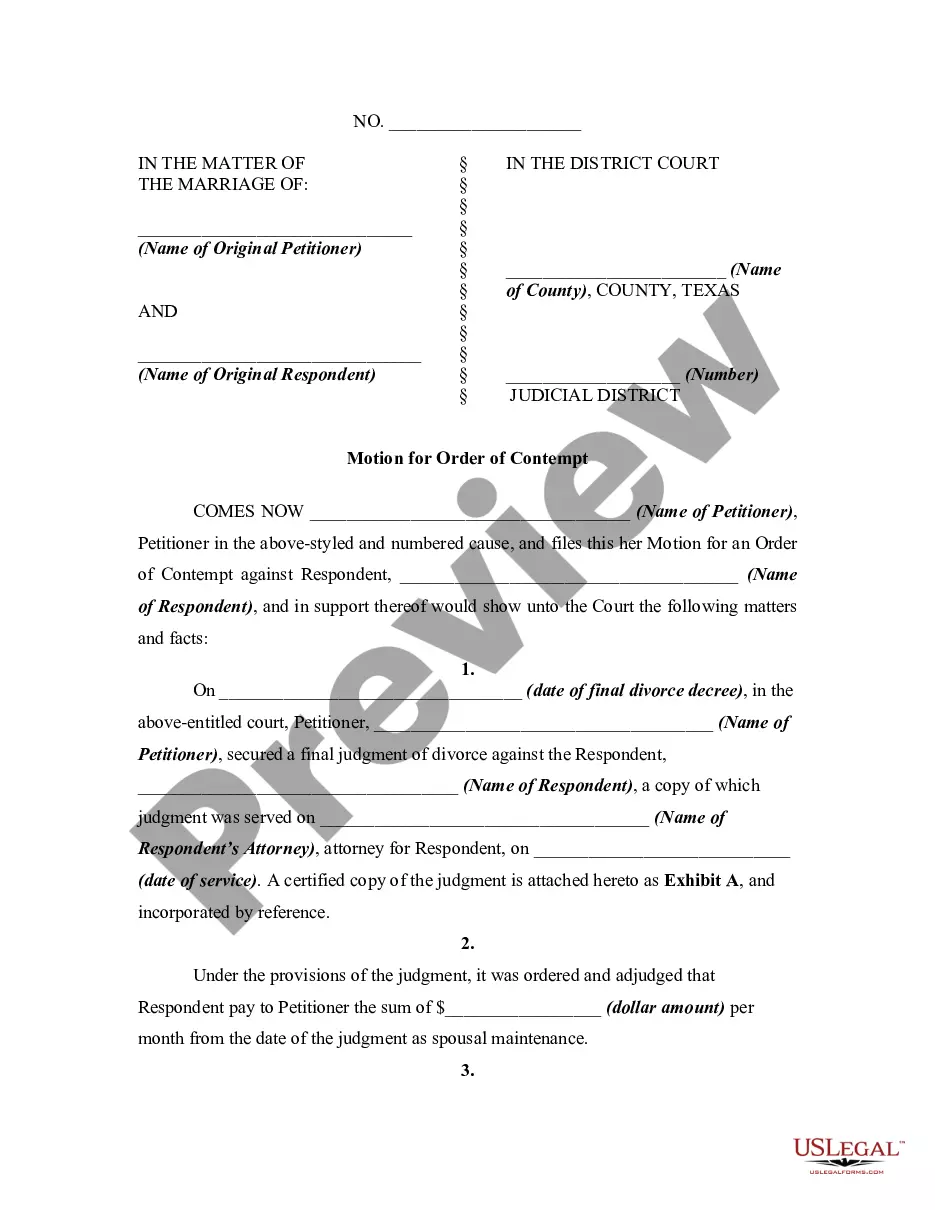
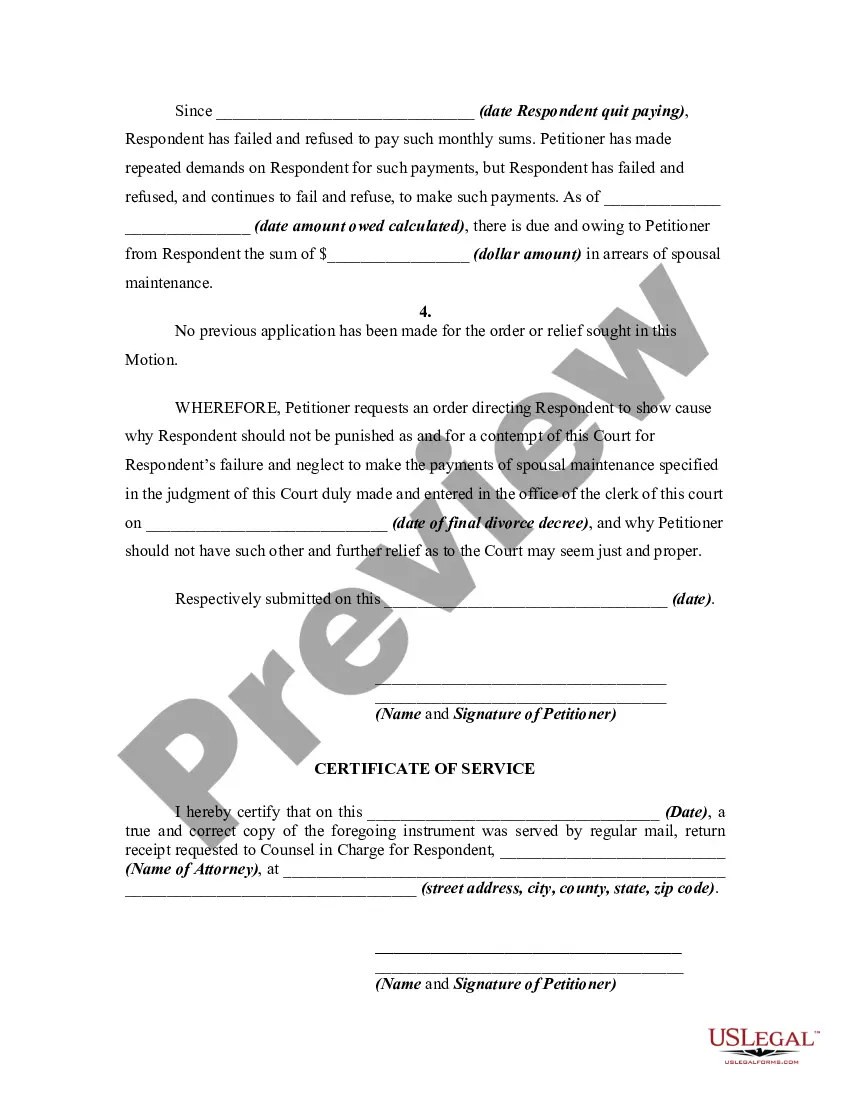

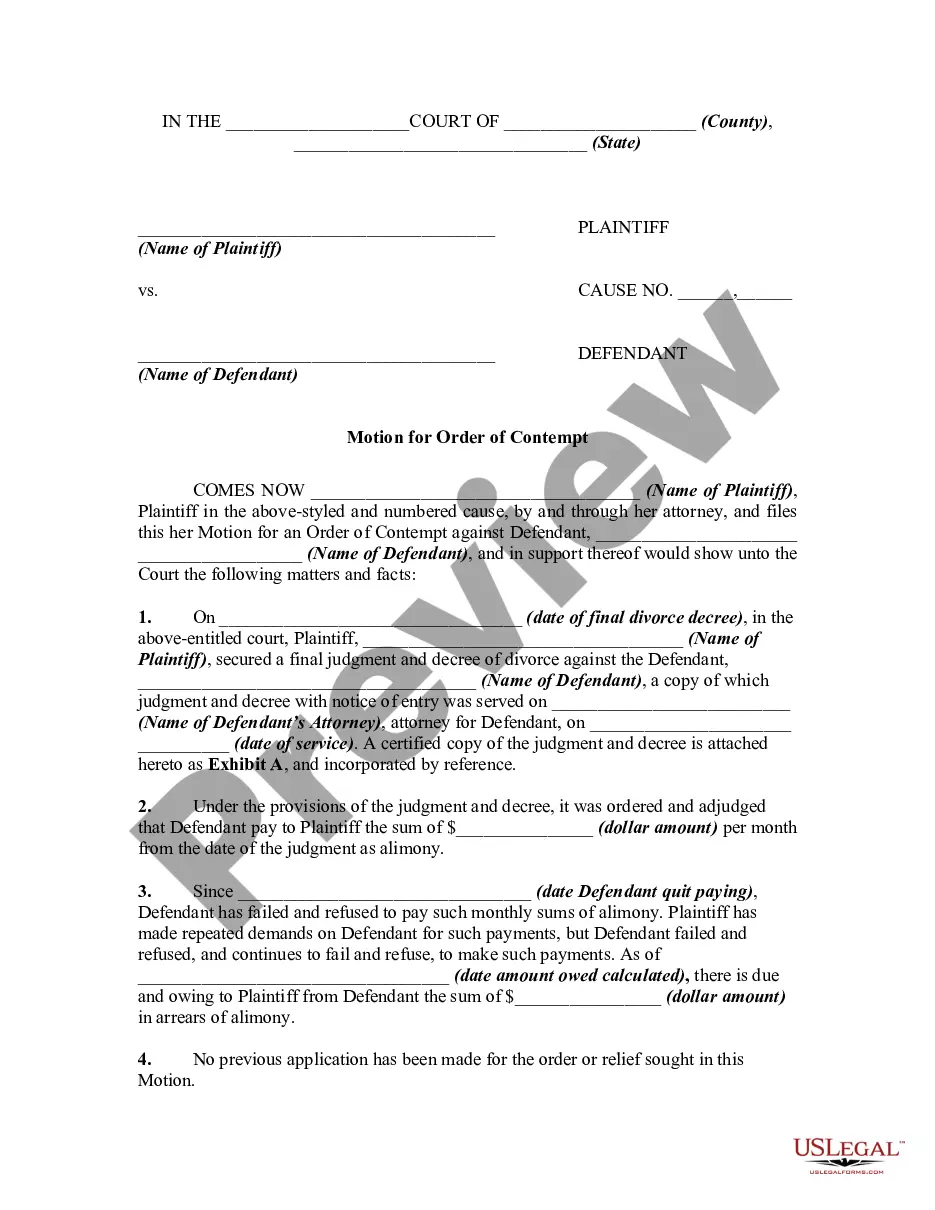
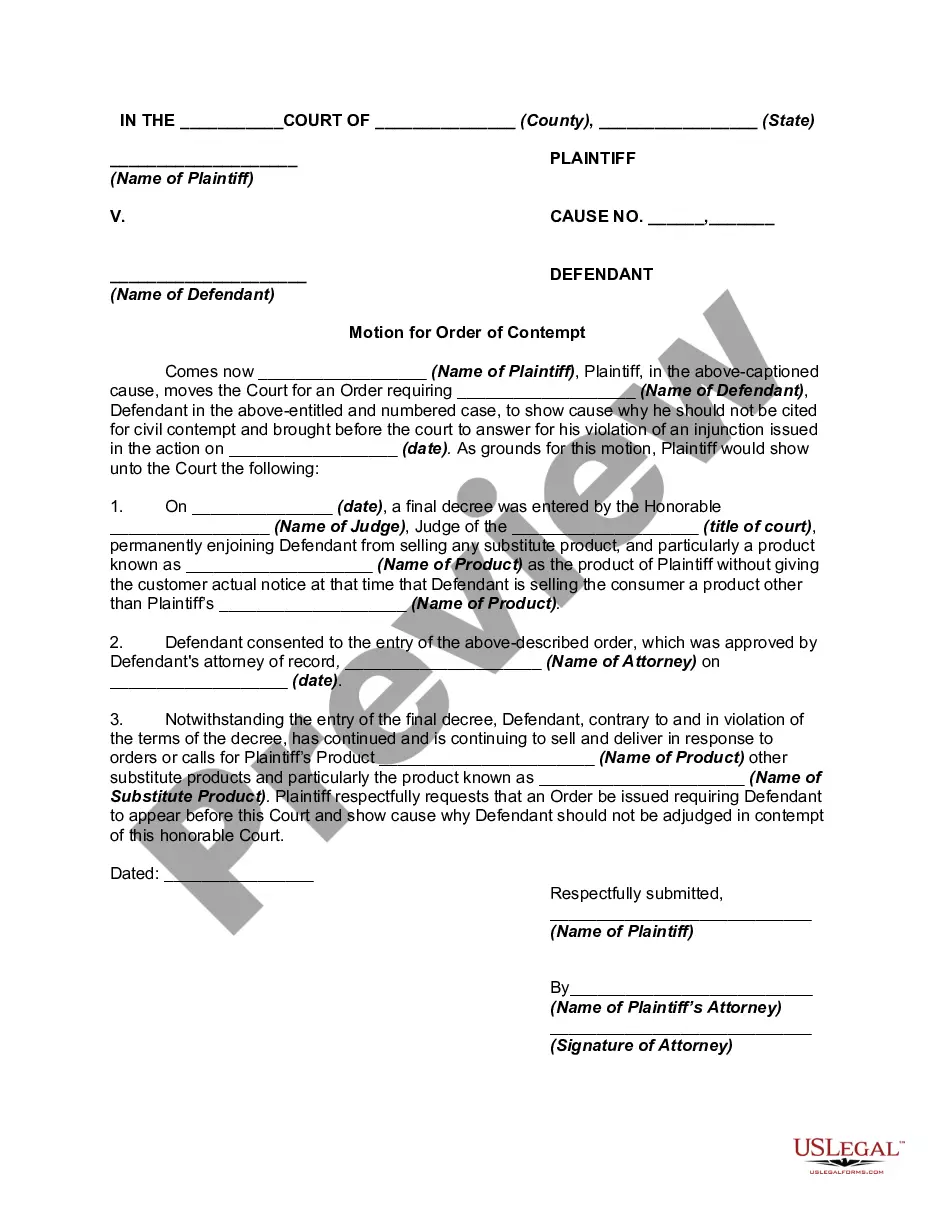
Get your form ready online
Our built-in tools help you complete, sign, share, and store your documents in one place.
Make edits, fill in missing information, and update formatting in US Legal Forms—just like you would in MS Word.
Download a copy, print it, send it by email, or mail it via USPS—whatever works best for your next step.
Sign and collect signatures with our SignNow integration. Send to multiple recipients, set reminders, and more. Go Premium to unlock E-Sign.
If this form requires notarization, complete it online through a secure video call—no need to meet a notary in person or wait for an appointment.
We protect your documents and personal data by following strict security and privacy standards.

Make edits, fill in missing information, and update formatting in US Legal Forms—just like you would in MS Word.

Download a copy, print it, send it by email, or mail it via USPS—whatever works best for your next step.

Sign and collect signatures with our SignNow integration. Send to multiple recipients, set reminders, and more. Go Premium to unlock E-Sign.

If this form requires notarization, complete it online through a secure video call—no need to meet a notary in person or wait for an appointment.

We protect your documents and personal data by following strict security and privacy standards.
Looking for another form?

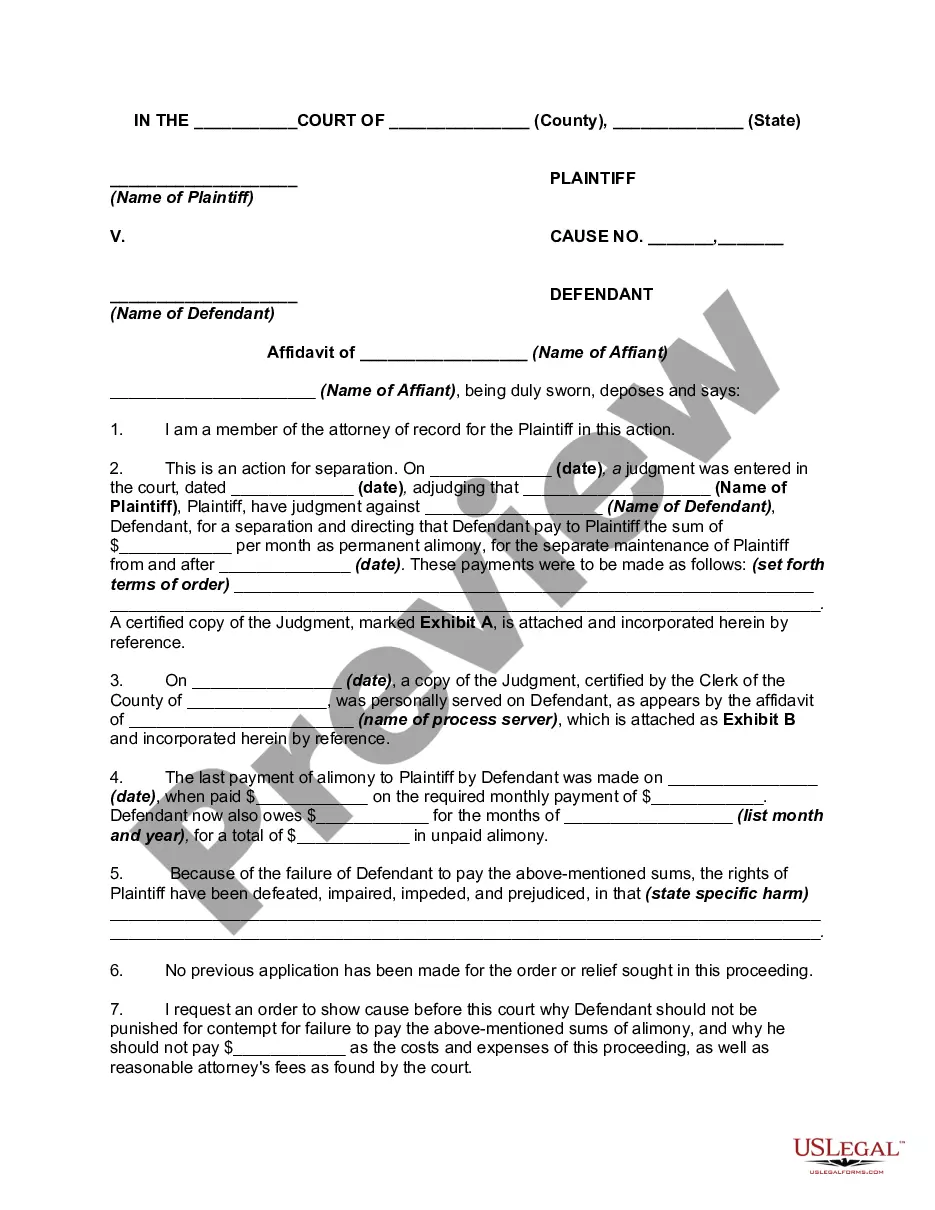
How to fill out Texas Motion For Order Of Contempt For Failure To Pay Spousal Maintenance?
Drafting legal documents from scratch can often be daunting. Certain scenarios might involve hours of research and hundreds of dollars invested. If you’re searching for an easier and more affordable way of creating Texas Motion Order Form Template or any other documents without the need of jumping through hoops, US Legal Forms is always at your disposal.
Our virtual library of over 85,000 up-to-date legal forms covers virtually every aspect of your financial, legal, and personal affairs. With just a few clicks, you can quickly access state- and county-specific templates diligently prepared for you by our legal professionals.
Use our website whenever you need a trustworthy and reliable services through which you can easily locate and download the Texas Motion Order Form Template. If you’re not new to our services and have previously created an account with us, simply log in to your account, locate the form and download it away or re-download it anytime later in the My Forms tab.
Don’t have an account? No problem. It takes minutes to register it and explore the library. But before jumping directly to downloading Texas Motion Order Form Template, follow these recommendations:
- Review the document preview and descriptions to make sure you have found the document you are searching for.
- Make sure the form you choose complies with the requirements of your state and county.
- Choose the right subscription option to get the Texas Motion Order Form Template.
- Download the file. Then fill out, certify, and print it out.
US Legal Forms has a spotless reputation and over 25 years of expertise. Join us now and turn document execution into something easy and streamlined!
Form popularity
FAQ
Unless made orally during a hearing or trial, motions should be in writing, should state the action sought, and should set forth the facts. Motions are the primary way for litigants to ask the Court to take action in a case. They must be filed with the Clerk, and copies must be mailed to all opposing parties (L.R.
A proposed order is the order you would like the court to sign if your request is granted.
At or before the hearing, give the judge a ?proposed order.? A proposed order is a document describing the things you want the judge to order. Make sure you give a copy of the proposed order to the lawyer or person on the other side of the case.
Be as persuasive as possible as you write your motion in a sequential, logical format. Express your ideas clearly, and make sure you outline what steps are necessary and how they will help your case. Use facts of the case whenever you can to avoid baseless emotional appeals.
A motion is an application to the court made by the prosecutor or defense attorney, requesting that the court make a decision on a certain issue before the trial begins. The motion can affect the trial, courtroom, defendants, evidence, or testimony. Only judges decide the outcome of motions.