Attorney Contempt Of Court Stroke
Description
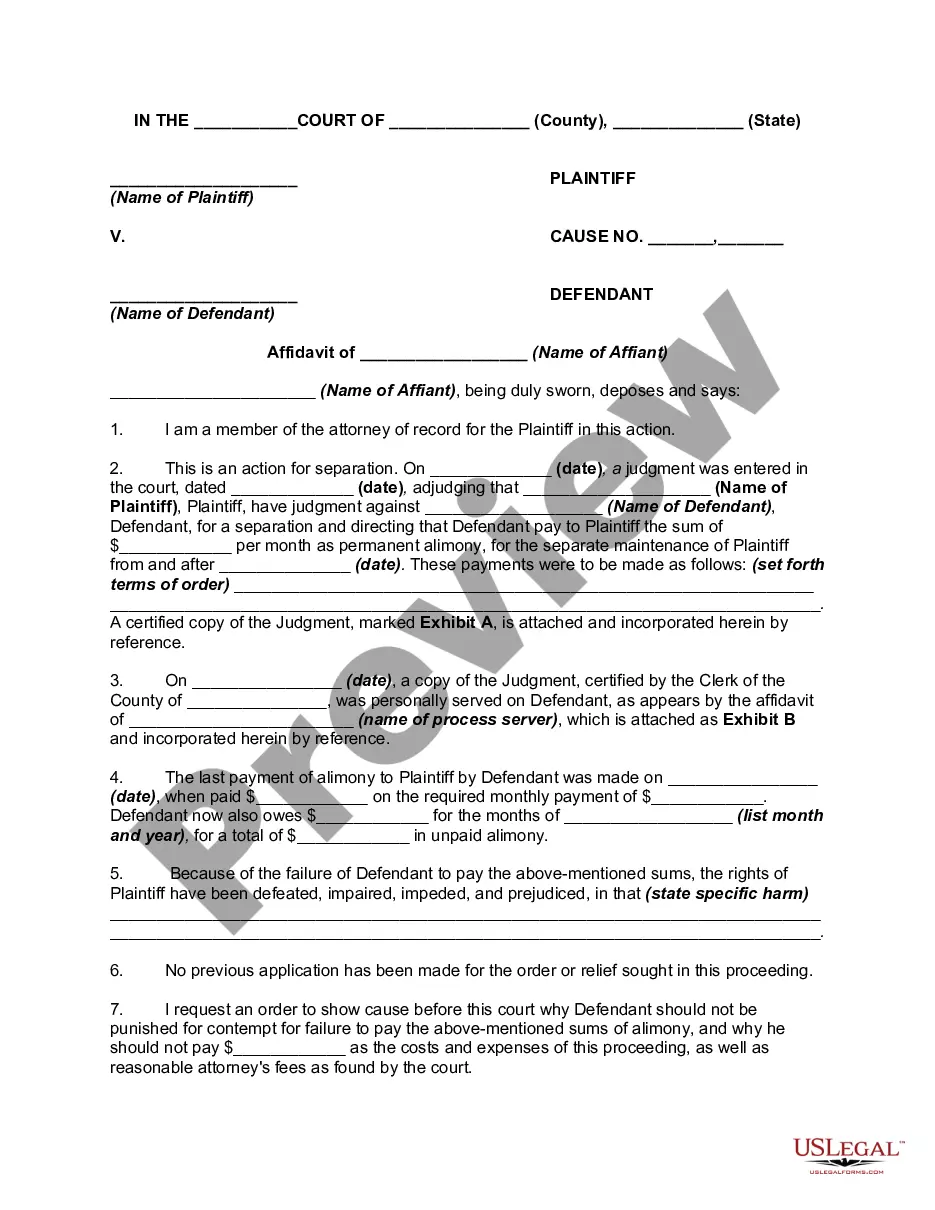
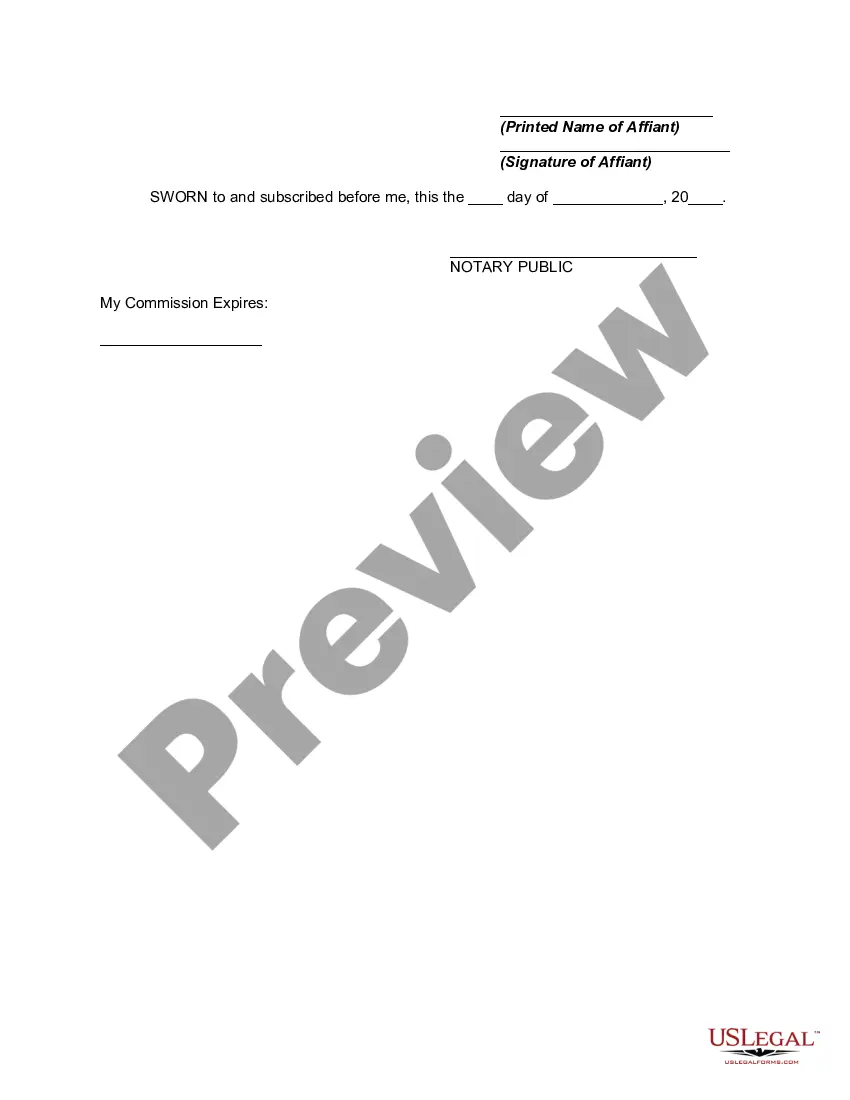
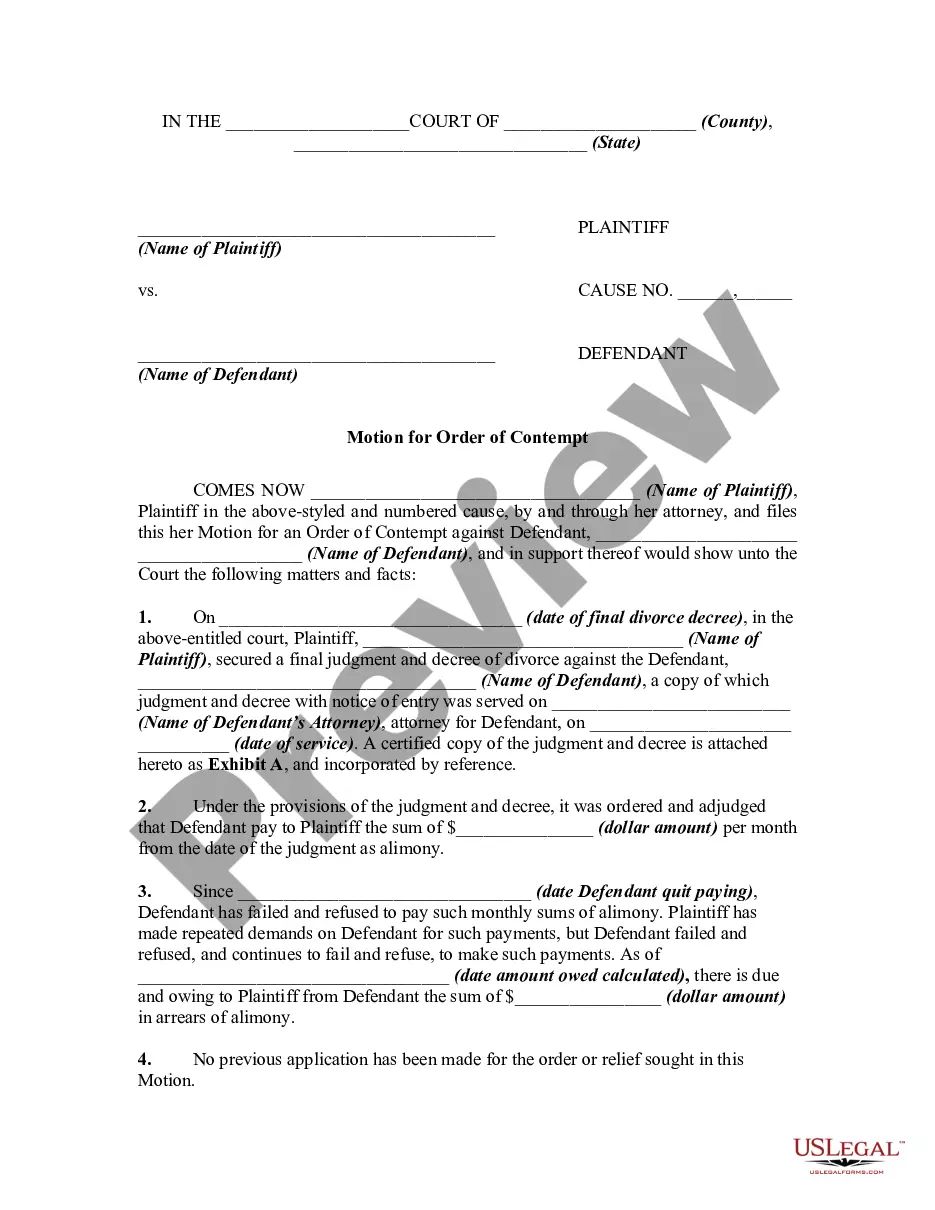
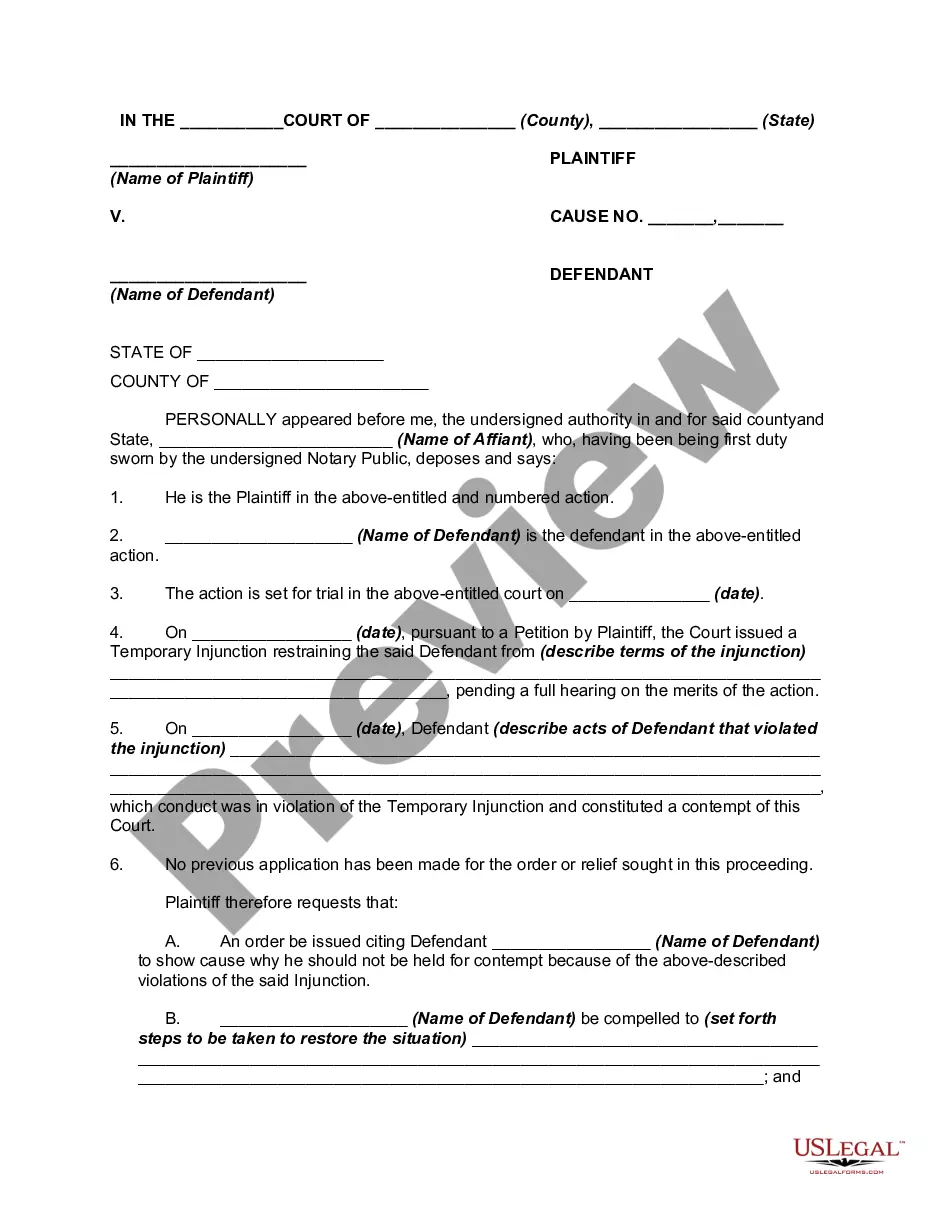
Get your form ready online
Our built-in tools help you complete, sign, share, and store your documents in one place.
Make edits, fill in missing information, and update formatting in US Legal Forms—just like you would in MS Word.
Download a copy, print it, send it by email, or mail it via USPS—whatever works best for your next step.
Sign and collect signatures with our SignNow integration. Send to multiple recipients, set reminders, and more. Go Premium to unlock E-Sign.
If this form requires notarization, complete it online through a secure video call—no need to meet a notary in person or wait for an appointment.
We protect your documents and personal data by following strict security and privacy standards.

Make edits, fill in missing information, and update formatting in US Legal Forms—just like you would in MS Word.

Download a copy, print it, send it by email, or mail it via USPS—whatever works best for your next step.

Sign and collect signatures with our SignNow integration. Send to multiple recipients, set reminders, and more. Go Premium to unlock E-Sign.

If this form requires notarization, complete it online through a secure video call—no need to meet a notary in person or wait for an appointment.

We protect your documents and personal data by following strict security and privacy standards.
Looking for another form?
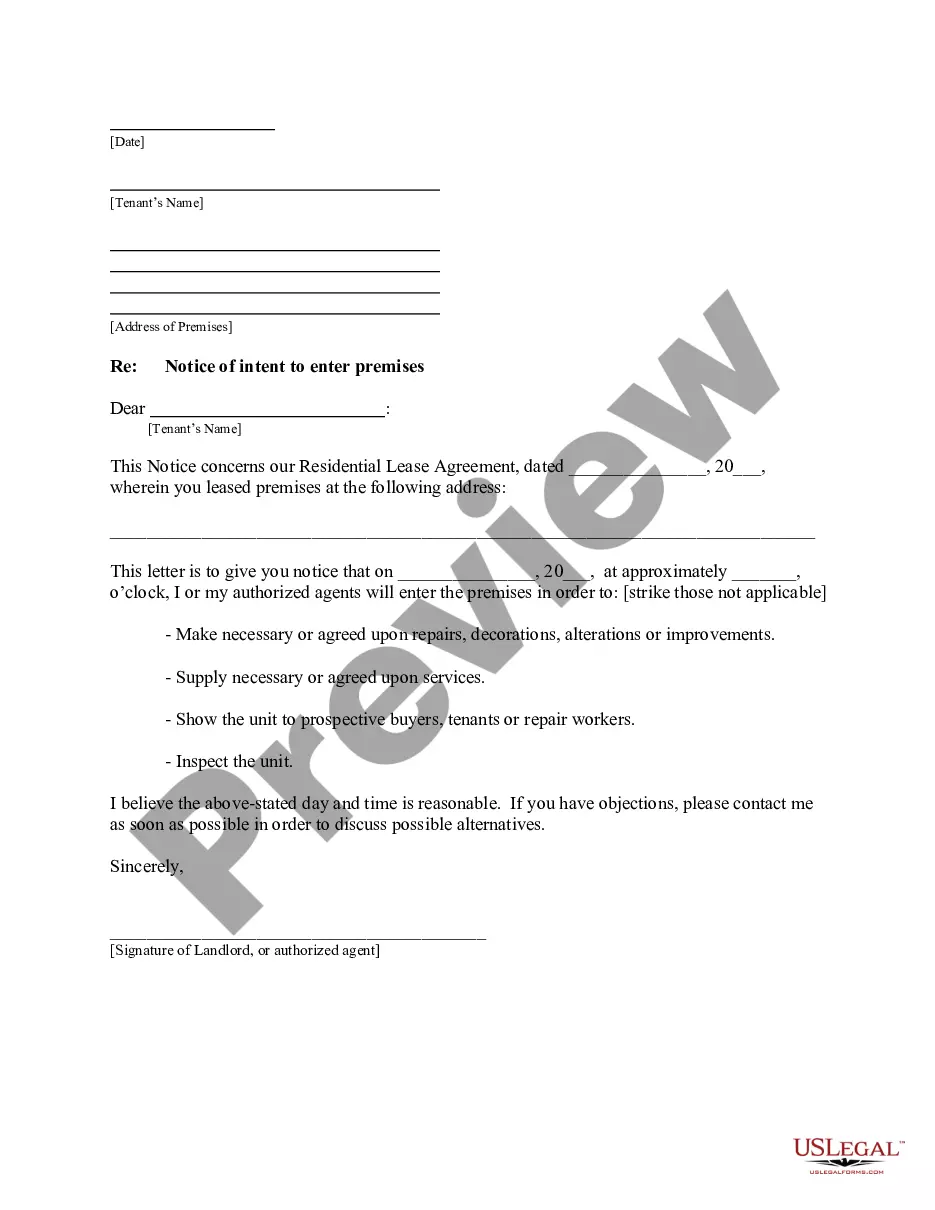
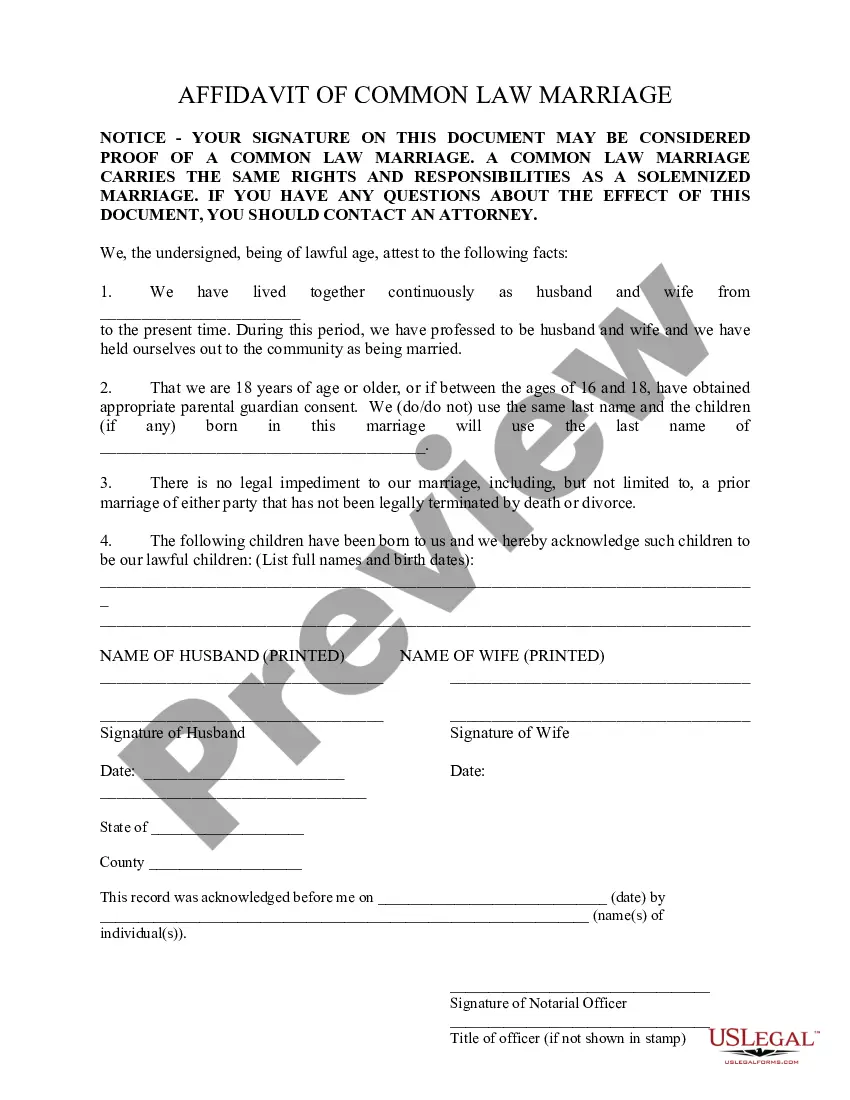
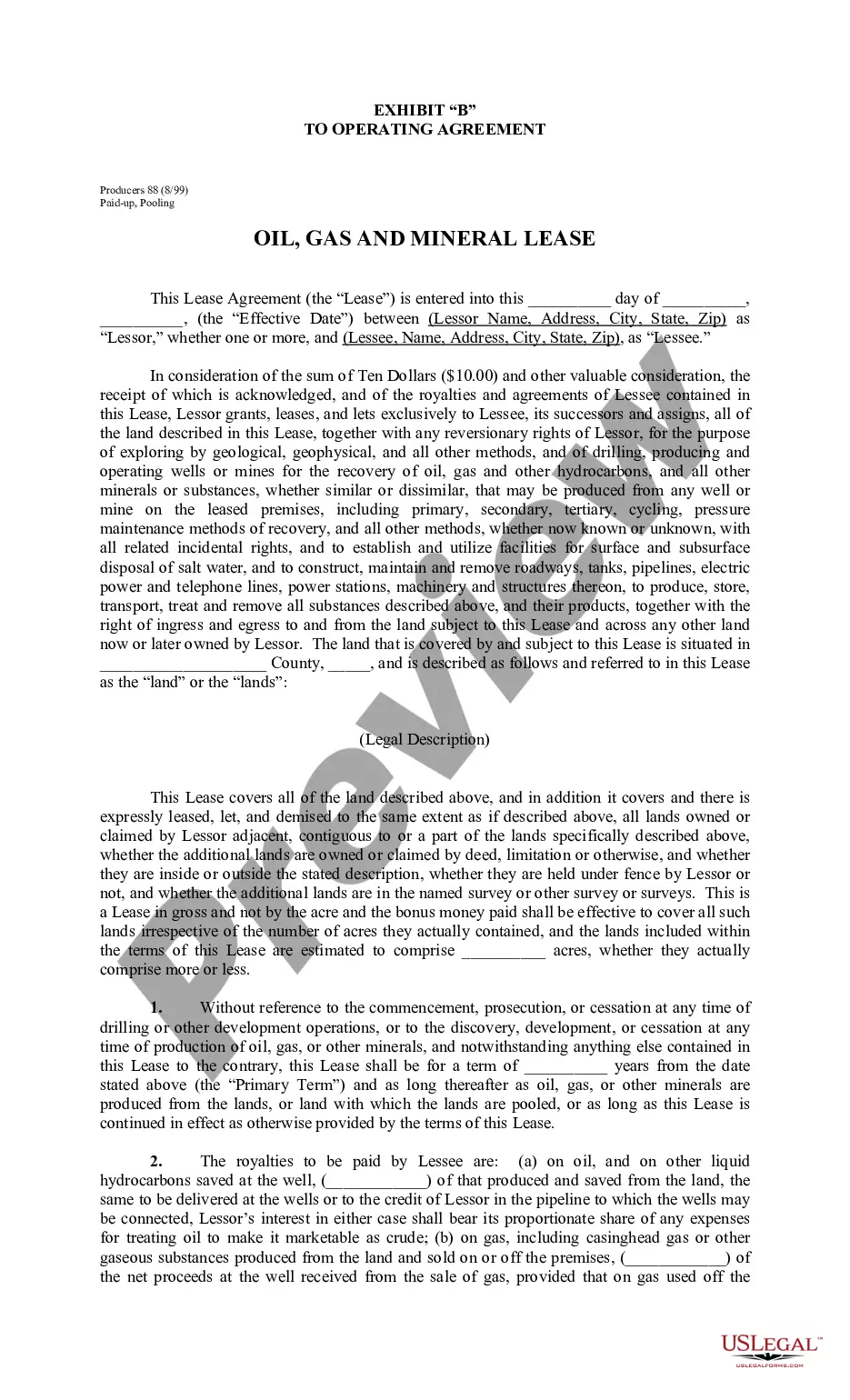
How to fill out Affidavit By Attorney And Request For Order In Support Of Motion To Punish Defendant For Contempt Due To Failure To Pay Alimony Or Spousal Support?
Managing legal documents can be daunting, even for the most experienced professionals.
When searching for an Attorney Contempt Of Court Stroke and lacking the time to find the correct and current version, the process can be overwhelming.
Access legal and business forms tailored to your state or county. US Legal Forms addresses every requirement you may have, from personal to business documents, all consolidated in one site.
Employ sophisticated tools to complete and manage your Attorney Contempt Of Court Stroke.
Here are the steps to follow after downloading the required form.
Verify that this is the correct document by previewing and reviewing its details.
Ensure that the template is recognized in your state or county.
- Gain access to a resource library of articles, guides, and handbooks pertinent to your circumstances and needs.
- Conserve time and effort in acquiring the necessary documents, and utilize US Legal Forms’ advanced search and Review feature to locate and download Attorney Contempt Of Court Stroke.
- If you hold a membership, Log In to your US Legal Forms account, locate the form, and download it.
- Visit the My documents tab to review the documents you’ve previously saved and manage your folders accordingly.
- If this is your initial experience with US Legal Forms, create a complimentary account and enjoy unlimited access to the platform's advantages.
Click Buy Now when you're ready.
Choose a subscription option.
Select the file format needed, then Download, complete, sign, print, and send your document.
Leverage the US Legal Forms web catalog, supported by 25 years of expertise and dependability. Revolutionize your routine document management into an effortless and user-friendly experience today.
- Utilize a robust online form repository to transform the way you handle these situations effectively.
- US Legal Forms stands as a leader in online legal documents, boasting over 85,000 state-specific legal forms accessible at any moment.
- With US Legal Forms, you can.
Form popularity
FAQ
Some of the most common types of release forms include photo, model, property, and copyright release forms. They're all designed to protect a photographer's work and outline publishing rules for the photos.
Because a photo copyright release form isn't standardized, photographers create their own document, then have it notarized or approved by an attorney. Use business letterhead paper to create the document. ... State who owns the copyright. ... Describe and name the images(s) to be released. ... Explain the release usage.
However, photo releases should contain the following components: Names. Names of both parties should be included in a photo release to properly identify who is either granting or receiving permission to use the photos. Terms. ... Description of the shoot. ... Agreement statement. ... Dated signature.
How Do You Write a Release Form? The first step in writing is identifying all parties involved, including the releaser and the release. Specify the activity or event in detail, such as a photo shoot, a video production, or a performance. Clearly specify what is being released, whether liability, claims, or damages.
I understand that my image may be edited, copied, exhibited, published or distributed and waive the right to inspect or approve the finished product wherein my likeness appears. Additionally, I waive any right to royalties or other compensation arising or related to the use of my image or recording.
It is generally accepted to snap a photo of a person in a public place without a release form. However, if you use that photo for specific commercial purposes, like promoting a product, it's better to be safe and get the release form.
Photo release forms are typically needed any time a photographer or company wants to use an individual's likeness or property for promotional purposes. They need to agree on a set of terms and conditions with the photo subject to avoid potential legal issues that could arise with image use.