Spousal Maintenance Form Document With Spouse
Description
Get your form ready online
Our built-in tools help you complete, sign, share, and store your documents in one place.
Make edits, fill in missing information, and update formatting in US Legal Forms—just like you would in MS Word.
Download a copy, print it, send it by email, or mail it via USPS—whatever works best for your next step.
Sign and collect signatures with our SignNow integration. Send to multiple recipients, set reminders, and more. Go Premium to unlock E-Sign.
If this form requires notarization, complete it online through a secure video call—no need to meet a notary in person or wait for an appointment.
We protect your documents and personal data by following strict security and privacy standards.

Make edits, fill in missing information, and update formatting in US Legal Forms—just like you would in MS Word.

Download a copy, print it, send it by email, or mail it via USPS—whatever works best for your next step.

Sign and collect signatures with our SignNow integration. Send to multiple recipients, set reminders, and more. Go Premium to unlock E-Sign.

If this form requires notarization, complete it online through a secure video call—no need to meet a notary in person or wait for an appointment.

We protect your documents and personal data by following strict security and privacy standards.
Looking for another form?
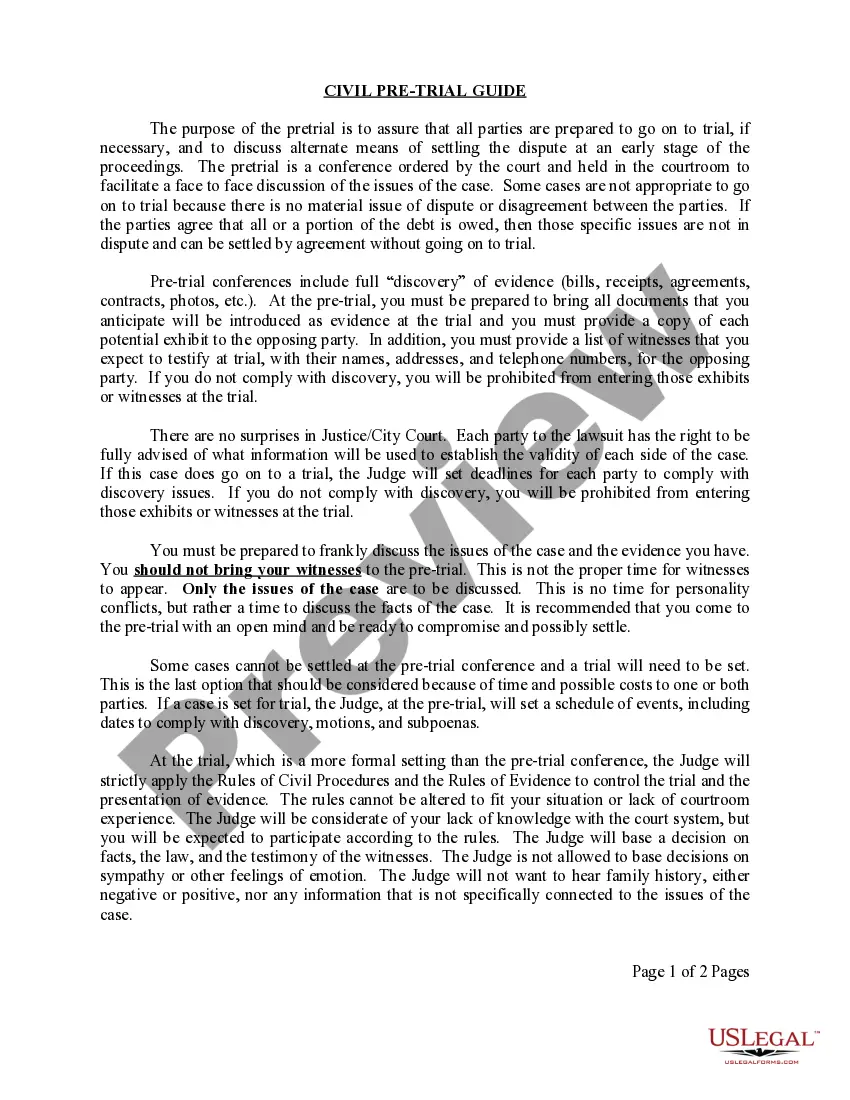
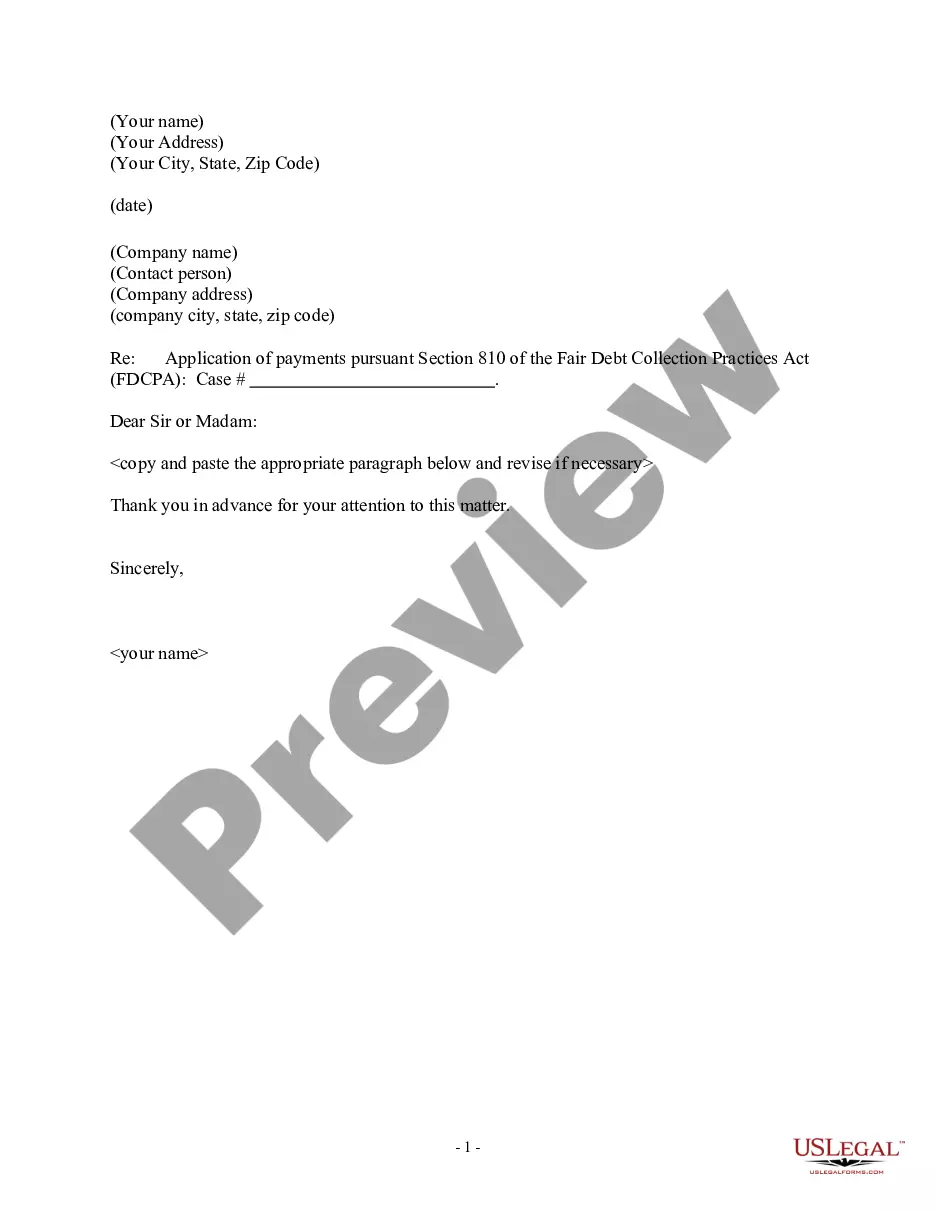
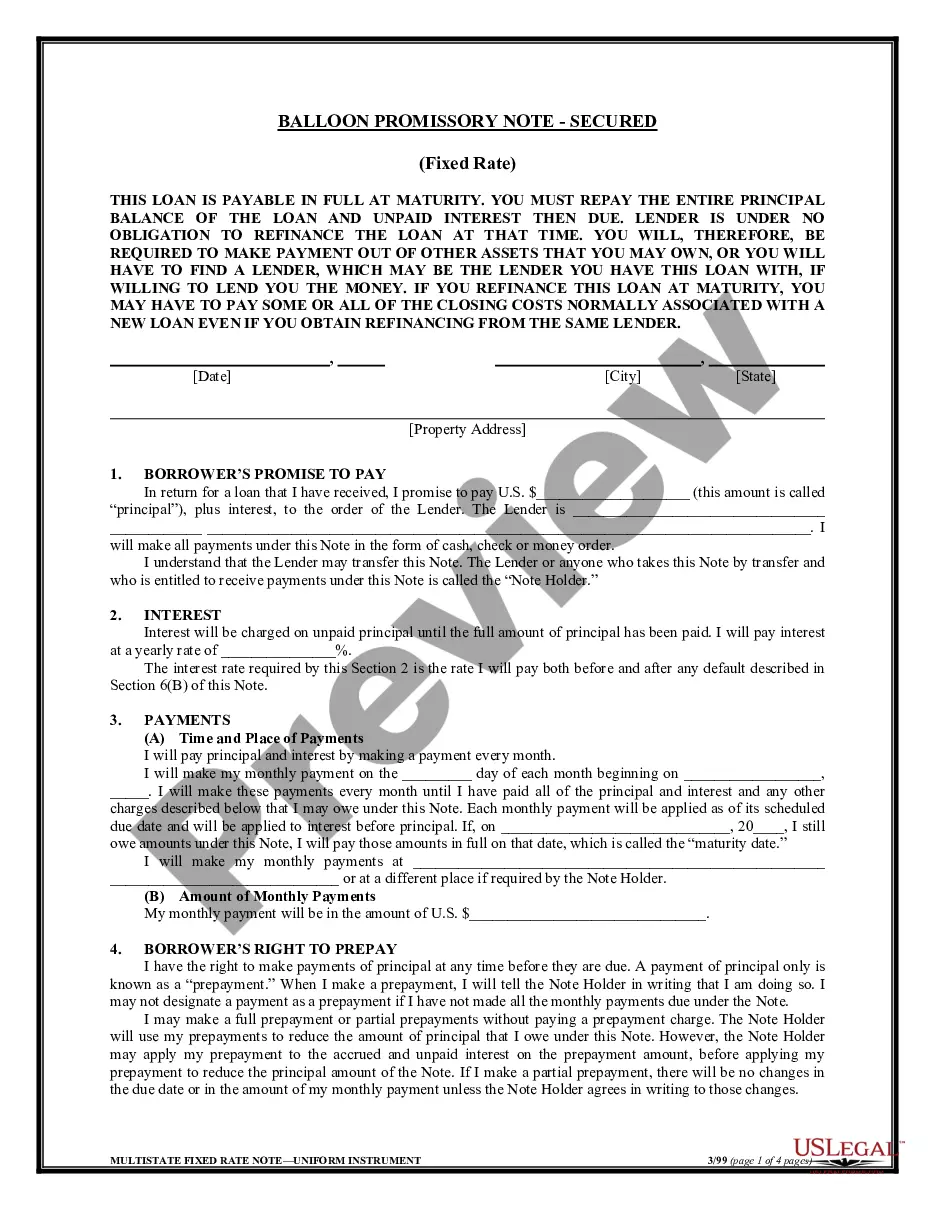
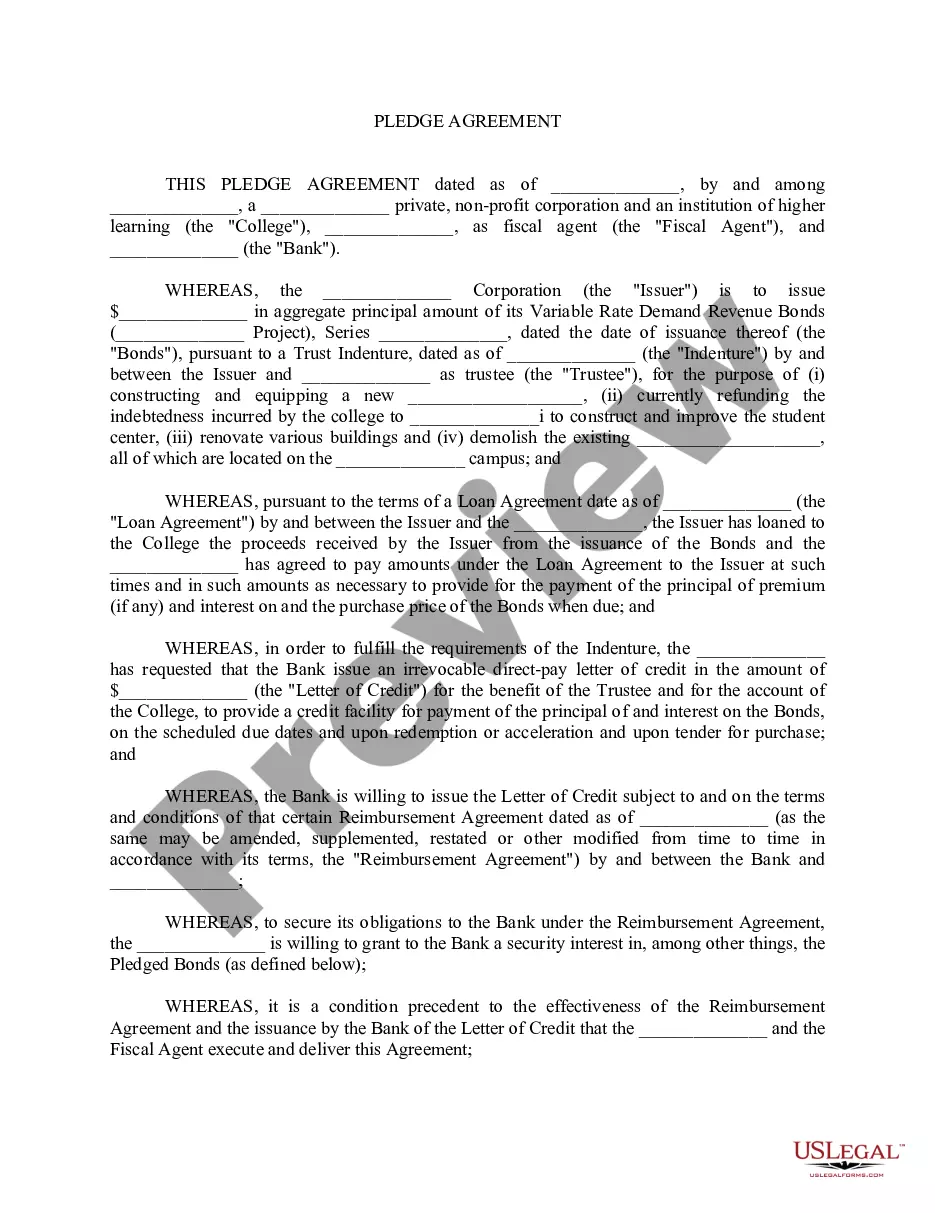
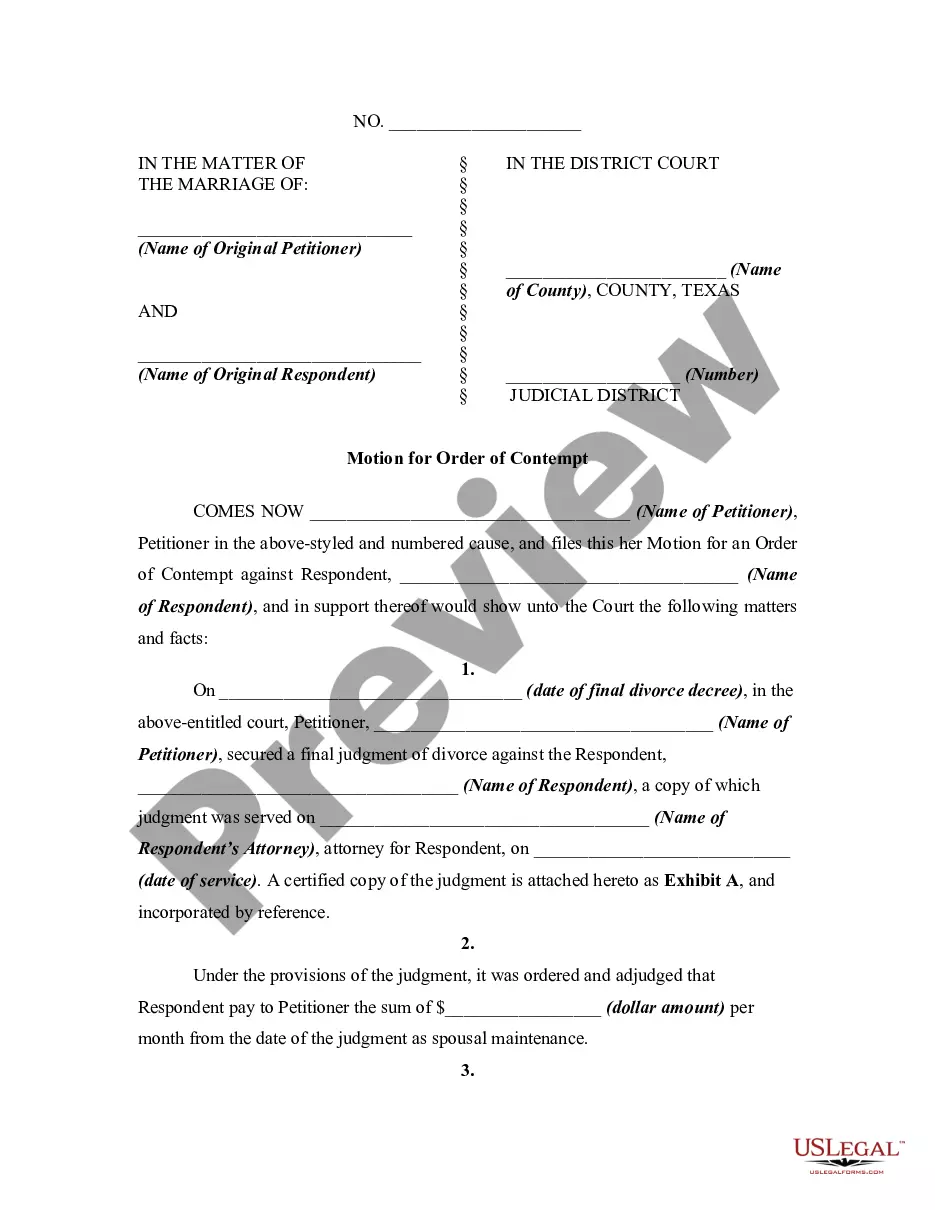
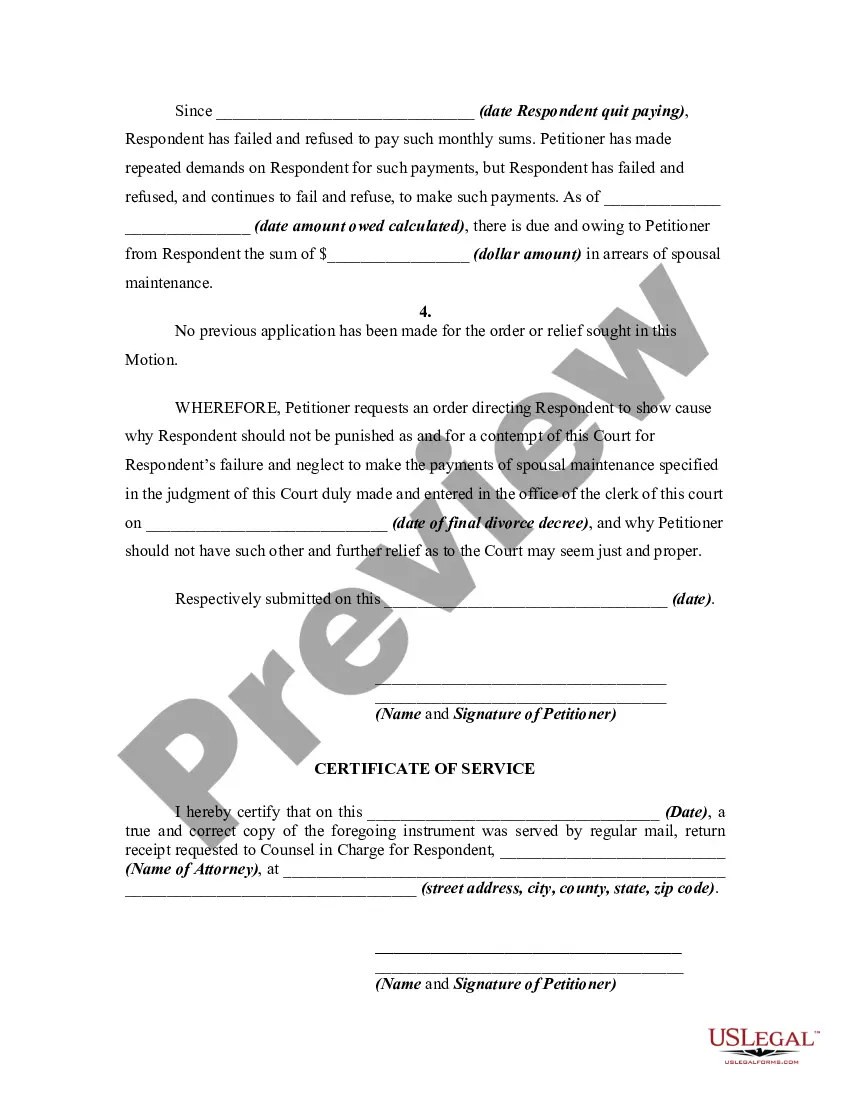
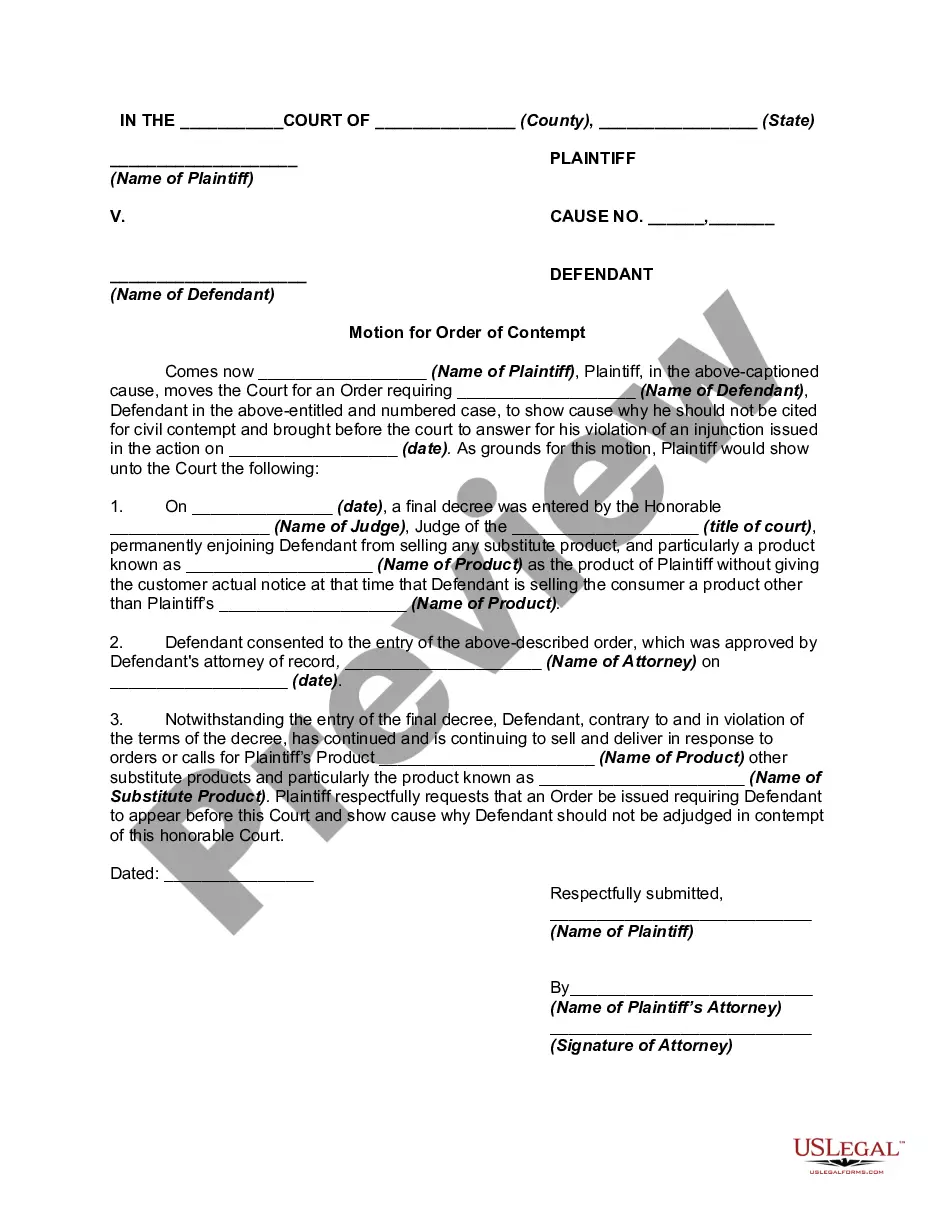
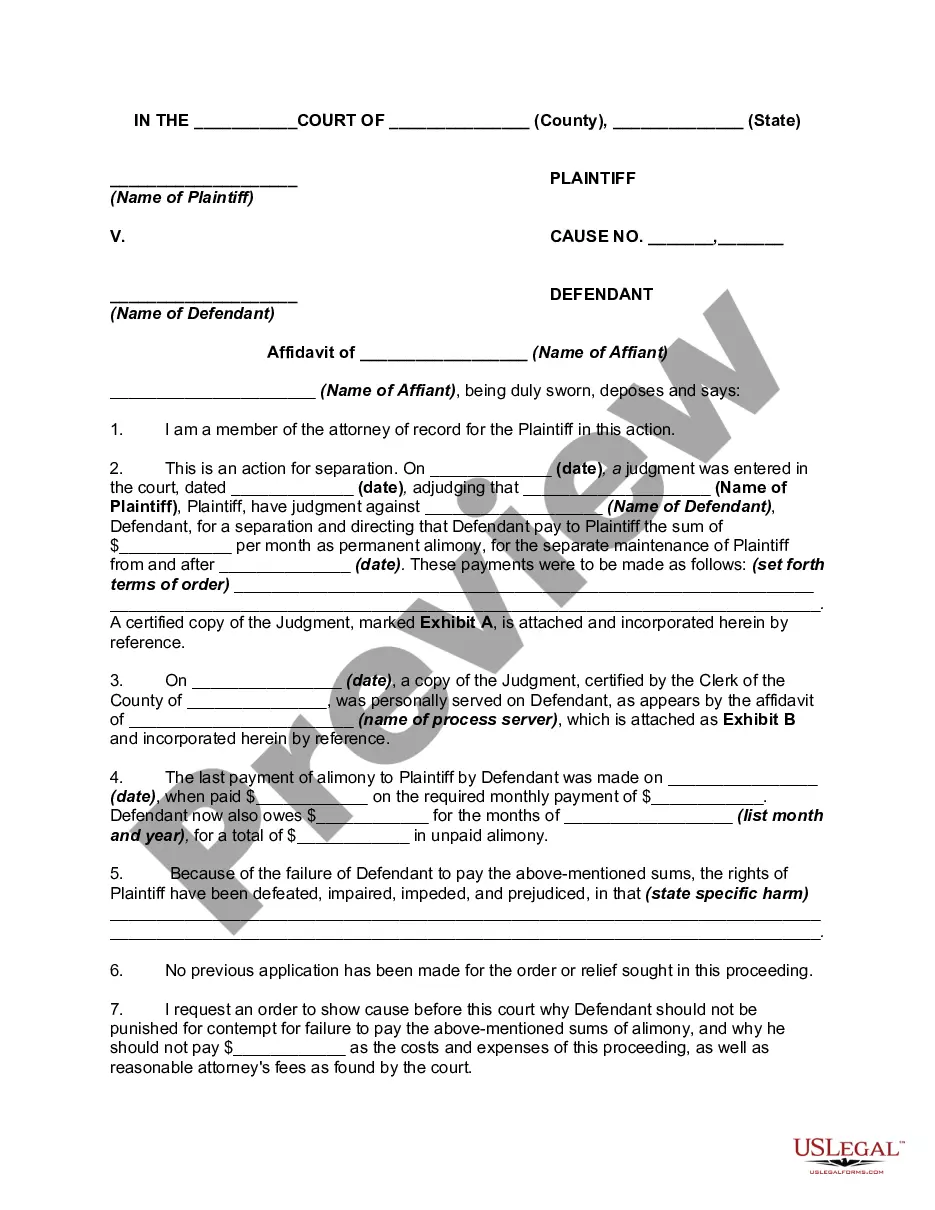
How to fill out Texas Motion For Order Of Contempt For Failure To Pay Spousal Maintenance?
Securing a reliable source for accessing the latest and pertinent legal templates is a significant part of navigating bureaucracy.
Finding the appropriate legal documents necessitates precision and meticulousness, which is why it’s crucial to obtain examples of Spousal Maintenance Form Document With Spouse solely from trustworthy sources, such as US Legal Forms. An incorrect template will consume your time and delay your situation.
After you have the document on your device, you may edit it using the editor or print it to complete it by hand. Alleviate the stress associated with your legal documentation. Browse the extensive US Legal Forms library where you can locate legal samples, verify their applicability to your situation, and download them instantly.
- Make use of the library navigation or search feature to find your sample.
- Examine the form’s details to determine if it meets the criteria of your state and county.
- View the form preview, if available, to verify that it is indeed the document you require.
- Return to the search to locate the correct template if the Spousal Maintenance Form Document With Spouse does not meet your specifications.
- If you are confident about the document's relevance, download it.
- As a registered user, click Log in to verify and access your selected templates in My documents.
- If you haven’t created an account yet, click Buy now to purchase the form.
- Choose the pricing option that best suits your requirements.
- Proceed with registration to finalize your purchase.
- Complete your transaction by selecting a payment method (credit card or PayPal).
- Select the format for downloading Spousal Maintenance Form Document With Spouse.
Form popularity
FAQ
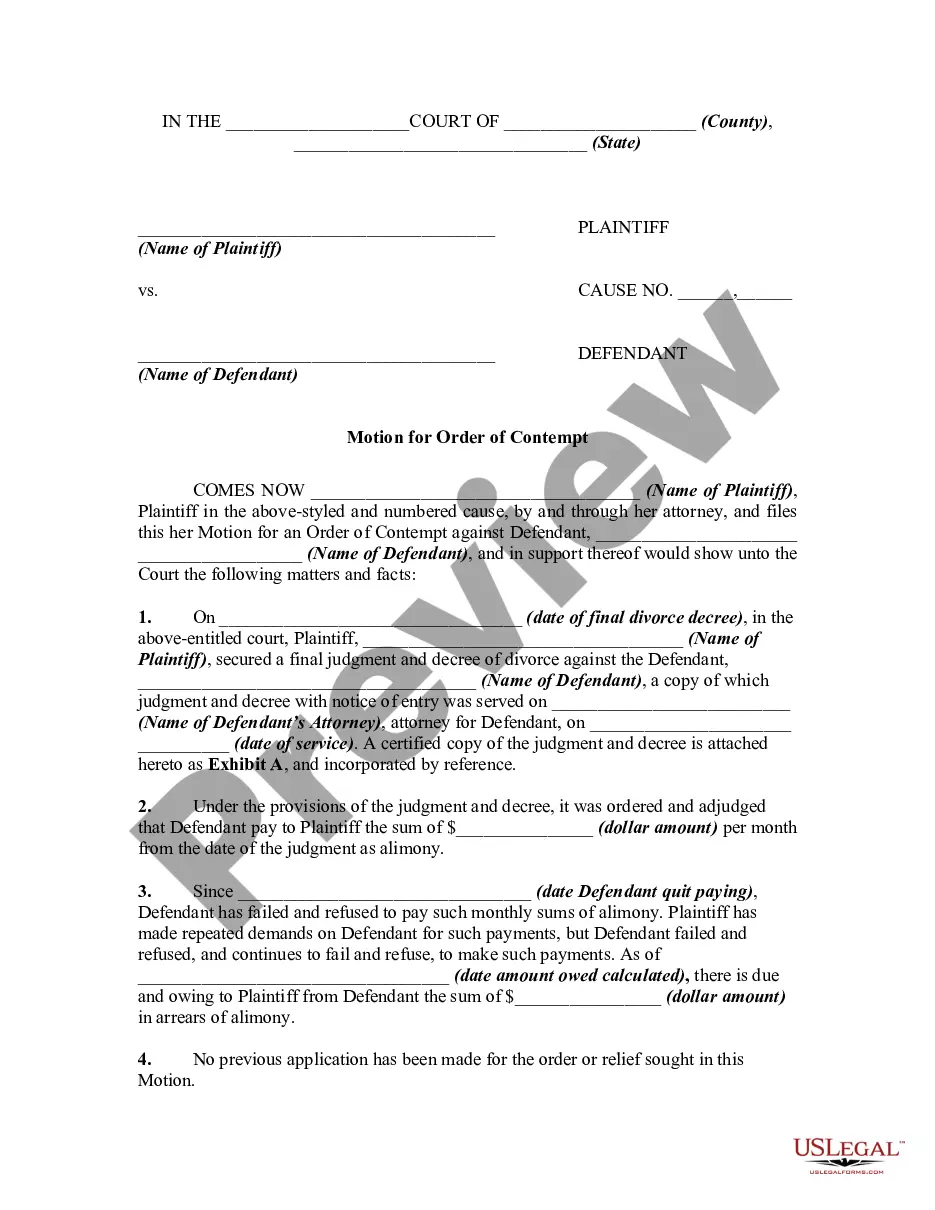
How to write up a spousal support agreement Decide on amount and how it will be paid. How much one person will pay the other each month. ... Write-up your agreement. ... Sign and make copies of the agreement. ... Take your agreement to get judge's signature and pay fee. ... Get back signed agreement and give copy to your spouse.
How Hard Is It to Get Alimony in Texas? Texas is one of the most difficult states to win alimony in a divorce. While it is possible to win alimony or spousal support in court, it is much more likely to receive alimony through a private contract created as part of the divorce settlement.
The key factors analyzed in an alimony decision are each spouse's income, ability to earn and standards of living established during the marriage. If there is a history of violence, abuse or certain criminal convictions, however, this could bar a spouse from receiving alimony payments under California law.
Eligibility for Court Ordered Spousal Maintenance. the marriage has been for ten years or longer and the spouse made diligent efforts to either earn sufficient income or to develop necessary skills while the divorce is pending to meet his or her minimum reasonable needs; or.
FAMILY CODE § 4320 FACTORS 1) Describe the standard of living that the parties established during marriage. a) This is a general description of the lifestyle the parties achieved prior to separating. b) Characteristics may include income, expenses, and lifestyle (e.g., vacations, homes, cars, etc.)