What Does A Deed Look Like For A House
Description

Get your form ready online
Our built-in tools help you complete, sign, share, and store your documents in one place.
Make edits, fill in missing information, and update formatting in US Legal Forms—just like you would in MS Word.
Download a copy, print it, send it by email, or mail it via USPS—whatever works best for your next step.
Sign and collect signatures with our SignNow integration. Send to multiple recipients, set reminders, and more. Go Premium to unlock E-Sign.
If this form requires notarization, complete it online through a secure video call—no need to meet a notary in person or wait for an appointment.
We protect your documents and personal data by following strict security and privacy standards.

Make edits, fill in missing information, and update formatting in US Legal Forms—just like you would in MS Word.

Download a copy, print it, send it by email, or mail it via USPS—whatever works best for your next step.

Sign and collect signatures with our SignNow integration. Send to multiple recipients, set reminders, and more. Go Premium to unlock E-Sign.

If this form requires notarization, complete it online through a secure video call—no need to meet a notary in person or wait for an appointment.

We protect your documents and personal data by following strict security and privacy standards.
Looking for another form?









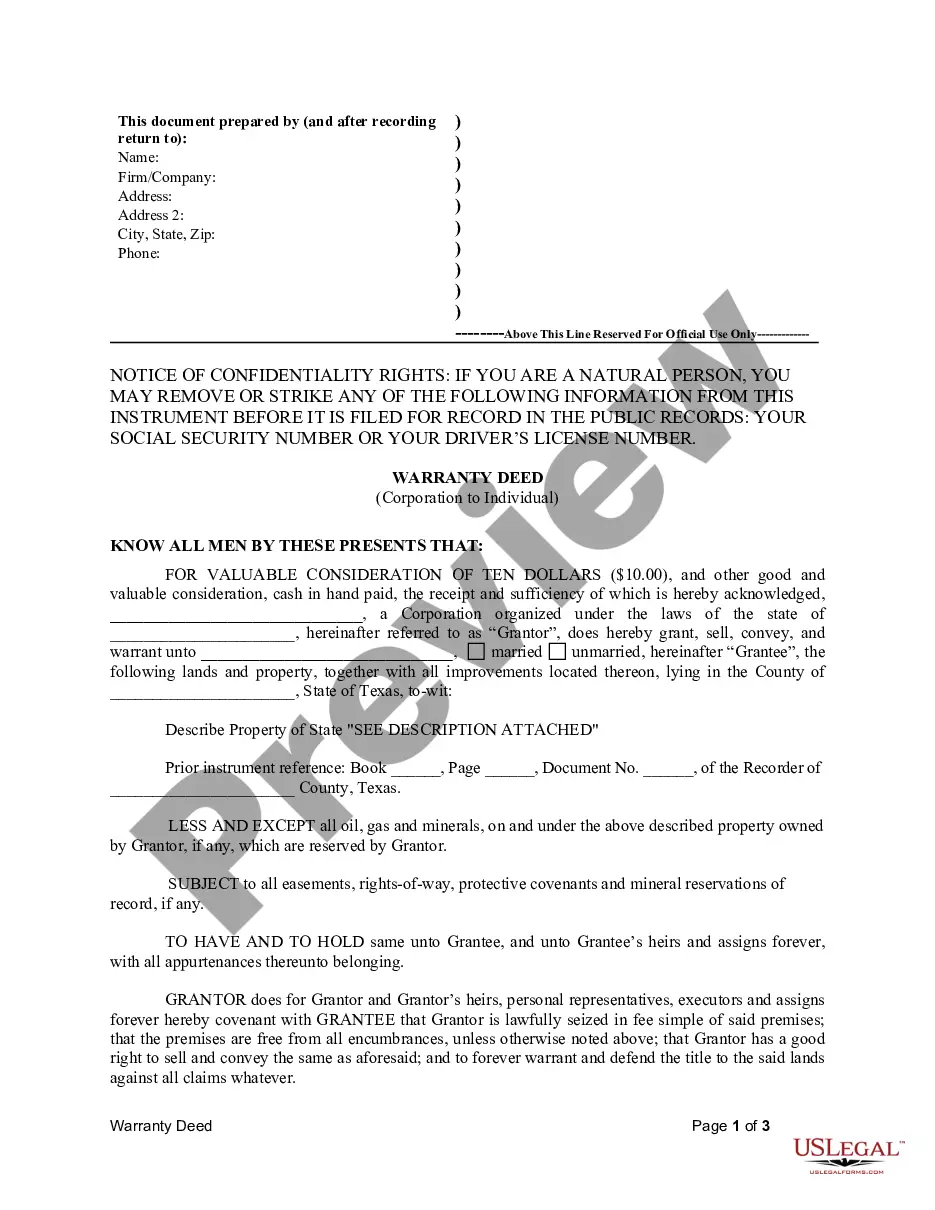
How to fill out Texas Warranty Deed From Corporation To Individual?
- Log into your US Legal Forms account if you’re a returning user. Ensure your subscription is active to access all features.
- For new users, start by browsing the form library. Utilize the preview mode to check descriptions and ensure the selected deed meets your requirements.
- In case you need a different form, use the search bar to locate the appropriate template that aligns with your local regulations.
- Select your desired document and click the 'Buy Now' button. Choose a subscription plan that best fits your needs.
- Complete the purchase by entering your payment information, either through credit card or PayPal.
- Finally, download the form to your device. You can access it anytime from the 'My Forms' section in your profile.
By following these simple steps, you will have the documents ready at your fingertips, ensuring a streamlined process for legal matters.
Unlock your access to an extensive library of legal forms today and ensure your documents are complete and compliant. Start your journey with US Legal Forms now!
Form popularity
FAQ
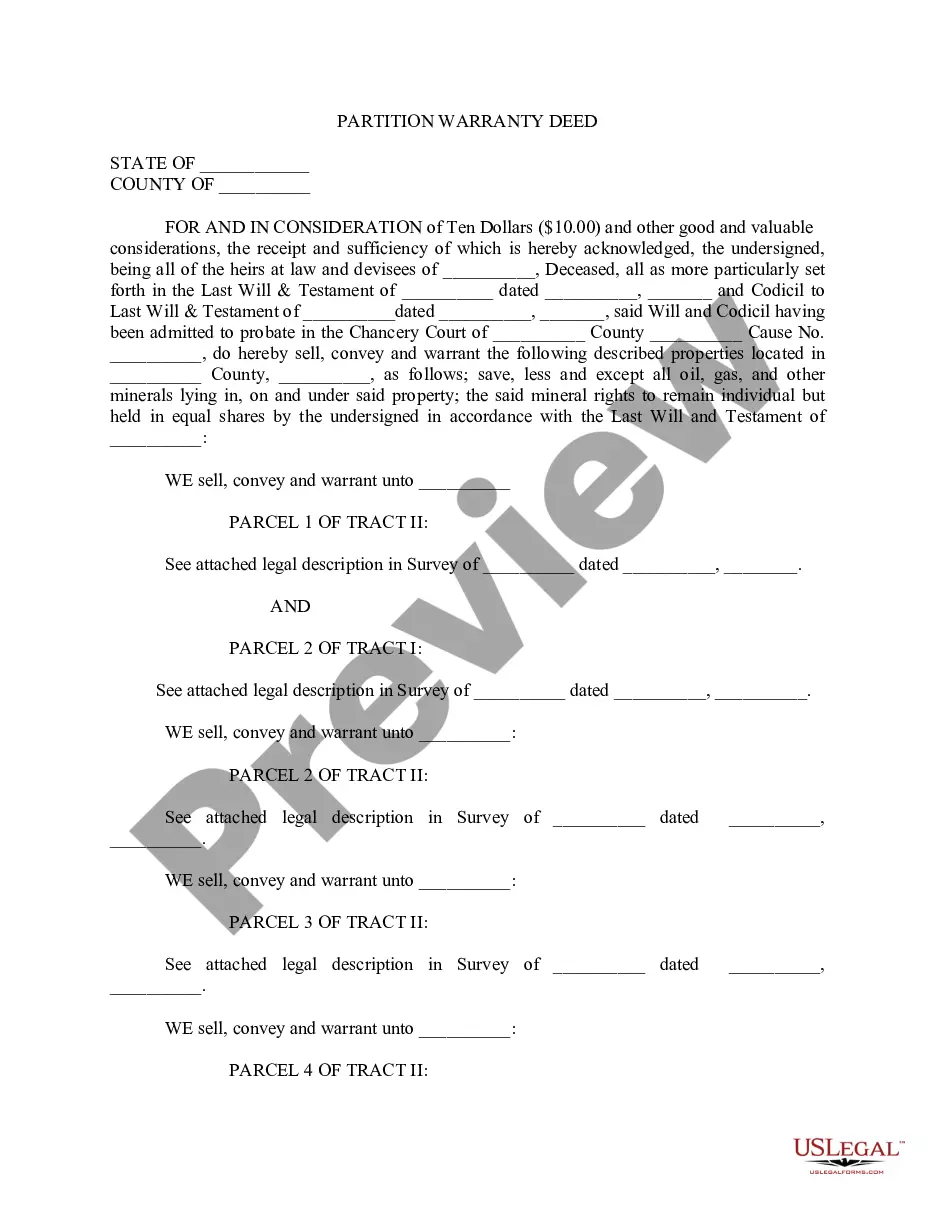
A deed is a legal document that transfers property ownership from one party to another. An example of a deed for a house includes details such as the names of the buyer and seller, the property address, and a legal description of the property. To clearly understand what does a deed look like for a house, you may want to explore examples available online or use resources like USLegalForms to access templates and forms.
To get your house title deed, start by contacting your local county recorder's office. They can provide you with access to public records showing property ownership. If you're wondering what does a deed look like for a house, it usually contains important details like the property description, buyer, seller, and signatures. You might also check USLegalForms for streamlined access to vital real estate documents.
After closing, your deed is typically filed with the county recorder's office. You can obtain a copy by visiting their office or checking their website, where many counties offer online access to public records. Understanding what does a deed look like for a house can help you recognize the details you are seeking. Consider using USLegalForms to easily obtain the necessary documents.
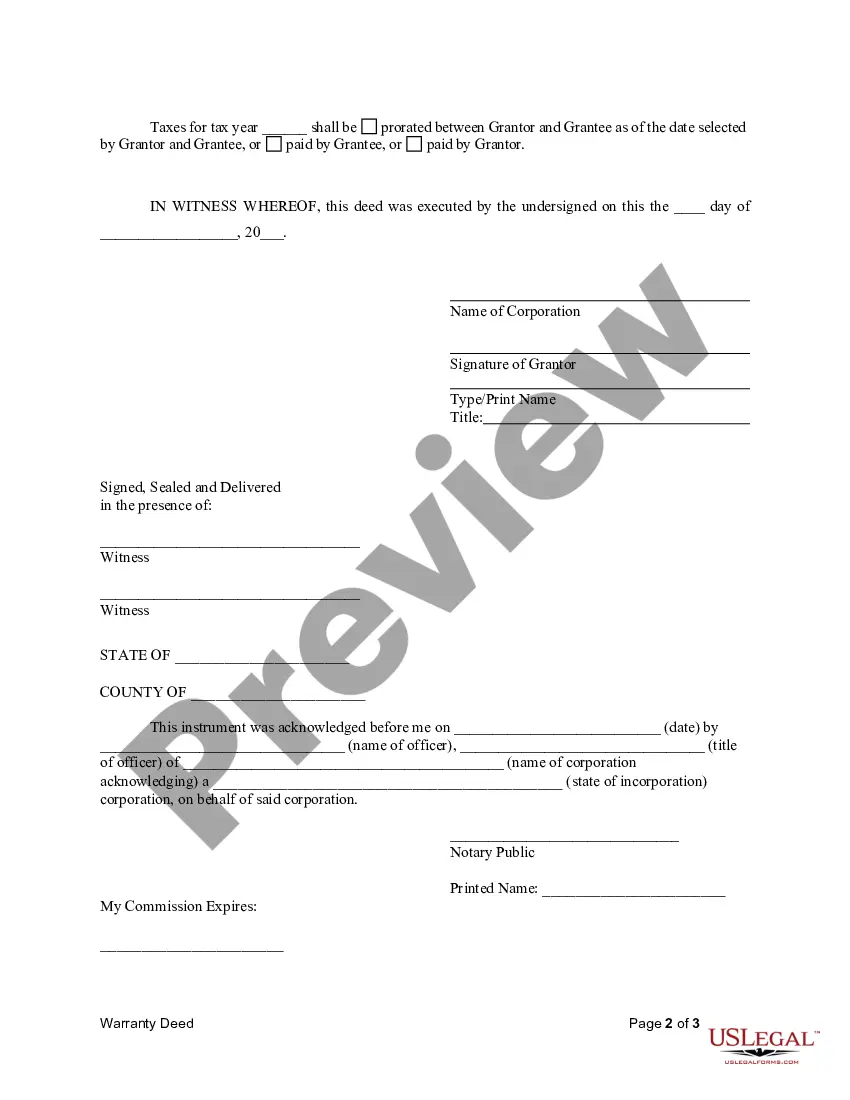
Writing a property deed requires several key elements to ensure its legality. First, include the names of the parties involved, the legal description of the property, and a statement of consideration. After drafting, signatures from both the grantor and grantee are necessary, followed by notarization. By knowing how to write property deeds, you will gain clarity on what a deed looks like for a house, making the process smoother.
The deed to your house is usually kept at your local county recorder's office. It is important to know that deeds become part of the public record, making them accessible to anyone who wishes to verify ownership. If you're uncertain about where to find your deed, visit the county's website or contact their office directly. Knowing where to look can ease your mind when you consider what a deed looks like for a house.
A common example of a deed is a warranty deed. This type of deed guarantees that the seller holds a clear title to the property and has the right to sell it. When examining what a deed looks like for a house, you will notice that it includes important information such as the names of the parties involved, a legal description of the property, and the date of transfer. Understanding examples of deeds can help you navigate property transactions more effectively.
If you can't find your deed, do not worry. You can often obtain a copy from your local county recorder's office, where it is typically stored. Additionally, checking with your mortgage lender or title company may help, as they might have a copy on file. In summary, understanding what a deed looks like for a house is essential, and accessing a copy is often easier than it seems.
A deed is a legal document that conveys ownership of real estate from one party to another. Typically, it includes key details such as the property's description, the names of the grantor and grantee, and the date of the transfer. Visually, a deed often features official notary seals and signatures, reinforcing its legitimacy. If you want to understand what a deed looks like for a house, consider reviewing sample deeds available online.
Accessing the deed to your house typically involves visiting your local government office, such as the county clerk or registrar of deeds. These offices often maintain records of property deeds and can provide copies upon request. You may also use online resources to locate the information you seek. Understanding what a deed looks like for a house will help you confirm that you have the correct document.
To find the title deed to your house, start by checking with your county's recorder or assessor's office. Many of these offices provide online access to property records, allowing you to view or download the document. If you can't find it online, visiting the office in person can provide assistance. Knowing what a deed looks like for a house will help you identify the document you need.