South Carolina Custody Laws For Unmarried Parents

Description
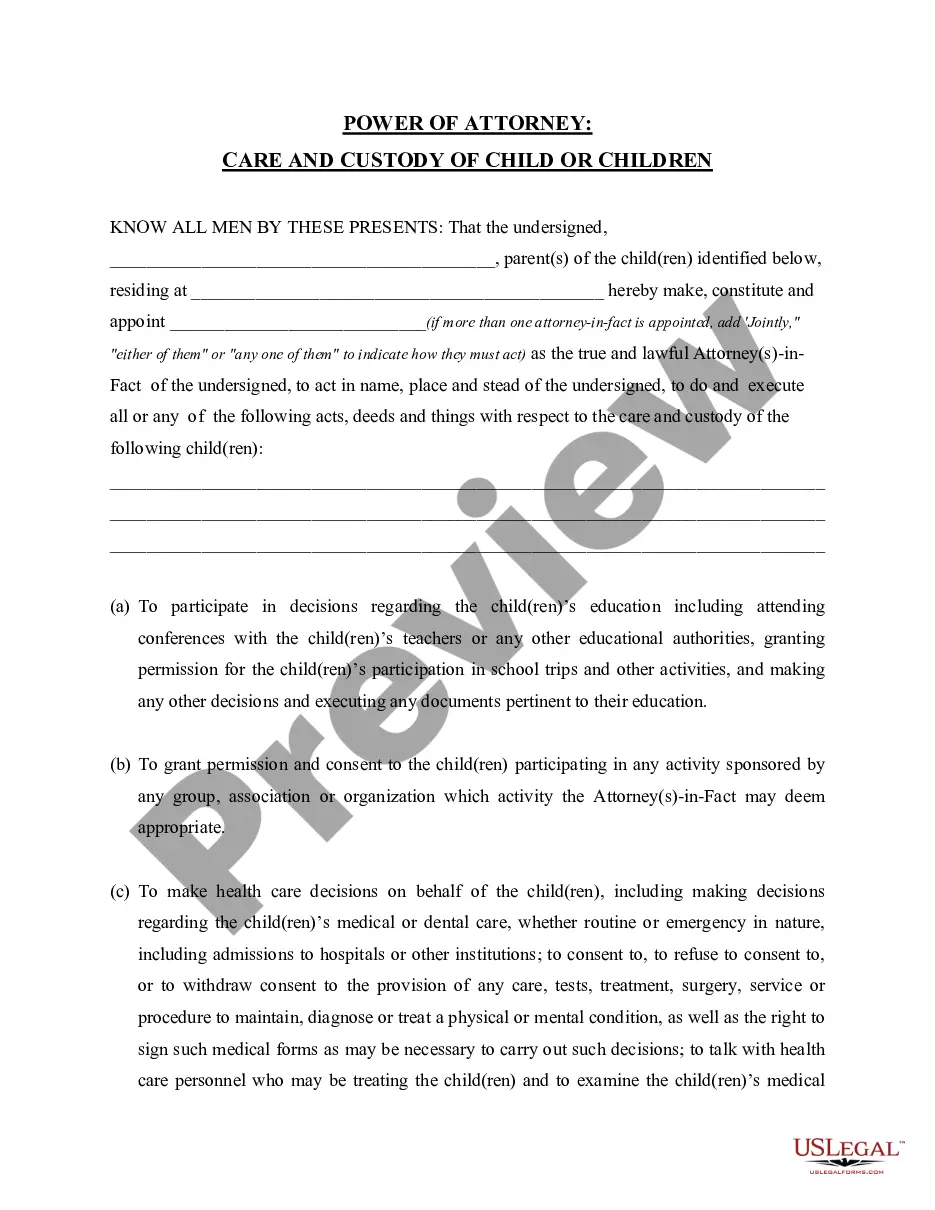
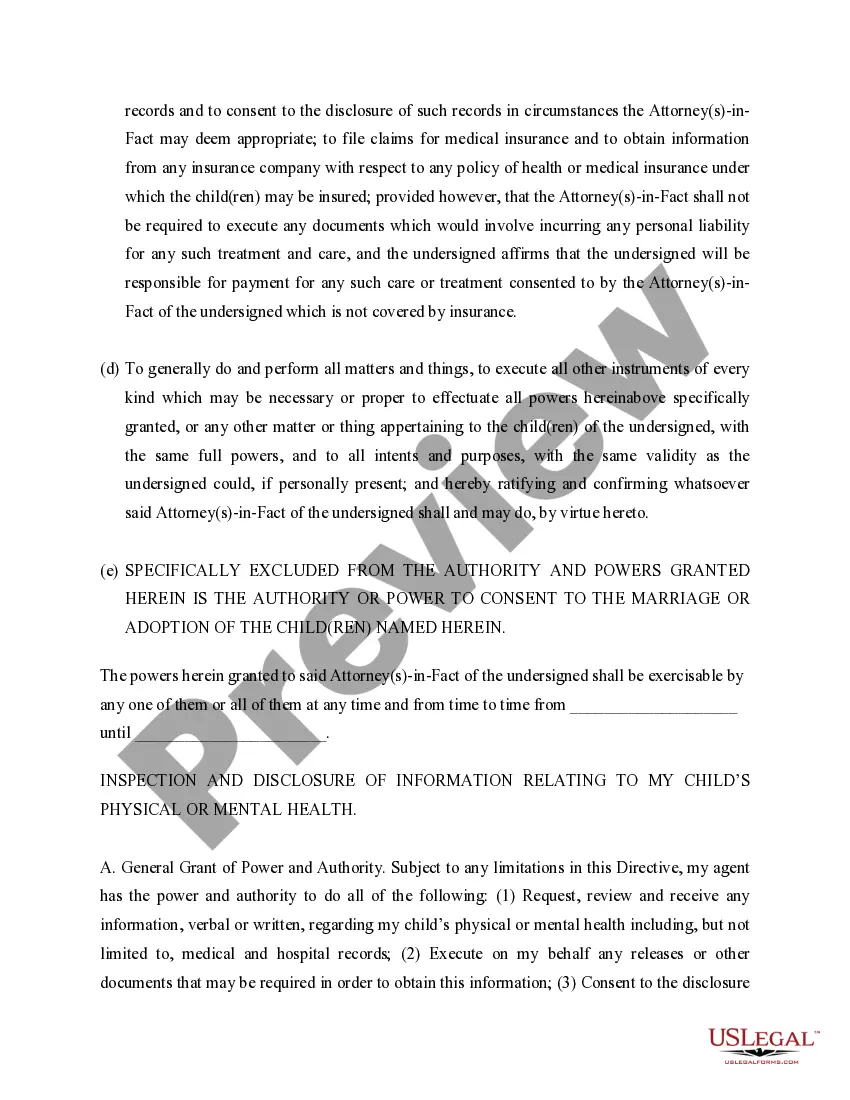
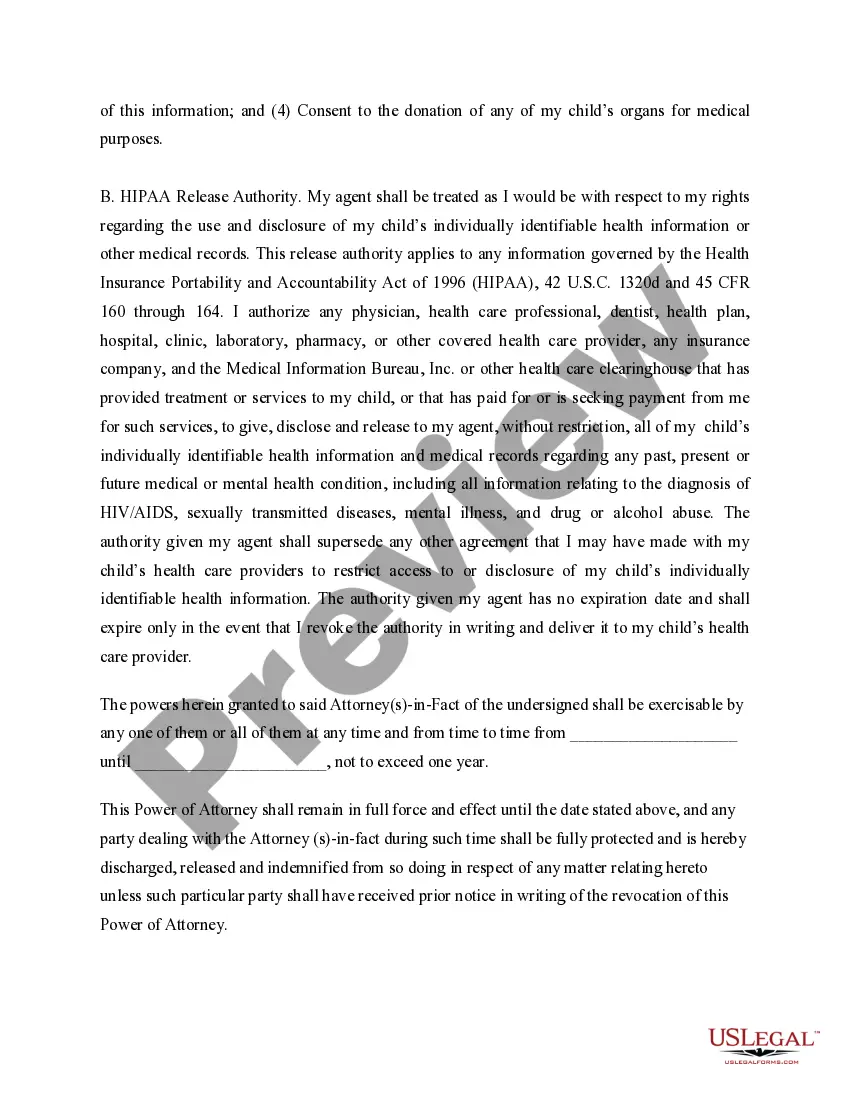

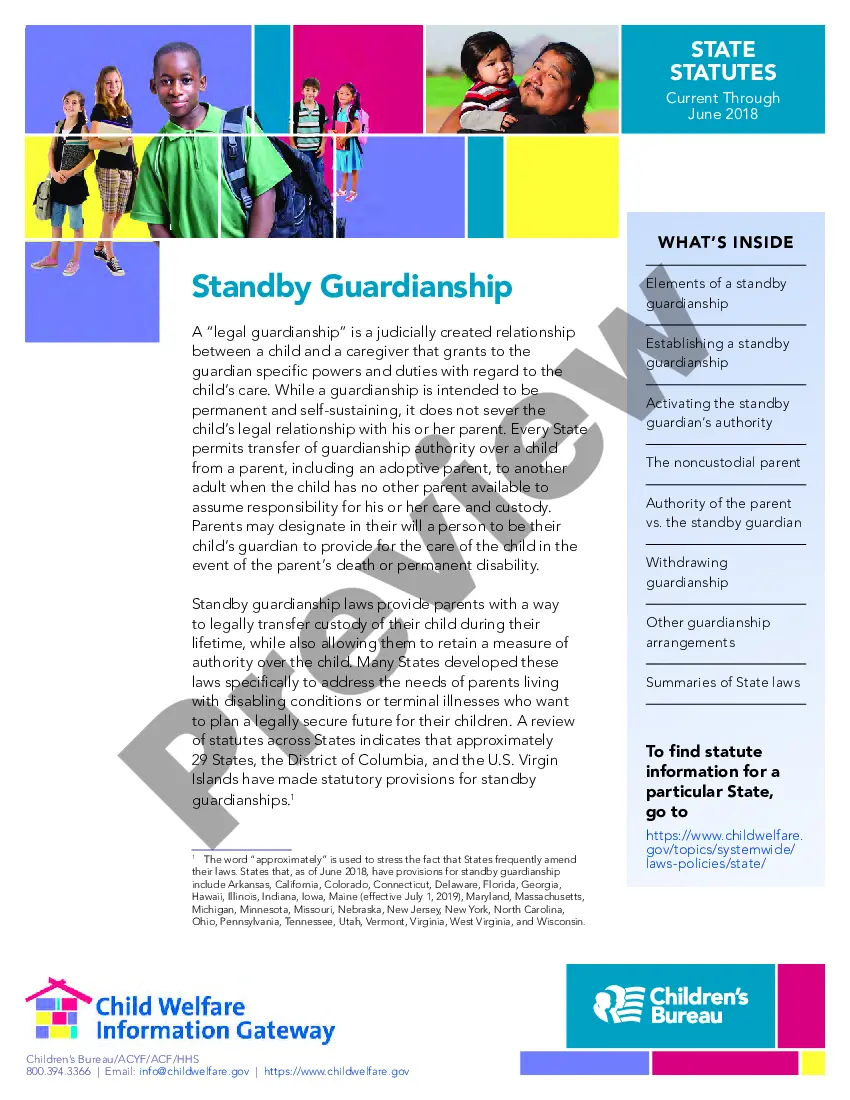

Get your form ready online
Our built-in tools help you complete, sign, share, and store your documents in one place.
Make edits, fill in missing information, and update formatting in US Legal Forms—just like you would in MS Word.
Download a copy, print it, send it by email, or mail it via USPS—whatever works best for your next step.
Sign and collect signatures with our SignNow integration. Send to multiple recipients, set reminders, and more. Go Premium to unlock E-Sign.
If this form requires notarization, complete it online through a secure video call—no need to meet a notary in person or wait for an appointment.
We protect your documents and personal data by following strict security and privacy standards.

Make edits, fill in missing information, and update formatting in US Legal Forms—just like you would in MS Word.

Download a copy, print it, send it by email, or mail it via USPS—whatever works best for your next step.

Sign and collect signatures with our SignNow integration. Send to multiple recipients, set reminders, and more. Go Premium to unlock E-Sign.

If this form requires notarization, complete it online through a secure video call—no need to meet a notary in person or wait for an appointment.

We protect your documents and personal data by following strict security and privacy standards.
Looking for another form?
Form popularity
FAQ
In South Carolina, a mother cannot unilaterally keep a child away from the father without valid legal reasons. If there is no court order granting her sole custody, both parents have rights to access their child. Familiarizing yourself with South Carolina custody laws for unmarried parents will empower you to understand and assert your legal rights in these situations.
When in child custody court, avoid speaking negatively about your child’s other parent, as this can reflect poorly on your character. Focus on the facts instead of emotions. Respectful communication is vital, and knowing South Carolina custody laws for unmarried parents can help you understand the importance of portraying a cooperative attitude to the judge.
South Carolina custody laws for unmarried parents focus on the best interests of the child. Generally, the mother has initial custody, but fathers can attain legal rights through the court. The court considers various factors, such as the child's needs and the parents' capabilities, thus granting both parents the opportunity to seek custody and establish a parenting plan.
In South Carolina, if the parents are not married, the mother typically has automatic custody of the child. However, the father can pursue custody rights through the courts if he wishes to be involved. It is essential to understand South Carolina custody laws for unmarried parents to navigate this situation effectively and ensure that both parents can have a role in the child's upbringing.
If a father is listed on the birth certificate in South Carolina, he has certain rights regarding custody and visitation. This inclusion establishes his legal connection to the child, granting him the ability to seek joint custody. Under South Carolina custody laws for unmarried parents, the father's rights can be exercised unless otherwise restricted by the court, thus providing opportunities for involvement in the child's life.
To file for custody in South Carolina, you generally need to complete specific forms, such as the Custody Complaint or the Motion for Custody. You should also attach any relevant documents to support your case, like a parenting plan. Understanding South Carolina custody laws for unmarried parents is crucial, as it dictates the forms and procedures you will need to follow to ensure your rights and your child's well-being.
A parent cannot stop a child from calling the other parent unless a legal order specifically prohibits it. This could lead to negative consequences for the child's relationship with both parents. Being informed about South Carolina custody laws for unmarried parents can significantly help prevent conflicts over communication between parents.
In South Carolina, an unmarried father has rights, but they are contingent upon establishing paternity. Once paternity is established, the father can pursue custody or visitation rights. Understanding South Carolina custody laws for unmarried parents is vital for fathers wanting to ensure their involvement in their child's life.
A parent should not keep a child from talking to the other parent unless a court order supports such action. Encouraging communication is essential for the child's emotional development. Familiarizing yourself with South Carolina custody laws for unmarried parents can facilitate better co-parenting practices and relationships.
A parent cannot legally keep a child from contacting the other parent unless there is a court order that specifies such restrictions. Ending communication could adversely affect the child's well-being and relationship with both parents. Seeking advice from an expert on South Carolina custody laws for unmarried parents can help clarify any uncertainties related to contact issues.