South Carolina Usa
Description




Get your form ready online
Our built-in tools help you complete, sign, share, and store your documents in one place.
Make edits, fill in missing information, and update formatting in US Legal Forms—just like you would in MS Word.
Download a copy, print it, send it by email, or mail it via USPS—whatever works best for your next step.
Sign and collect signatures with our SignNow integration. Send to multiple recipients, set reminders, and more. Go Premium to unlock E-Sign.
If this form requires notarization, complete it online through a secure video call—no need to meet a notary in person or wait for an appointment.
We protect your documents and personal data by following strict security and privacy standards.

Make edits, fill in missing information, and update formatting in US Legal Forms—just like you would in MS Word.

Download a copy, print it, send it by email, or mail it via USPS—whatever works best for your next step.

Sign and collect signatures with our SignNow integration. Send to multiple recipients, set reminders, and more. Go Premium to unlock E-Sign.

If this form requires notarization, complete it online through a secure video call—no need to meet a notary in person or wait for an appointment.

We protect your documents and personal data by following strict security and privacy standards.
Looking for another form?




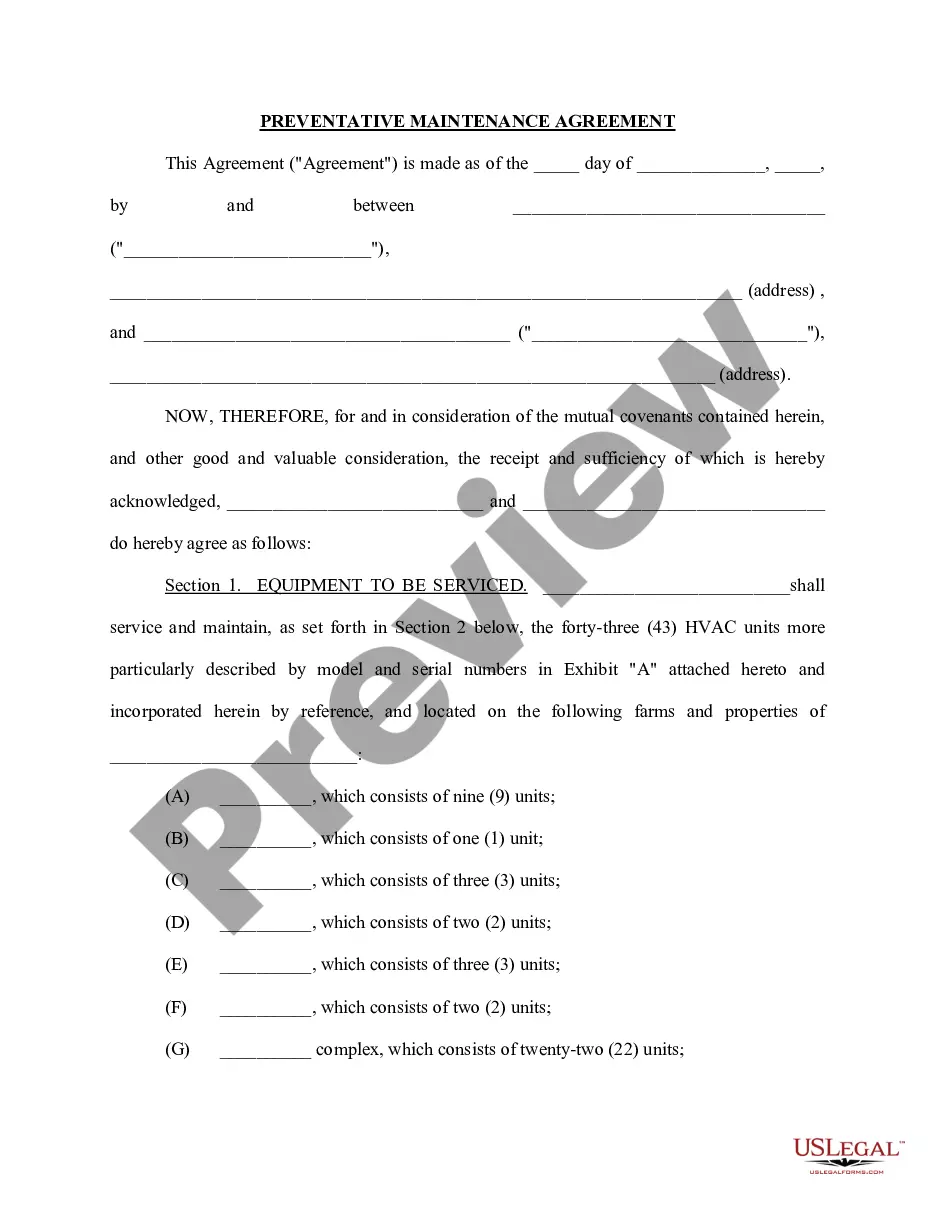


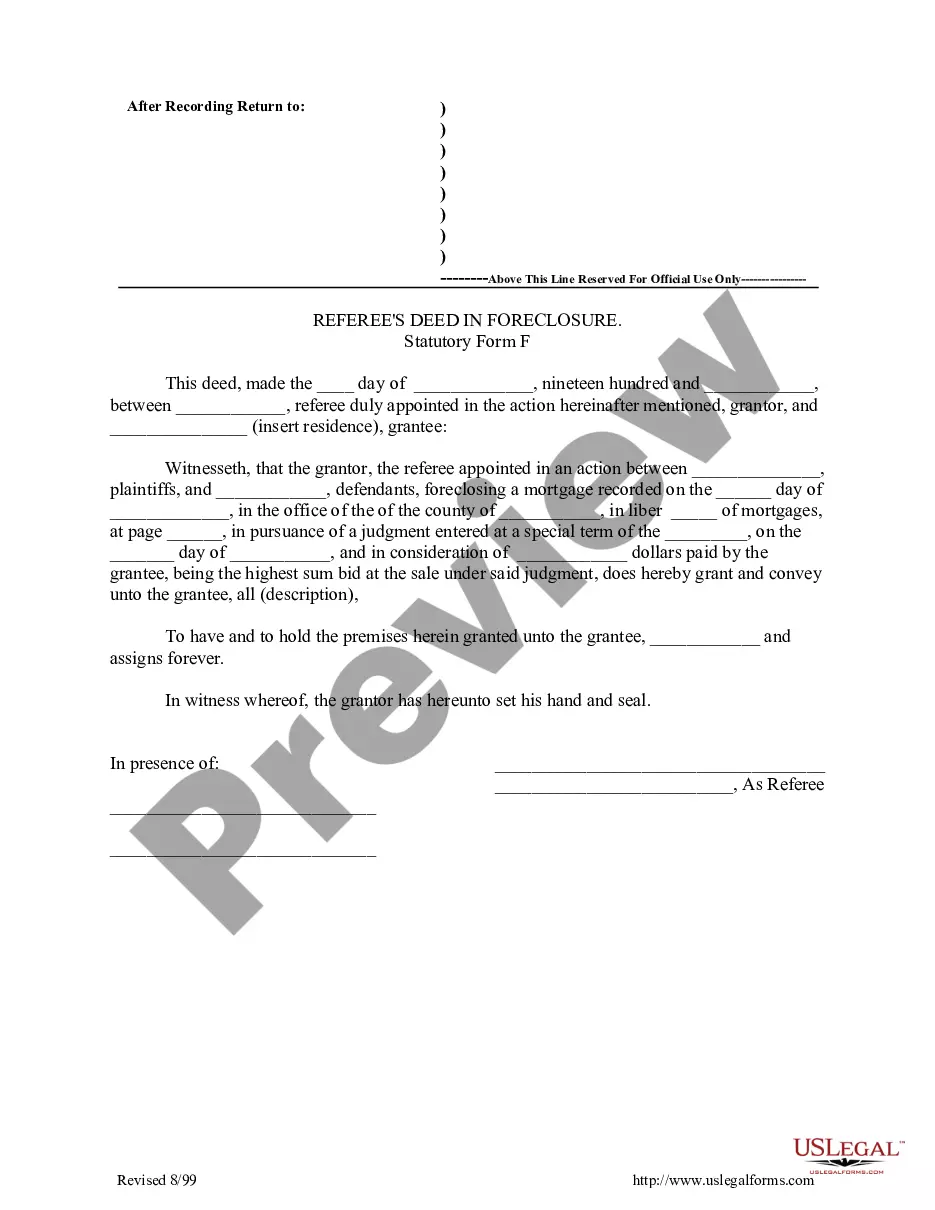


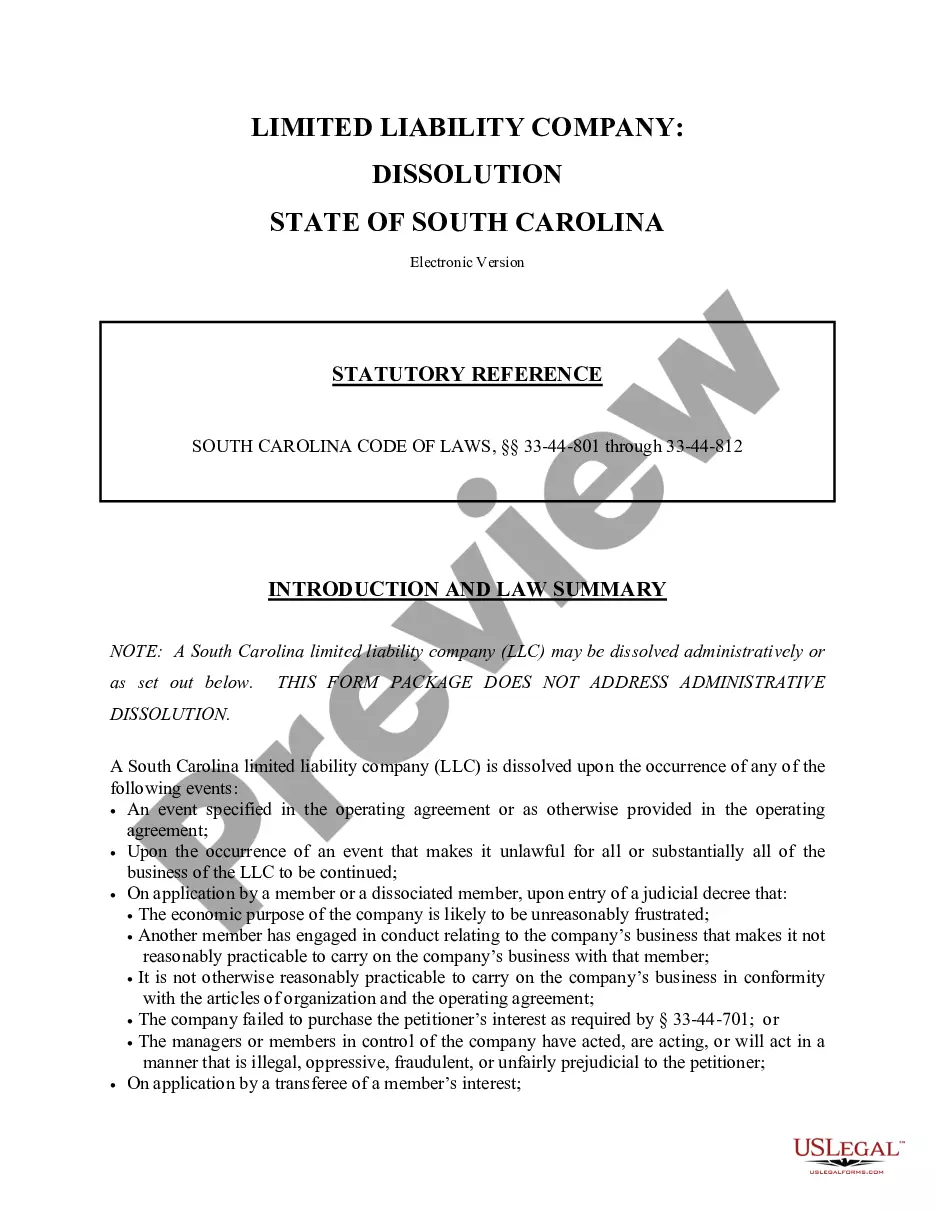
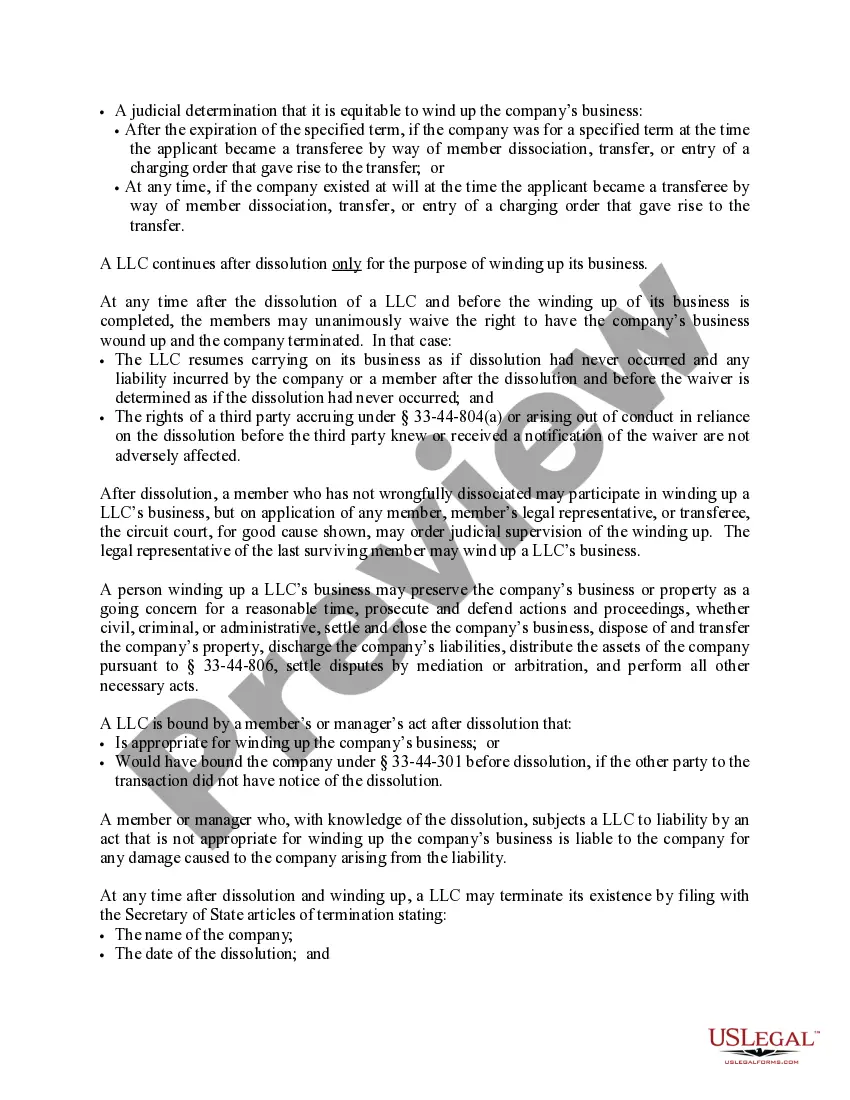
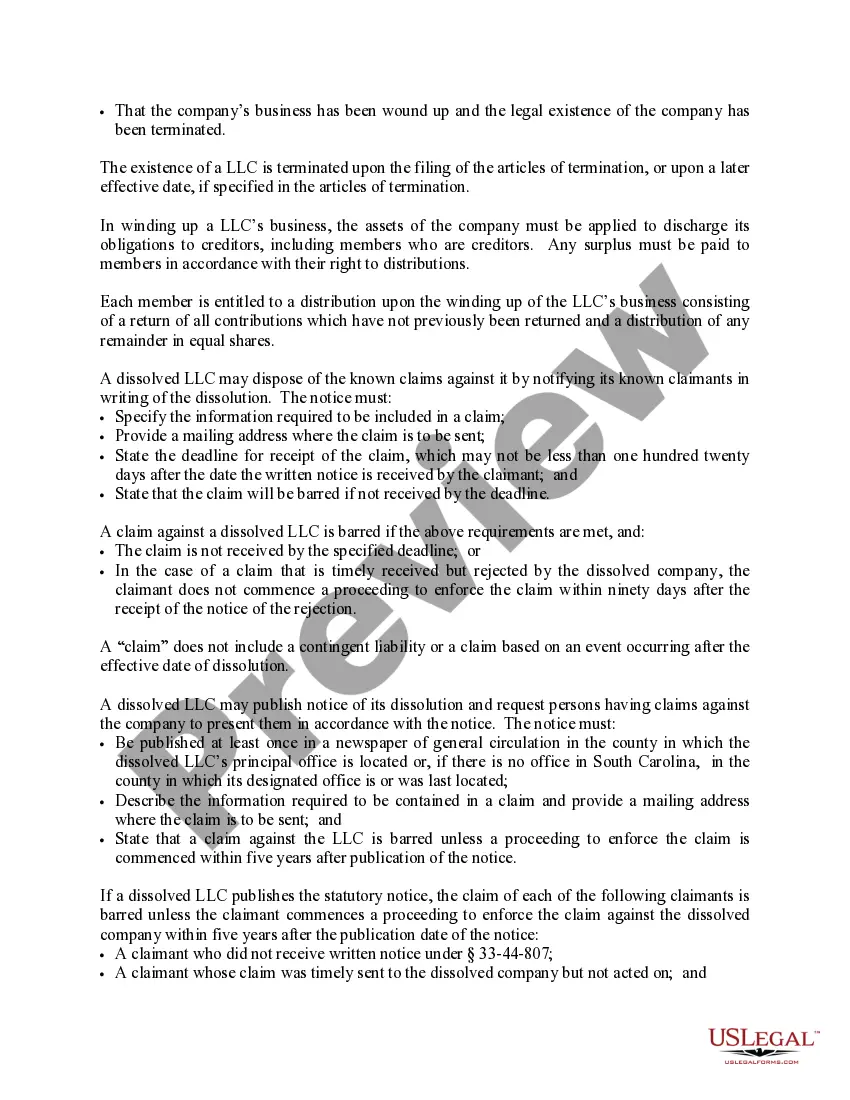
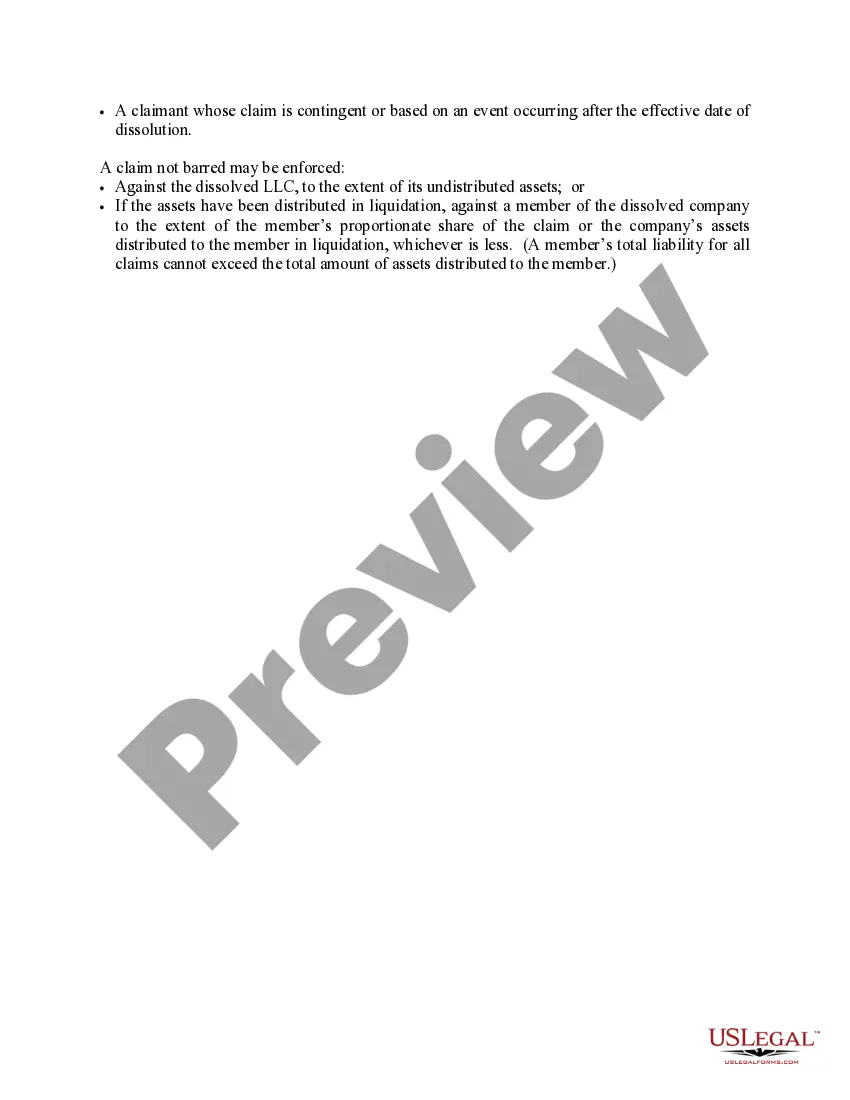
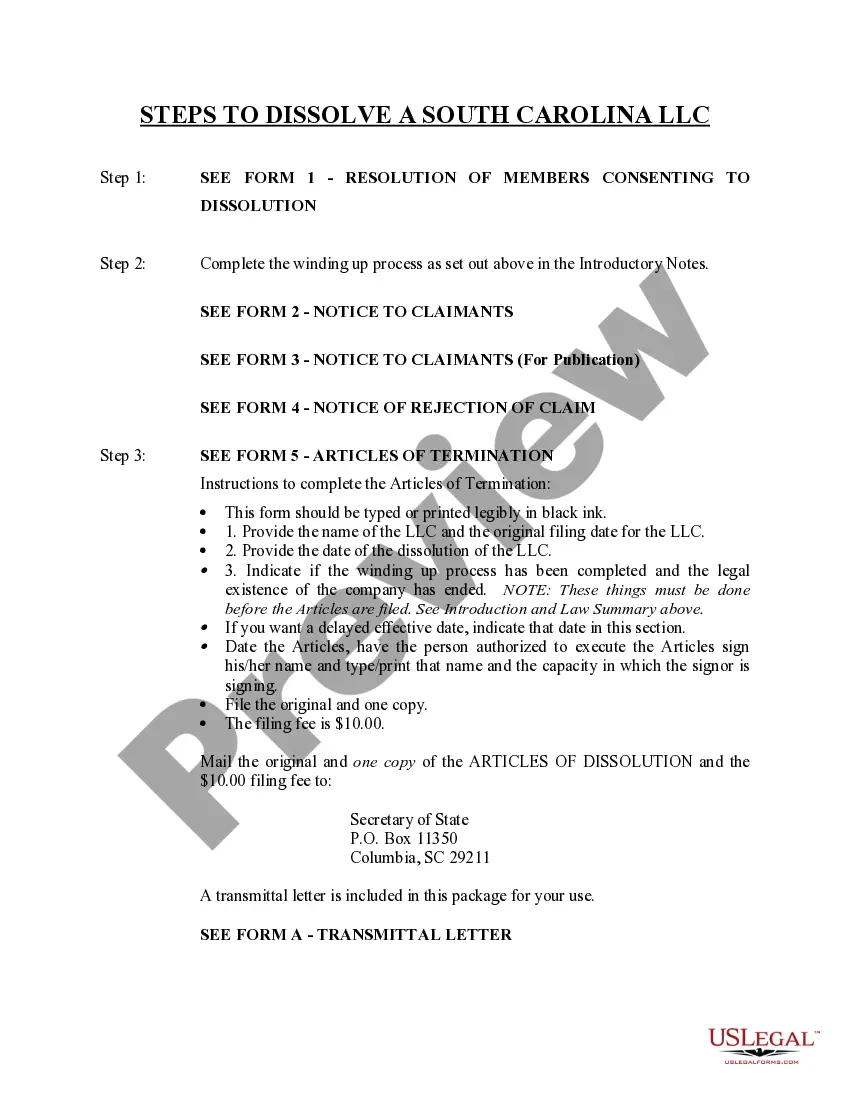
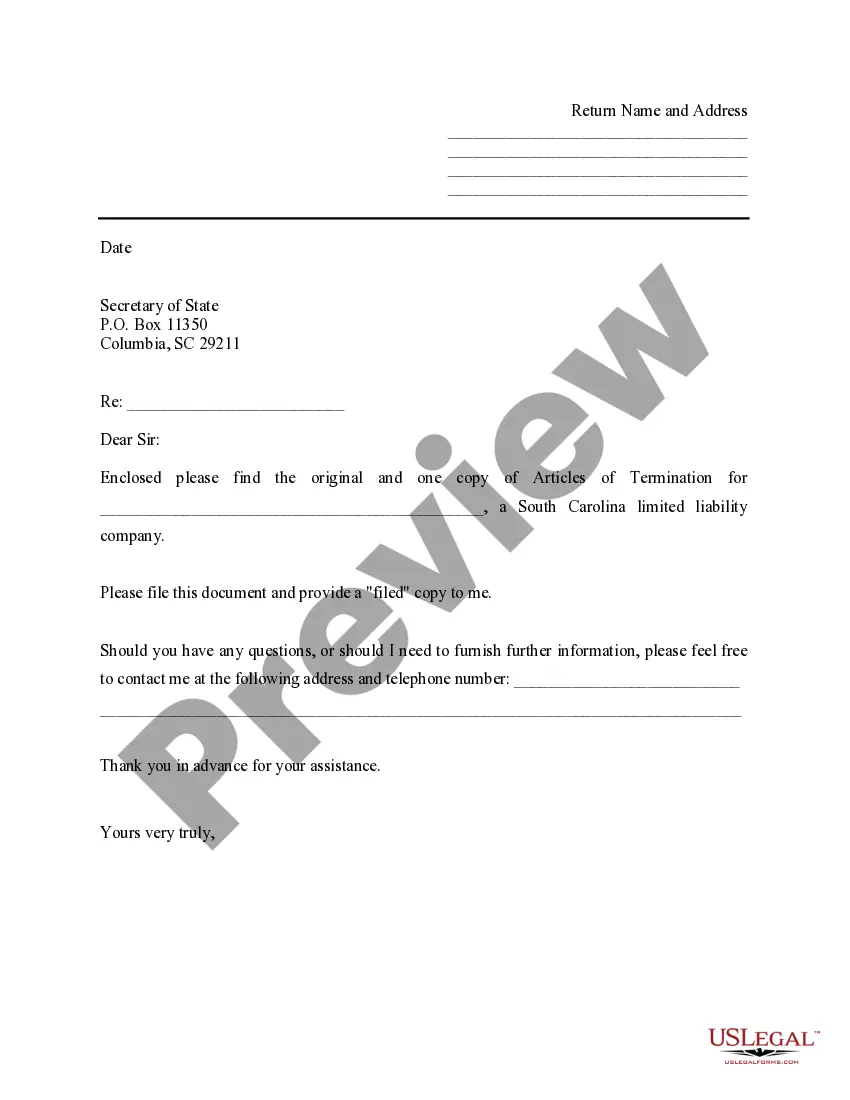
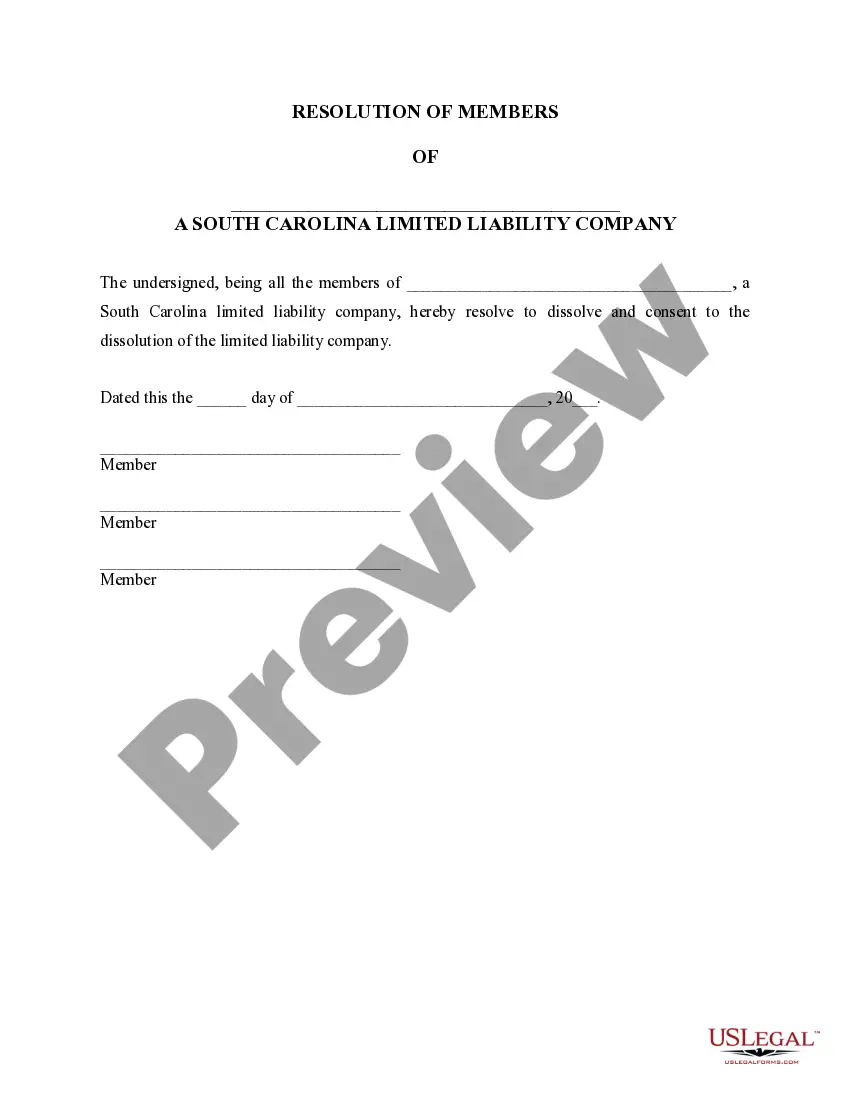
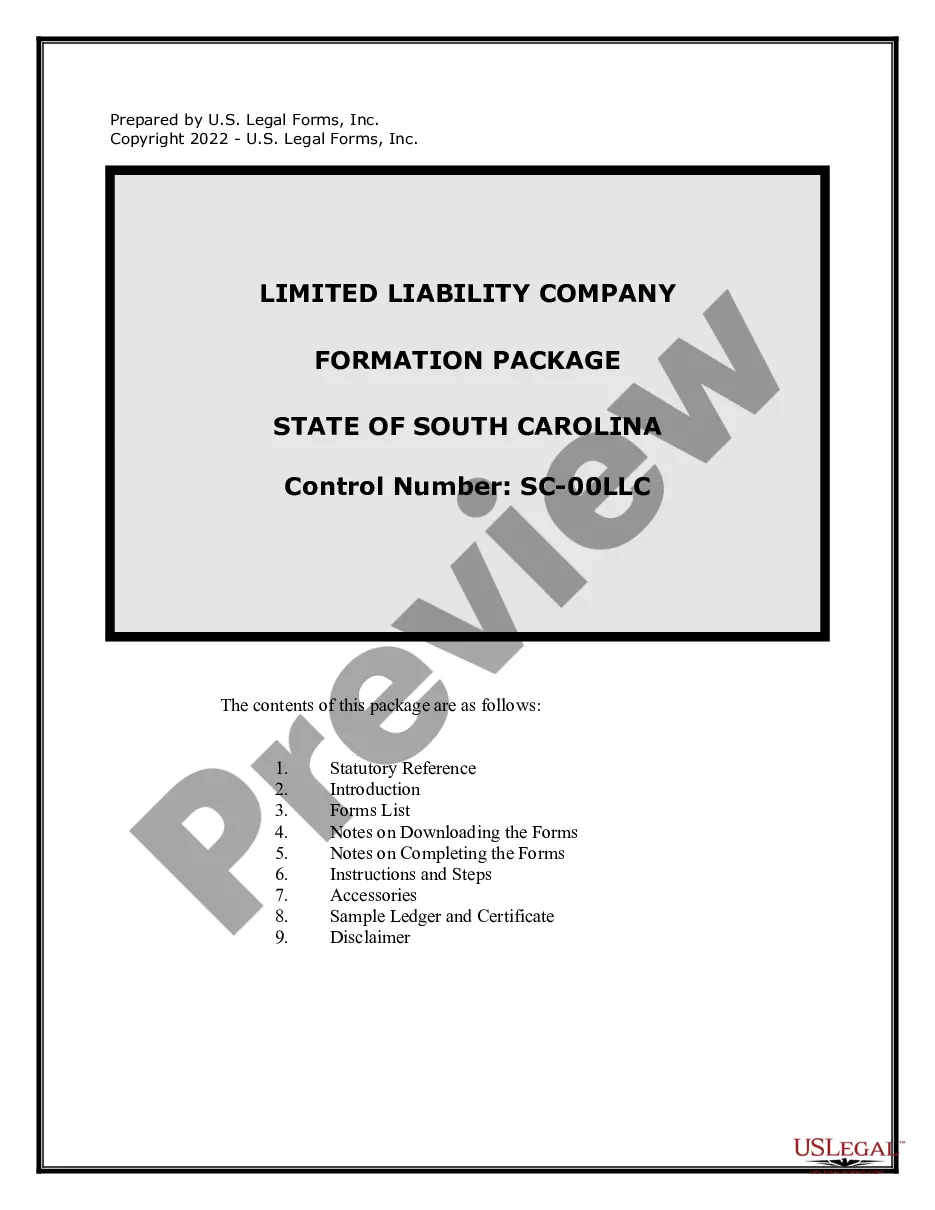
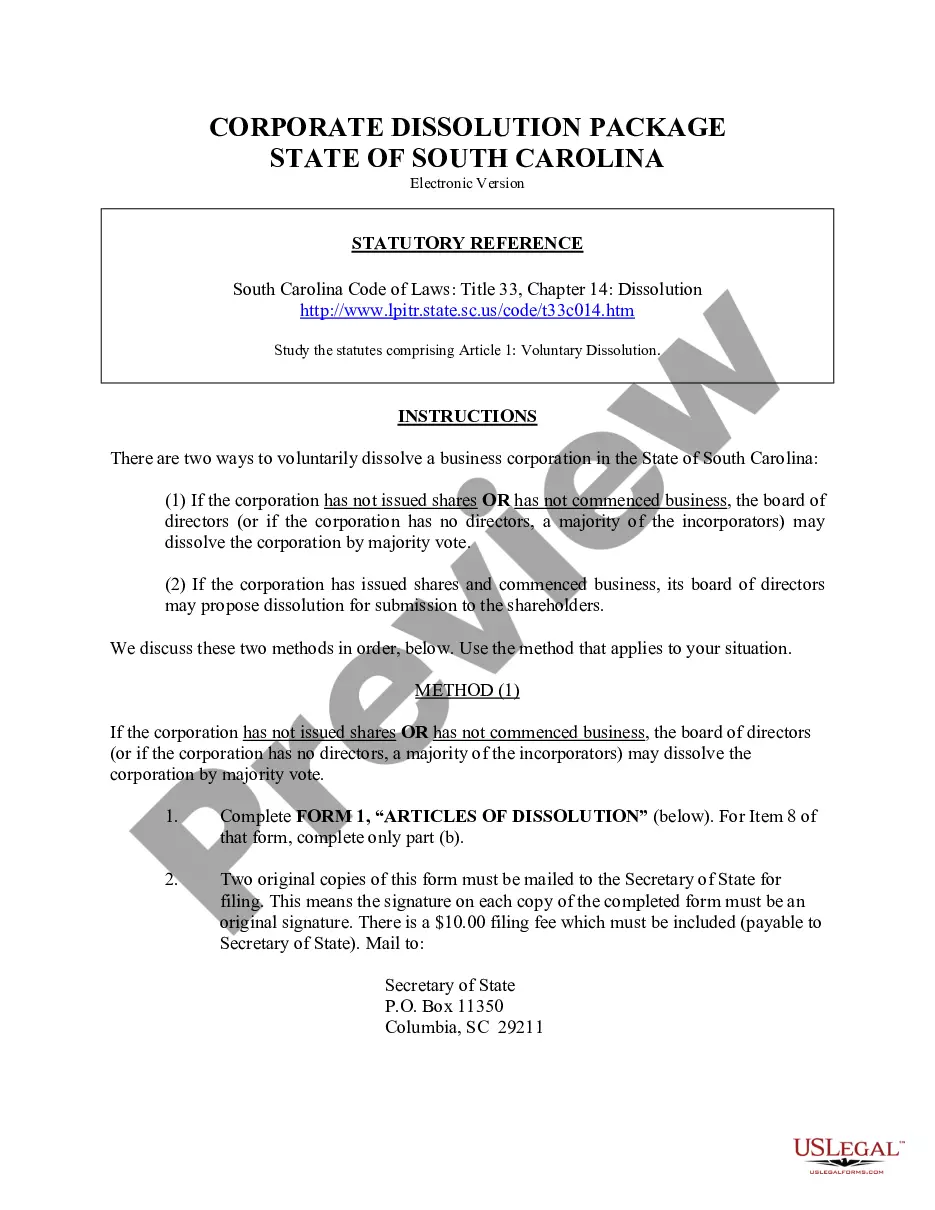
How to fill out South Carolina Dissolution Package To Dissolve Limited Liability Company LLC?
- Begin by checking the Preview mode and form description to confirm you've selected the appropriate document that meets your legal requirements.
- If the selected form doesn't suit your needs, utilize the Search tab to find another template that fits your jurisdictional criteria.
- Proceed to purchase the document by clicking on the Buy Now button and selecting your preferred subscription plan. Remember to create an account to access additional resources.
- Complete your purchase by entering your payment information via credit card or PayPal to secure your subscription.
- Download the chosen form directly to your device. You can access it anytime in the My Forms section of your profile.
By leveraging the robust collection of forms available at US Legal Forms, you not only save time but also ensure that your documents are comprehensive and legally sound. Their premium expert assistance guarantees accuracy during completion.
Ready to simplify your legal document needs? Explore US Legal Forms today and take the first step towards stress-free legal processes.
Form popularity
FAQ
The decision to file as a resident or non-resident in South Carolina should align with where your income is sourced. If you earn significant income from South Carolina, filing as a resident may provide tax advantages. It's wise to consult resources like US Legal Forms to assist with this choice.
Yes, in South Carolina, most businesses are required to file an annual report as part of their compliance obligations. This report is essential for maintaining good standing with the state and ensuring that your business information remains current. Failure to file can lead to penalties or loss of corporate status.
A waiver of statutory filing requirements in South Carolina allows certain individuals or entities to be exempted from the obligation to file a tax return. This applies under specific conditions, such as low income or unique financial circumstances. Consulting a tax professional can help determine if you qualify for a waiver.
The filing requirement for South Carolina depends on your residency status and income level. Generally, if your income exceeds the set thresholds, you will need to file a return. Keeping informed about these requirements can save you from potential penalties.
Being a resident of South Carolina comes with several benefits, including eligibility for state-specific deductions and credits, access to state-funded services, and potential lower tax rates on income. Additionally, residents often enjoy a sense of community and local engagement. Understanding these perks can enhance your living experience in South Carolina.
You can file your South Carolina state taxes starting from January 1st each year, with the deadline typically falling on April 15th. It’s essential to be aware of any extensions or changes that may impact these dates, especially in special circumstances. Planning ahead helps you avoid late penalties.
Filing requirements in South Carolina generally depend on your income level and filing status. If your adjusted gross income exceeds certain amounts for the tax year, you must file a return. For detailed thresholds and criteria, check the South Carolina Department of Revenue's guidelines.
The choice between filing as a resident or non-resident in South Carolina largely depends on where your income is generated. If most of your earnings come from South Carolina sources, filing as a resident may be advantageous. Use the resources available, like US Legal Forms, to help guide you through your decision.
You are required to file a South Carolina tax return if you earn income that meets specific thresholds set by the state. This includes residents, non-residents with South Carolina source income, and those who qualify for certain tax credits. Always check the current tax year requirements to ensure compliance.
Deciding whether to file as a resident or non-resident in South Carolina depends on your unique circumstances, specifically your income sources and tax liabilities. If you earn most of your income in South Carolina, filing as a resident may allow you to maximize deductions and credits. Evaluate your financial situation closely to determine your best course of action.