Transfer Death Individual For Personal Use
Description


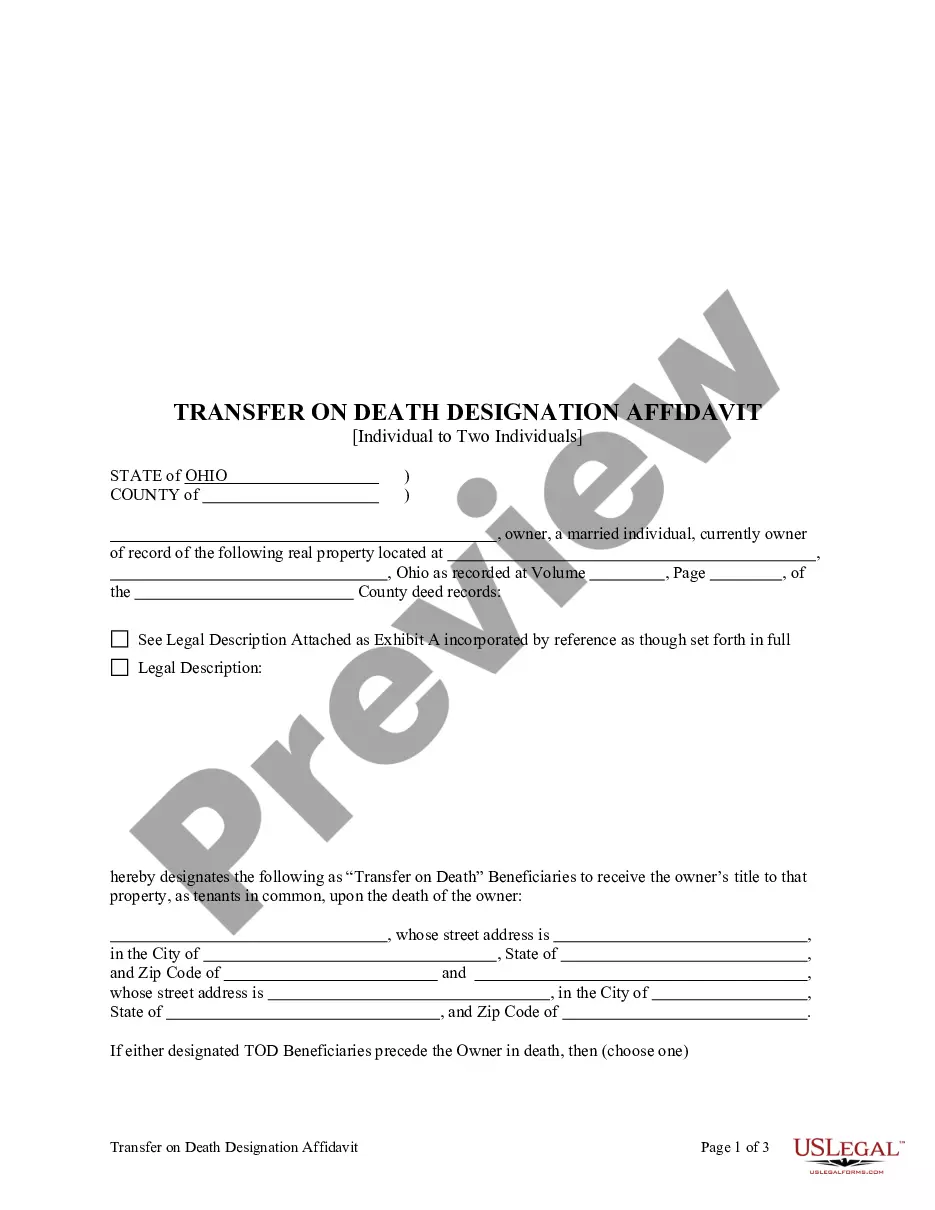
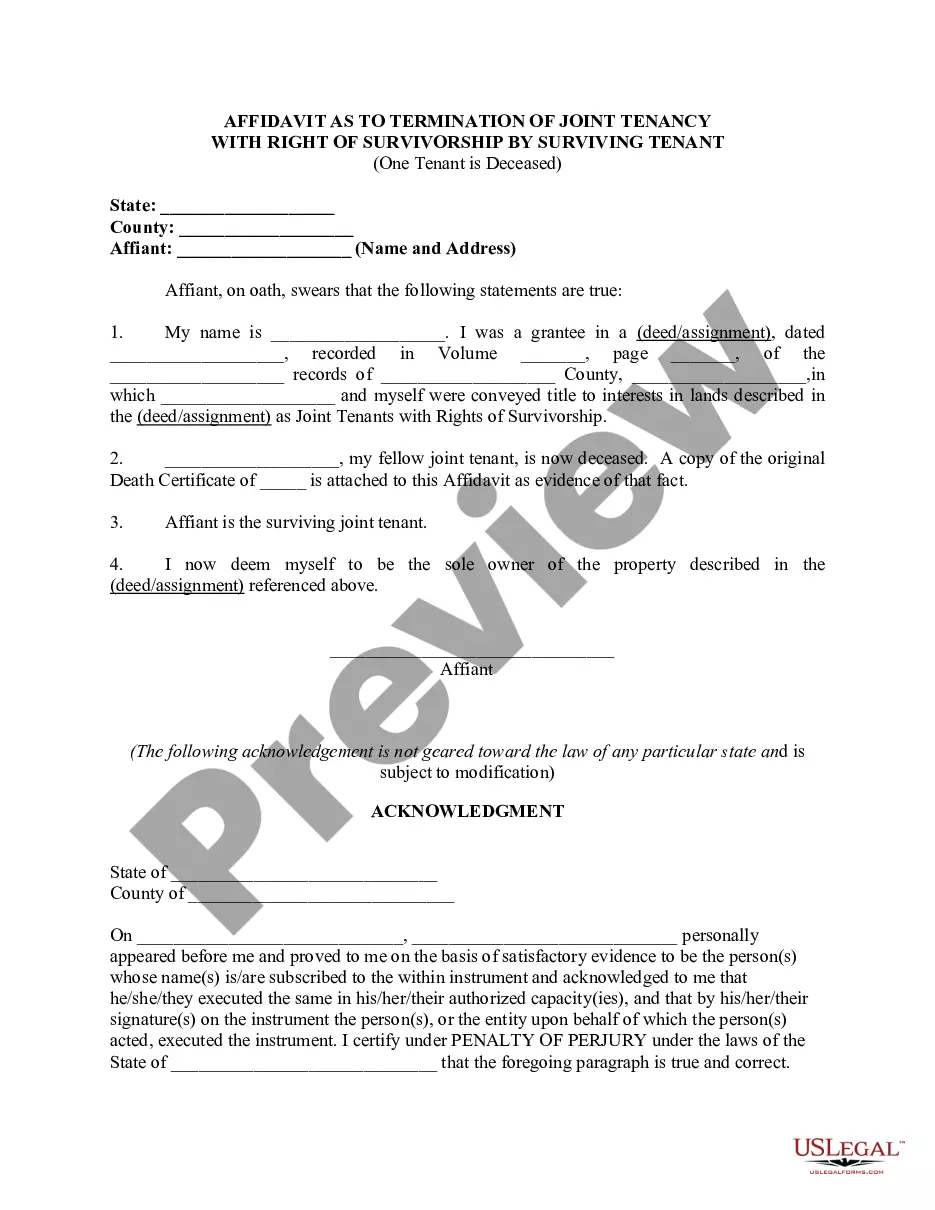
Get your form ready online
Our built-in tools help you complete, sign, share, and store your documents in one place.
Make edits, fill in missing information, and update formatting in US Legal Forms—just like you would in MS Word.
Download a copy, print it, send it by email, or mail it via USPS—whatever works best for your next step.
Sign and collect signatures with our SignNow integration. Send to multiple recipients, set reminders, and more. Go Premium to unlock E-Sign.
If this form requires notarization, complete it online through a secure video call—no need to meet a notary in person or wait for an appointment.
We protect your documents and personal data by following strict security and privacy standards.

Make edits, fill in missing information, and update formatting in US Legal Forms—just like you would in MS Word.

Download a copy, print it, send it by email, or mail it via USPS—whatever works best for your next step.

Sign and collect signatures with our SignNow integration. Send to multiple recipients, set reminders, and more. Go Premium to unlock E-Sign.

If this form requires notarization, complete it online through a secure video call—no need to meet a notary in person or wait for an appointment.

We protect your documents and personal data by following strict security and privacy standards.
Looking for another form?
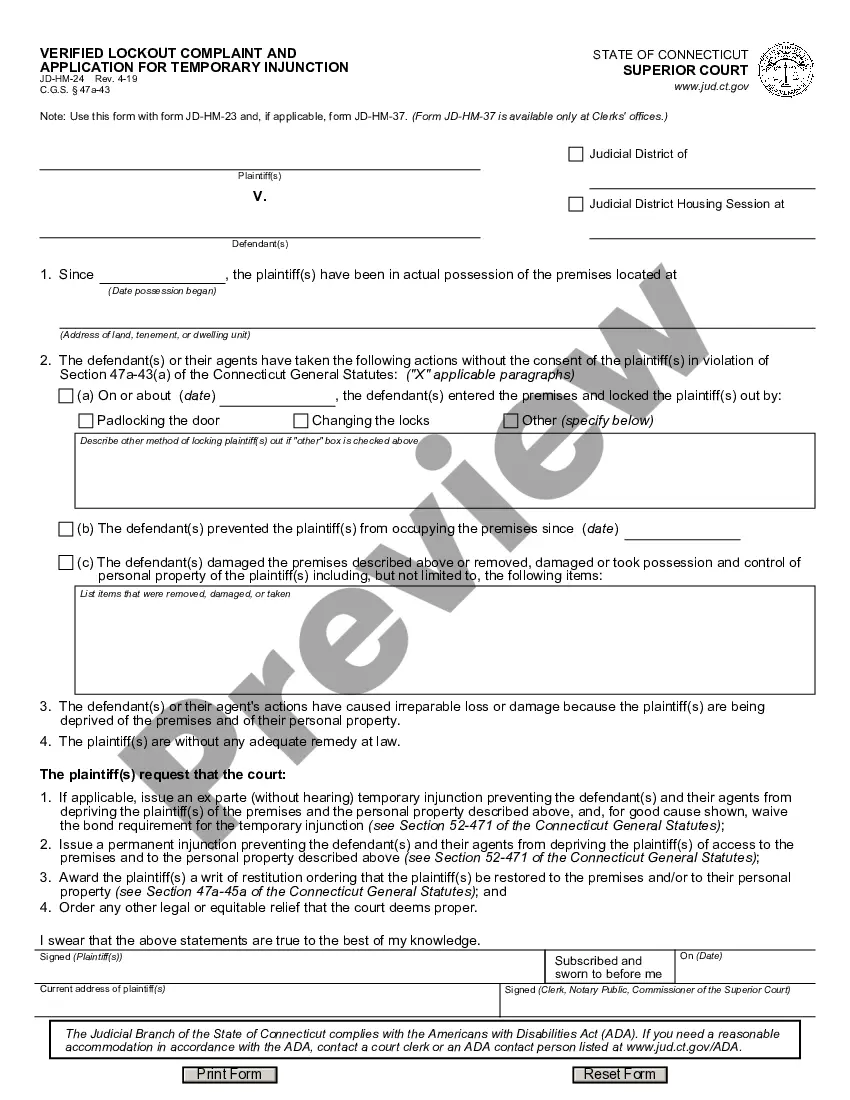







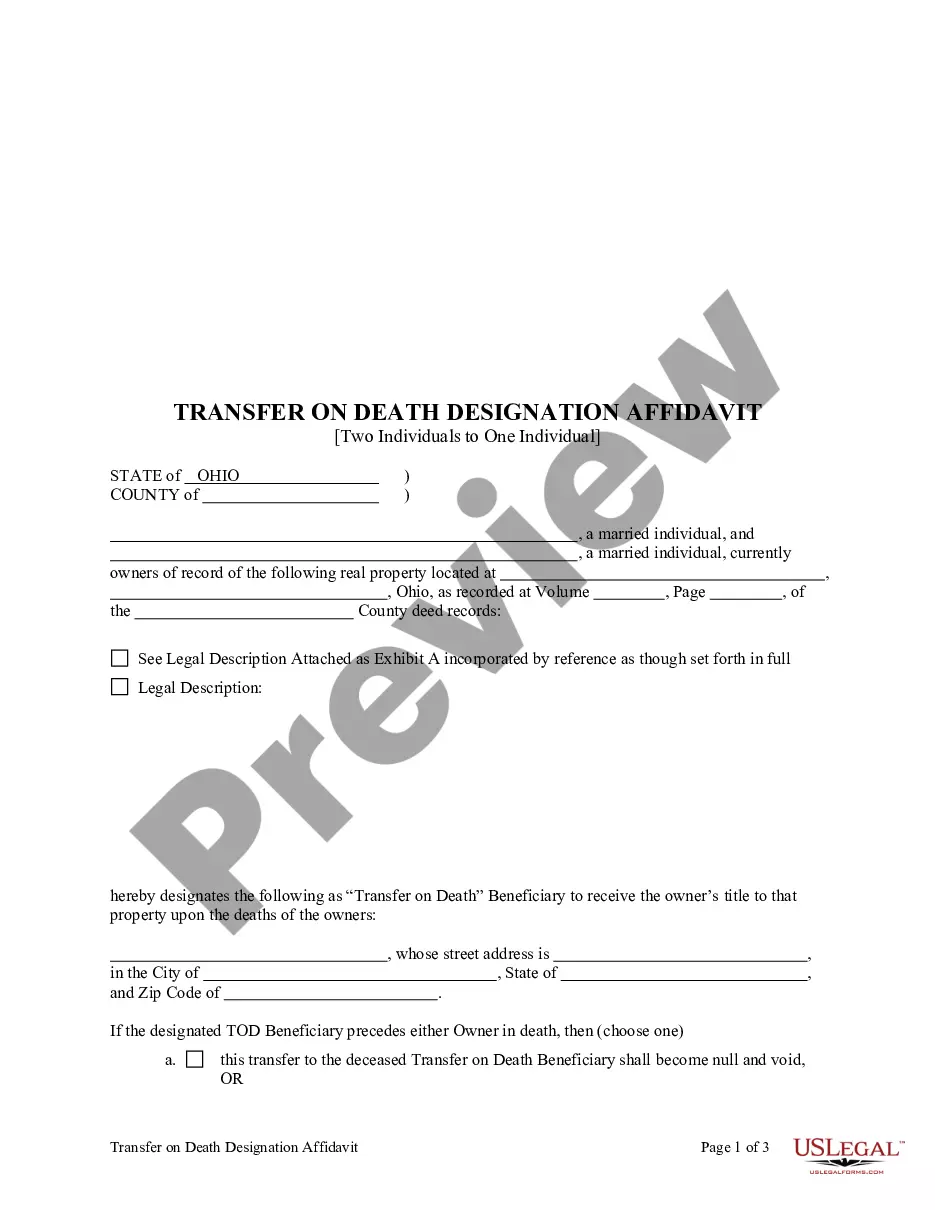
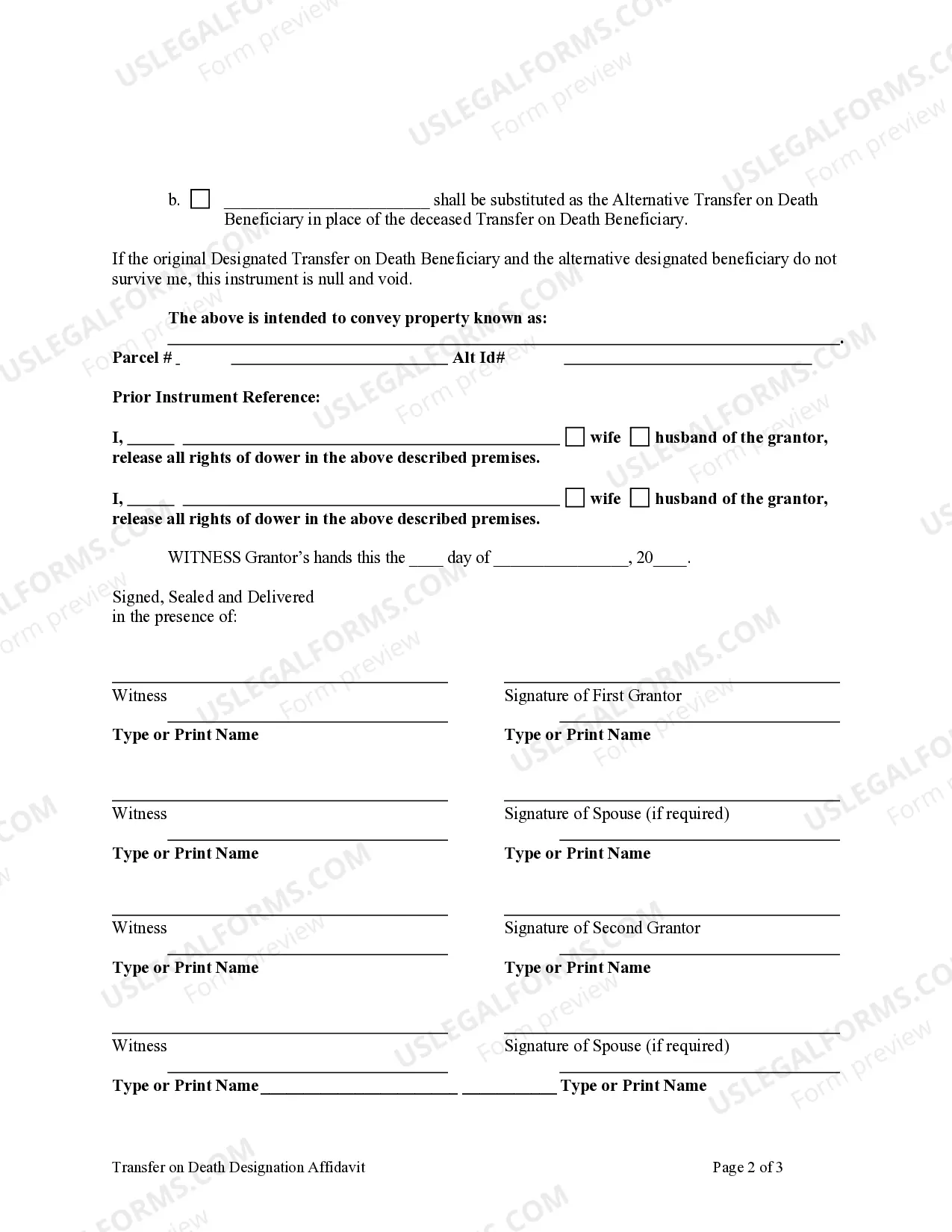
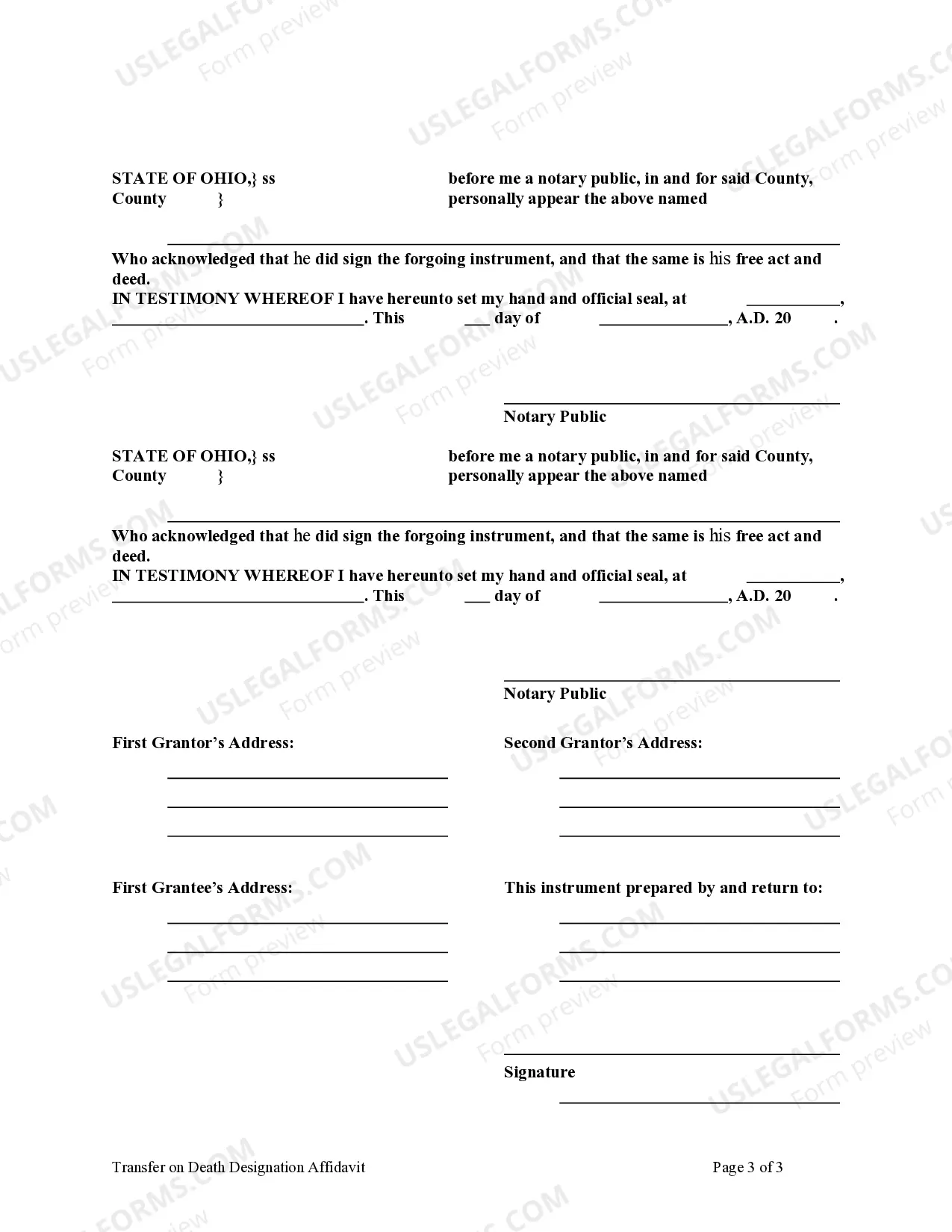
How to fill out Ohio Transfer On Death Designation Affidavit - TOD From Two Individuals To One Individual?
Securing a reliable source for the latest and most suitable legal documents constitutes a significant part of navigating bureaucracy.
Locating the correct legal paperwork requires accuracy and meticulousness, which is why it is crucial to take samples of Transfer Death Individual For Personal Use exclusively from credible sources, such as US Legal Forms.
Eliminate the hassle associated with your legal documents. Browse the extensive US Legal Forms collection to discover legal templates, verify their applicability to your situation, and download them instantly.
- Utilize the directory navigation or search bar to find your document.
- Examine the form’s details to verify if it meets the criteria of your state and region.
- Check the form preview, if available, to ensure the template is what you need.
- Return to the search and find the correct document if the Transfer Death Individual For Personal Use does not align with your requirements.
- If you are confident about the form’s applicability, proceed to download it.
- If you are a registered user, click Log in to confirm your identity and access your chosen forms in My documents.
- If you do not have an account yet, click Buy now to purchase the template.
- Choose the pricing plan that meets your needs.
- Complete the registration to confirm your purchase.
- Finalize your purchase by choosing a payment option (credit card or PayPal).
- Select the document format for downloading Transfer Death Individual For Personal Use.
- After obtaining the form on your device, you can edit it using the editor or print it and fill it out manually.
Form popularity
FAQ
A final tax return and up to three optional returns may be filed in the year of death. The final return is always required for a deceased person. On the final return, you must report the income earned by the deceased person between Jan. 1 and the date of death.
A final return cannot be submitted electronically via NETFILE. You must mail it to the deceased tax centre. Find the appropriate mailing address here.
A decedent taxpayer's tax return can be filed electronically. Follow the specific directions provided by your preparation software for proper signature and notation requirements.
What Is the Difference Between TOD and Beneficiary? A transfer on death is an instrument that transfers ownership of specific accounts and assets to someone. A beneficiary is someone that is named to receive something of value.
Disability: If your beneficiary has a disability or acquires one from an accident or illness before death. In that case, the POD and TOD funds could end up with the government or jeopardize their Medicaid and SSI.