Revocation Living Trust With A Family Member
Description

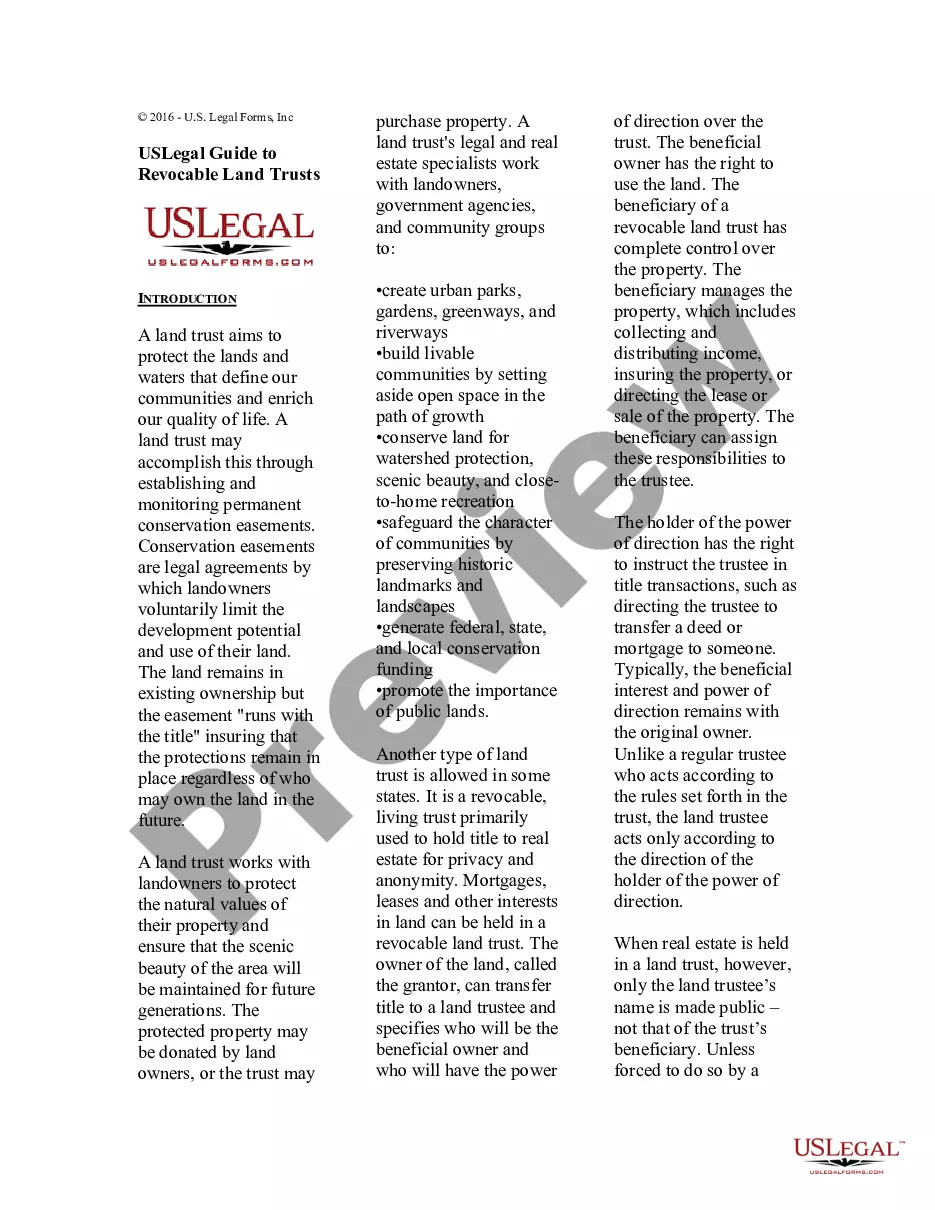
Get your form ready online
Our built-in tools help you complete, sign, share, and store your documents in one place.
Make edits, fill in missing information, and update formatting in US Legal Forms—just like you would in MS Word.
Download a copy, print it, send it by email, or mail it via USPS—whatever works best for your next step.
Sign and collect signatures with our SignNow integration. Send to multiple recipients, set reminders, and more. Go Premium to unlock E-Sign.
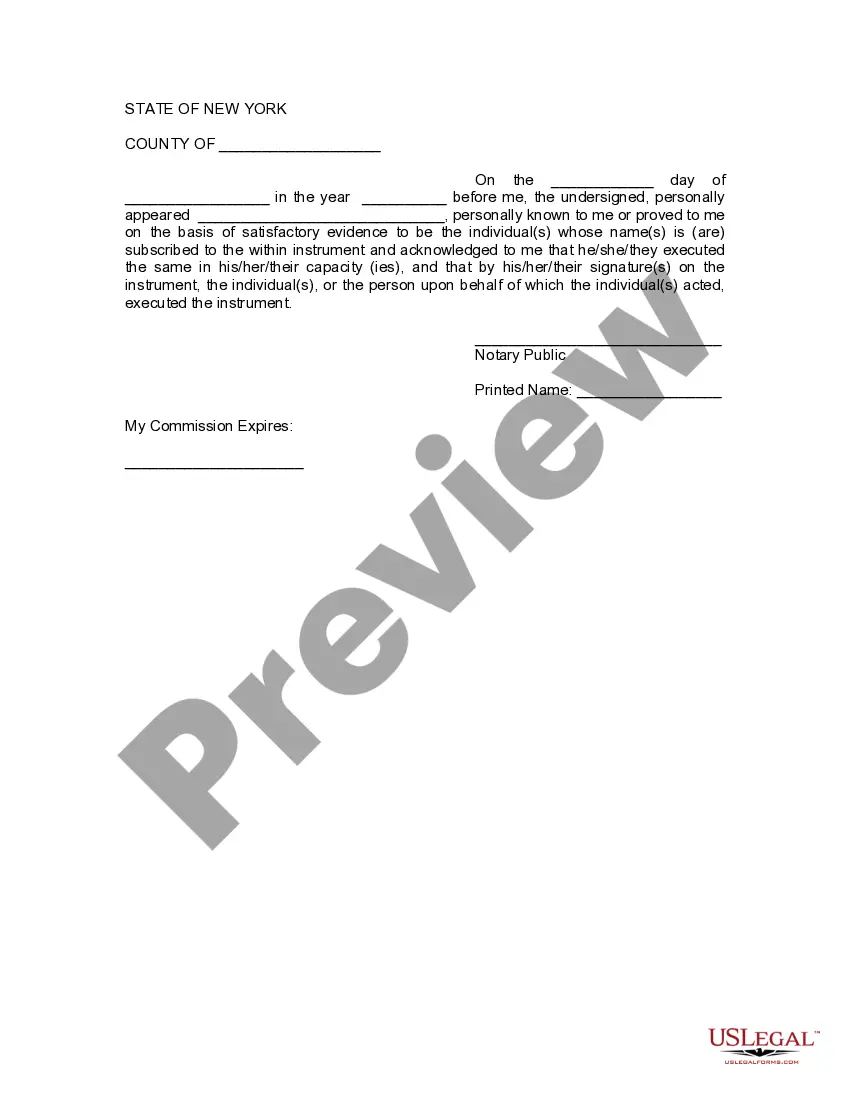
If this form requires notarization, complete it online through a secure video call—no need to meet a notary in person or wait for an appointment.
We protect your documents and personal data by following strict security and privacy standards.

Make edits, fill in missing information, and update formatting in US Legal Forms—just like you would in MS Word.

Download a copy, print it, send it by email, or mail it via USPS—whatever works best for your next step.

Sign and collect signatures with our SignNow integration. Send to multiple recipients, set reminders, and more. Go Premium to unlock E-Sign.

If this form requires notarization, complete it online through a secure video call—no need to meet a notary in person or wait for an appointment.

We protect your documents and personal data by following strict security and privacy standards.
Looking for another form?




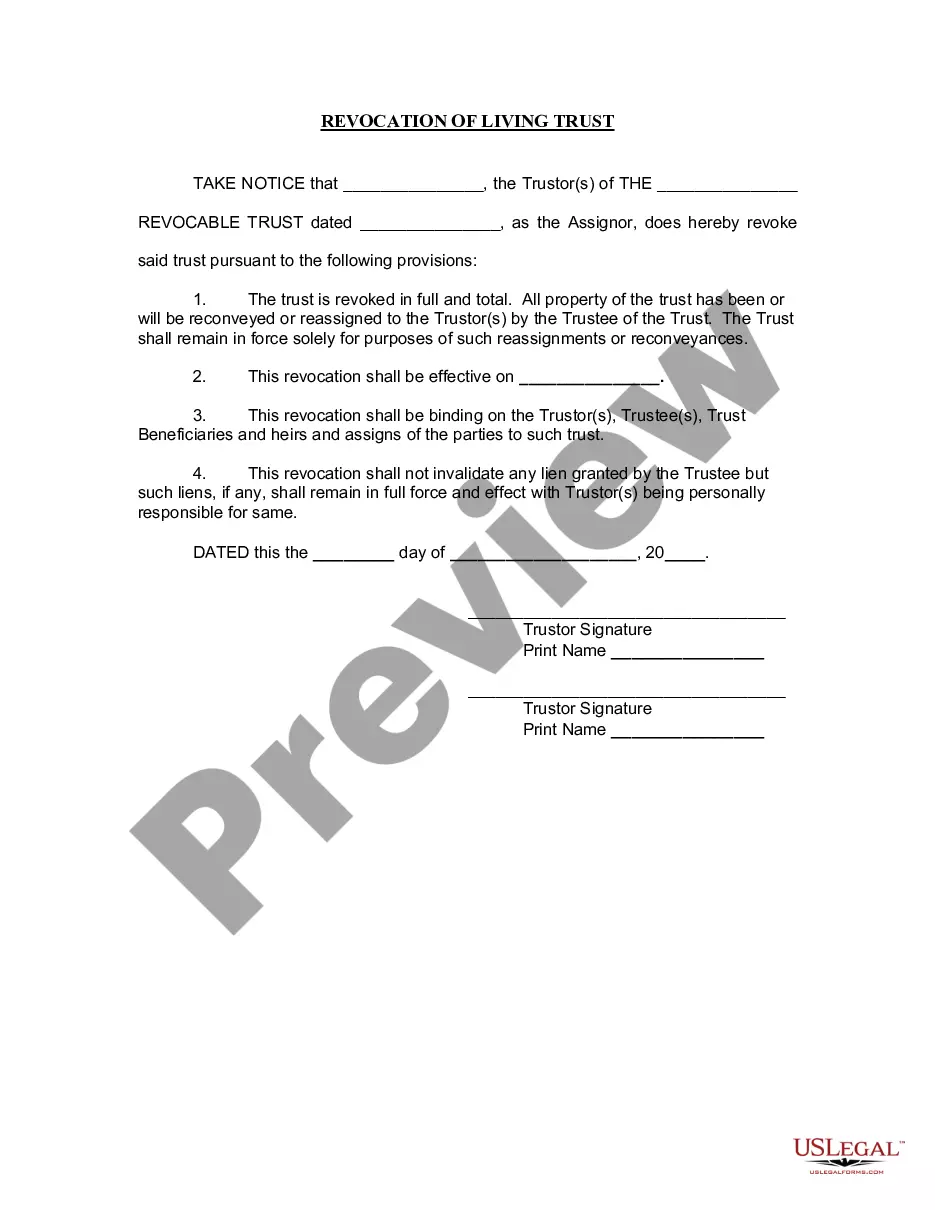
How to fill out New York Revocation Of Living Trust?
- Log in to your US Legal Forms account to access your previously used templates, ensuring your subscription is valid for additional downloads.
- Preview the available forms to identify the correct revocation template that aligns with your local jurisdiction and specific needs.
- If necessary, utilize the Search function to explore other relevant templates until you find the one that suits your requirements.
- Click on the 'Buy Now' button to select your preferred subscription plan for continued access to the document library.
- Complete your purchase using a credit card or PayPal, ensuring that your subscription is activated.
- Download the completed form to your device, allowing you to easily access it anytime from your profile’s My Forms section.
In conclusion, US Legal Forms provides a straightforward method to revoke a living trust with a family member. With a vast library of documents and expert support, you can be assured that your legal needs are met accurately and efficiently.
Take the first step towards managing your legal documents today; visit US Legal Forms to get started!
Form popularity
FAQ
Yes, you can amend a revocable living trust with a family member without an attorney, as long as you follow the specific procedures outlined in the trust document. Most amendments require you to draft an amendment document that explicitly states the changes you wish to make. However, keep in mind that legal advice can be beneficial to ensure that the amendments are properly worded and executed. For templates and guidance, consider visiting USLegalForms to simplify the process.
A trust revocation declaration is a formal statement that nullifies a revocable living trust. For instance, it might state, 'I, Your Name, hereby revoke the Living Trust established on Date. This declaration serves as my intention to dissolve all terms and conditions set forth within that trust.' Crafting this document with care ensures your family understands the trust's termination. You can find templates on USLegalForms to assist in creating a proper declaration.
One significant mistake parents often make when setting up a trust fund is not clearly defining their intentions and rules regarding asset distribution. This lack of clarity can lead to family disputes and confusion over the trust's purpose, potentially affecting relationships. Ensuring open communication with family members about the trust can prevent misunderstandings later. Explore resources on USLegalForms to help create a clear and effective trust document.
To revoke a revocable living trust with a family member, you typically need to sign a revocation document, which informs all parties involved that the trust is no longer valid. After that, notify your family members and relevant institutions, such as banks or financial advisors, about the change. It is also a good practice to destroy any copies of the trust document to prevent confusion in the future. For additional guidance, consider using USLegalForms to access templates for trust revocation.
A revocable trust typically becomes irrevocable upon the death of the trustor. Once this transition occurs, the trust cannot be altered or dissolved without the approval of all beneficiaries. Understanding this aspect is particularly important when considering revocation living trusts with a family member, as it sets in motion the distribution of assets according to the trust's terms. Planning ahead can help avoid misunderstandings later.
A trust can become null and void if it fails to meet legal requirements or if the trustor lacks the capacity to create a trust. Additionally, if the trust's purpose becomes impossible to fulfill, it may also be rendered void. When setting up a revocation living trust with a family member, clarity and proper legal advice can prevent these complications. Always review your trust's provisions to ensure validity.
A trust can be terminated in three primary ways: by the actions of the trustee, by the trustor's explicit instructions, or by judicial order. When revocation living trusts with a family member, the trust can be effectively ended if all parties agree to dissolve it. Ensuring that the termination is according to the trust document and state laws is vital in this process.
To revoke a revocable trust, you typically need to follow the guidelines set forth in the trust document itself. Generally, this includes drafting a formal revocation document or even destroying the existing trust document. It is advisable to notify all involved parties, particularly if you created the trust in collaboration with a family member. This process allows you to maintain control over your assets.