Attorney Child
Description
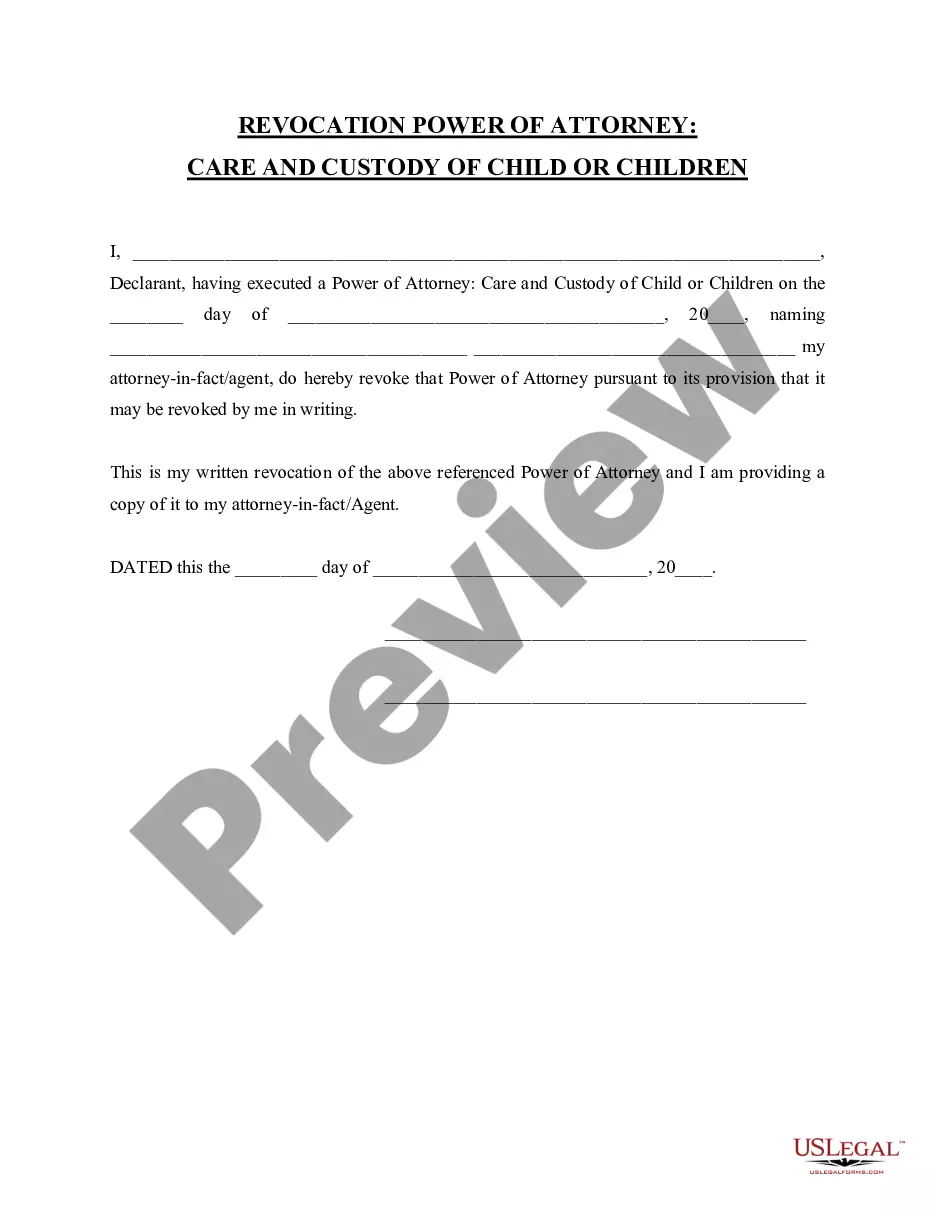
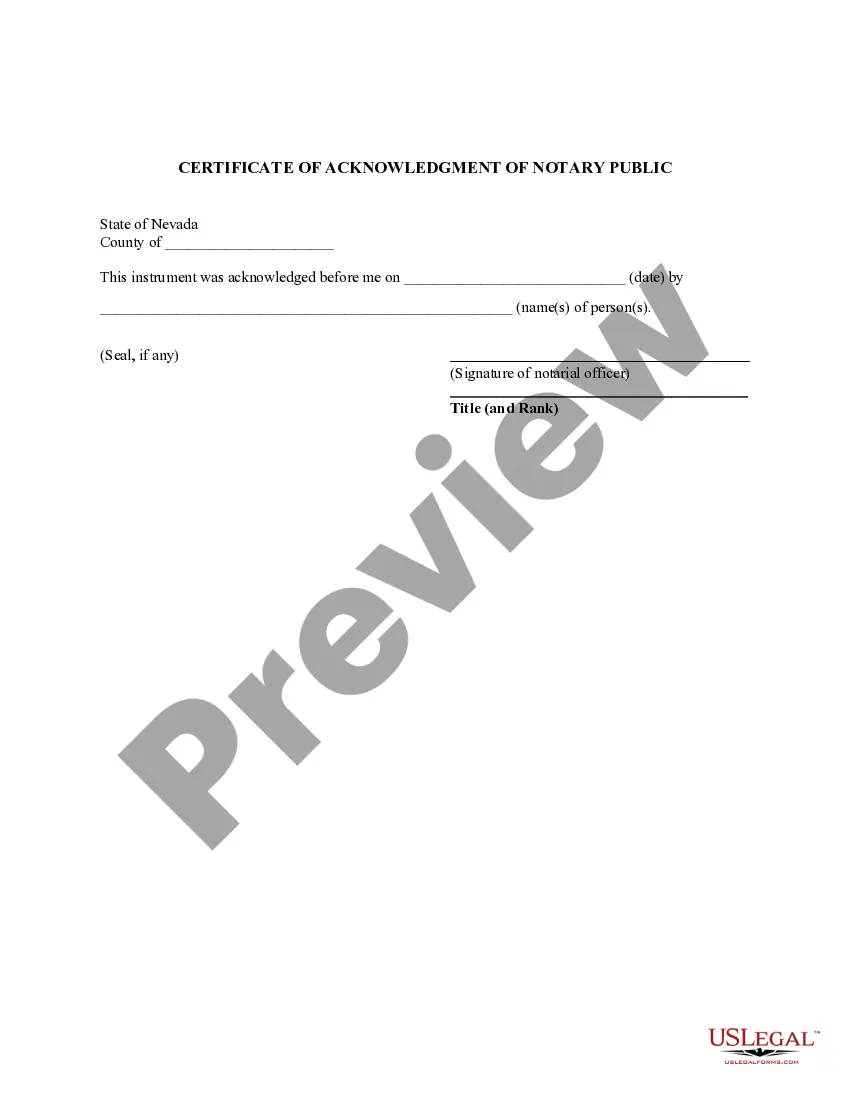
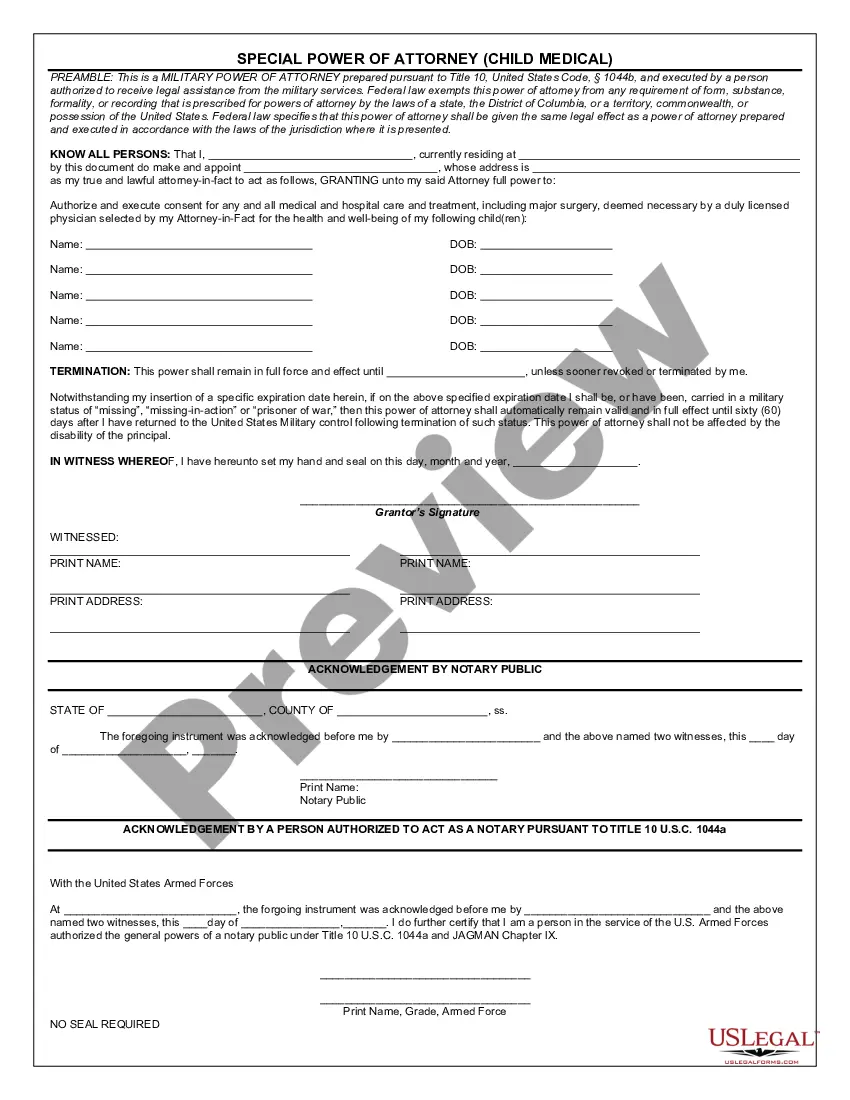
Get your form ready online
Our built-in tools help you complete, sign, share, and store your documents in one place.
Make edits, fill in missing information, and update formatting in US Legal Forms—just like you would in MS Word.
Download a copy, print it, send it by email, or mail it via USPS—whatever works best for your next step.
Sign and collect signatures with our SignNow integration. Send to multiple recipients, set reminders, and more. Go Premium to unlock E-Sign.
If this form requires notarization, complete it online through a secure video call—no need to meet a notary in person or wait for an appointment.
We protect your documents and personal data by following strict security and privacy standards.

Make edits, fill in missing information, and update formatting in US Legal Forms—just like you would in MS Word.

Download a copy, print it, send it by email, or mail it via USPS—whatever works best for your next step.

Sign and collect signatures with our SignNow integration. Send to multiple recipients, set reminders, and more. Go Premium to unlock E-Sign.

If this form requires notarization, complete it online through a secure video call—no need to meet a notary in person or wait for an appointment.

We protect your documents and personal data by following strict security and privacy standards.
Looking for another form?






How to fill out Nevada Revocation Of Power Of Attorney For Care Of Child Or Children?
- If you are a returning user, log into your account and check your subscription status before downloading your required form.
- In case you are a new user, begin by browsing our extensive online library of over 85,000 forms. Utilize the Preview mode to ensure you select the correct form that aligns with your jurisdiction's requirements.
- Should you find discrepancies or need another document, use the Search tab to find more suitable options.
- Once you've located the right template, click 'Buy Now' and select a subscription plan that works for you. You will need to create an account to gain access to our resources.
- Complete your payment using your credit card or PayPal to finalize your purchase.
- Download your form and save it for easy access later. You can always find it under My Forms in your account.
By using US Legal Forms, you empower yourself with a robust tool that guarantees access to legally sound documents. Our platform's dedicated support and extensive resources ensure that you will always have what you need, when you need it.
Start your journey today and take advantage of the benefits US Legal Forms has to offer for attorney child documents!
Form popularity
FAQ
Yes, a man can voluntarily seek to establish a child support arrangement. By initiating this process, he can ensure that he contributes to his child's financial needs, regardless of formal custody or visitation arrangements. It may also demonstrate a proactive approach to parenting. Connecting with an attorney child can provide necessary guidance; US Legal Forms offers essential paperwork and information to facilitate this process effectively.
In Minnesota, child support laws ensure that both parents contribute to the financial needs of their children. The court typically determines the amount based on various factors, including each parent's income, the child’s needs, and custody arrangements. An attorney child can help parents navigate through this process, ensuring fair calculations and legal compliance. For up-to-date forms and guidelines related to child support, visit the US Legal Forms platform for valuable resources.
The term 'attorney of a child' refers to a lawyer who is specifically appointed to represent a child's legal interests. This attorney acts on behalf of the child in court proceedings, guiding them through complex legal situations. They focus on the child's well-being and ensure that legal decisions are made in the best interest of the child. Using services from the US Legal Forms platform can help you understand how to find and work with an attorney child effectively.
A child lawyer is often referred to as a child advocate or a children's attorney. These legal professionals specialize in representing the interests of children in various legal matters, such as custody disputes and child welfare cases. They possess expertise in the emotional and legal facets affecting children and ensure that the child's voice is heard. If you're looking for comprehensive resources, the US Legal Forms platform can provide you with vital information and forms related to hiring an attorney child.
In North Carolina, you are not required to have a lawyer to create a power of attorney for your child, but it can be beneficial. An attorney can help ensure that all legal requirements are met and that the document effectively reflects your intentions. If you're unsure about the specifics, consider leveraging tools from US Legal Forms to guide you through the necessary steps in an attorney child setup.
To set up power of attorney for your child, you will need to complete a legal document that details the powers you are granting. It's crucial to ensure this document is signed, dated, and notarized to be legally binding. Resources like US Legal Forms can simplify this process by providing you with easy-to-use templates that ensure compliance with state laws regarding attorney child matters.
Yes, a child can obtain an attorney, especially in cases involving custody, juvenile matters, or other legal issues. Having legal representation can help protect a child's rights and ensure their voice is heard in court. If you are considering this option for your child, US Legal Forms offers resources to assist in finding appropriate legal help.
Creating a power of attorney for your child involves drafting a document that outlines the authority you wish to grant to another individual. This document should specify what decisions the person can make on behalf of your child, such as medical or educational choices. By using platforms like US Legal Forms, you can find templates and guidance tailored to meet your needs for an attorney child situation.
Yes, a parent who is an attorney can legally represent their child in legal matters. This is often beneficial, as the parent understands the legal system and can advocate effectively for their child's interests. However, it is essential to ensure that there are no conflicts of interest that could affect the representation. For more tailored advice, parents may want to consult resources like US Legal Forms to navigate specific situations.
Yes, there is a difference between a lawyer and an attorney. A lawyer is someone who has completed law school and may have taken the bar exam but does not necessarily represent clients in court. An attorney, however, is a lawyer who is licensed to practice law and can act on behalf of clients, making them more suited for legal representation. Understanding these distinctions can help you choose the right professional for your legal needs.