Rent Increase Letter For Commercial Property
Description

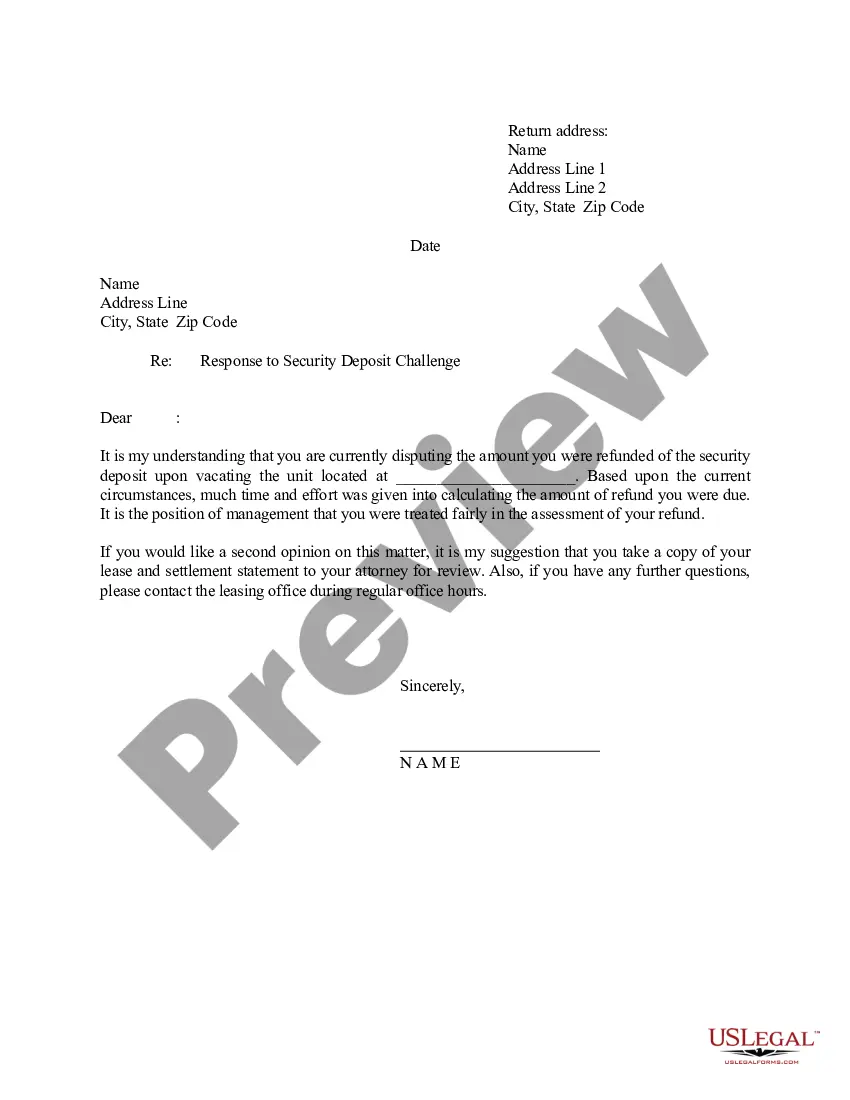
Get your form ready online
Our built-in tools help you complete, sign, share, and store your documents in one place.
Make edits, fill in missing information, and update formatting in US Legal Forms—just like you would in MS Word.
Download a copy, print it, send it by email, or mail it via USPS—whatever works best for your next step.
Sign and collect signatures with our SignNow integration. Send to multiple recipients, set reminders, and more. Go Premium to unlock E-Sign.
If this form requires notarization, complete it online through a secure video call—no need to meet a notary in person or wait for an appointment.
We protect your documents and personal data by following strict security and privacy standards.

Make edits, fill in missing information, and update formatting in US Legal Forms—just like you would in MS Word.

Download a copy, print it, send it by email, or mail it via USPS—whatever works best for your next step.

Sign and collect signatures with our SignNow integration. Send to multiple recipients, set reminders, and more. Go Premium to unlock E-Sign.

If this form requires notarization, complete it online through a secure video call—no need to meet a notary in person or wait for an appointment.

We protect your documents and personal data by following strict security and privacy standards.
Looking for another form?

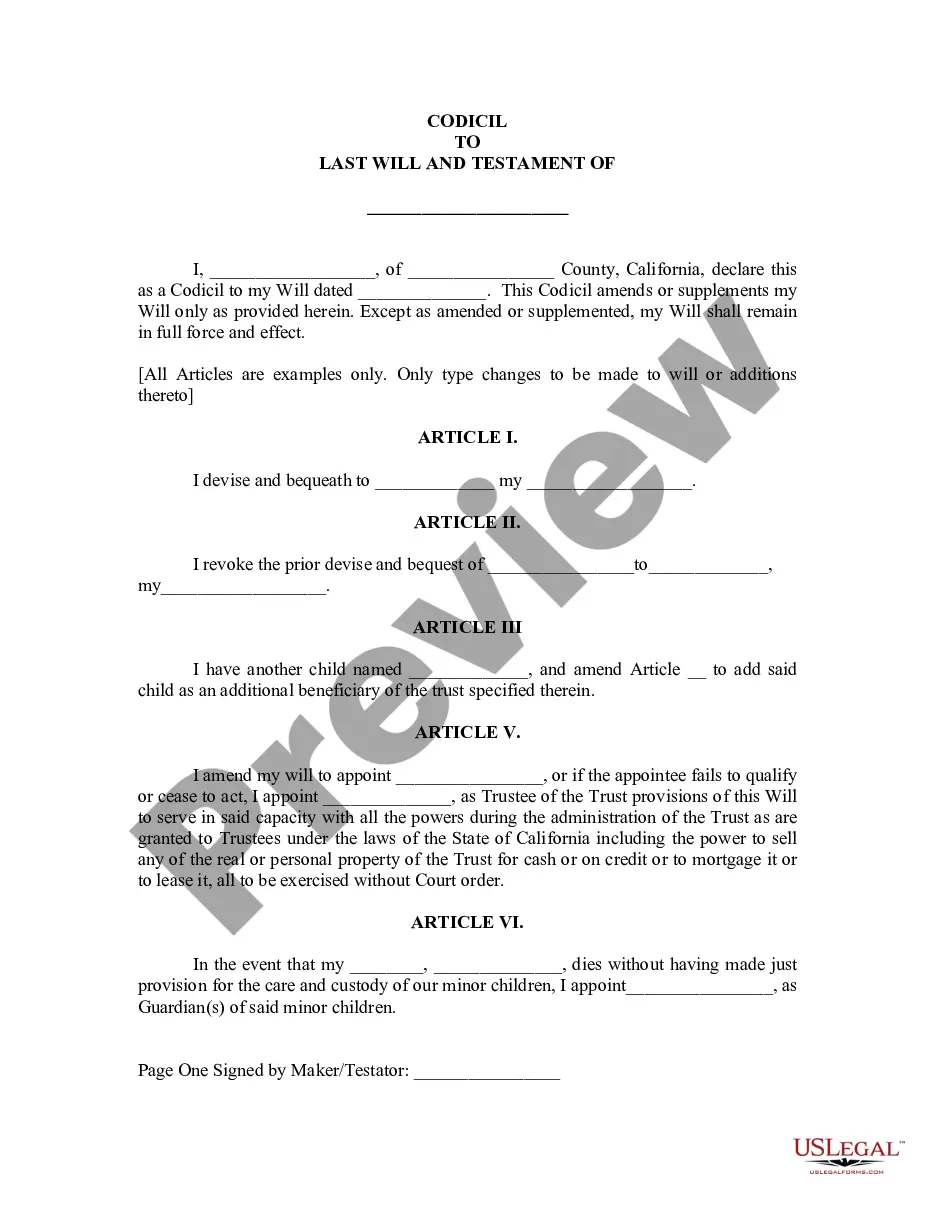



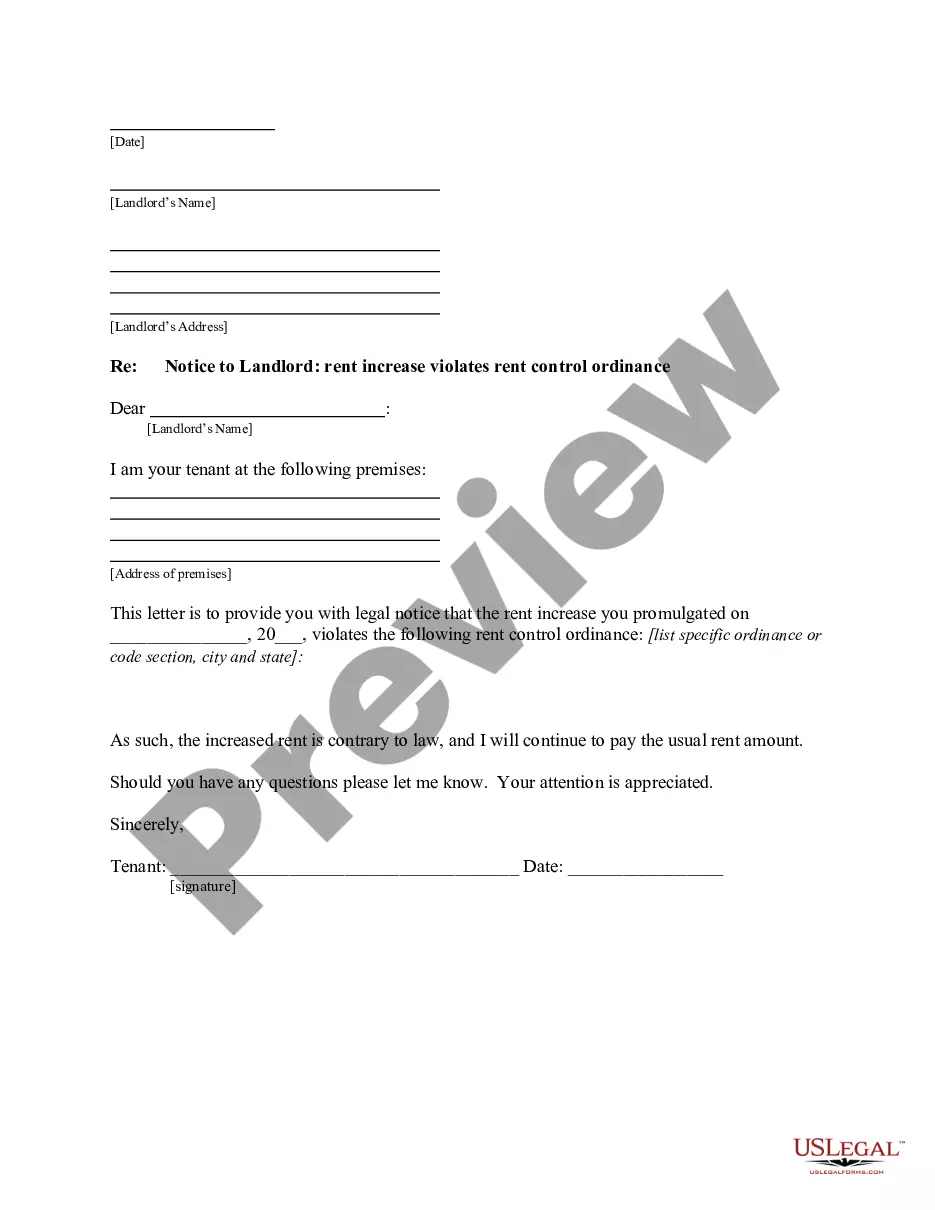
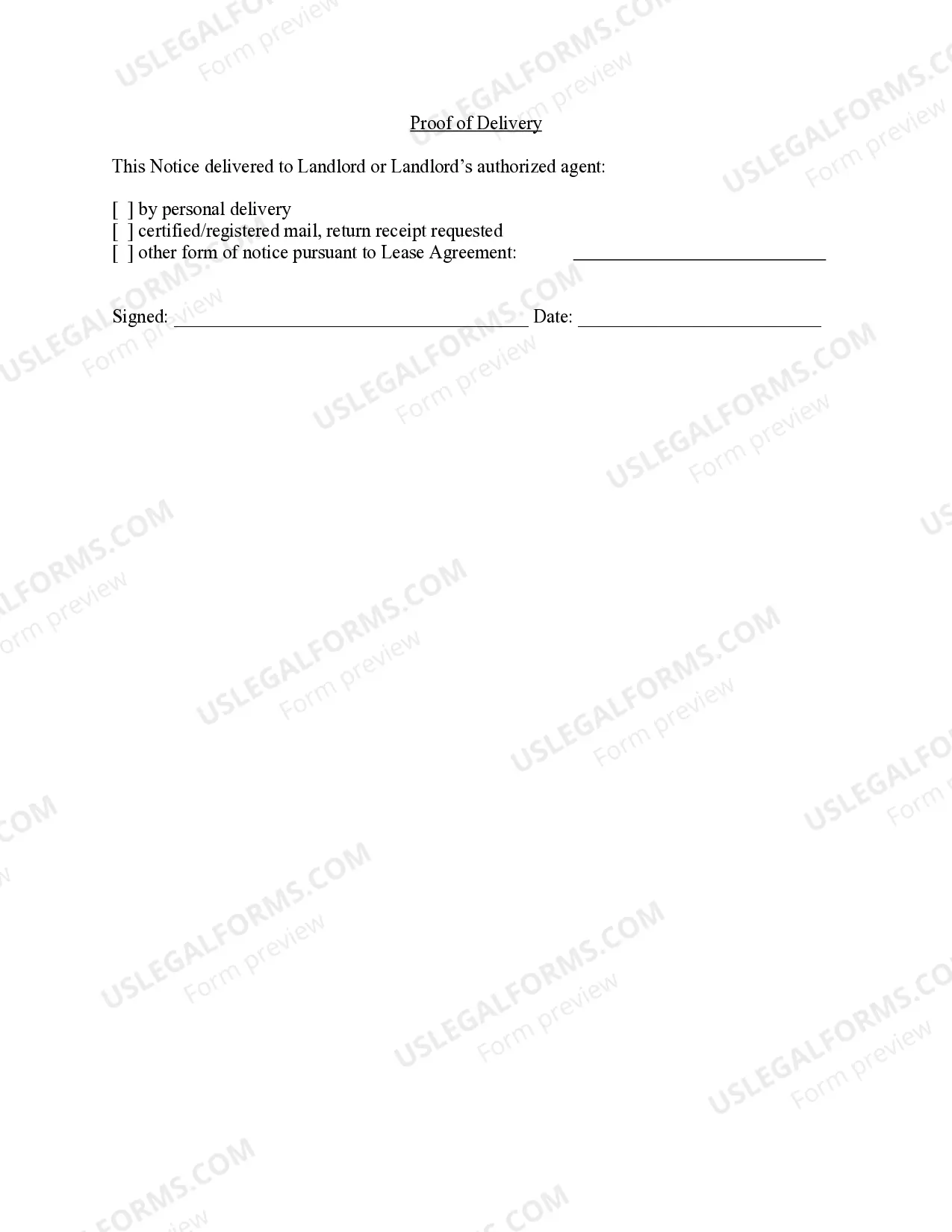
How to fill out Nevada Letter From Tenant To Landlord Containing Notice To Landlord To Withdraw Improper Rent Increase Due To Violation Of Rent Control Ordinance?
- Log in to your US Legal Forms account if you are a returning user, ensuring your subscription is active for uninterrupted access.
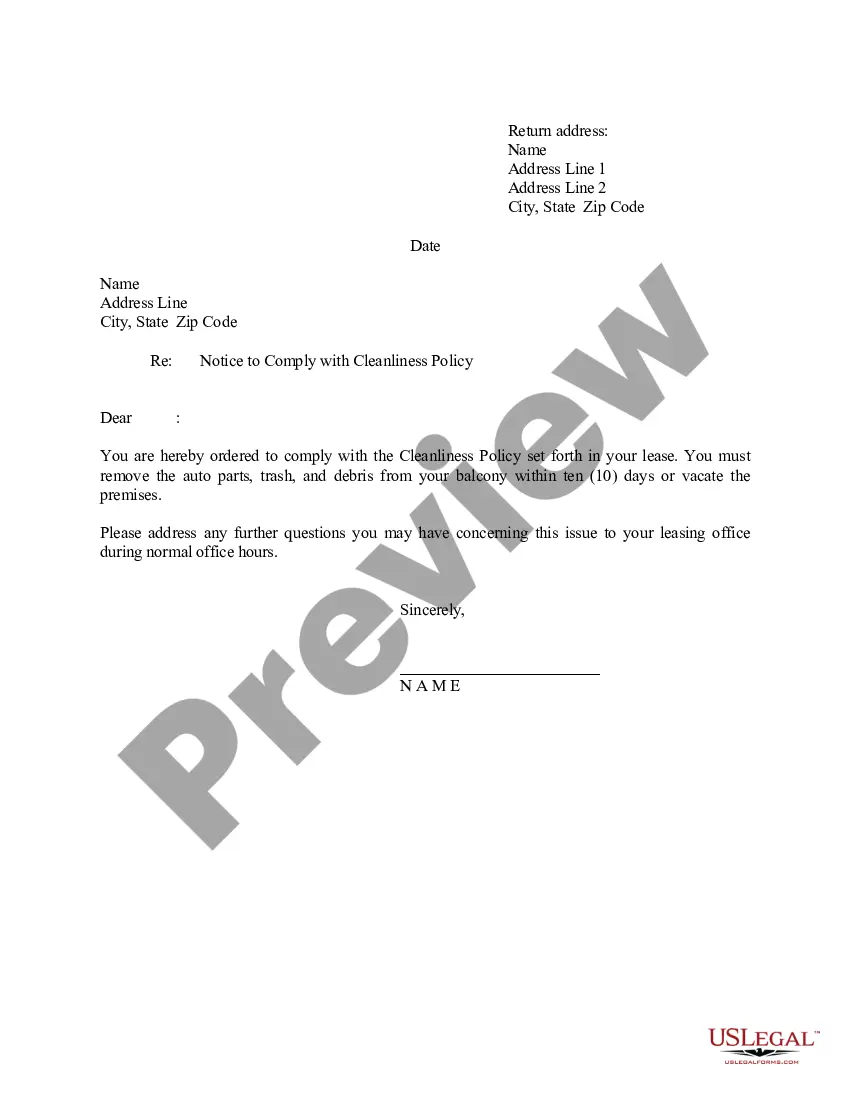
- If you're a new user, start by reviewing the available templates in Preview mode. Make sure to choose a rent increase letter form that complies with your local jurisdiction.
- If you need assistance, utilize the Search feature to find the perfect template that matches your requirements.
- Click the Buy Now button and select a subscription plan that suits your needs; you'll need to create an account for full access to the library.
- Complete your purchase by entering your payment details via credit card or PayPal, finalizing your subscription.
- Download the form directly to your device. Your selected template will also be available in the My Forms section of your profile for future reference.
In conclusion, using US Legal Forms for your rent increase letters not only saves time but ensures that your documents are accurate and legally sound. Whether you're a seasoned landlord or a first-time property manager, the extensive resources available can simplify your tasks significantly.
Don’t hesitate—get started today and access your rent increase letter for commercial property with ease!
Form popularity
FAQ
Calculating annual commercial rent involves evaluating the base rent, any applicable increases, and additional expenses like maintenance or utilities. Start with the base yearly rent, then add any predetermined increases specified in the lease. When preparing a rent increase letter for commercial property, it is helpful to break down these calculations for tenants, clarifying how you arrived at the new amount. This not only promotes transparency but also aids tenants in understanding their financial obligations.
The average commercial lease increase per year often falls between 3% and 6%, but this can vary widely based on economic factors and geographical areas. Many landlords gauge increases based on local rental market trends and economic conditions. When notifying tenants, a rent increase letter for commercial property should clearly express the reasons for the adjustment while remaining within average industry standards. This approach not only covers your financial needs but also aligns with tenant expectations.
A fair annual rent increase typically ranges between 2% and 5%, depending on the market conditions and property location. This range helps maintain a positive relationship with tenants while ensuring your investment keeps pace with inflation and market demands. When drafting a rent increase letter for commercial property, it is crucial to justify your increase with data on market rates. This transparency fosters trust and understanding between landlords and tenants.
The maximum rent increase per year for commercial property varies based on local laws and the terms of the lease agreement. It is essential to review your specific lease and local regulations to understand these limits. Generally, the rent increase letter for commercial property should align with market trends and legal guidelines to ensure compliance. By using a well-crafted rent increase letter, you can communicate these changes clearly to your tenant.
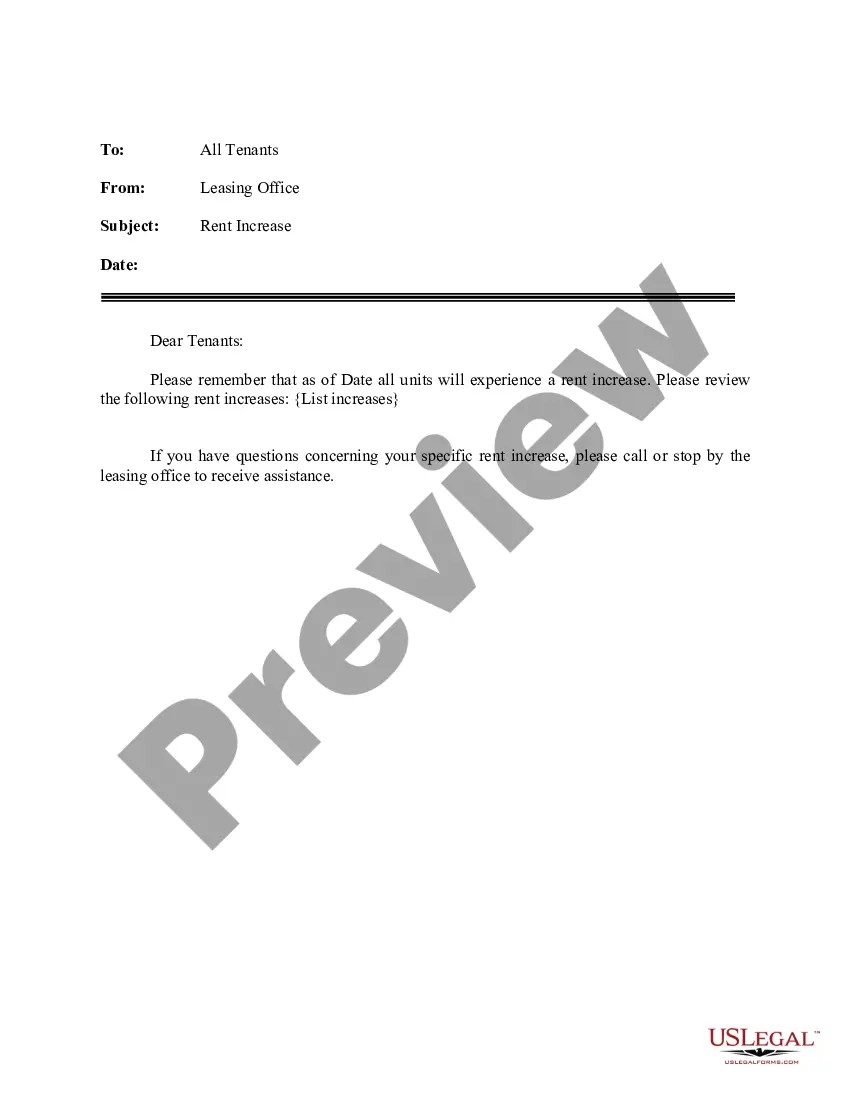
When writing a letter about increasing rent, begin by specifying the property and the current rent amount. Clearly communicate the new rental rate and the effective date. It's important to include reasons for the increase, such as market trends or property improvements, to provide context. Utilizing a rent increase letter for commercial property helps maintain transparency and fosters a positive relationship between landlords and tenants.
To write a letter of intent to lease commercial property, start by clearly stating your intention to lease the space. Include essential details like the property address, proposed lease terms, and duration. Also, outline any specific requests or conditions you have. This letter sets the initial framework for negotiations, ensuring both parties understand the expectations moving forward.
The average annual increase in commercial rent varies by location and property type, but it typically ranges between 2% and 5%. Tracking local market trends can provide insights into expected increases in your area. Understanding these trends can help you prepare for negotiations regarding your rent increase letter for commercial property.
To write a notice letter for a rent increase, include the current rental amount, the new amount, and the reasoning behind the increase. Clearly state the effective date of the new rent and provide legal notices as required by law. Ensure your tone is professional and courteous to maintain a positive landlord-tenant relationship.
When asking your landlord to reduce commercial rent, approach the conversation with a collaborative mindset. Present your reasons clearly, such as financial difficulties or changes in the market, and support your request with relevant data. Be open to negotiation and suggest alternatives that could benefit both parties.
Yes, commercial rents are generally negotiable. Market conditions, property type, and tenant relationships can influence rental agreements. Engaging in a respectful discussion with your landlord can lead to favorable terms, as landlords may be willing to negotiate to keep reliable tenants.