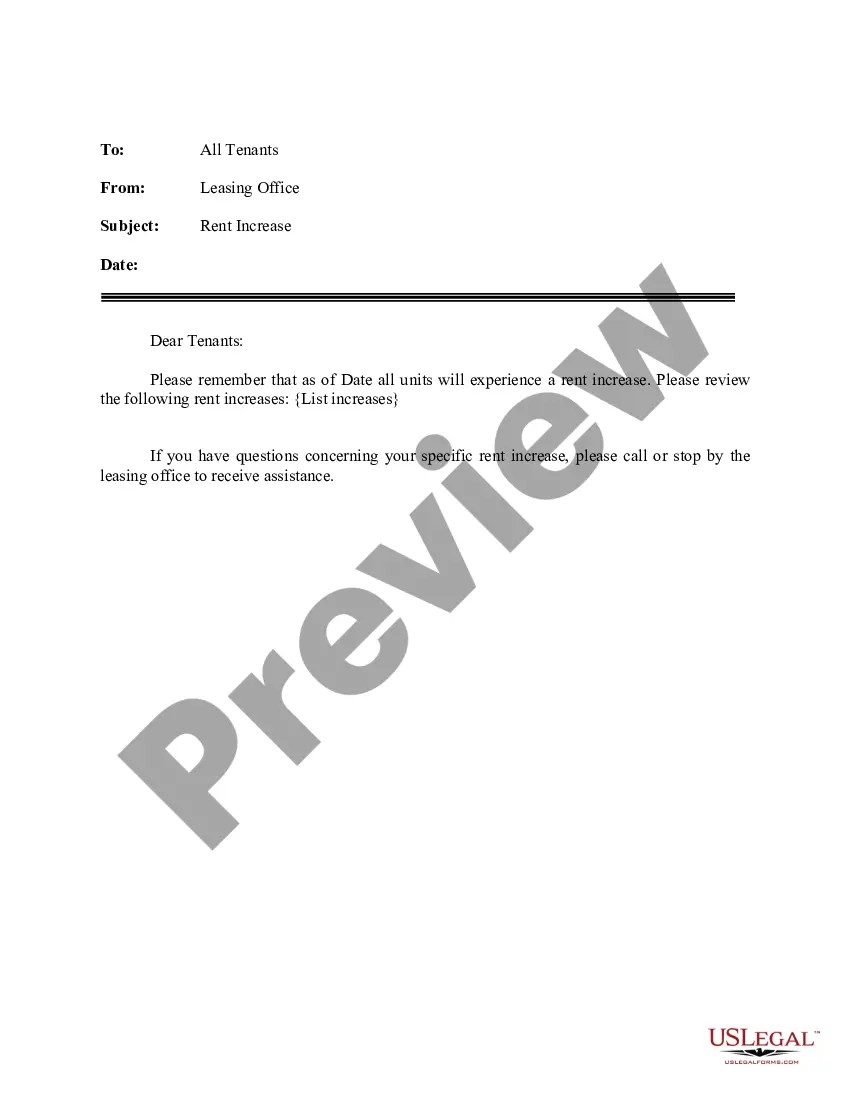
Notice Time For Rent Increase
Description

Get your form ready online
Our built-in tools help you complete, sign, share, and store your documents in one place.
Make edits, fill in missing information, and update formatting in US Legal Forms—just like you would in MS Word.
Download a copy, print it, send it by email, or mail it via USPS—whatever works best for your next step.
Sign and collect signatures with our SignNow integration. Send to multiple recipients, set reminders, and more. Go Premium to unlock E-Sign.
If this form requires notarization, complete it online through a secure video call—no need to meet a notary in person or wait for an appointment.
We protect your documents and personal data by following strict security and privacy standards.

Make edits, fill in missing information, and update formatting in US Legal Forms—just like you would in MS Word.

Download a copy, print it, send it by email, or mail it via USPS—whatever works best for your next step.

Sign and collect signatures with our SignNow integration. Send to multiple recipients, set reminders, and more. Go Premium to unlock E-Sign.

If this form requires notarization, complete it online through a secure video call—no need to meet a notary in person or wait for an appointment.

We protect your documents and personal data by following strict security and privacy standards.
Looking for another form?









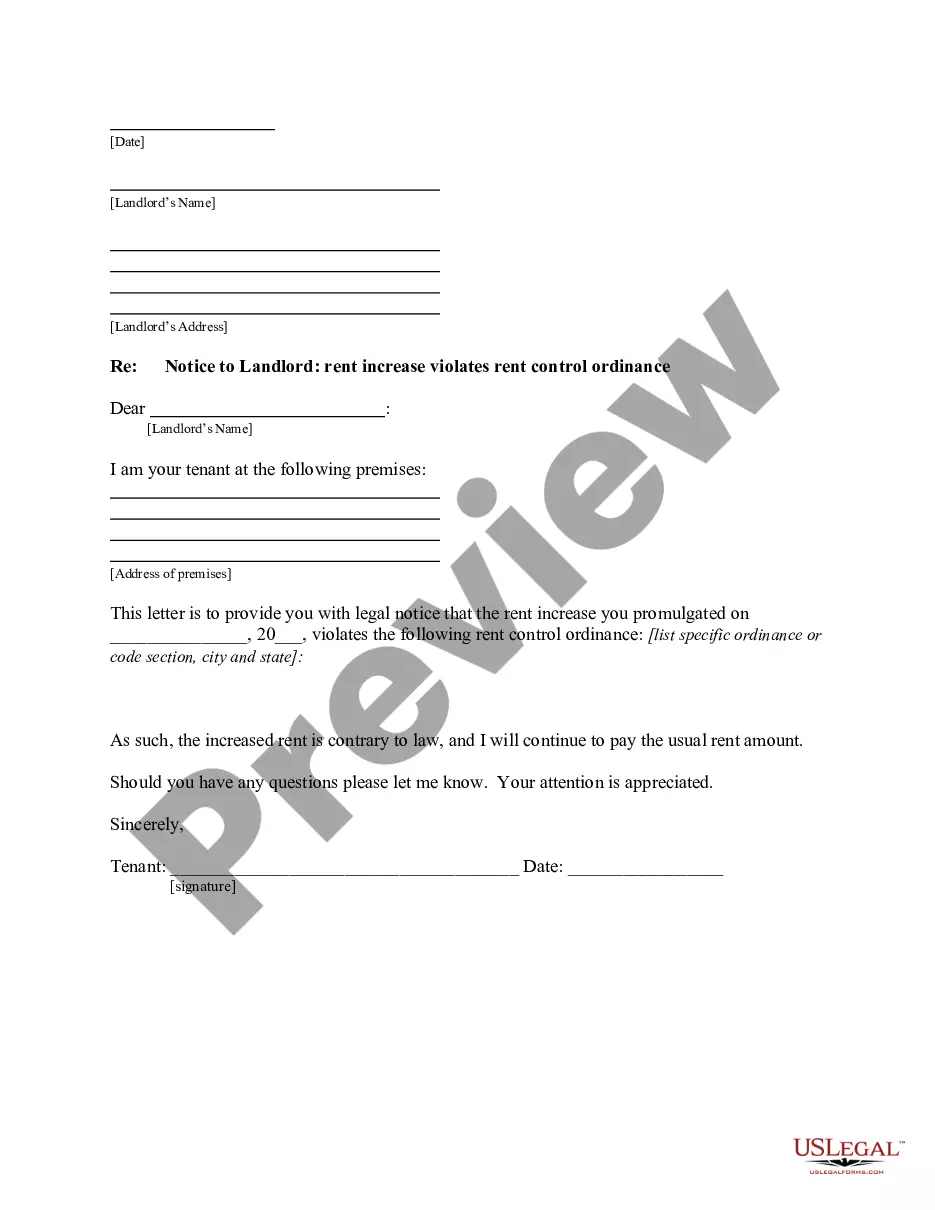
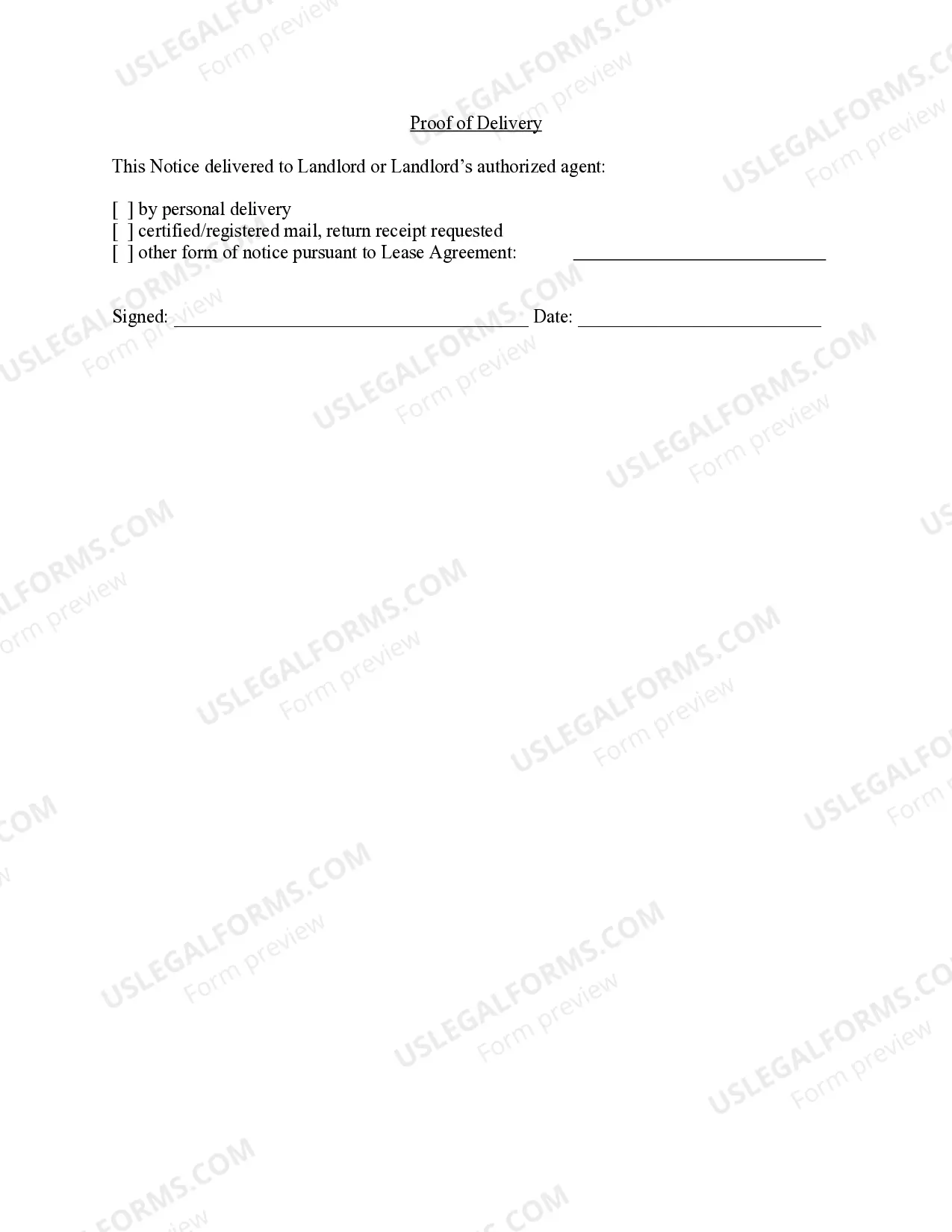
How to fill out Nevada Letter From Tenant To Landlord Containing Notice To Landlord To Withdraw Improper Rent Increase Due To Violation Of Rent Control Ordinance?
- If you are a returning user, log in to your US Legal Forms account and download the desired form template by clicking the Download button. Ensure your subscription is active; if not, update it according to your payment plan.
- For first-time users, start by browsing the available forms. Check the Preview mode and read the form description carefully to confirm it aligns with your jurisdiction's requirements.
- Utilize the Search tab to find any specific document if the first one doesn’t meet your needs. Once you find the appropriate template, proceed to the next step.
- Select your document by clicking the Buy Now button and choose your preferred subscription plan. You’ll need to create an account to unlock full access to the library.
- Complete your purchase by entering your credit card details or opting for PayPal payment to secure your subscription.
- Download your form and save it on your device. You can also access this template anytime in the My Forms section of your account.
By using US Legal Forms, you gain access to a vast library of over 85,000 editable templates, ensuring you can easily find and complete the necessary legal documents. Additionally, users can connect with premium experts for guidance, guaranteeing accuracy and compliance.
Empower your rental management with precise documentation. Start today with US Legal Forms and handle your legal needs efficiently!
Form popularity
FAQ
There is no universal limit to how much a landlord can increase rent, as this varies by state and local laws. Some areas impose caps or require specific notice time for rent increase, while others leave it to market conditions. It's important to research your local regulations for guidance on this matter.
To write a letter to your landlord regarding a rent increase, start by stating your current rent and your concerns about the increase. Be clear and concise in your request for more information or a discussion about the increase. Mentioning the notice time for rent increase can strengthen your position, demonstrating your awareness of your rights.
In Florida, landlords typically must provide a 60-day notice for any rent increase if the tenant has lived in the unit for more than a year, according to state law. For tenants who have lived there less than a year, a 30-day notice is usually sufficient. Understanding the required notice time for rent increase can help you prepare for changes.
The average rent increase in Florida can vary widely, often ranging from 3% to 10% annually, influenced by location and demand. Keep in mind that local ordinances might set limits or require specific notice time for rent increase notifications. It's crucial to research your area to get a clearer understanding.
When discussing a rent increase with your landlord, it’s best to stay calm and direct. You can ask for clarification on the reasons behind the increase and express your concerns respectfully. Mentioning the legal notice time for rent increase may also help you negotiate a fair outcome.
Generally, there is no specific limit on how much a landlord can increase your rent, as this largely depends on state and local laws. However, it's essential to consider market conditions and trends. In many areas, the notice time for rent increase must comply with legal guidelines to ensure tenants have ample time to prepare.
If a landlord fails to give the required 30-day notice for a rent increase, they may face legal challenges from tenants. Many jurisdictions consider such increases as invalid if not properly communicated. It is essential to observe the notice time for rent increase to avoid any repercussions and ensure compliance with the law.
The most a landlord can raise rent is contingent upon local laws and any rent control ordinances in place. Many jurisdictions have rules in place to protect tenants from excessive increases. Keeping up with these regulations will provide clarity on the appropriate notice time for rent increase.
In Ohio, there are generally no limits on how much a landlord can raise rent, but they must provide a proper notice period. Typically, landlords should give at least 30 days' notice before implementing any rent increase. Always research local guidelines to ensure you follow the correct notice time for rent increase.
The maximum rent increase a landlord can implement often varies by state and city. Some areas have rent control laws that limit the percentage of increase each year. Familiarizing yourself with these regulations will help you understand the notice time for rent increase needed to comply with the law.