Notice Rent Increase With The Tenant
Description

Get your form ready online
Our built-in tools help you complete, sign, share, and store your documents in one place.
Make edits, fill in missing information, and update formatting in US Legal Forms—just like you would in MS Word.
Download a copy, print it, send it by email, or mail it via USPS—whatever works best for your next step.
Sign and collect signatures with our SignNow integration. Send to multiple recipients, set reminders, and more. Go Premium to unlock E-Sign.
If this form requires notarization, complete it online through a secure video call—no need to meet a notary in person or wait for an appointment.
We protect your documents and personal data by following strict security and privacy standards.

Make edits, fill in missing information, and update formatting in US Legal Forms—just like you would in MS Word.

Download a copy, print it, send it by email, or mail it via USPS—whatever works best for your next step.

Sign and collect signatures with our SignNow integration. Send to multiple recipients, set reminders, and more. Go Premium to unlock E-Sign.

If this form requires notarization, complete it online through a secure video call—no need to meet a notary in person or wait for an appointment.

We protect your documents and personal data by following strict security and privacy standards.
Looking for another form?
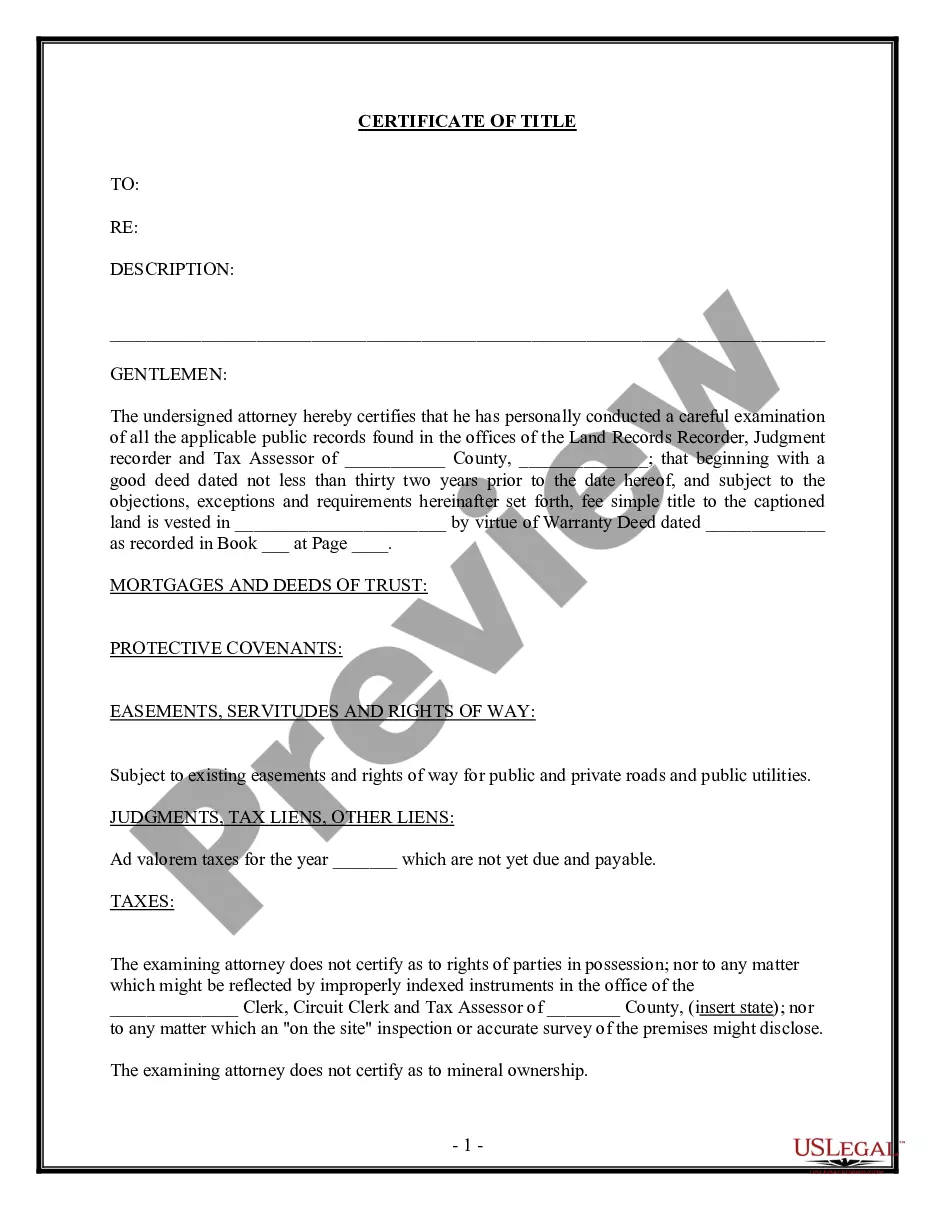


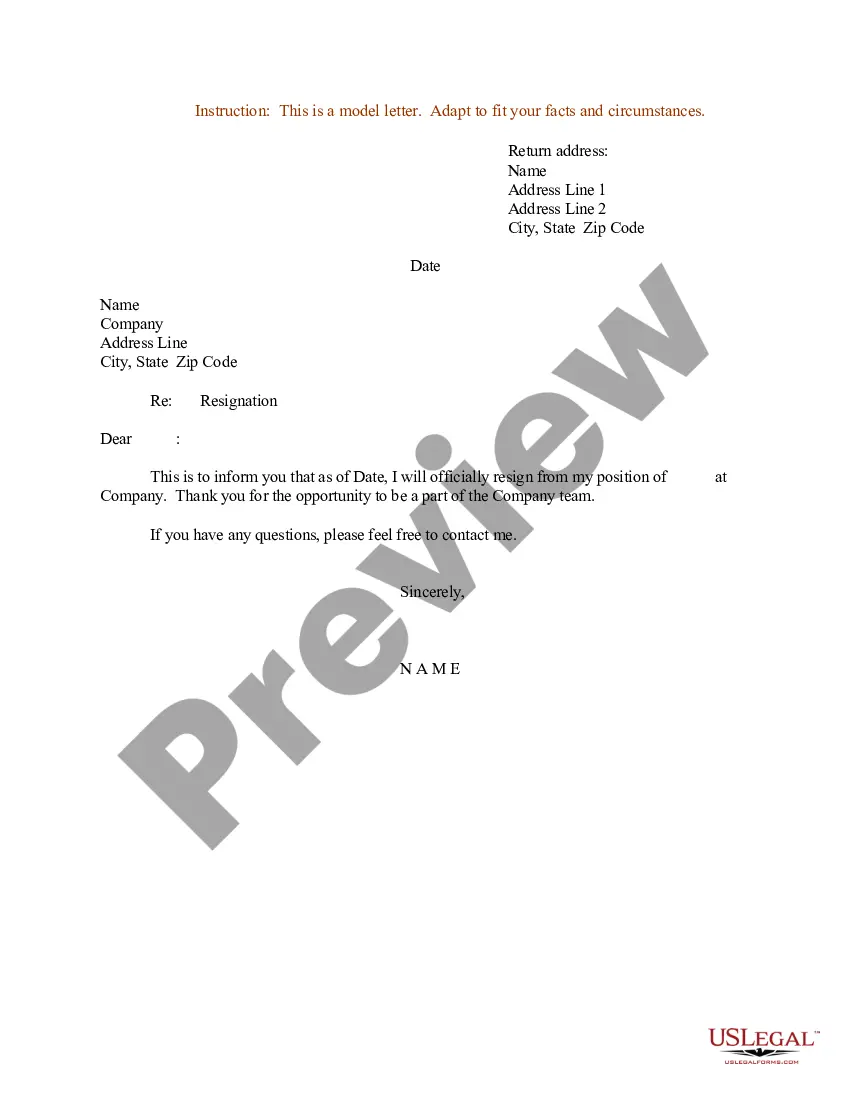



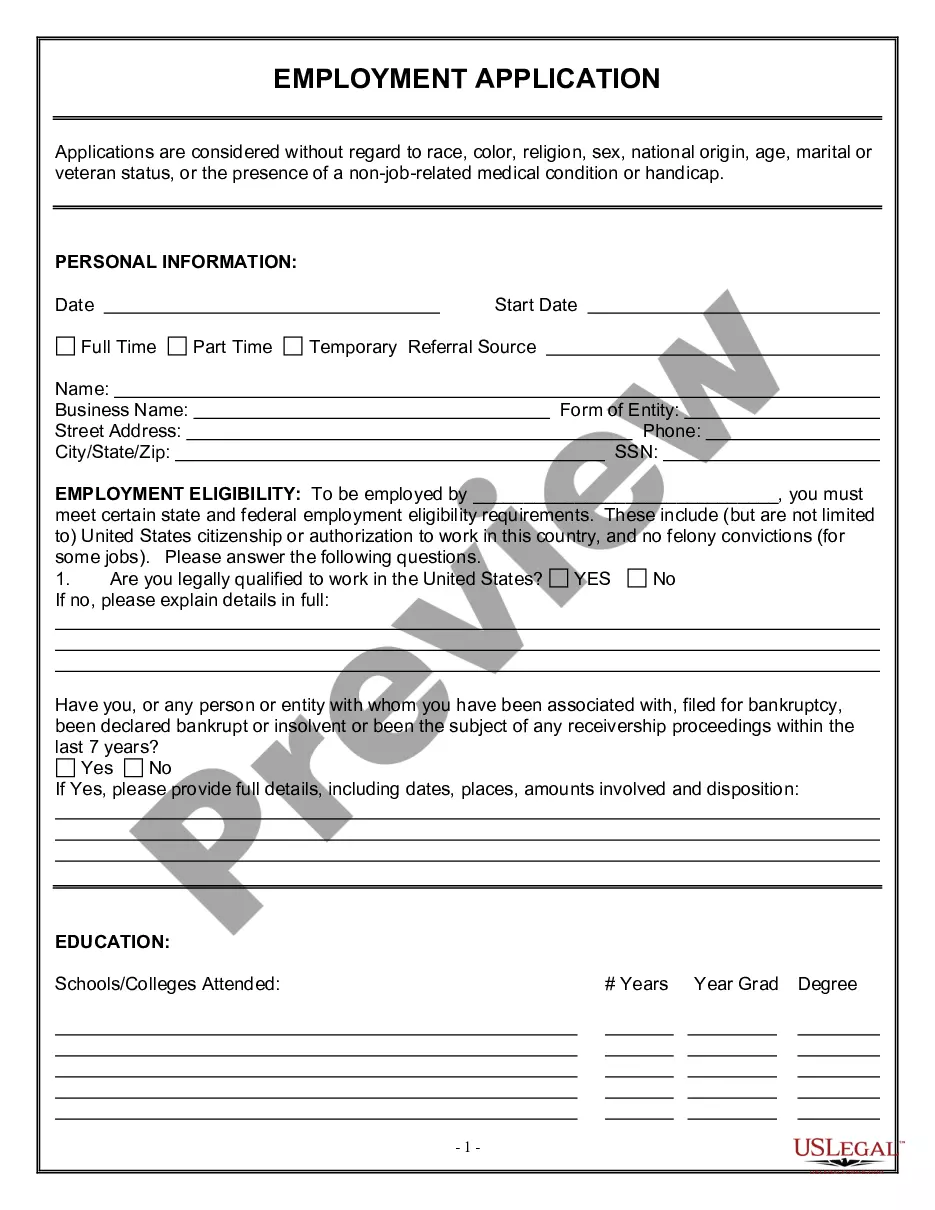


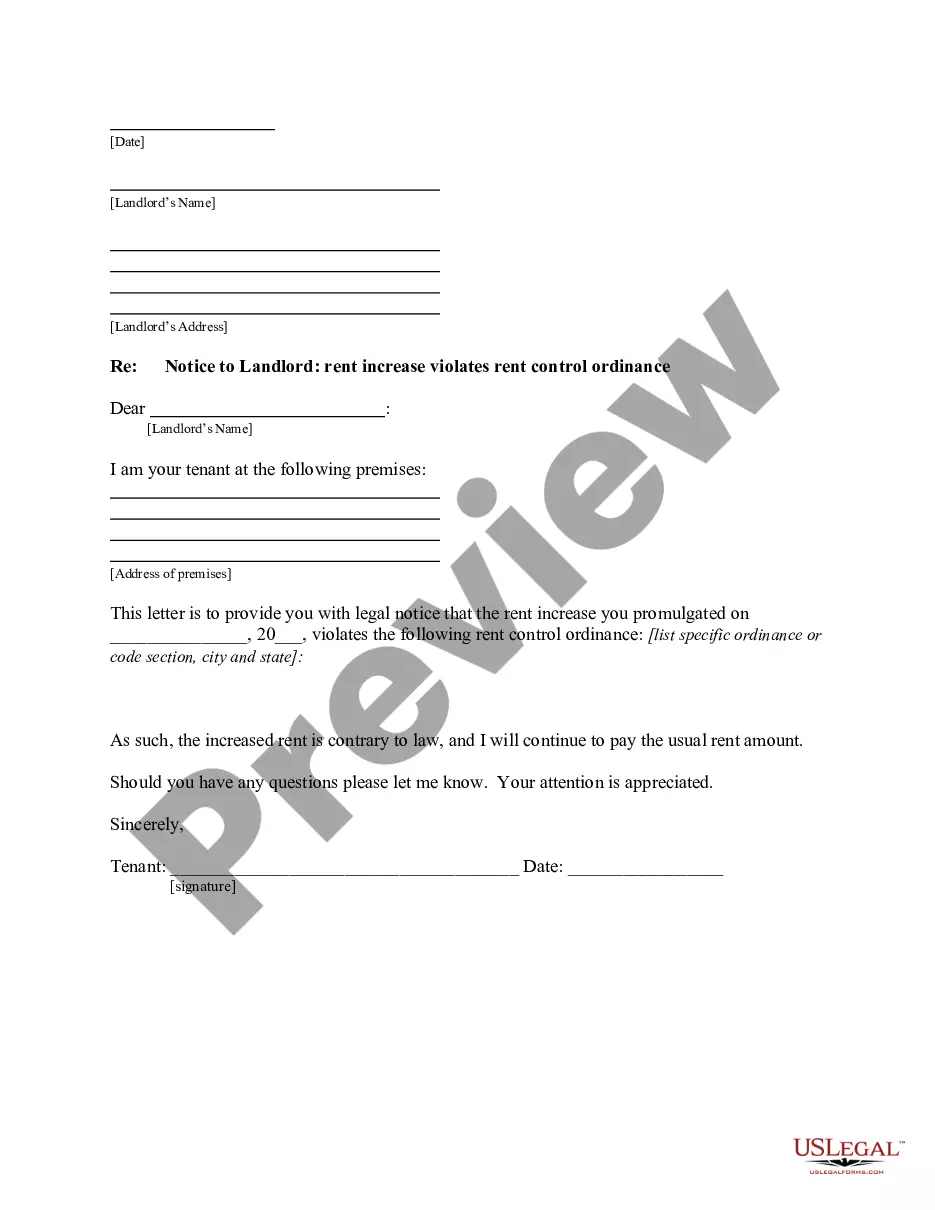
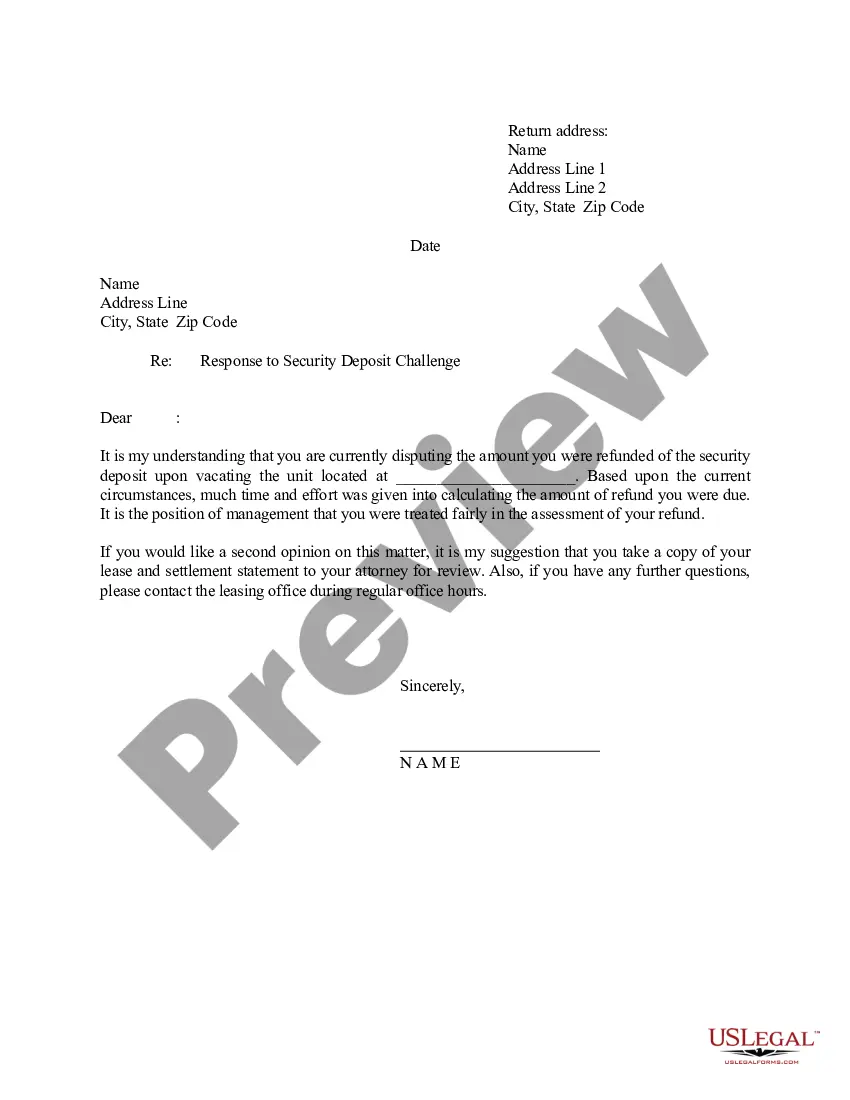
How to fill out Nevada Letter From Tenant To Landlord Containing Notice To Landlord To Withdraw Improper Rent Increase Due To Violation Of Rent Control Ordinance?
- Log in to your US Legal Forms account. If you haven't signed up yet, create an account to access our extensive library of legal documents.
- Search for the rent increase notice template. Utilize the preview mode to ensure it fits your local jurisdiction requirements.
- Select the appropriate document. In case the initial template doesn’t meet your needs, use the search feature to find a more suitable option.
- Purchase the document. Click on the 'Buy Now' button and choose a subscription plan that works for you.
- Complete your purchase securely. Provide your payment details and finalize the transaction.
- Download the notice. Save the form to your device and access it anytime from the 'My Forms' section in your profile.
Following these steps will ensure you properly inform your tenant about the impending rent increase, keeping you on the right side of the law.
US Legal Forms not only provides a vast collection of legal templates but also ensures your documents are accurate and compliant. Start your subscription today to manage your legal needs efficiently!
Form popularity
FAQ
To ask your landlord for a rent increase, begin by discussing the reasons why an increase might be justified, such as improvements made to the property or current market rates. Prepare a formal request in writing, outlining the proposed new rent amount and the effective date. It’s important to engage in a conversation about your needs while being open to negotiation. By clearly communicating your wish, you establish a positive dialog around rent adjustments.
The highest amount a landlord can raise rent varies widely based on local guidelines and lease agreements. It’s essential to provide written notice of the increase in a timely manner, adhering to any regulations for notice periods. Landlords should consider market rates to ensure that the increase remains competitive yet fair. Transparency with tenants about the reasons behind the increase can also help maintain trust.
In Louisiana, there are no state laws that limit how much a landlord can raise the rent. However, landlords must provide tenants with a written notice of any rent increase, typically 30 days in advance, as stipulated in the lease agreement. This allows tenants to make necessary arrangements in response to the upcoming changes. Establishing clear communication with your tenant can help ease any concerns over rent adjustments.
The maximum rent increase that a landlord can impose depends on local laws, as there is no universal cap. Generally, landlords must provide reasonable notice and justification for the increase. A common guideline is to keep the increase within the inflation rate or market conditions to ensure affordability for tenants. For specific cases, consult local housing authorities for detailed regulations.
In Tennessee, the law does not cap rent increases, which means landlords can raise rent to any amount they see fit. However, landlords must provide written notice of the rent increase, allowing adequate time for tenants to prepare. It’s wise to maintain good communication to avoid misunderstandings and foster a positive tenant-landlord relationship. Understanding the specifics in your lease can also help clarify any conditions regarding rent adjustments.
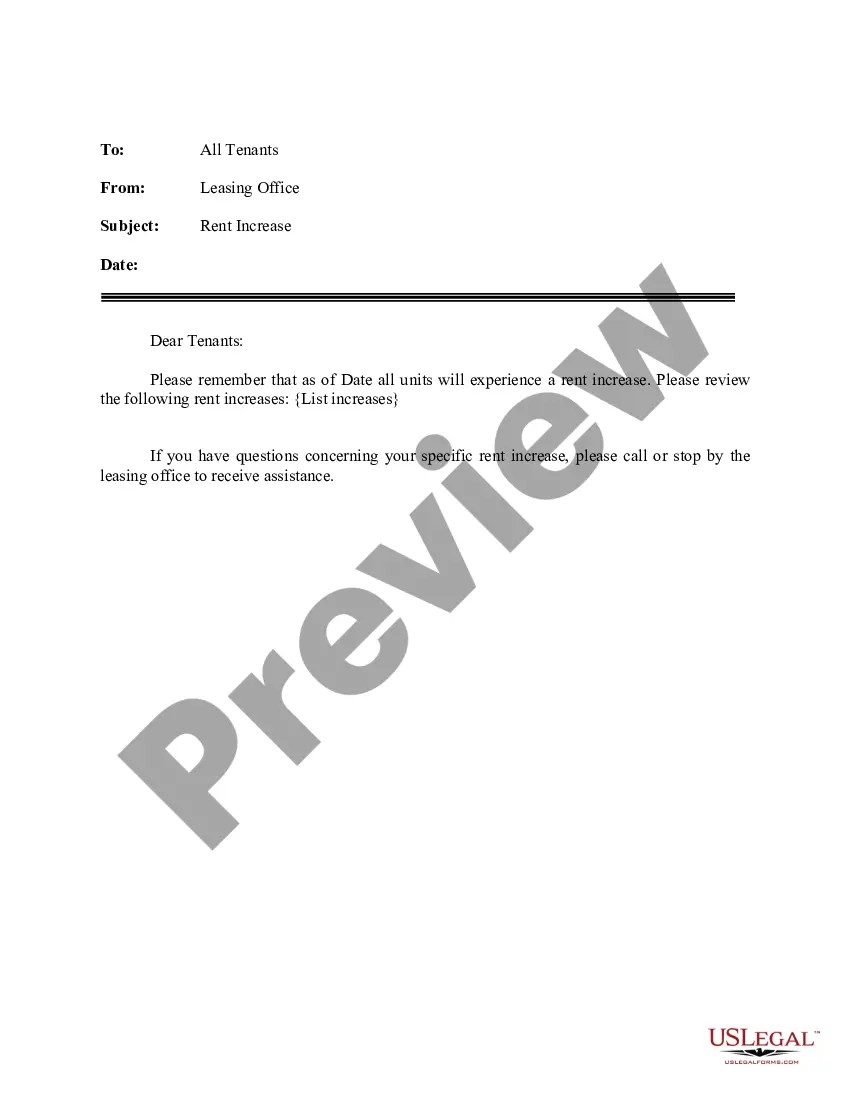
To write a notice letter for a rent increase with the tenant, begin by stating the date of the notice and the date the rent increase will take effect. Clearly mention the current rent amount and the new rental amount. It is also helpful to explain the reason for the increase, if applicable. Finally, ensure that the letter complies with local laws and include your contact information for any follow-up questions.
The most a landlord can raise the rent typically depends on local ordinances and lease agreements. Many regions have set limits on how much and how often a landlord can implement a rent increase. Understanding these regulations is crucial, especially when dealing with notice rent increase with the tenant. For comprehensive information and legal forms, uslegalforms offers valuable resources to assist you in navigating these issues.
The maximum amount a landlord can increase your rent varies by state and local laws. Generally, there are regulations in place that limit the percentage of rent increase for tenants. Therefore, it is essential to review your state’s rental laws regarding notice rent increase with the tenant. You can also consult resources like uslegalforms for detailed guidance tailored to your location.
To write a letter to your landlord about a rent increase, start with a polite greeting. Clearly state the purpose of your letter, mentioning that you are addressing the notice rent increase with the tenant. Include the specifics of the increase, such as the new rent amount and the effective date. Finally, express your understanding of the situation while also requesting any additional information needed.
In North Carolina, there is no state cap on how much a landlord can raise rent. However, landlords must provide a notice rent increase with the tenant as stipulated in the lease agreement. As a tenant, it is important to stay informed about your rights and local rental laws to understand your situation fully.