Notice Rent Increase With The Period
Description

Get your form ready online
Our built-in tools help you complete, sign, share, and store your documents in one place.
Make edits, fill in missing information, and update formatting in US Legal Forms—just like you would in MS Word.
Download a copy, print it, send it by email, or mail it via USPS—whatever works best for your next step.
Sign and collect signatures with our SignNow integration. Send to multiple recipients, set reminders, and more. Go Premium to unlock E-Sign.
If this form requires notarization, complete it online through a secure video call—no need to meet a notary in person or wait for an appointment.
We protect your documents and personal data by following strict security and privacy standards.

Make edits, fill in missing information, and update formatting in US Legal Forms—just like you would in MS Word.

Download a copy, print it, send it by email, or mail it via USPS—whatever works best for your next step.

Sign and collect signatures with our SignNow integration. Send to multiple recipients, set reminders, and more. Go Premium to unlock E-Sign.

If this form requires notarization, complete it online through a secure video call—no need to meet a notary in person or wait for an appointment.

We protect your documents and personal data by following strict security and privacy standards.
Looking for another form?





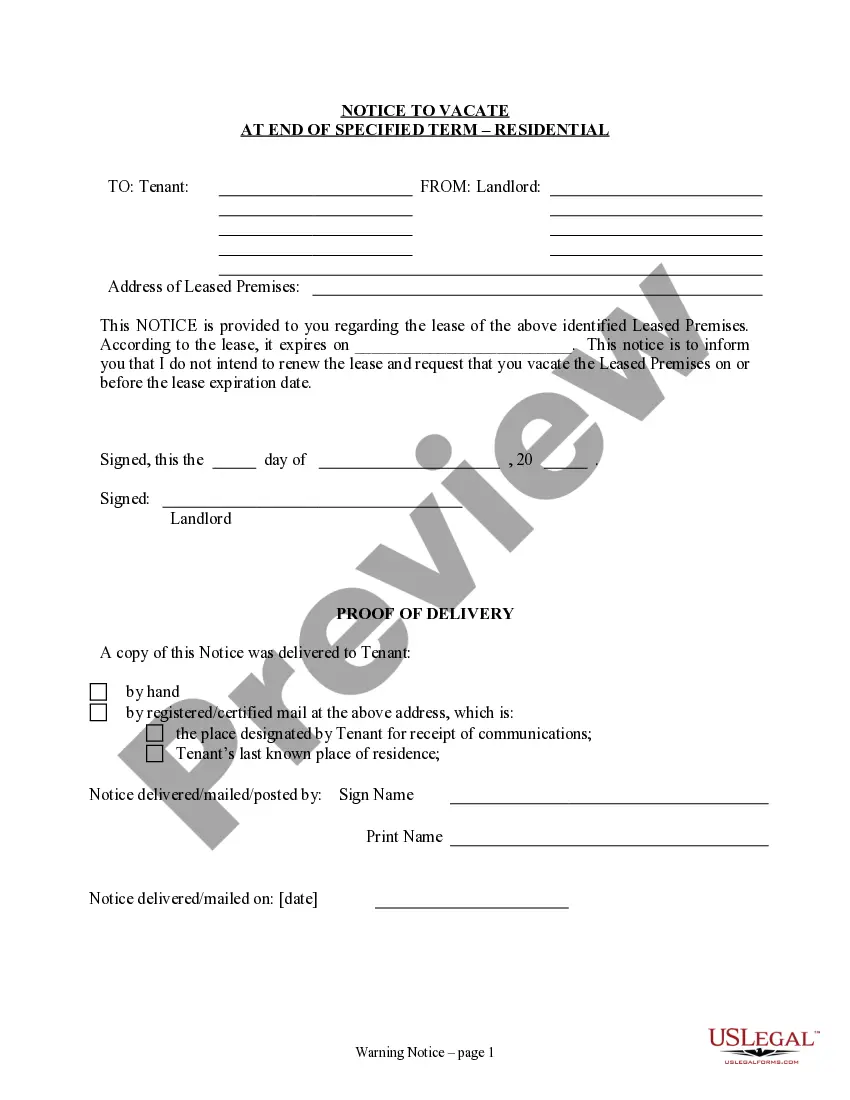
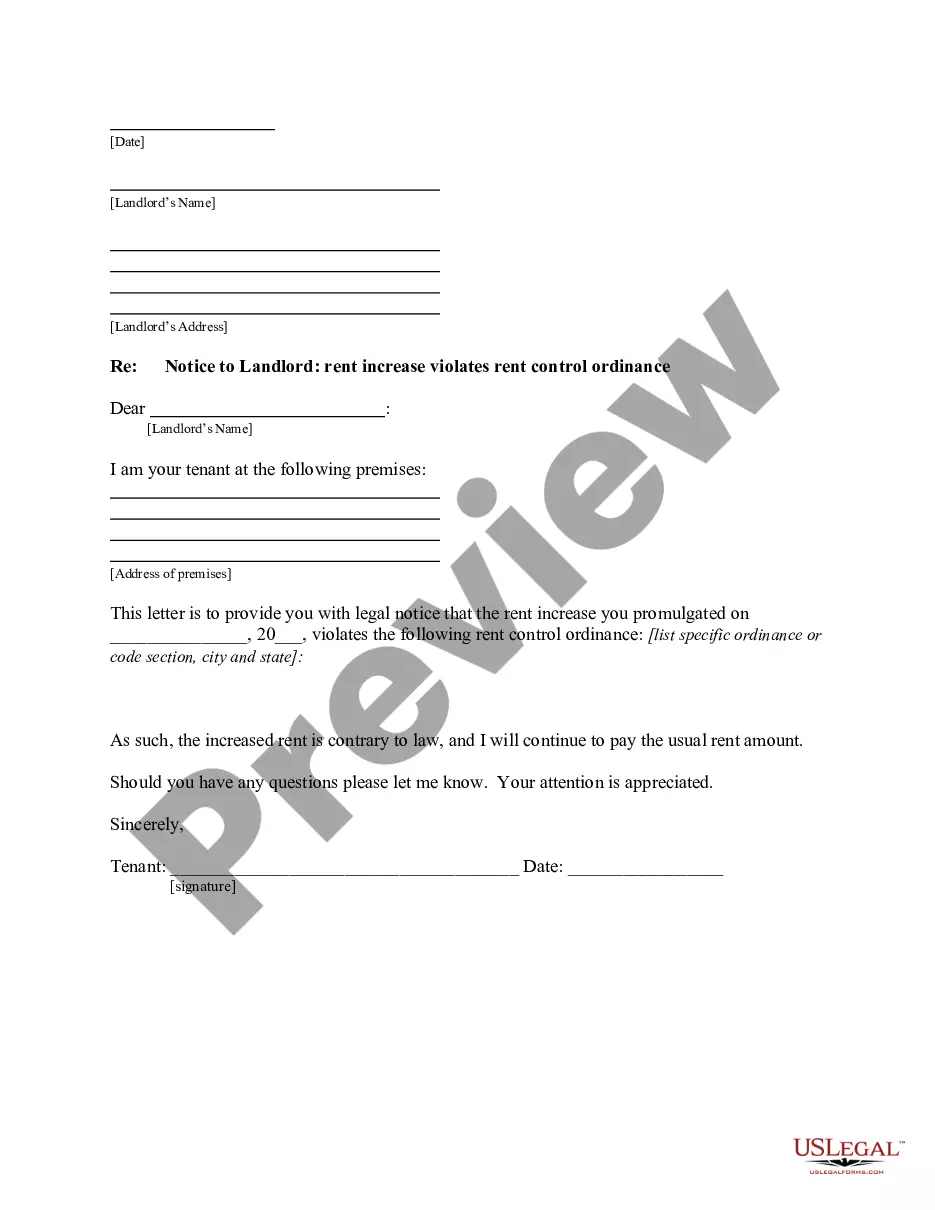
How to fill out Nevada Letter From Tenant To Landlord Containing Notice To Landlord To Withdraw Improper Rent Increase Due To Violation Of Rent Control Ordinance?
- Log in to your US Legal Forms account if you're a returning user; ensure your subscription is active. If not, renew it according to your chosen plan.
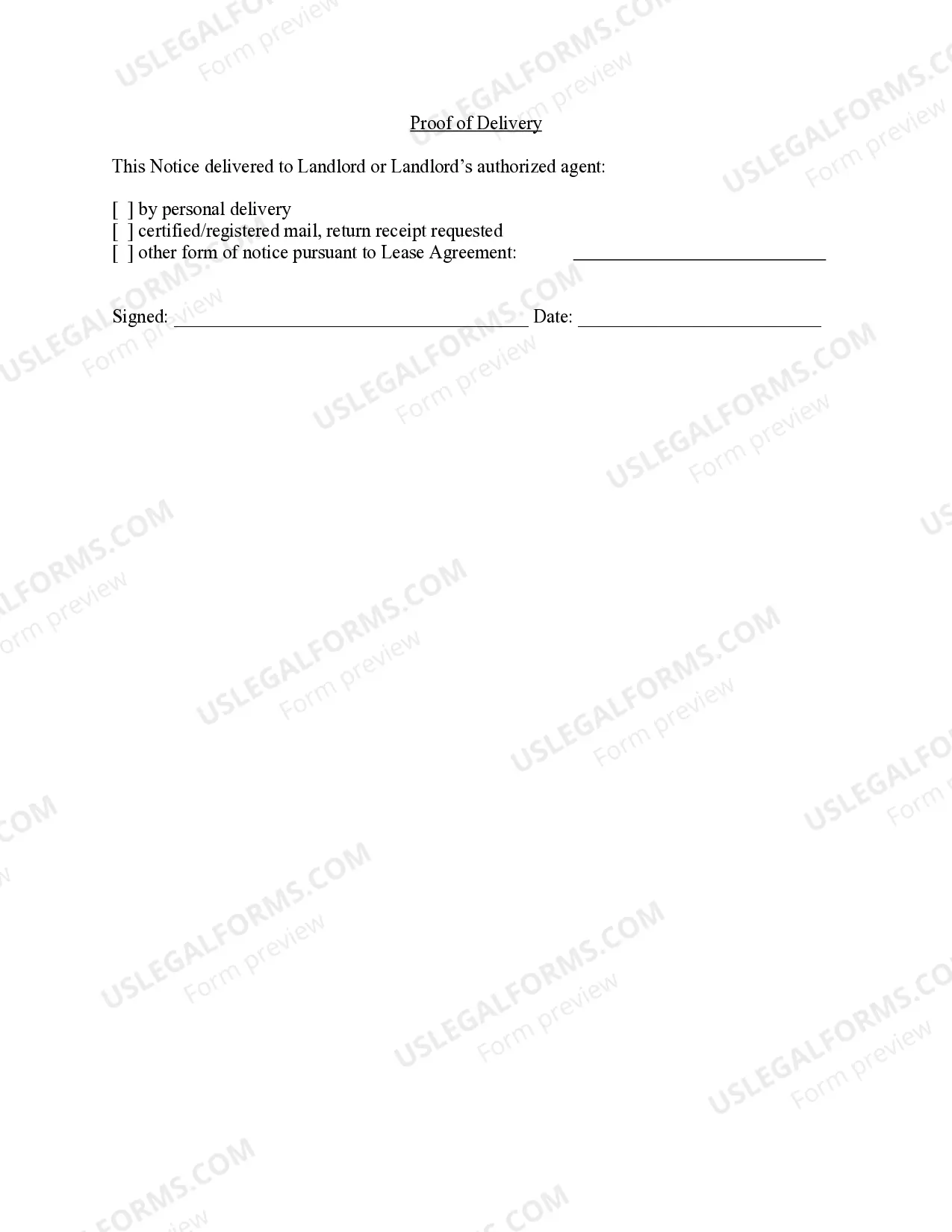
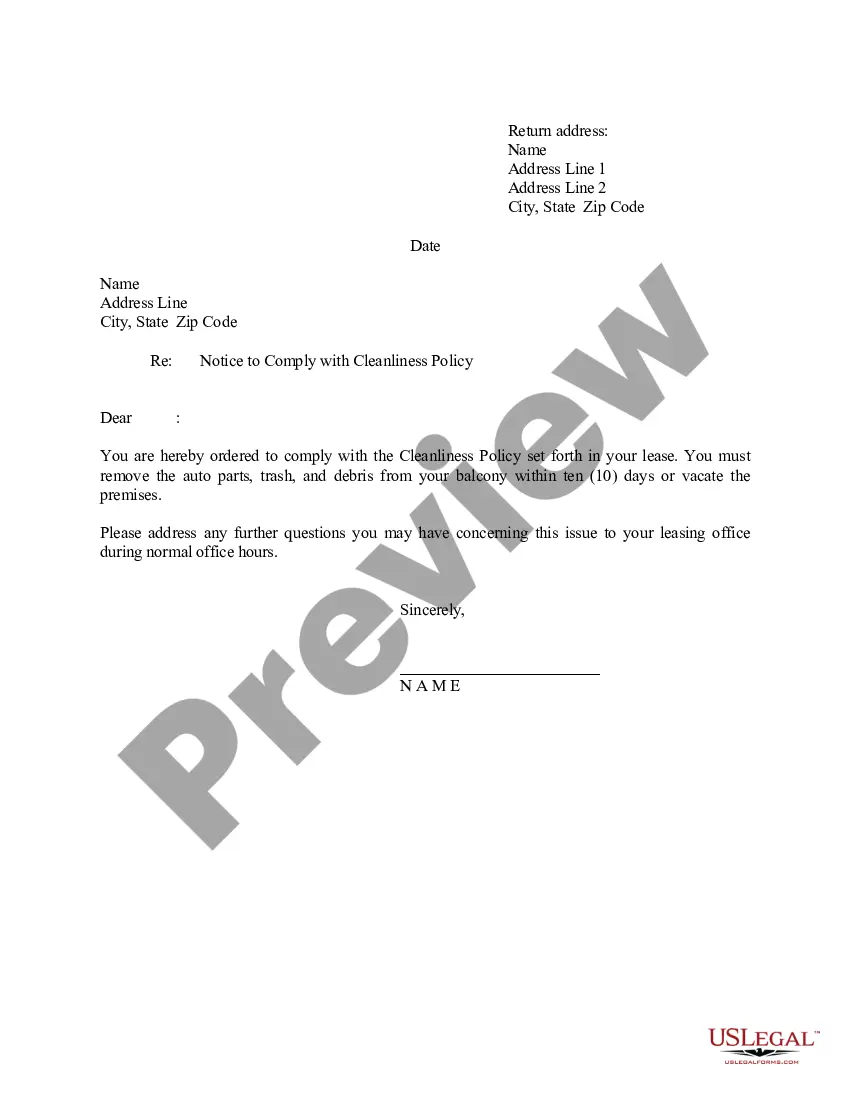
- For first-time users, explore the extensive form catalog. Preview the relevant document and confirm it matches your jurisdiction's requirements.
- If needed, utilize the search feature to find a different form that better suits your needs.
- Once you find the correct template, click the 'Buy Now' button to select your preferred subscription.
- Complete your purchase by entering your payment details through a credit card or PayPal.
- Finally, download your form to your device. Access it later through the 'My Forms' section of your profile whenever necessary.
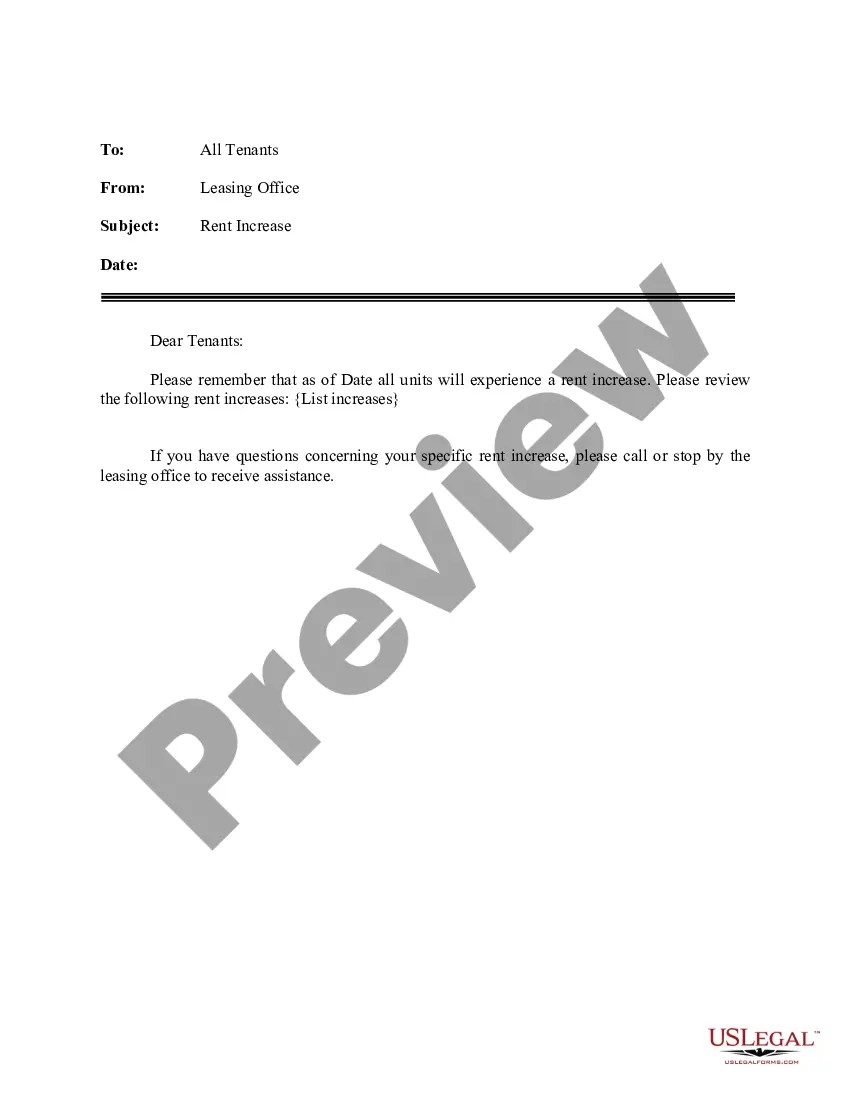
In conclusion, US Legal Forms simplifies the process of notifying a rent increase, providing a vast collection of legal forms and expert assistance to ensure compliance and correctness. Take control of your rental agreements today.
Visit US Legal Forms to get started and empower your rental management!
Form popularity
FAQ
When discussing a rent increase with your landlord, be open and honest about your concerns and financial situation. You might express your appreciation for the property while discussing the potential impact of the increase on your circumstances. Additionally, referencing the notice rent increase with the period can guide your conversation toward mutual understanding.
There is no universal answer for how much a landlord can raise rent, as it varies by location and specific lease agreements. Typically, landlords must provide adequate notice, often 30 days prior to the increase taking effect. It's crucial to review your lease and local laws to understand the notice rent increase with the period necessary for compliance.
To write a letter addressing a rent increase, start with a polite greeting and state your concern directly. You should mention the proposed increase and explain how it affects your situation or your ability to stay. Crafting this letter thoughtfully can foster dialogue, especially when looking into the notice rent increase with the period.
When writing a letter to request a rent reduction, clearly state your reasons, such as financial hardship or comparisons to market rates. Additionally, include specific details about your current rent and your proposed new rent amount. This approach can help you initiate a constructive discussion, especially when considering a formal notice rent increase with the period.
In Maryland, tenants typically must provide a written notice to terminate their lease at least 30 days before their intended move-out date. This notice should comply with the lease terms and help ensure a smoother transition. Understanding the notice rent increase with the period can also assist in planning for any further changes proposed by your landlord.
In Maryland, there is no state-wide cap on how much a landlord can increase rent. However, local jurisdictions may have their own regulations limiting rent increases. It's essential to review your local laws and your lease agreement for the specific notice rent increase with the period required.
If you neglect to provide a 30-day notice before implementing a rent increase, you may face legal consequences. A tenant can challenge the increase in court, arguing that they were not given appropriate notice. It's important to understand and comply with notice requirements to avoid potential disputes and uphold your responsibilities as a landlord.
Approaching your landlord about a rent increase requires tact and clear communication. You should review your lease to understand the conditions surrounding rent increases and present your case confidently. Remember, a notice rent increase with the period will facilitate transparency and help guide your discussion.
In Illinois, leases do not automatically renew unless stated in the agreement. Many leases contain terms outlining renewal processes, so it is wise to read these clauses carefully. Landlords must give proper notice—in this case, a notice rent increase with the period—to inform tenants of any new terms before the renewal.
Eviction rules in Vermont require landlords to follow a process that includes providing proper notice to tenants. Depending on the situation, a landlord might give a notice rent increase with the period specified, allowing tenants time to respond. Understanding these procedures is crucial to facilitate a smooth transition and avoid unnecessary disputes in the eviction process.