Improper Rent Ordinance For The Public
Description

Get your form ready online
Our built-in tools help you complete, sign, share, and store your documents in one place.
Make edits, fill in missing information, and update formatting in US Legal Forms—just like you would in MS Word.
Download a copy, print it, send it by email, or mail it via USPS—whatever works best for your next step.
Sign and collect signatures with our SignNow integration. Send to multiple recipients, set reminders, and more. Go Premium to unlock E-Sign.
If this form requires notarization, complete it online through a secure video call—no need to meet a notary in person or wait for an appointment.
We protect your documents and personal data by following strict security and privacy standards.

Make edits, fill in missing information, and update formatting in US Legal Forms—just like you would in MS Word.

Download a copy, print it, send it by email, or mail it via USPS—whatever works best for your next step.

Sign and collect signatures with our SignNow integration. Send to multiple recipients, set reminders, and more. Go Premium to unlock E-Sign.

If this form requires notarization, complete it online through a secure video call—no need to meet a notary in person or wait for an appointment.

We protect your documents and personal data by following strict security and privacy standards.
Looking for another form?









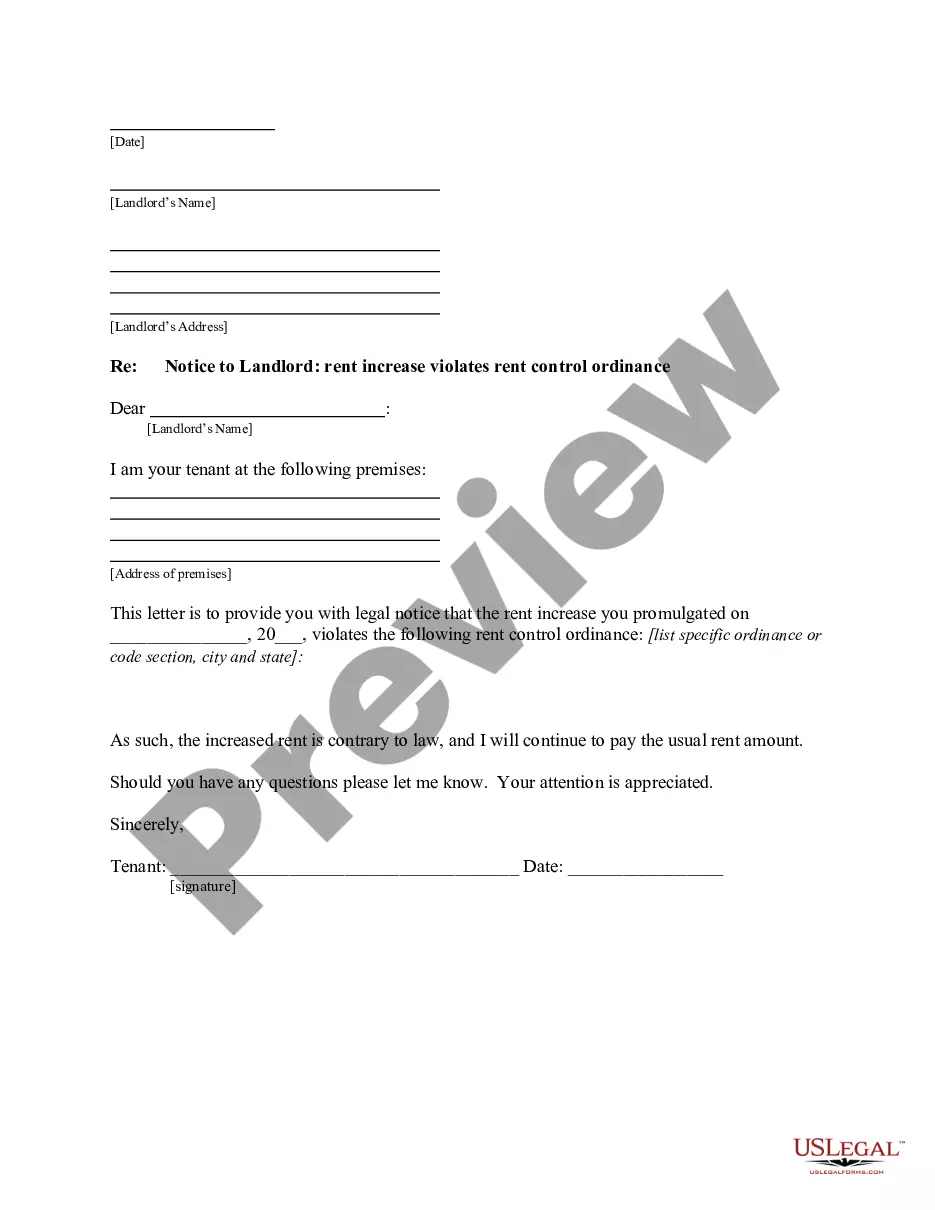
How to fill out Nevada Letter From Tenant To Landlord Containing Notice To Landlord To Withdraw Improper Rent Increase Due To Violation Of Rent Control Ordinance?
- If you are a returning user, log into your account and access the form template by clicking the Download button. Ensure your subscription remains active, and renew it if required.
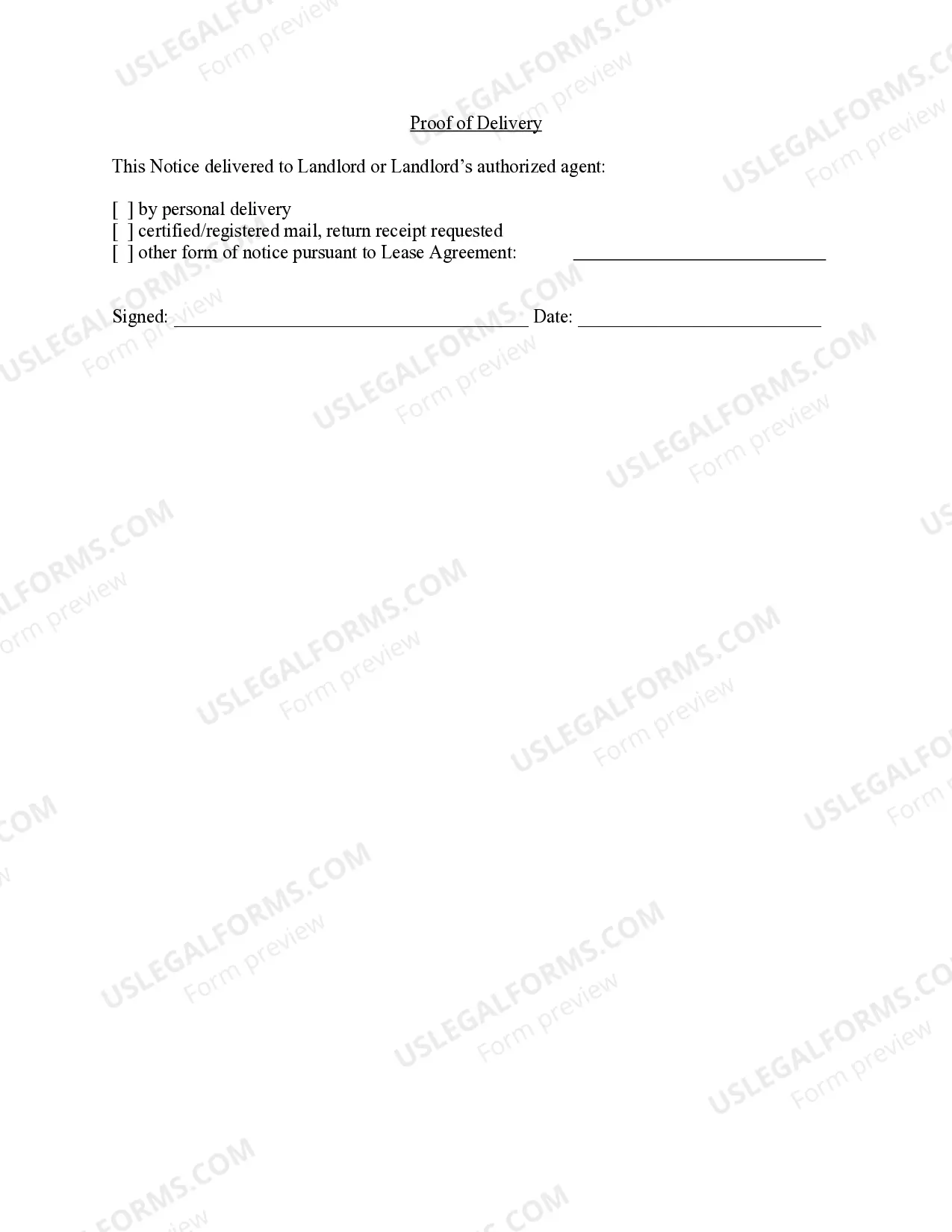
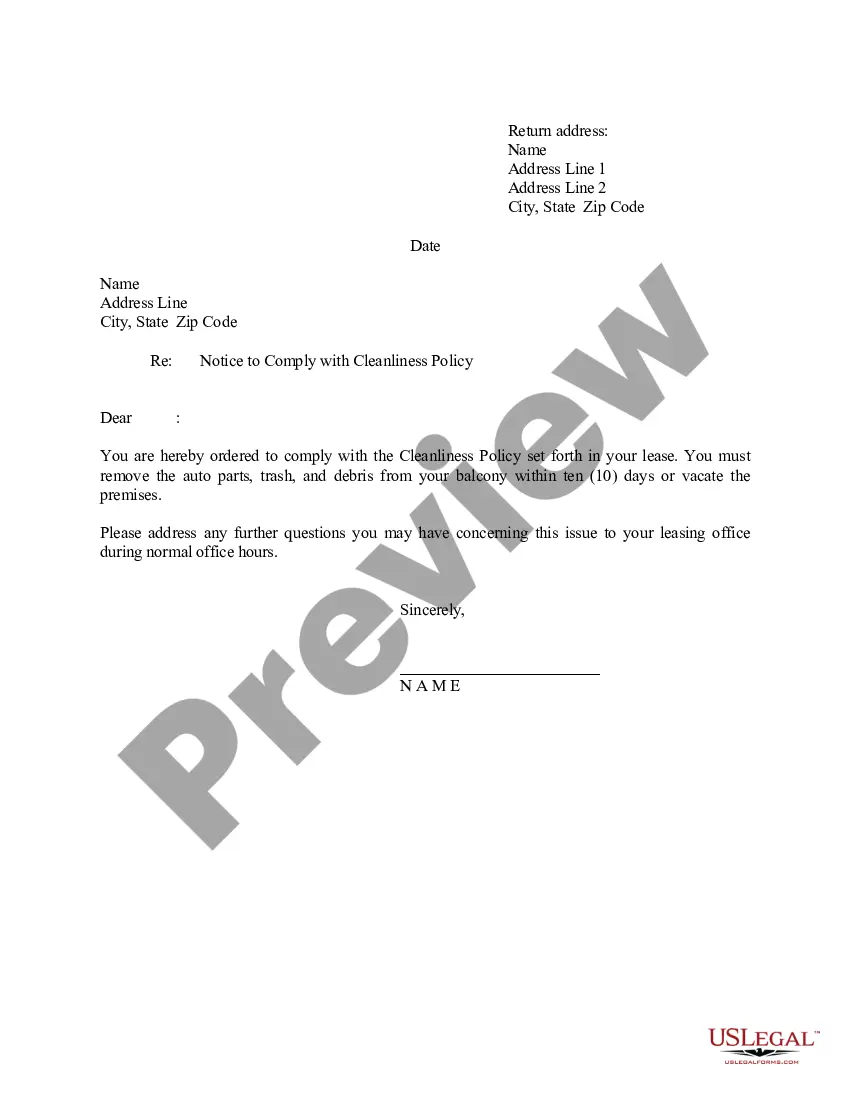
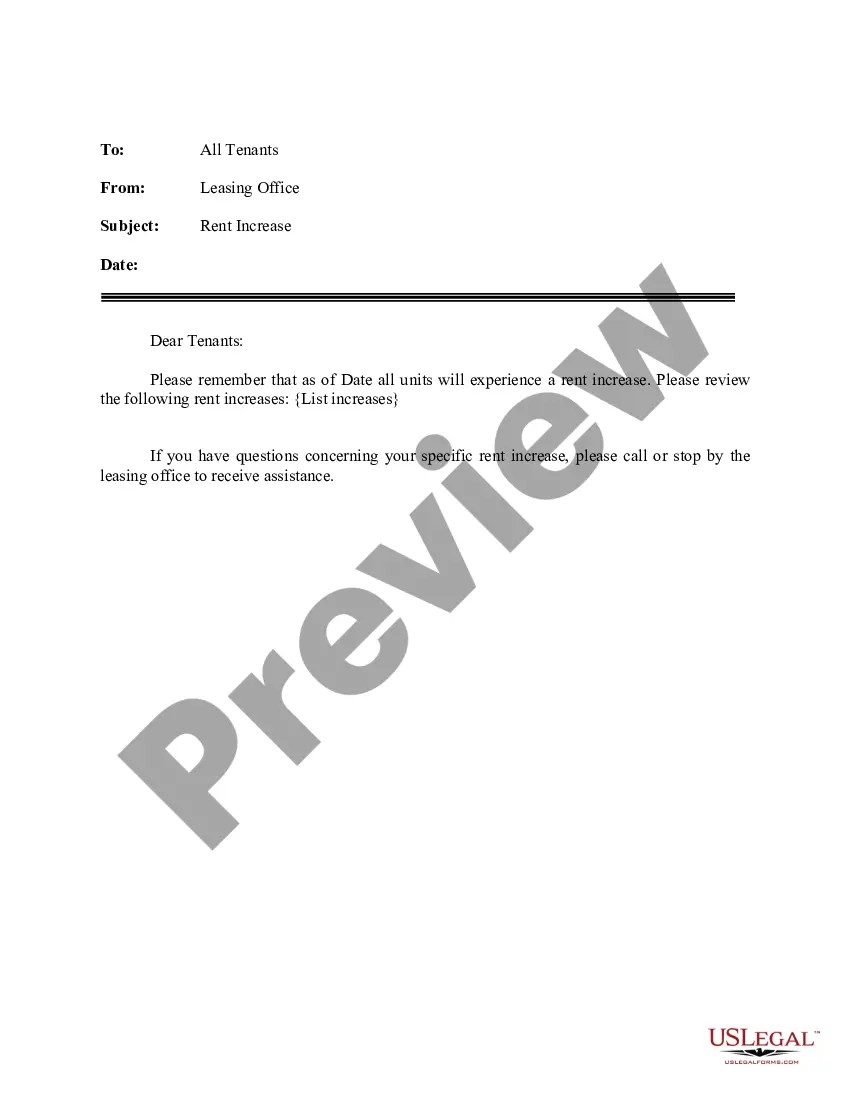
- For new users, start by examining the Preview mode and description of the form. Confirm that it aligns with your needs and adheres to your local laws.
- If you need to search for additional templates, utilize the Search tab to find the correct one that meets your specifications.
- Once you’ve identified the right document, proceed to purchase it by clicking the Buy Now button and selecting a suitable subscription plan. You will need to create an account to unlock the resource library.
- Complete your purchase by entering your payment details using a credit card or your PayPal account.
- Finally, download your form and save it for future use. Access it anytime via the My Forms section of your profile.
By following these straightforward steps, you can efficiently obtain and utilize the improper rent ordinance template from US Legal Forms.
With over 85,000 editable legal forms and access to premium experts, US Legal Forms empowers you to create precise legal documents effortlessly. Start your journey today!
Form popularity
FAQ
Having a guest live with you who is not on the lease is generally allowed, but this depends on your lease agreement. Many landlords prefer to be informed about additional occupants. Understand the improper rent ordinance for the public as it relates to occupancy rules; this can help safeguard against disputes. When in doubt, discuss the matter with your landlord to ensure compliance with all applicable laws.
In Kentucky, a landlord can raise rent as often as they wish, provided they follow local laws and give proper notice. However, cities with specific rent control measures may impose limits on rent increases. It is essential for renters to be aware of the improper rent ordinance for the public, as it can protect their rights. Always consult local regulations or a legal expert to understand any restrictions that might apply to your situation.
Landlords have the discretion to set rent increases, with no statewide limit in South Carolina. However, the improper rent ordinance for the public aims to prevent unjust increases that can disrupt a tenant's life. It is crucial for renters to be aware of local ordinances and their own lease agreements, keeping them protected from exorbitant rental hikes.
While South Carolina does not impose a legal ceiling on rent increases, landlords must adhere to the terms outlined in rental agreements. Tenants affected by sudden or excessive increases may seek recourse under the improper rent ordinance for the public. It is wise to stay informed about your lease terms and seek assistance when faced with unexpected rent changes.
Renters in South Carolina enjoy rights regarding safety, habitability, and privacy. Under the improper rent ordinance for the public, these rights help ensure that landlords follow specific regulations. Familiarizing yourself with these rights can empower you as a tenant and ensure you feel secure in your living situation.
In South Carolina, the maximum rent increase is not capped by state law, allowing landlords considerable flexibility. However, tenants should be aware of their rights under the improper rent ordinance for the public. Always review your lease agreement to understand any terms regarding rent increases and consider consulting legal resources for clarity.
Landlords can raise the rent based on state laws and local ordinances. It's essential to know that under the improper rent ordinance for the public, there are regulations to guide rent increases. Always check local guidelines to understand the limits set for your area, as these can protect tenants from unreasonable hikes.
In Kansas, landlords can be reported to local housing authorities or the Kansas Attorney General's office when issues arise. Documenting any violations you encounter aids in the resolution process. Reporting landlords not only addresses your situation but also helps uphold the improper rent ordinance for the public, creating a safer environment for all renters.
Filing legal action against a landlord involves gathering evidence to support your case, such as lease agreements and correspondence. You can either represent yourself or hire an attorney to assist. Legal action may address violations of improper rent ordinances for the public, helping you seek justice and compensation for wrongdoings.
To file a complaint against a landlord in North Carolina, start by documenting every incident related to your concern. You can submit a formal complaint to local housing authorities, and in some cases, the North Carolina Department of Justice may help. Keep in mind that understanding the context of improper rent ordinances for the public can empower your complaint process.