Nm Will Requirements
Description
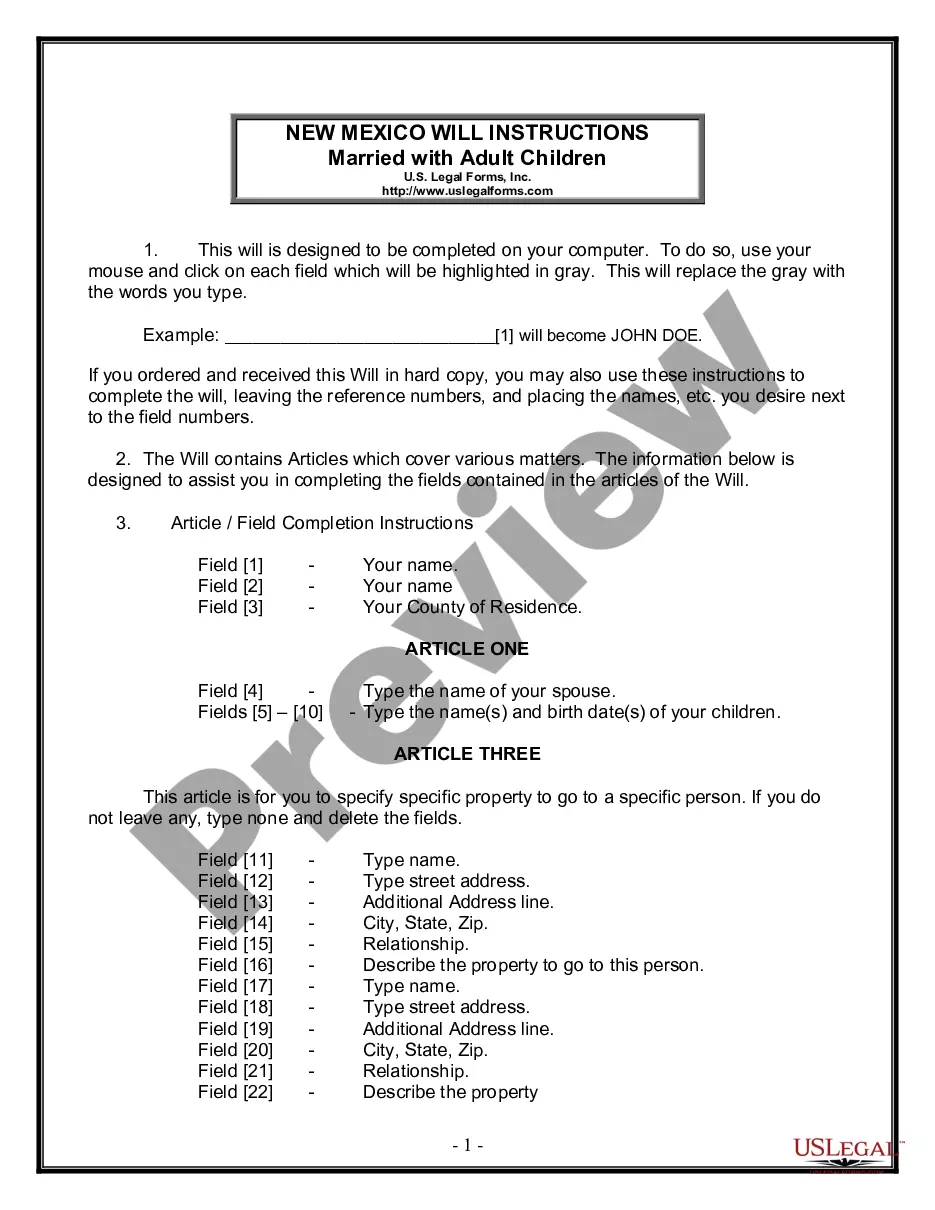
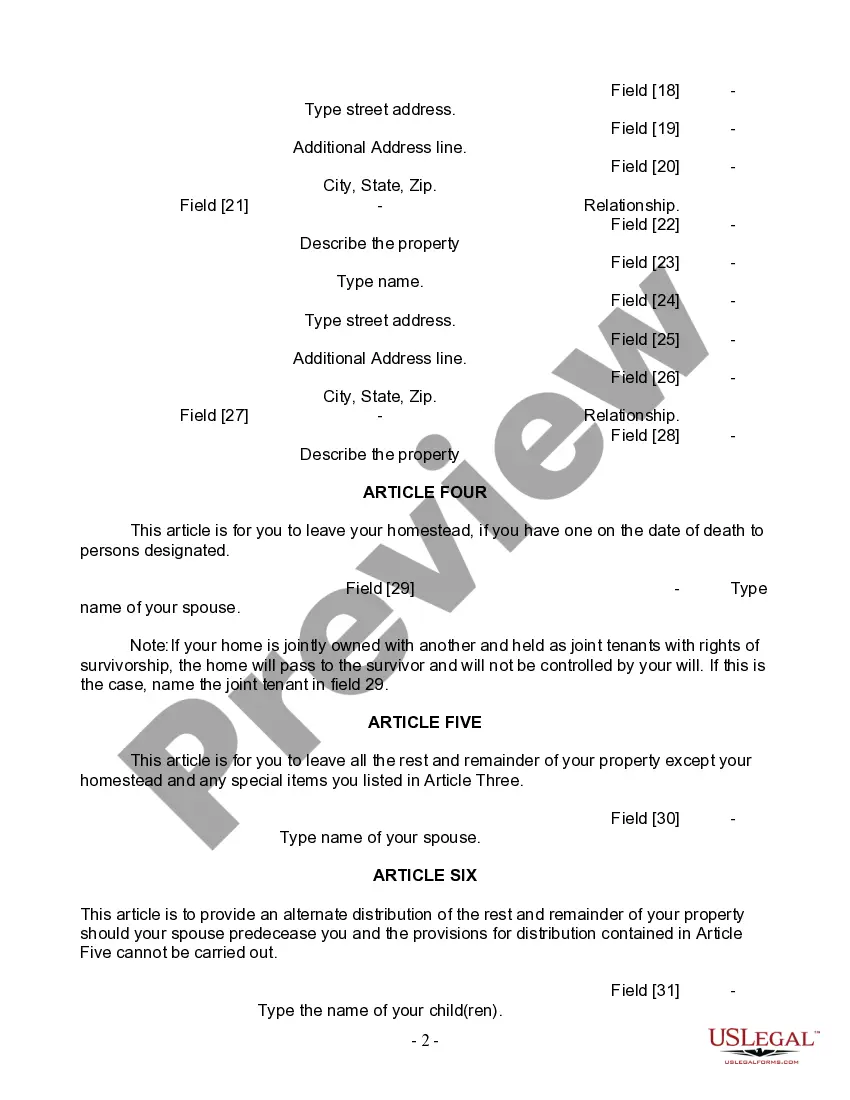
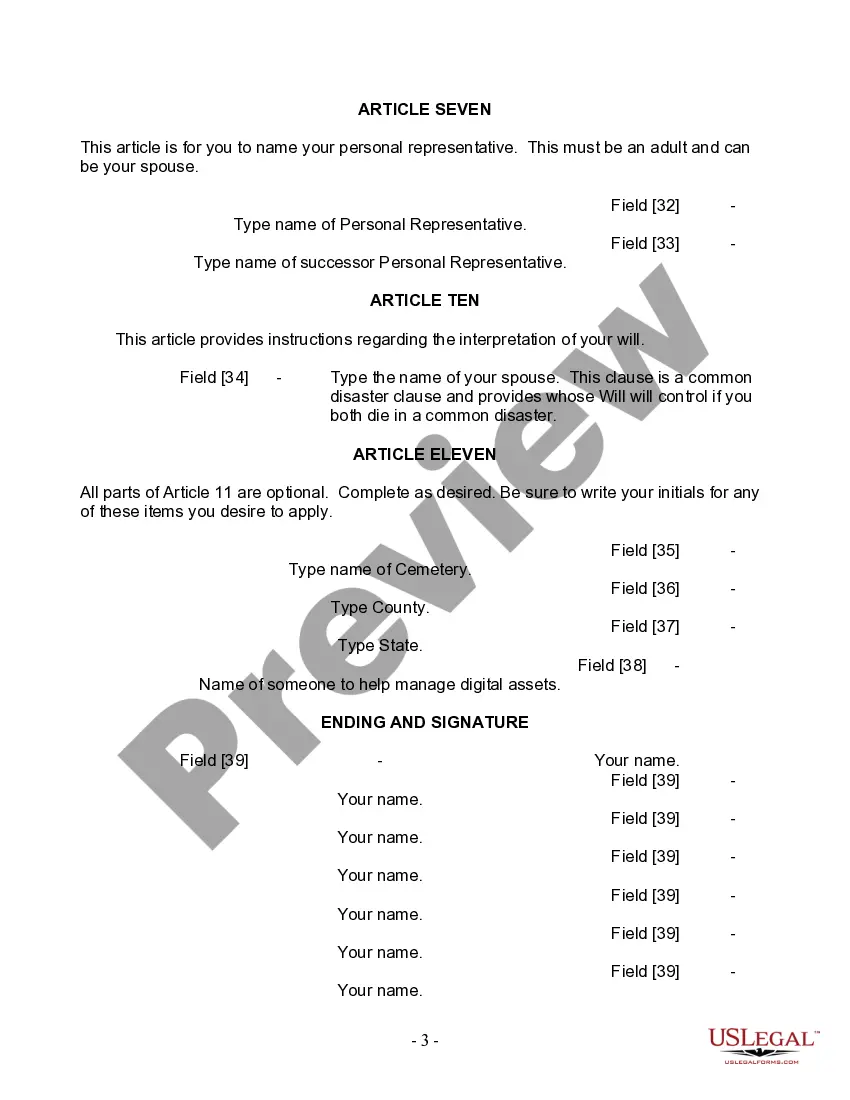
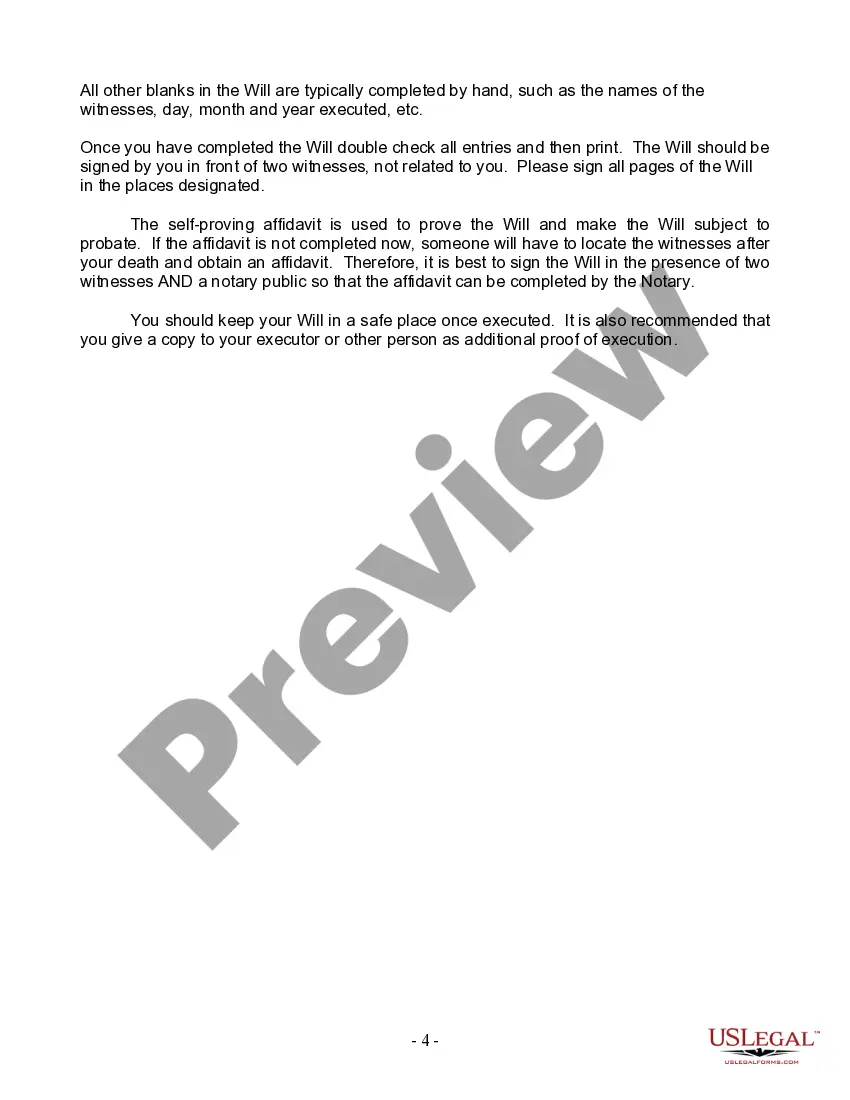






Get your form ready online
Our built-in tools help you complete, sign, share, and store your documents in one place.
Make edits, fill in missing information, and update formatting in US Legal Forms—just like you would in MS Word.
Download a copy, print it, send it by email, or mail it via USPS—whatever works best for your next step.
Sign and collect signatures with our SignNow integration. Send to multiple recipients, set reminders, and more. Go Premium to unlock E-Sign.
If this form requires notarization, complete it online through a secure video call—no need to meet a notary in person or wait for an appointment.
We protect your documents and personal data by following strict security and privacy standards.

Make edits, fill in missing information, and update formatting in US Legal Forms—just like you would in MS Word.

Download a copy, print it, send it by email, or mail it via USPS—whatever works best for your next step.

Sign and collect signatures with our SignNow integration. Send to multiple recipients, set reminders, and more. Go Premium to unlock E-Sign.

If this form requires notarization, complete it online through a secure video call—no need to meet a notary in person or wait for an appointment.

We protect your documents and personal data by following strict security and privacy standards.
Looking for another form?

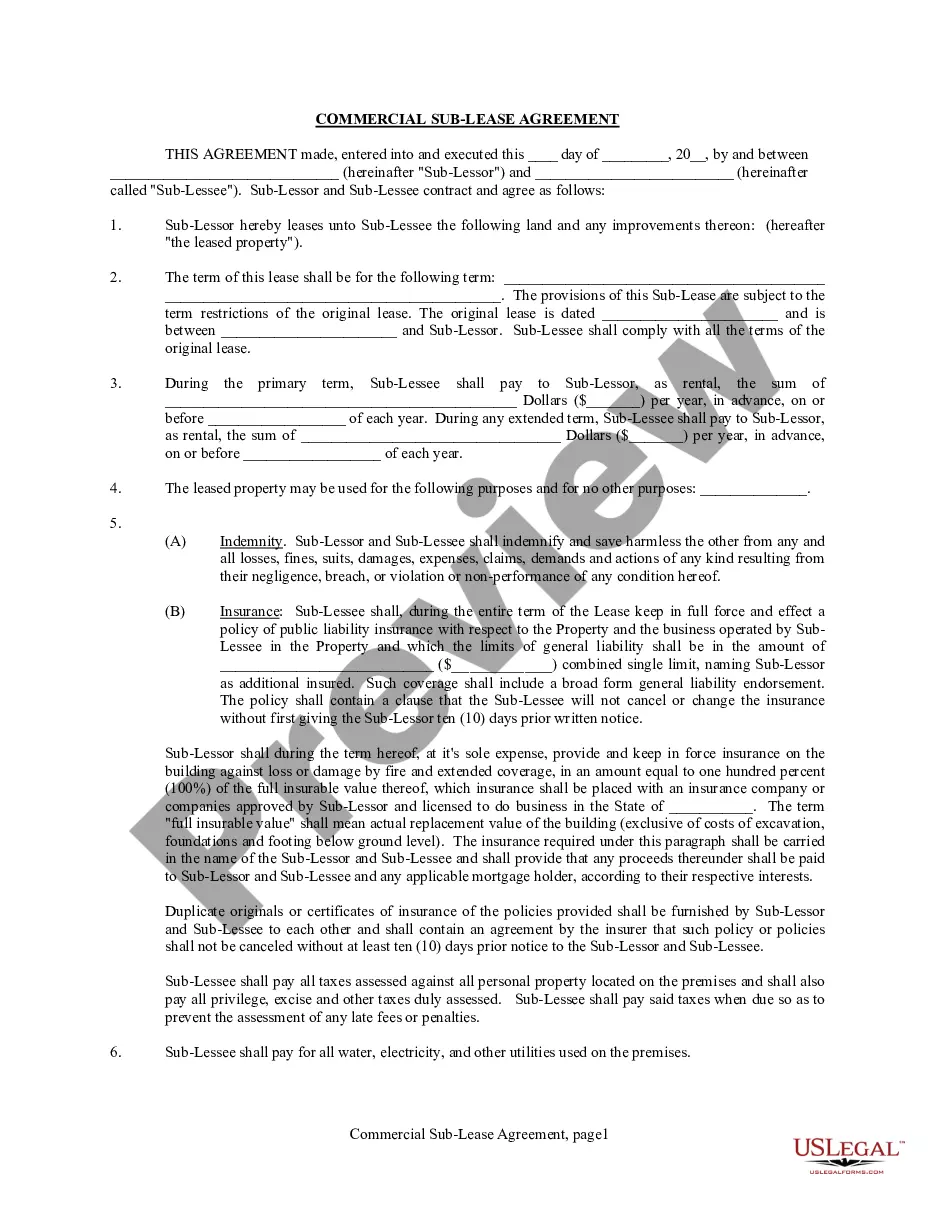




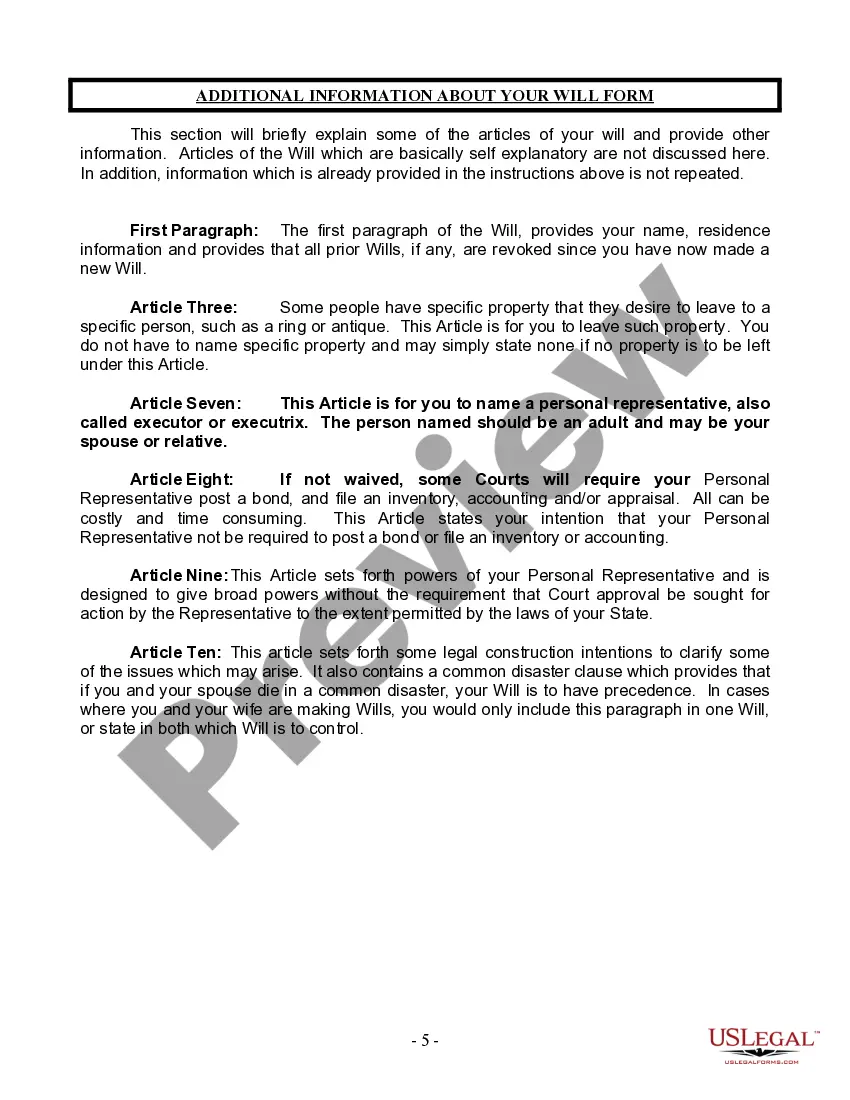
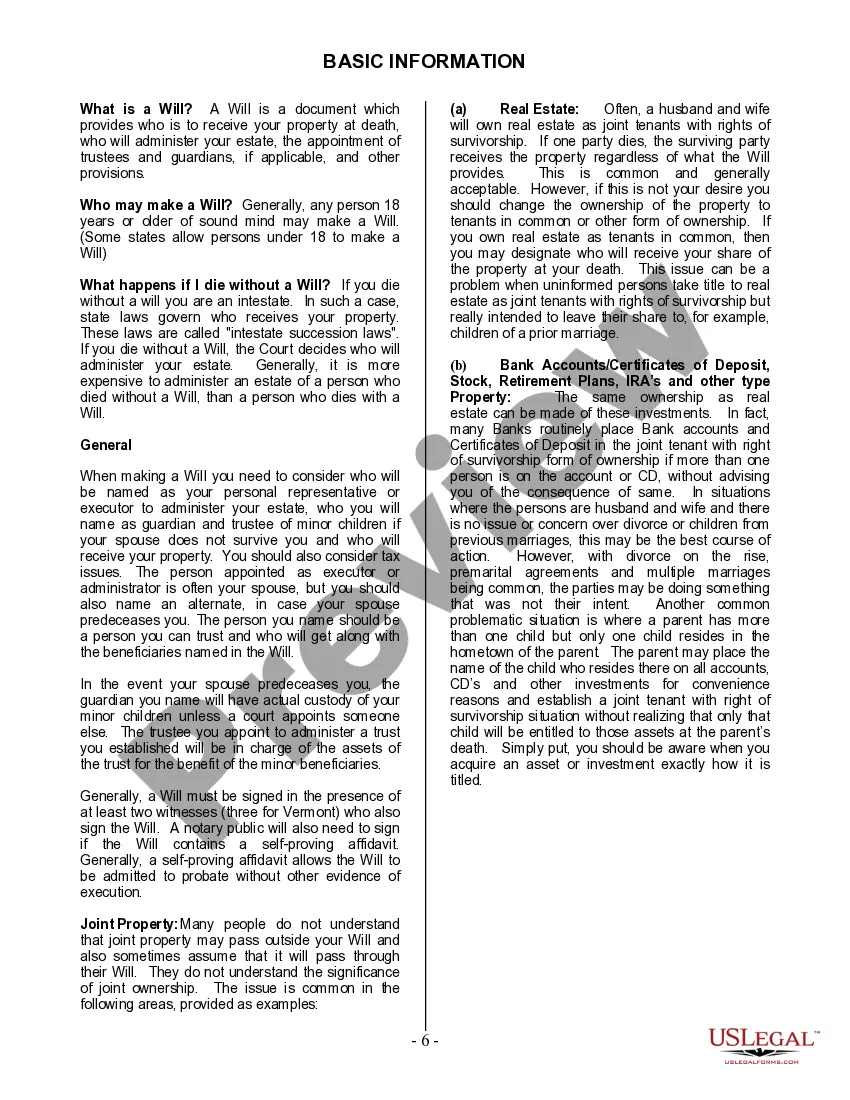
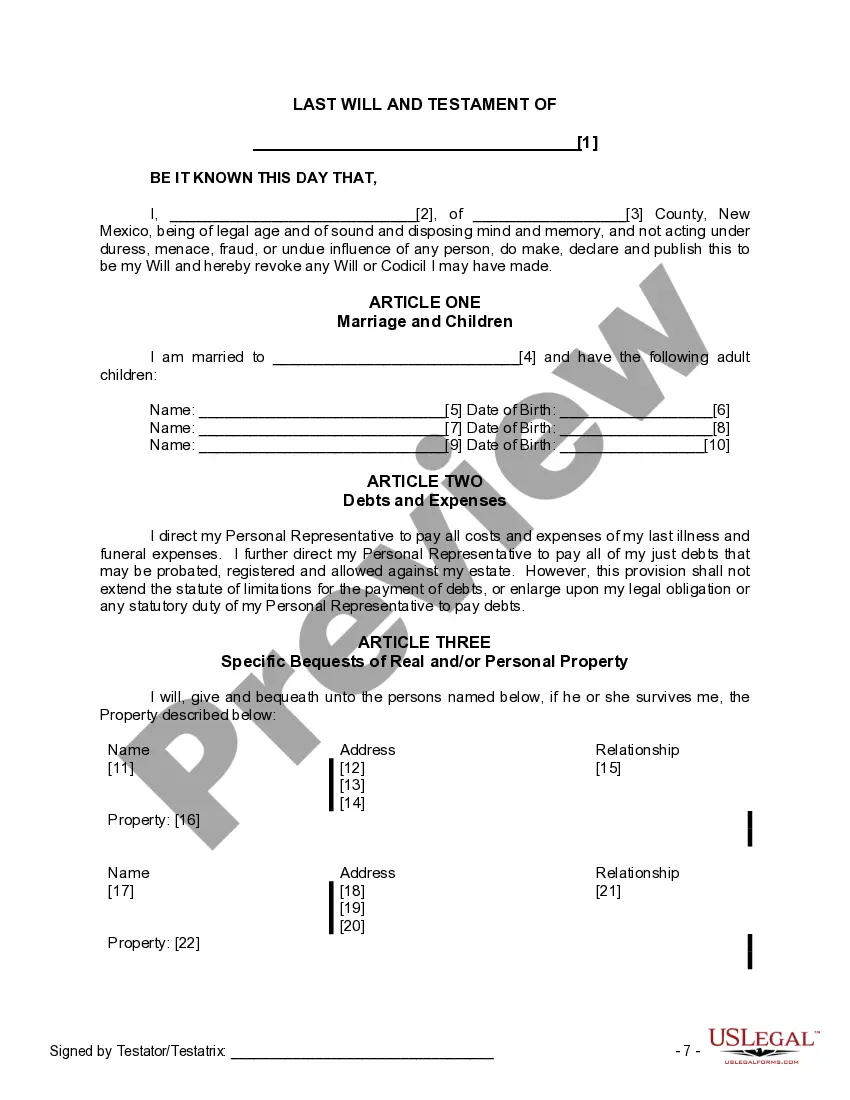
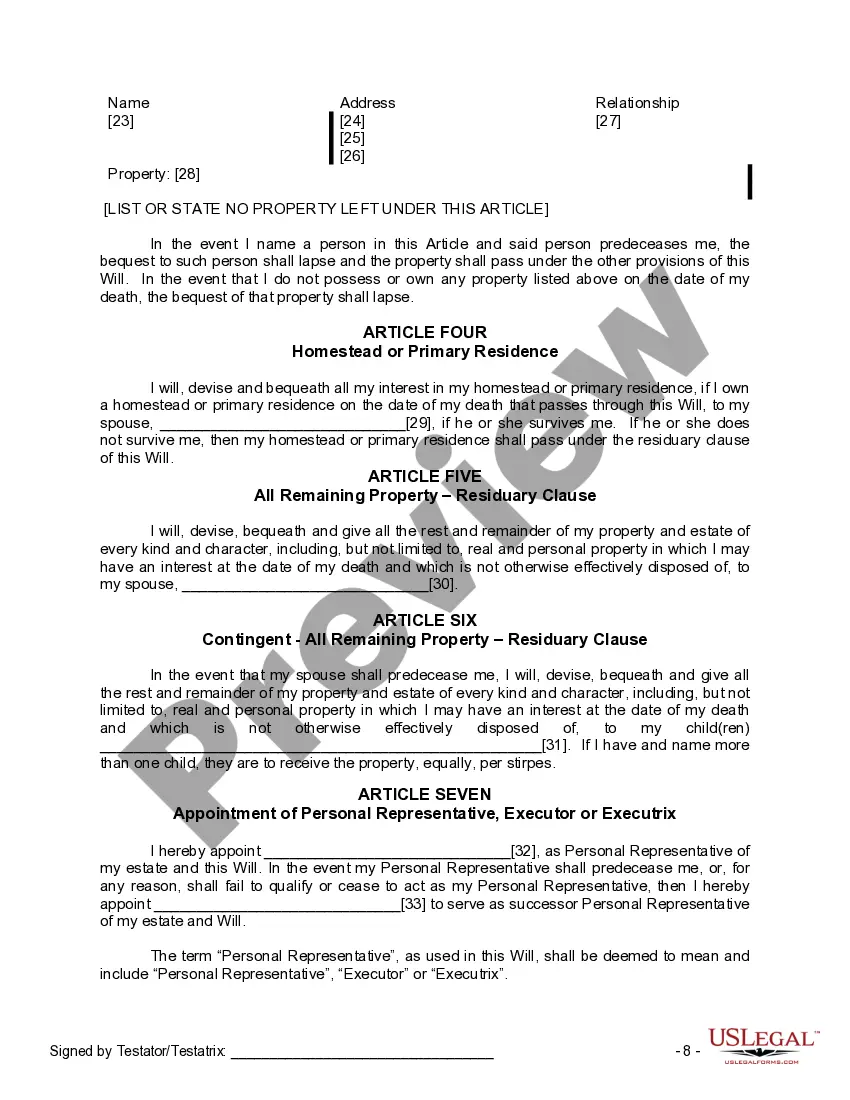
How to fill out New Mexico Last Will And Testament For Married Person With Adult Children?
Whether for commercial reasons or personal issues, everyone must deal with legal matters at some point in their life.
Completing legal documents requires meticulous attention, starting from choosing the appropriate form template.
With an extensive catalog from US Legal Forms available, you will never have to waste time searching for the correct template across the web. Utilize the library’s simple navigation to find the appropriate form for any circumstance.
- Locate the template you require using the search bar or catalog navigation.
- Review the form's description to ensure it corresponds with your case, state, and county.
- Click on the form's preview to inspect it.
- If it is not the correct document, return to the search function to find the Nm Will Requirements sample you need.
- Obtain the file when it satisfies your preferences.
- If you possess a US Legal Forms account, simply click Log in to reach previously saved files in My documents.
- If you lack an account, you can acquire the form by clicking Buy now.
- Choose the appropriate pricing option.
- Complete the account registration form.
- Select your payment method: use a credit card or PayPal account.
- Choose the file format you desire and download the Nm Will Requirements.
- Once it is downloaded, you can fill out the form using editing software or print it and complete it by hand.
Form popularity
FAQ
He must prove that due to infirmity, the defendant is consistently unable to make reasoned decisions regarding himself and his property. The defendant must be present at the hearing, though some "good cause" exceptions for people with major infirmities can apply.
In Louisiana, the term "interdiction" is used to encompass the functions of a conservator and guardian. Our state uses this term to refer to a standard type of legally established adult protective relationship.
The order continues until the child turns 18 years old. It can only be changed by court order, if the guardian no longer wants to or can no longer be the guardian. It can also be change if the guardianship is no longer in the child's best interest.
An individual must undertake a court process to be considered for Louisiana guardianship. The first step they will take is to file a petition. A doctor or other medical personnel will examine the individual who has Louisiana guardianship appointed on their behalf.
When someone is unable to make their own decisions or handle their own affairs, it may be necessary for a court to appoint someone to do those things for them. In most states, that process is called a guardianship. In Louisiana, it is called an interdiction.
Legal guardianship means a court grants someone other than a biological parent the right to care for a minor. Custody (most often) generally describes a parent caring for his or her own child. Guardianship does not always grant custody or definitively mean a biological parent's custody is revoked.
The guardianship of an adult in Louisiana is uniquely known as a curatorship and it has the same definition as conservatorship as used in other states. A curatorship is Louisiana's term for the authority given to one adult to take over the personal and/or financial affairs of another adult.
How is it done? The child must have been found to be a Child in Need of Care by the court. Then the Department of Children and Family Services (DCFS), the parent or the attorney for the child may make a request of the court asking that a guardian be appointed.