Sale To Grantor Trust
Description


Get your form ready online
Our built-in tools help you complete, sign, share, and store your documents in one place.
Make edits, fill in missing information, and update formatting in US Legal Forms—just like you would in MS Word.
Download a copy, print it, send it by email, or mail it via USPS—whatever works best for your next step.
Sign and collect signatures with our SignNow integration. Send to multiple recipients, set reminders, and more. Go Premium to unlock E-Sign.
If this form requires notarization, complete it online through a secure video call—no need to meet a notary in person or wait for an appointment.
We protect your documents and personal data by following strict security and privacy standards.

Make edits, fill in missing information, and update formatting in US Legal Forms—just like you would in MS Word.

Download a copy, print it, send it by email, or mail it via USPS—whatever works best for your next step.

Sign and collect signatures with our SignNow integration. Send to multiple recipients, set reminders, and more. Go Premium to unlock E-Sign.

If this form requires notarization, complete it online through a secure video call—no need to meet a notary in person or wait for an appointment.

We protect your documents and personal data by following strict security and privacy standards.
Looking for another form?



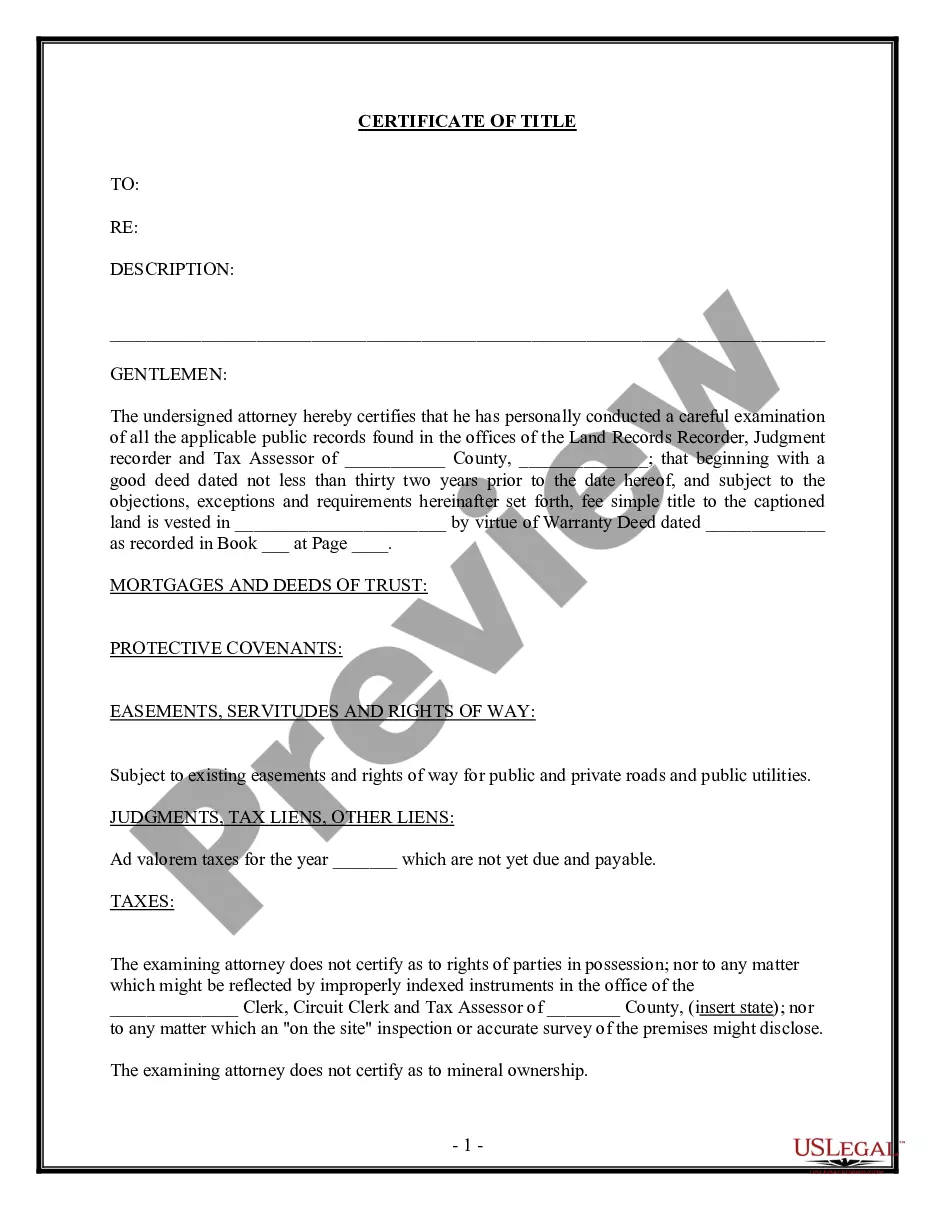






How to fill out New Jersey Bargain And Sale Deed - With Covenants As To Grantor's Acts?
The Sale To Grantor Trust displayed on this page is a reusable legal template constructed by qualified attorneys in accordance with federal and local statutes and regulations.
For over 25 years, US Legal Forms has supplied individuals, businesses, and lawyers with more than 85,000 validated, state-specific documents for any commercial and personal situation. It’s the fastest, most direct, and most reliable method to acquire the documents you require, as the service ensures bank-level data protection and anti-malware safeguards.
Select the format you desire for your Sale To Grantor Trust (PDF, DOCX, RTF) and save the template on your device. Fill out and sign the documents. Print the template to complete it by hand. Alternatively, use an online multifunctional PDF editor to swiftly and accurately fill out and sign your form with a legally-binding electronic signature.
- Search for the document you require and verify it.
- Browse the file you searched and preview it or review the document description to confirm it meets your needs. If it does not, utilize the search function to find the appropriate one. Click Buy Now once you have found the template you need.
- Register and Log In.
- Choose the pricing plan that fits you and create an account. Use PayPal or a credit card to make a quick payment. If you already possess an account, Log In and check your subscription to proceed.
- Download the editable template.
Form popularity
FAQ
Hear this out loud PauseThus, the trust's income is taxed to the grantor as if he or she received the trust income directly. The benefit of this treatment is that the trust assets can continue to grow without the burden of paying income tax out of the trust's assets.
Hear this out loud PauseInstallment sales to grantor trusts can help minimize estate taxes by removing the assets from the grantor's taxable estate. The value of the promissory note received in exchange for the assets is included in the grantor's estate, but any appreciation in the value of the assets after the sale is excluded.
Disadvantages of Grantor Trust The regulations governing grantor trusts may also be subject to change. While trusts founded before the enactment of the new law would be protected from the change, any assets subsequently transferred would be incorporated in the grantor's taxable estate.
Hear this out loud PauseSelling Assets Into the Trust For example, if Grant owns a home he purchased in 2005 for $350,000 that has since appreciated to a total value of $850,000, he would sell the home at a value of $850,000 to the IDGT. The trust gives Grant a promissory note for the total value plus the applicable federal interest rate.
Hear this out loud PauseThe grantor can sell to or purchase assets from a grantor trust, but such transaction is not a taxable event: In other words, there is no gain or loss recognition because from an income tax perspective, the grantor is transferring assets to himself or herself. note of equal value so that there is no gift element.