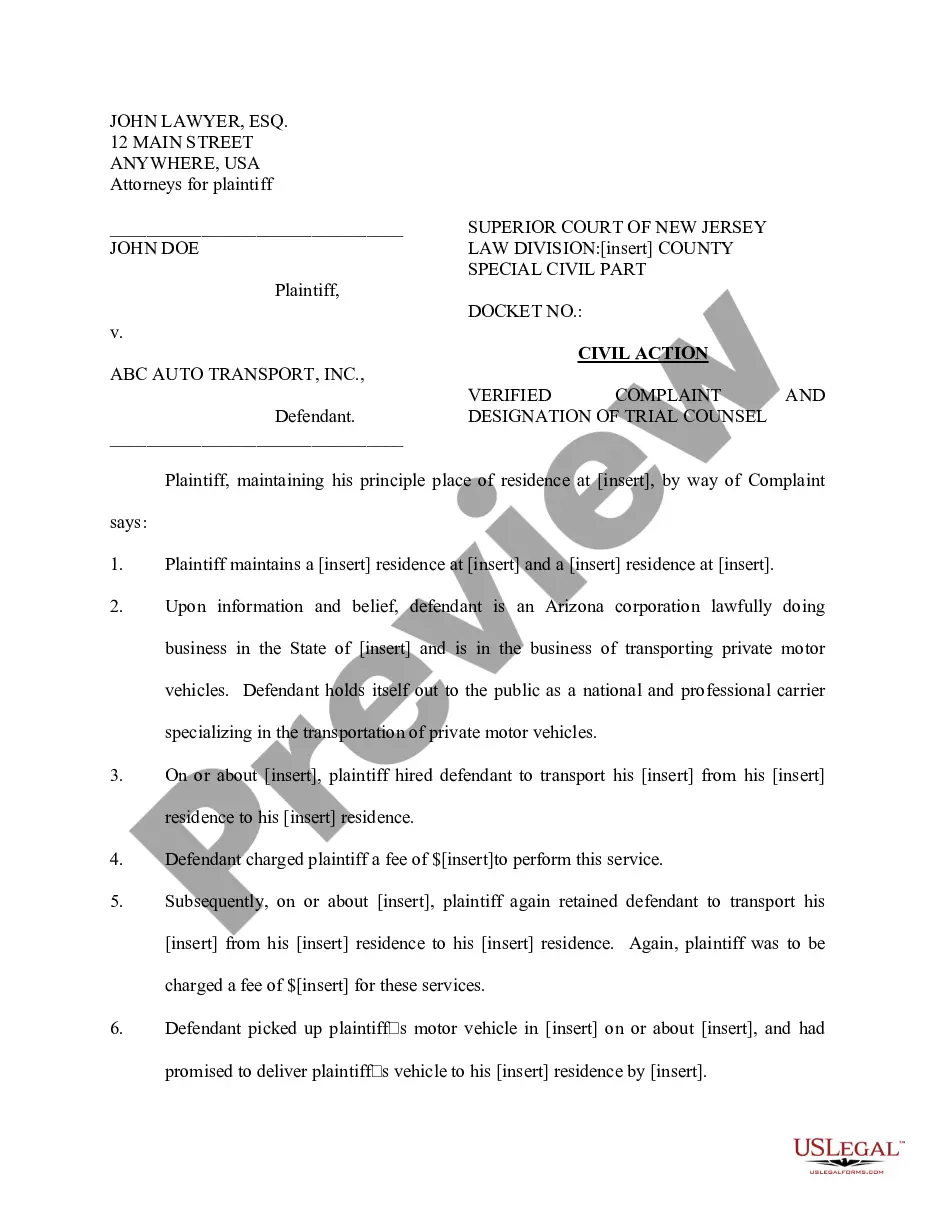
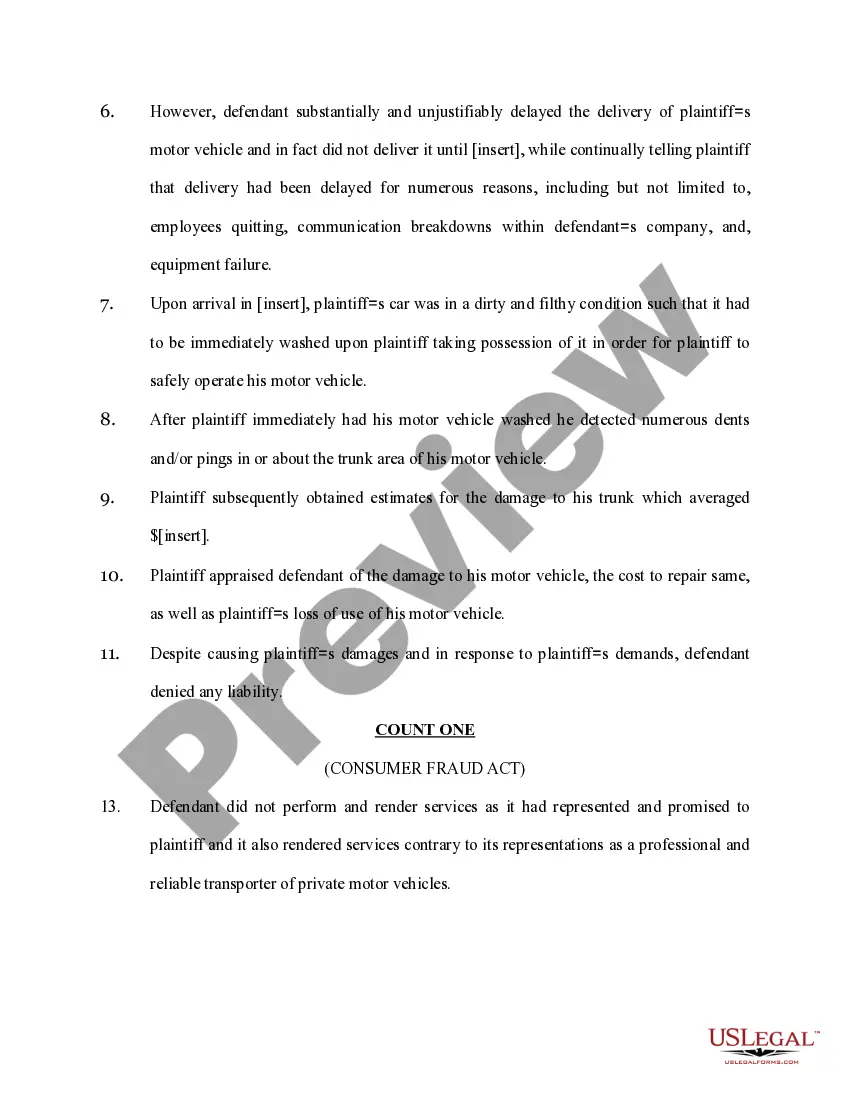
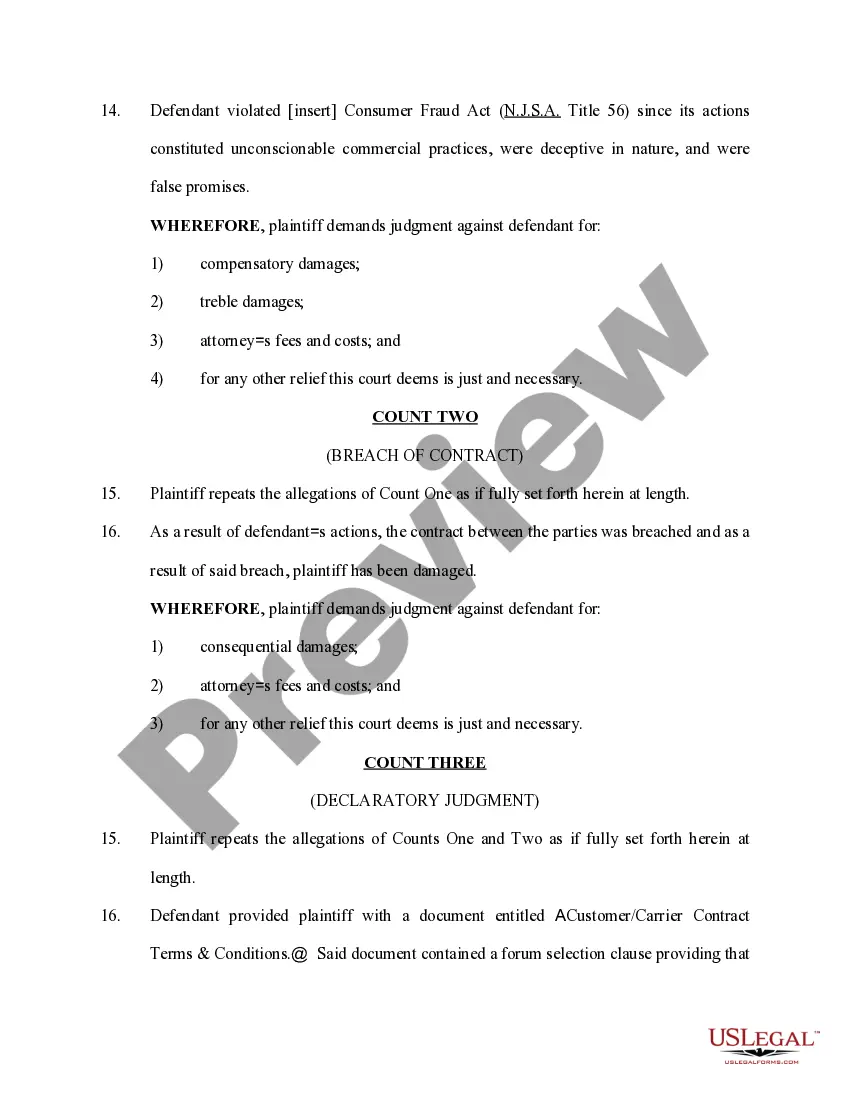
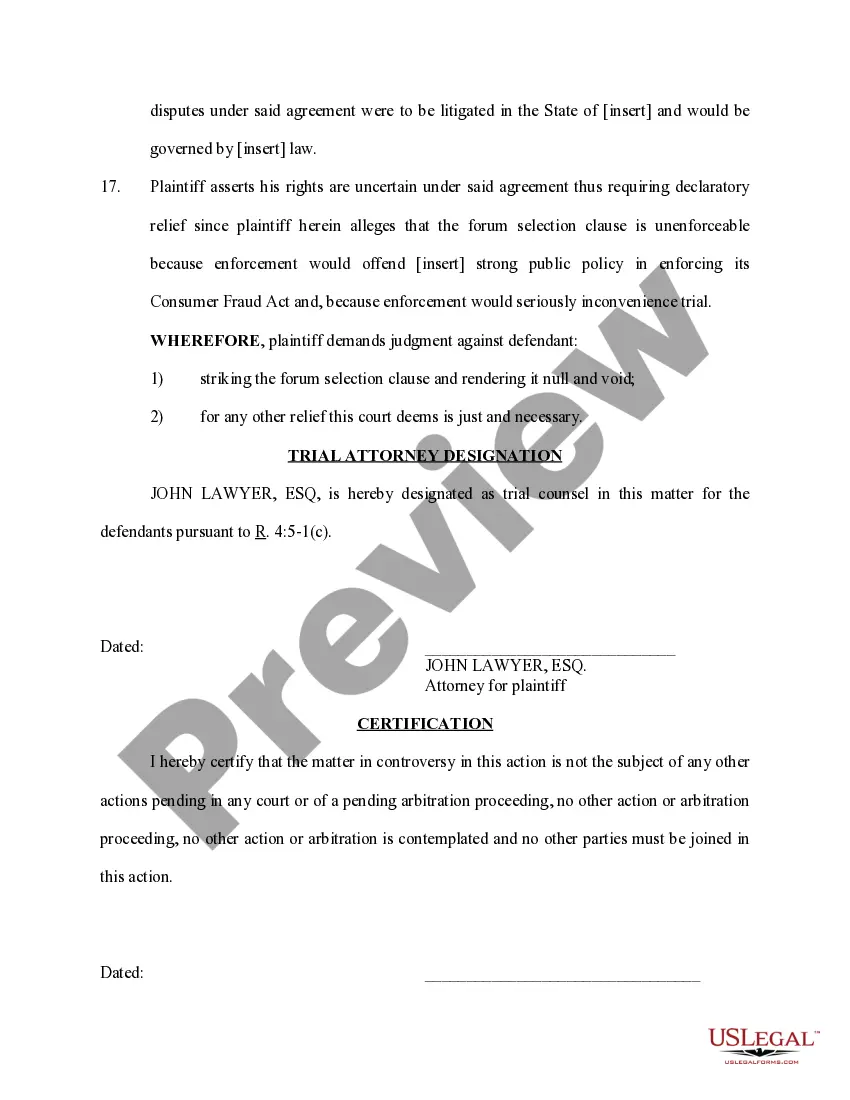
Nj Consumer Fraud Act Complaint With Limitations
Description

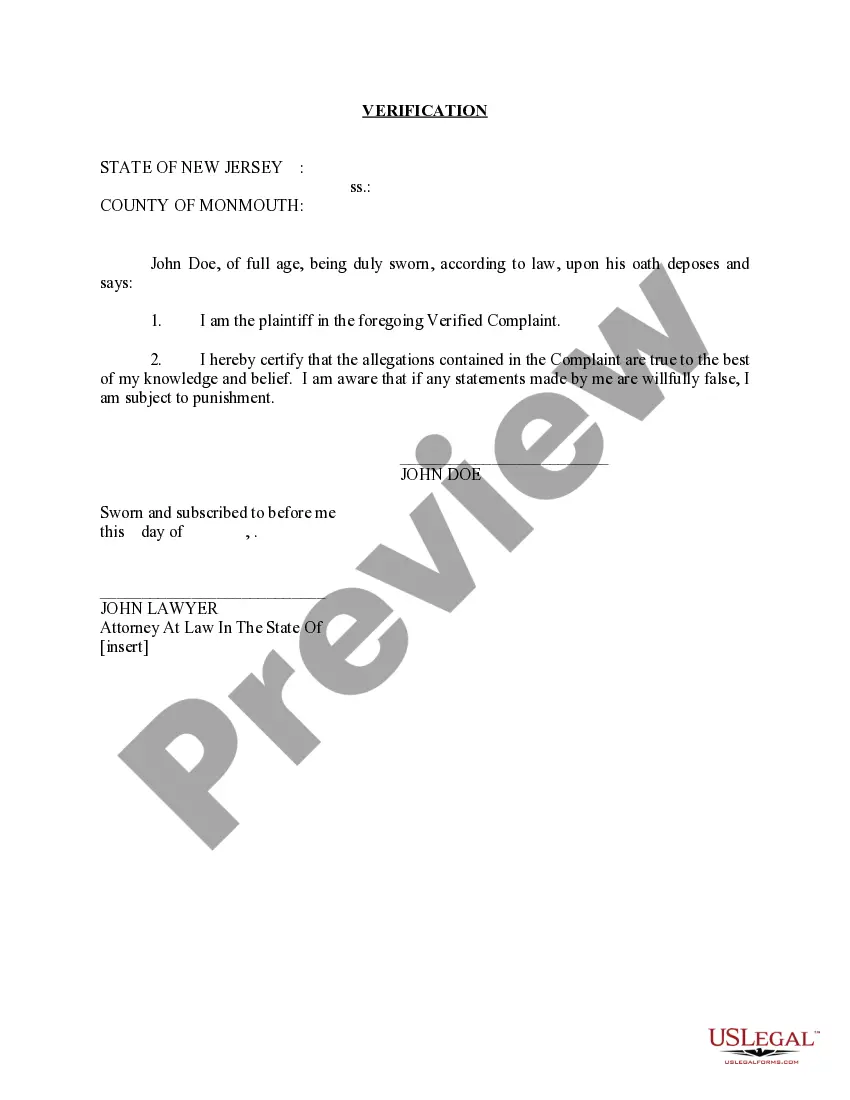
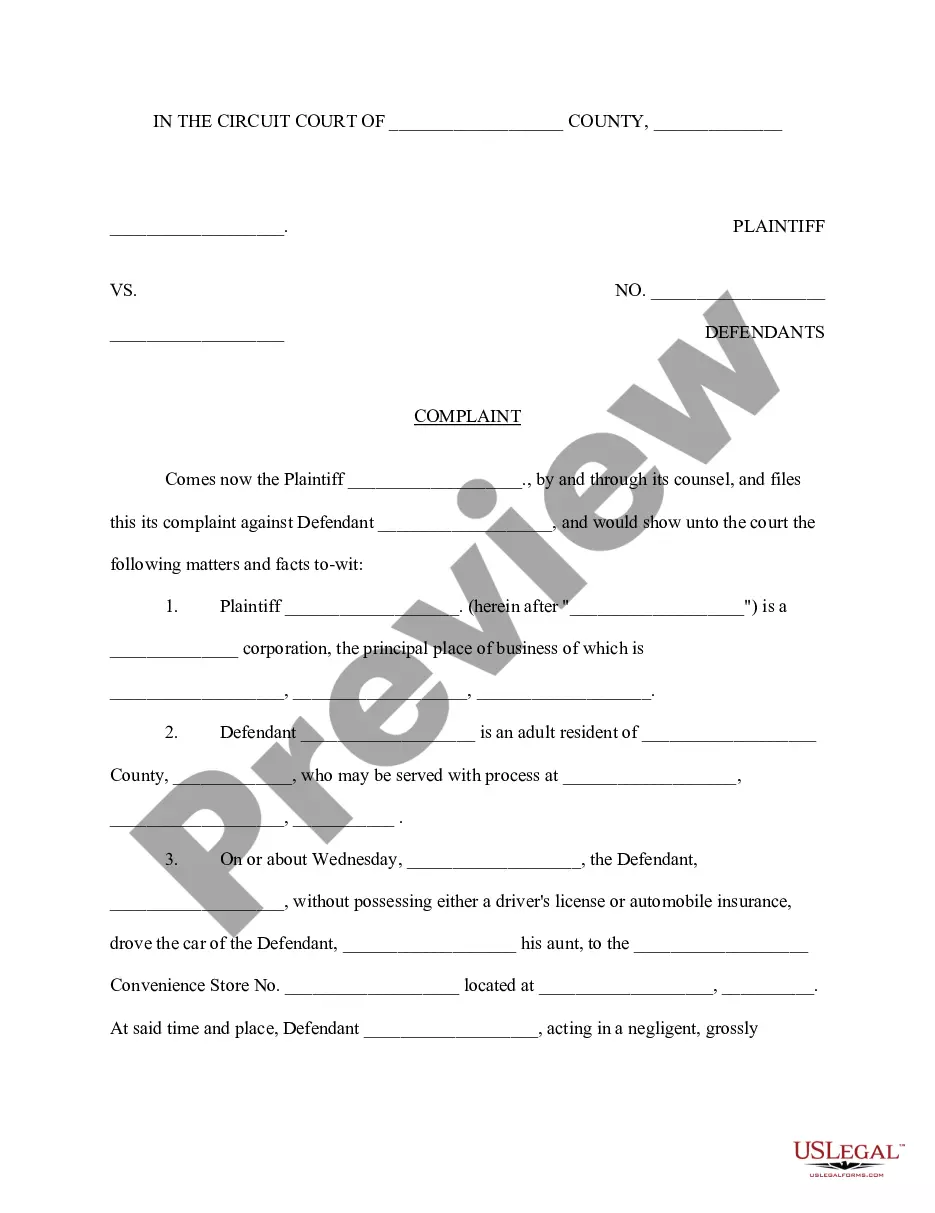
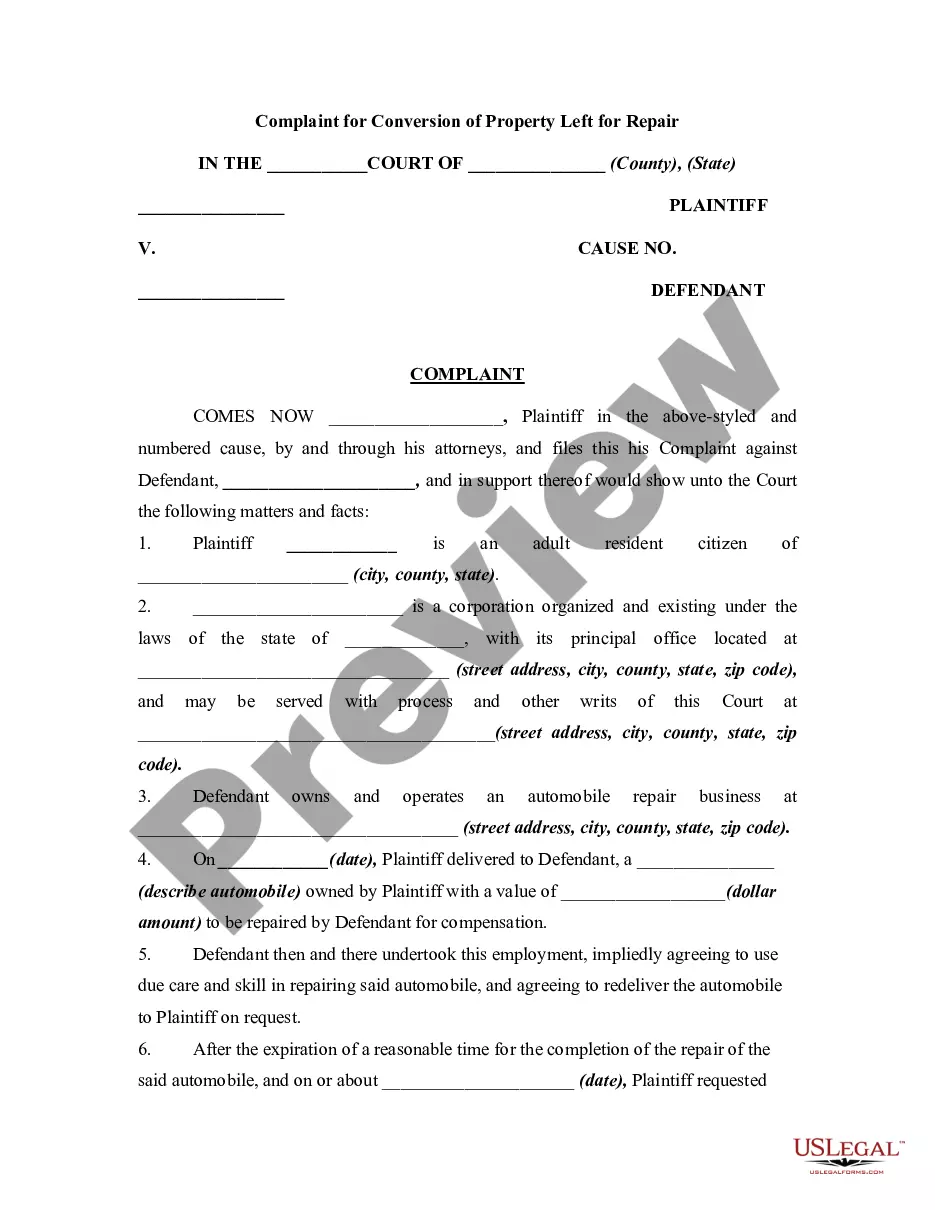
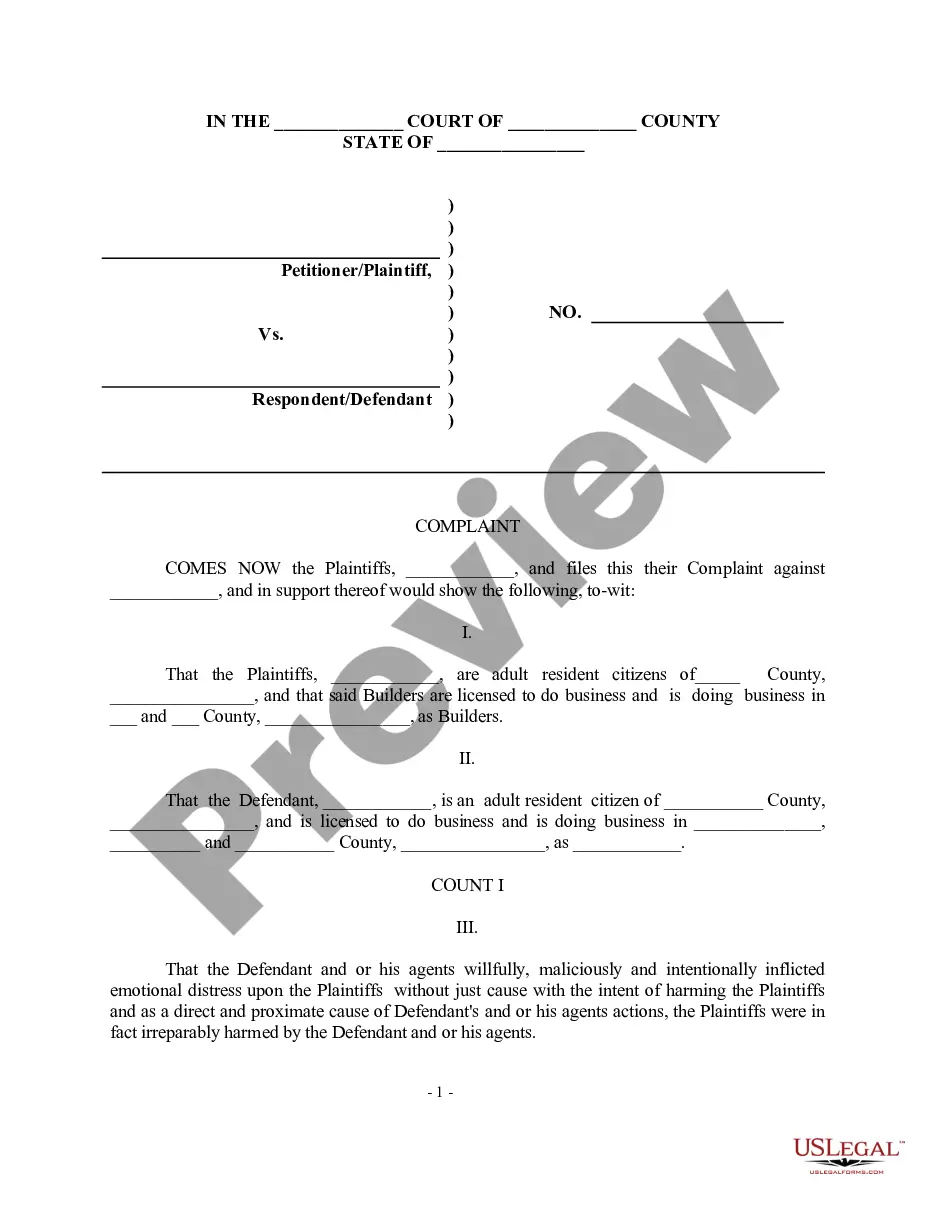
Get your form ready online
Our built-in tools help you complete, sign, share, and store your documents in one place.
Make edits, fill in missing information, and update formatting in US Legal Forms—just like you would in MS Word.
Download a copy, print it, send it by email, or mail it via USPS—whatever works best for your next step.
Sign and collect signatures with our SignNow integration. Send to multiple recipients, set reminders, and more. Go Premium to unlock E-Sign.
If this form requires notarization, complete it online through a secure video call—no need to meet a notary in person or wait for an appointment.
We protect your documents and personal data by following strict security and privacy standards.

Make edits, fill in missing information, and update formatting in US Legal Forms—just like you would in MS Word.

Download a copy, print it, send it by email, or mail it via USPS—whatever works best for your next step.

Sign and collect signatures with our SignNow integration. Send to multiple recipients, set reminders, and more. Go Premium to unlock E-Sign.

If this form requires notarization, complete it online through a secure video call—no need to meet a notary in person or wait for an appointment.

We protect your documents and personal data by following strict security and privacy standards.
Looking for another form?



How to fill out New Jersey Complaint Consumer Fraud Act Damage To Property?
It’s clear that you cannot transform into a legal expert instantly, nor can you swiftly learn how to draft a Nj Consumer Fraud Act Complaint With Limitations without possessing a unique skill set. Compiling legal documents is a lengthy procedure that demands particular education and abilities. So why not entrust the preparation of the Nj Consumer Fraud Act Complaint With Limitations to specialists.
With US Legal Forms, one of the largest legal document repositories, you can find everything from court documents to templates for in-office correspondence. We understand how vital compliance and adherence to federal and state regulations are. That’s why, on our site, all forms are jurisdiction-specific and current.
Here’s how to begin with our platform and obtain the document you need in just minutes.
You can re-access your forms from the My documents tab at any time. If you’re a current client, you can simply Log In, and find and download the template from the same tab.
Regardless of the reason for your paperwork—whether it’s financial, legal, or personal—our platform has you covered. Experience US Legal Forms today!
- Find the document you are looking for using the search bar at the top of the page.
- Preview it (if this option is available) and read the accompanying description to determine if the Nj Consumer Fraud Act Complaint With Limitations meets your needs.
- Restart your search if you require another template.
- Create a free account and choose a subscription option to acquire the template.
- Click Buy now. Once the transaction is finalized, you can download the Nj Consumer Fraud Act Complaint With Limitations, complete it, print it, and send it or mail it to the specified individuals or organizations.
Form popularity
FAQ
In New Jersey, you typically have six years to sue a contractor for breach of contract or related issues. This period starts from the moment you realize the contractor has not fulfilled their obligations. If you find yourself in a dispute with a contractor, it is critical to act quickly. Utilizing resources like uslegalforms can help you navigate your NJ consumer fraud act complaint with limitations effectively.
The limitation period for filing a suit for breach of contract in New Jersey is usually six years. This timeline begins from the date of the breach, which can sometimes be tricky to determine. If you suspect a breach, it’s wise to consult legal resources promptly. For guidance, consider using platforms like uslegalforms to assist with your NJ consumer fraud act complaint with limitations.
In New Jersey, the statute of limitations for consumer fraud claims is typically six years. This period starts when you become aware of the fraudulent activity or should have reasonably discovered it. Filing within this timeframe is essential to ensure your complaint is heard. If you are facing issues related to consumer fraud, remember that an NJ consumer fraud act complaint with limitations applies.
Suing someone after 10 years can be challenging due to the statute of limitations. In New Jersey, most claims must be filed within a specific time frame, typically six years for contract disputes. If the time limit has passed, your case may be dismissed. Therefore, it's important to act promptly, particularly if you are considering an NJ consumer fraud act complaint with limitations.
In New Jersey, the statute of limitations for contract law is generally six years. This means you must file a lawsuit within six years from the time you discovered the breach of contract. If you wait longer than this period, you risk losing your right to pursue the claim. Understanding these timelines is crucial, especially when dealing with an NJ consumer fraud act complaint with limitations.
The statute of limitation for prosecution of a crime in New Jersey is generally five years. A prosecution is commenced when an indictment is issued with respect to a criminal offense. Prosecution for murder or rape may be commenced at any time.
New Jersey's Consumer Fraud Act has teeth. If a merchant is found to have violated the Act, it will have to pay the consumer three times the damages and pay her attorneys fees and litigation costs. The New Jersey Department of Community Affairs (the "DCA") issues regulations applying the Consumer Fraud Act.
If proven to be violated, a successful consumer can acquire treble damages (three times the dollar amount of damage inflicted to the consumer) and attorney's fees and costs.
Fraud: Six years. Claims under the New Jersey Consumer Fraud Act are also subject to a six-year statute of limitations. Negligence: Two years for personal injury claims and six years for property claims. Trade Secret Misappropriation: Six years.
In order to bring an action against a proprietor or other business agent, the consumer must show some ?ascertainable loss?. In other words, the consumer must show that the suffered some damages as a result of the fraud or violation. Losses are generally understood to be either property or money.