Suing Landlord For Deposit
Description
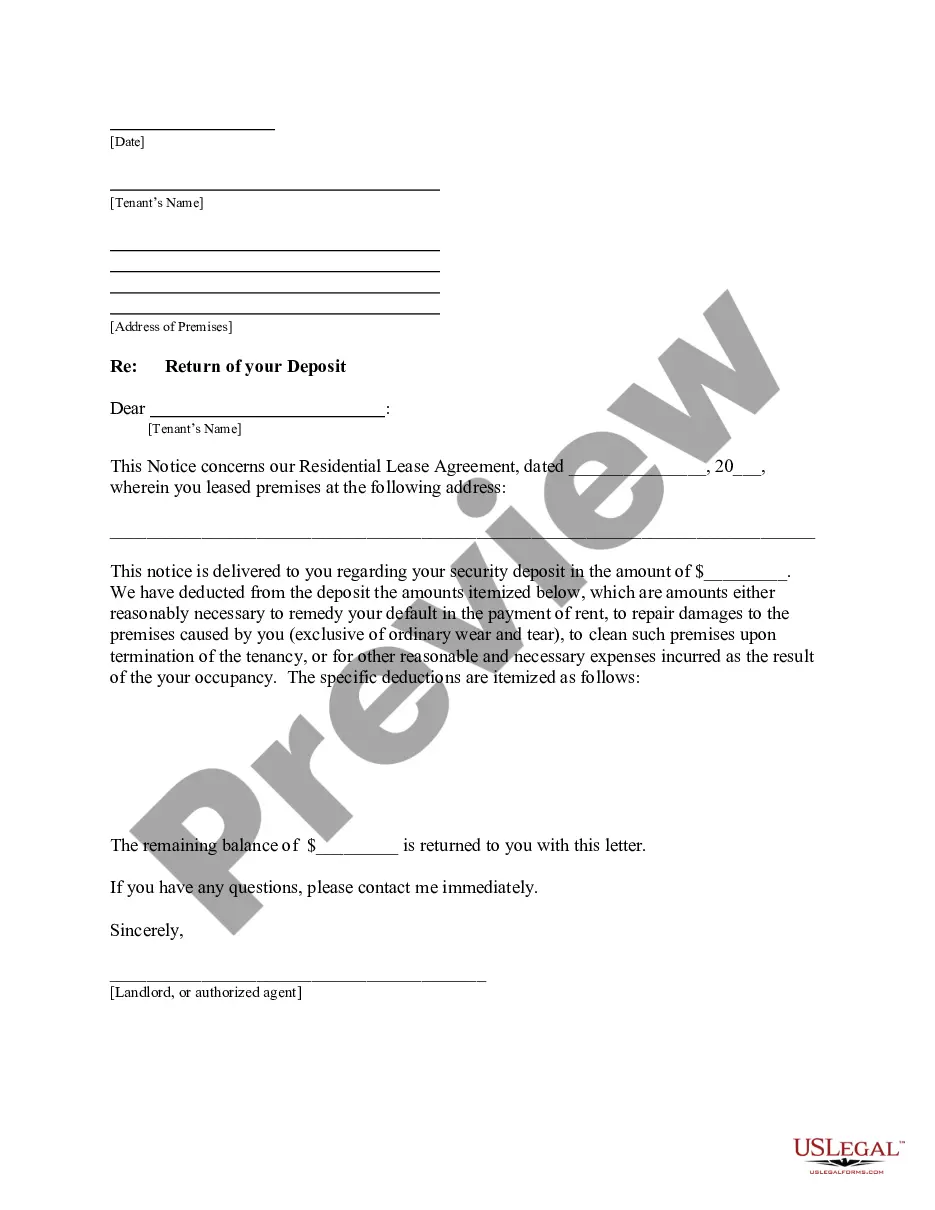
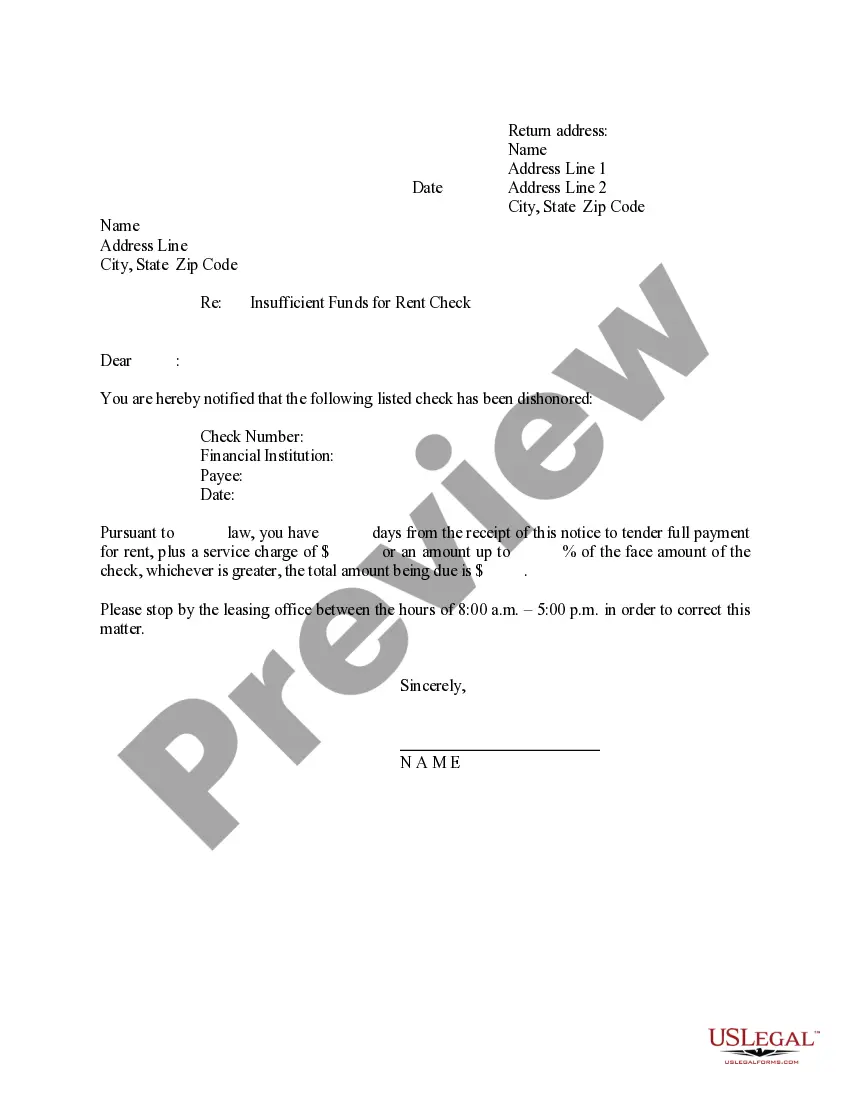
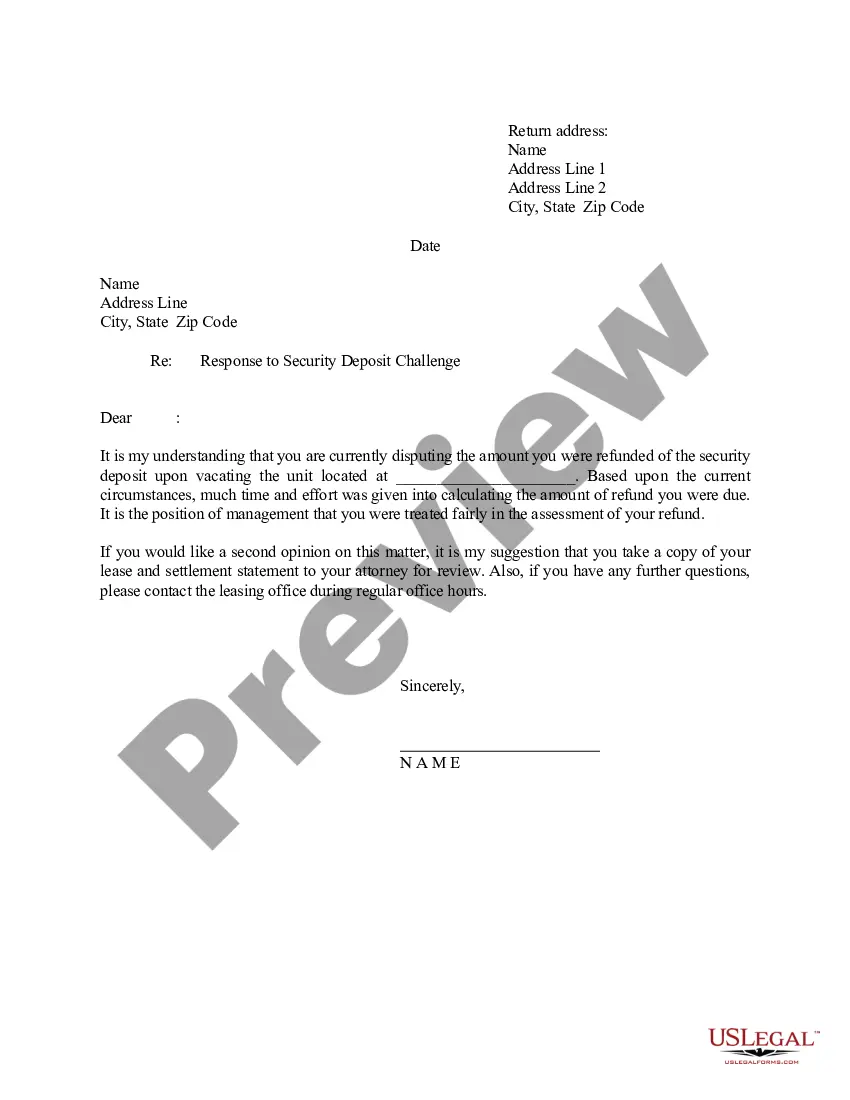
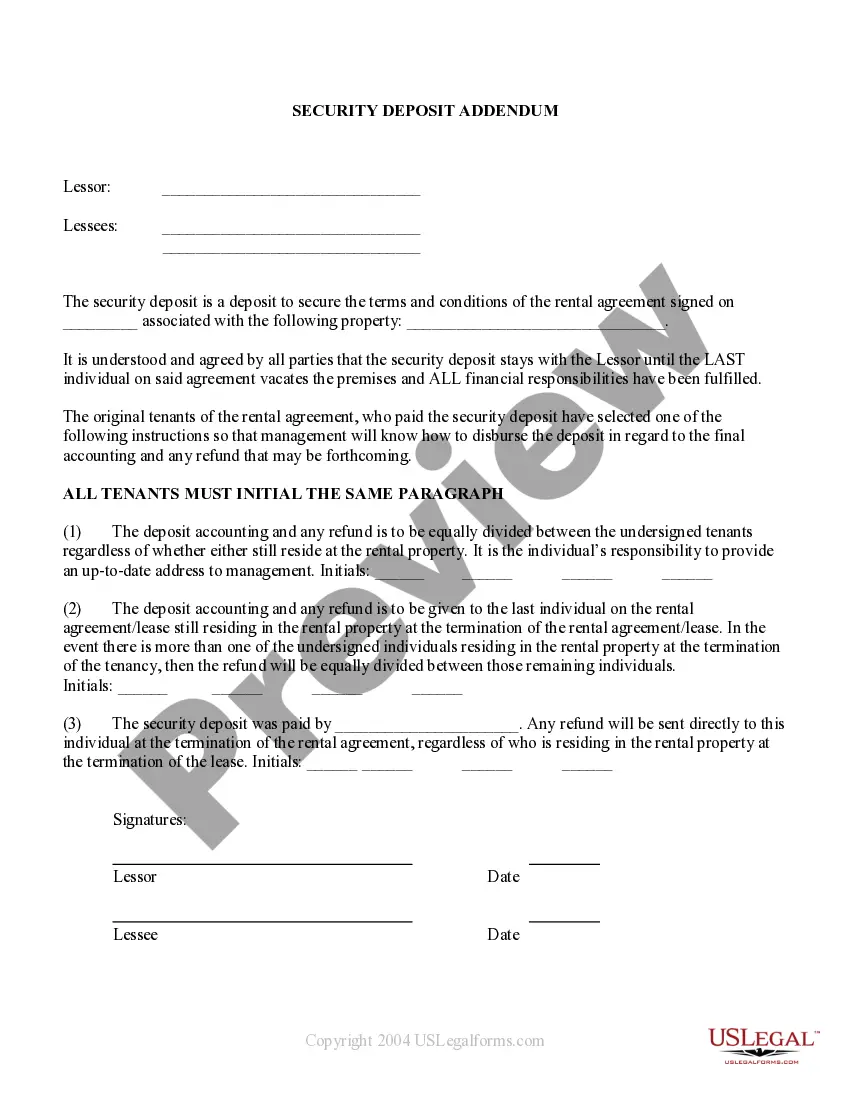
Get your form ready online
Our built-in tools help you complete, sign, share, and store your documents in one place.
Make edits, fill in missing information, and update formatting in US Legal Forms—just like you would in MS Word.
Download a copy, print it, send it by email, or mail it via USPS—whatever works best for your next step.
Sign and collect signatures with our SignNow integration. Send to multiple recipients, set reminders, and more. Go Premium to unlock E-Sign.
If this form requires notarization, complete it online through a secure video call—no need to meet a notary in person or wait for an appointment.
We protect your documents and personal data by following strict security and privacy standards.

Make edits, fill in missing information, and update formatting in US Legal Forms—just like you would in MS Word.

Download a copy, print it, send it by email, or mail it via USPS—whatever works best for your next step.

Sign and collect signatures with our SignNow integration. Send to multiple recipients, set reminders, and more. Go Premium to unlock E-Sign.

If this form requires notarization, complete it online through a secure video call—no need to meet a notary in person or wait for an appointment.

We protect your documents and personal data by following strict security and privacy standards.
Looking for another form?
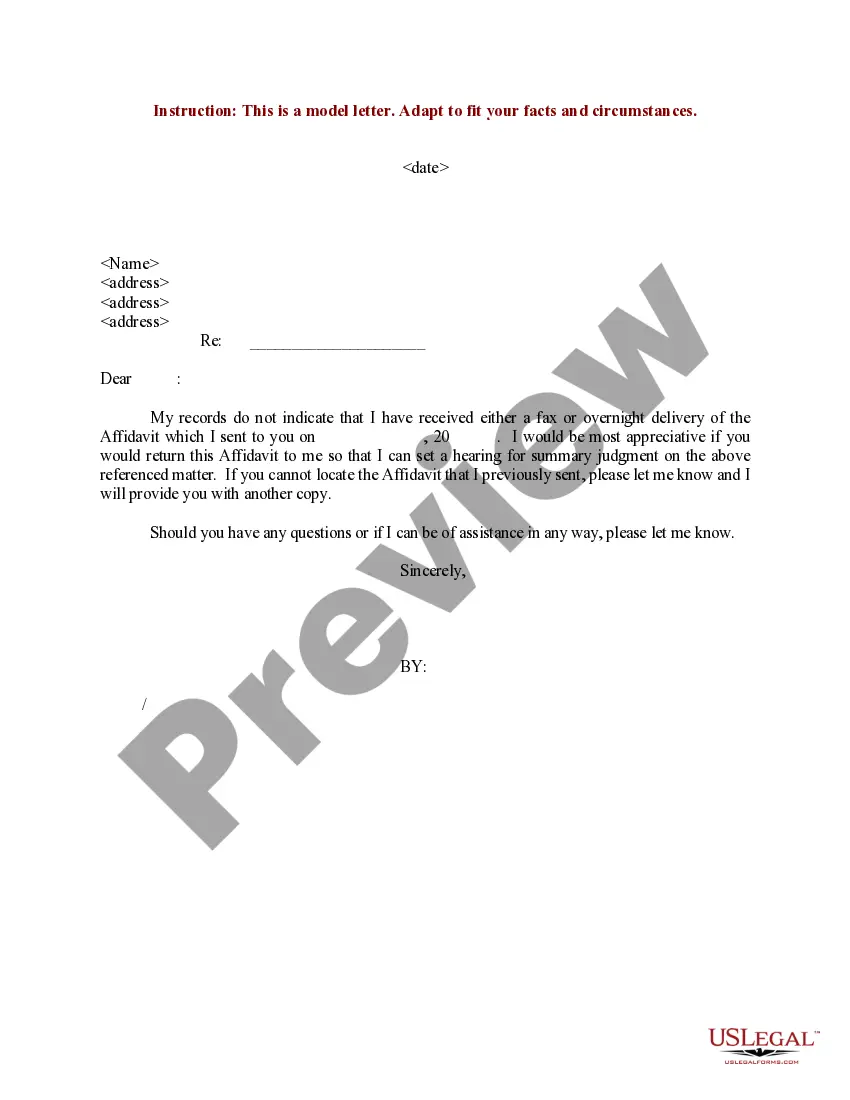









Form popularity
FAQ
The highest security deposit varies by state, but generally, it cannot exceed one to two months' rent. It's essential to check local laws to understand your rights and obligations as a tenant. When preparing to sue a landlord for a deposit, knowing these regulations can be beneficial in your case. If you're uncertain about the rules in your state, US Legal Forms offers resources to help clarify these issues.
Winning a court case against a landlord involves thorough preparation and solid evidence. First, gather all relevant documents, such as your lease agreement, communication logs, and photographs of any damages. Demonstrating how the landlord failed to meet legal obligations strengthens your case when suing a landlord for deposit. Using platforms like US Legal Forms can help you find the necessary forms and guidance to navigate the legal process effectively.
