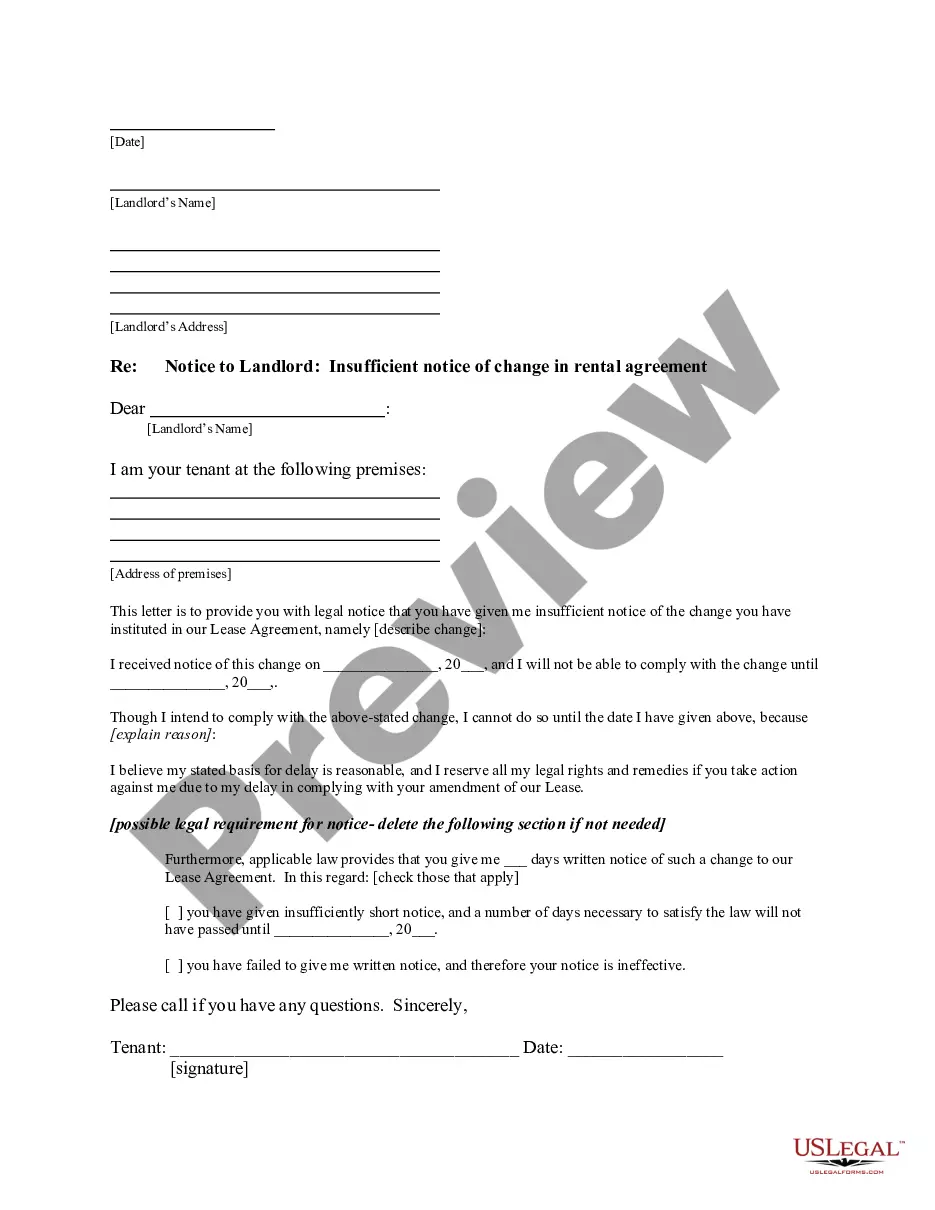
New Jersey Letter from Landlord to Tenant Returning security deposit less deductions
Overview of this form
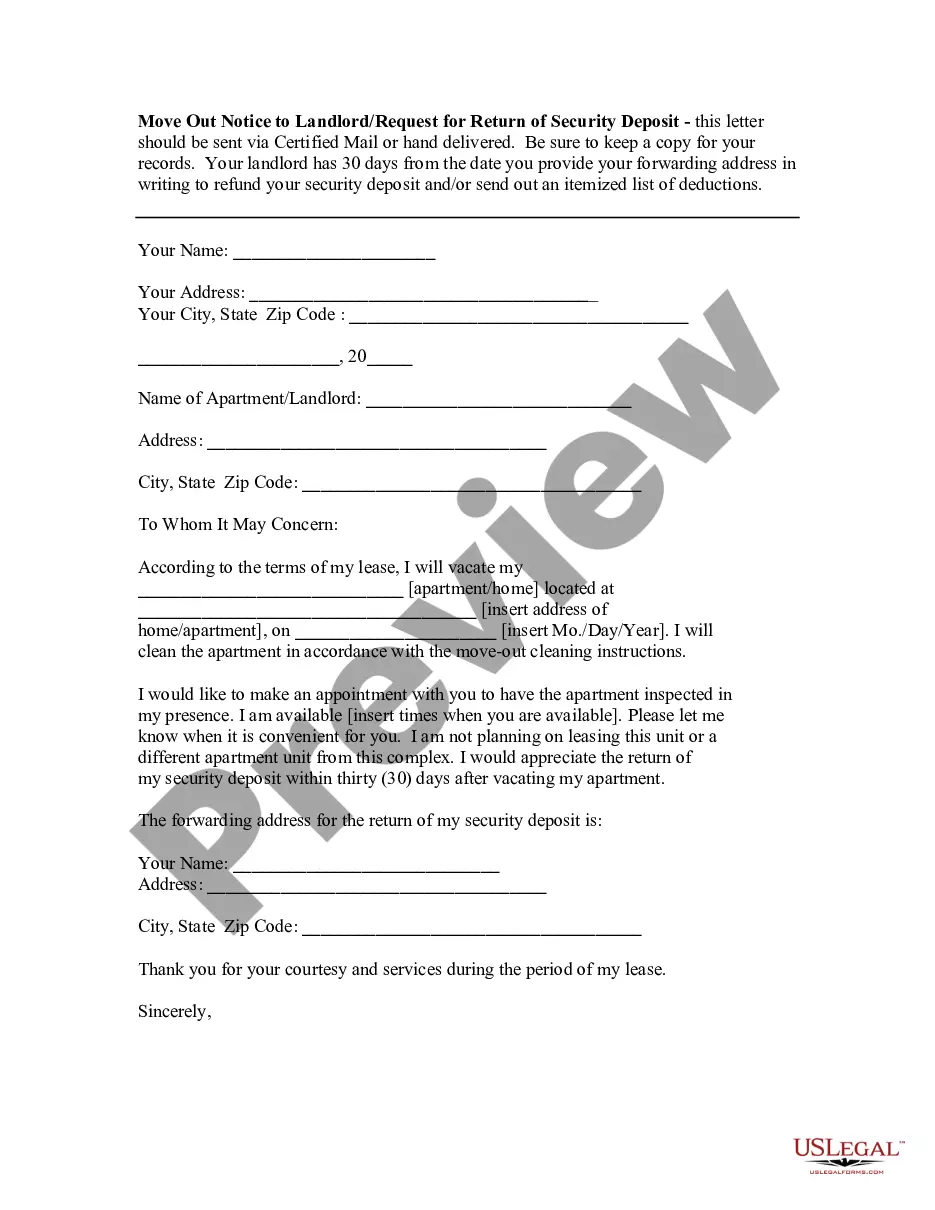
This form is a Letter from Landlord to Tenant Returning Security Deposit Less Deductions. It serves to inform the tenant of the specific deductions made from their security deposit, which may include costs related to unpaid rent, property damages beyond normal wear and tear, or necessary cleaning expenses upon lease termination. This letter helps clarify the landlord's actions during the legal process of returning the security deposit, ensuring transparency between both parties.
Key parts of this document
- The date of the residential lease agreement.
- The address of the leased premises.
- The total amount of the security deposit.
- A detailed itemization of deductions from the deposit.
- Statement regarding the conditions under which deductions are made.

Situations where this form applies
This form should be used when a tenant moves out of a rental property and the landlord needs to provide a formal notification regarding the return of the security deposit. It is essential when there are deductions to explain the reasons clearly to avoid disputes and ensure compliance with state laws governing security deposits.
Intended users of this form
- Landlords who are returning a security deposit to a tenant.
- Property managers responsible for lease agreements and handling security deposit returns.
- Tenants expecting the return of their security deposit who want clarity on deductions made by the landlord.
Instructions for completing this form
- Identify the parties involved, including the landlord and tenant.
- Specify the address of the rental property in question.
- Enter the date of the original lease agreement.
- Detail any deductions being made from the security deposit and their corresponding amounts.
- Provide a final statement on the remaining balance of the security deposit being returned to the tenant.
Notarization guidance
In most cases, this form does not require notarization. However, some jurisdictions or signing circumstances might. US Legal Forms offers online notarization powered by Notarize, accessible 24/7 for a quick, remote process.
Get your form ready online
Our built-in tools help you complete, sign, share, and store your documents in one place.
Make edits, fill in missing information, and update formatting in US Legal Forms—just like you would in MS Word.
Download a copy, print it, send it by email, or mail it via USPS—whatever works best for your next step.
Sign and collect signatures with our SignNow integration. Send to multiple recipients, set reminders, and more. Go Premium to unlock E-Sign.
If this form requires notarization, complete it online through a secure video call—no need to meet a notary in person or wait for an appointment.
We protect your documents and personal data by following strict security and privacy standards.

Make edits, fill in missing information, and update formatting in US Legal Forms—just like you would in MS Word.

Download a copy, print it, send it by email, or mail it via USPS—whatever works best for your next step.

Sign and collect signatures with our SignNow integration. Send to multiple recipients, set reminders, and more. Go Premium to unlock E-Sign.

If this form requires notarization, complete it online through a secure video call—no need to meet a notary in person or wait for an appointment.

We protect your documents and personal data by following strict security and privacy standards.
Common mistakes
- Failing to itemize deductions clearly, leading to misunderstandings.
- Not providing the complete return address for the tenant.
- Miscalculating the remaining balance of the security deposit.
- Neglecting to sign and date the letter before sending.
Advantages of online completion
- Convenience of completing the form from any location.
- Editability allows for easy customization based on specific tenant scenarios.
- Access to legal templates reviewed by licensed attorneys for accuracy.
- Quick download and storage options for future reference.
Key takeaways
- This form is essential for communicating deductions from a tenant's security deposit.
- Clear itemization of deductions can prevent disputes and ensure compliance with the law.
- Always be aware of and comply with local regulations regarding security deposits.
Looking for another form?
Form popularity
FAQ
This form creates a formal notice used when a tenant moves out and the landlord returns the security deposit with deductions. It documents the lease date and property address, the total security deposit, a detailed itemization of the deductions, and the conditions under which those deductions are made, helping ensure transparency and New Jersey compliance.
This form provides a ready-to-use template you can send to a tenant returning the security deposit with itemized deductions. It includes the lease date, the address of the leased premises, the total deposit, a detailed deduction list, and the conditions for each deduction, ensuring a clear, compliant New Jersey notice.
Under this form, deductions from the security deposit may include unpaid rent, damages beyond normal wear and tear, and reasonable cleaning expenses. The letter requires a detailed itemization for each deduction and explains the conditions under which deductions are made, promoting transparency and reducing disputes.
A landlord can deduct amounts listed in the itemized deductions section, typically for unpaid rent, damages beyond normal wear and tear, and cleaning costs. The form requires presenting each deduction with its amount and the applicable condition, providing a clear, New Jersey-specific record of why funds are retained.
This form does not specify deadlines for returning deposits. It focuses on providing an itemized deduction letter tailored to New Jersey, including the lease date, property address, total deposit, and conditions for deductions. For exact deadlines, consult New Jersey law or an attorney.
This form is tailored for New Jersey and for returning a security deposit with deductions. It emphasizes a detailed itemization, includes fields for the lease date, leased address, total deposit, itemized deductions, and the conditions for each deduction, which distinguishes it from a generic, non-NJ security deposit return letter.