Trust Fund Lawyer Cost
Description



Get your form ready online
Our built-in tools help you complete, sign, share, and store your documents in one place.
Make edits, fill in missing information, and update formatting in US Legal Forms—just like you would in MS Word.
Download a copy, print it, send it by email, or mail it via USPS—whatever works best for your next step.
Sign and collect signatures with our SignNow integration. Send to multiple recipients, set reminders, and more. Go Premium to unlock E-Sign.
If this form requires notarization, complete it online through a secure video call—no need to meet a notary in person or wait for an appointment.
We protect your documents and personal data by following strict security and privacy standards.

Make edits, fill in missing information, and update formatting in US Legal Forms—just like you would in MS Word.

Download a copy, print it, send it by email, or mail it via USPS—whatever works best for your next step.

Sign and collect signatures with our SignNow integration. Send to multiple recipients, set reminders, and more. Go Premium to unlock E-Sign.

If this form requires notarization, complete it online through a secure video call—no need to meet a notary in person or wait for an appointment.

We protect your documents and personal data by following strict security and privacy standards.
Looking for another form?





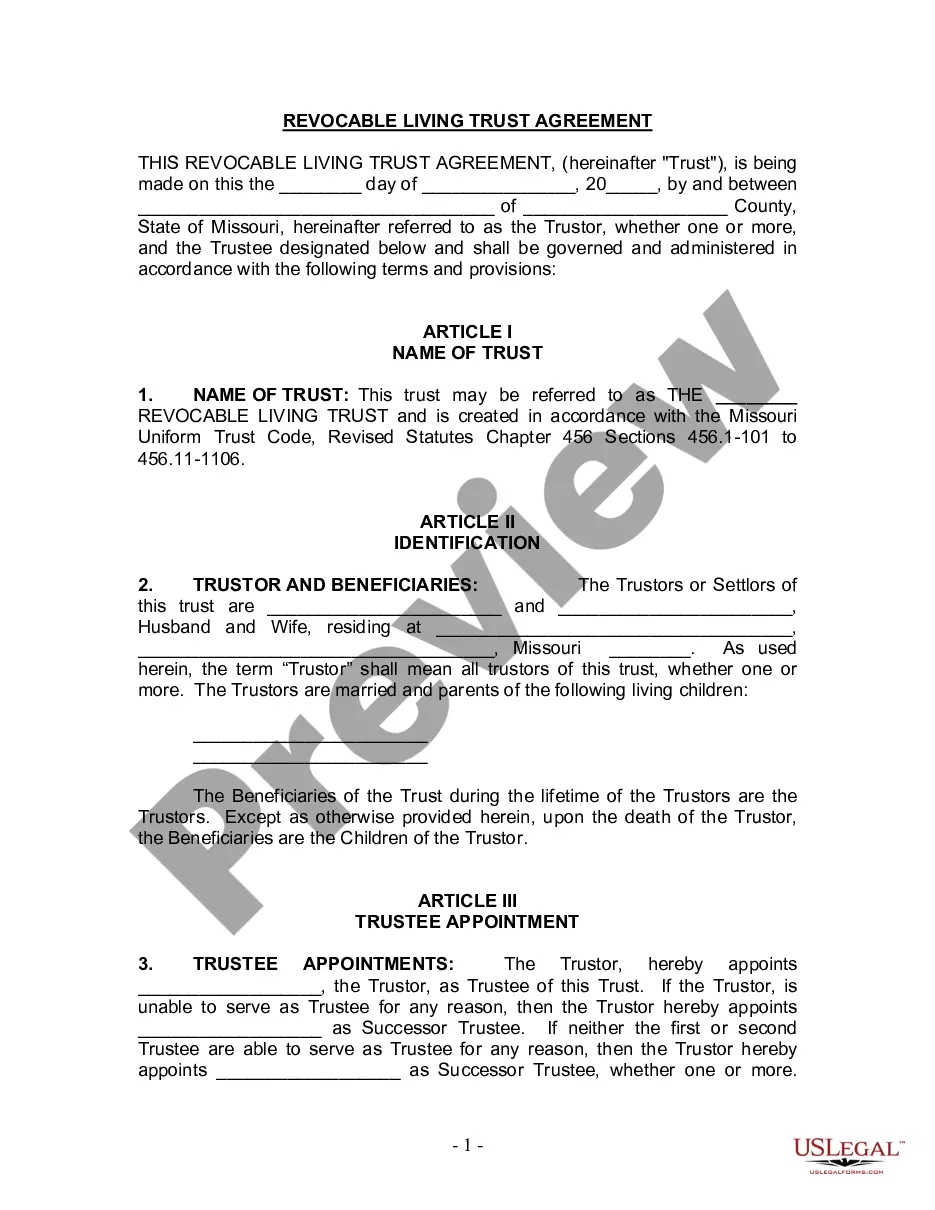
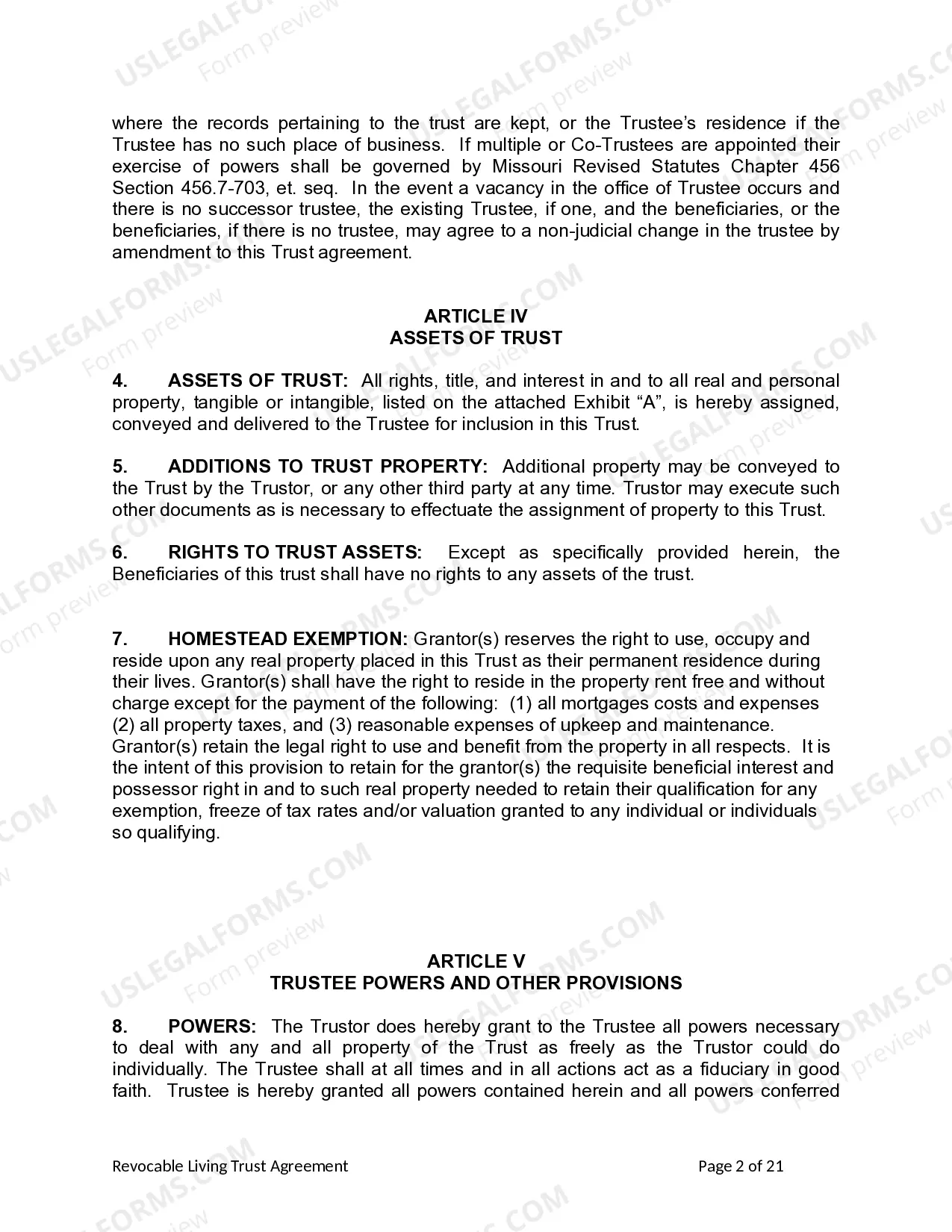
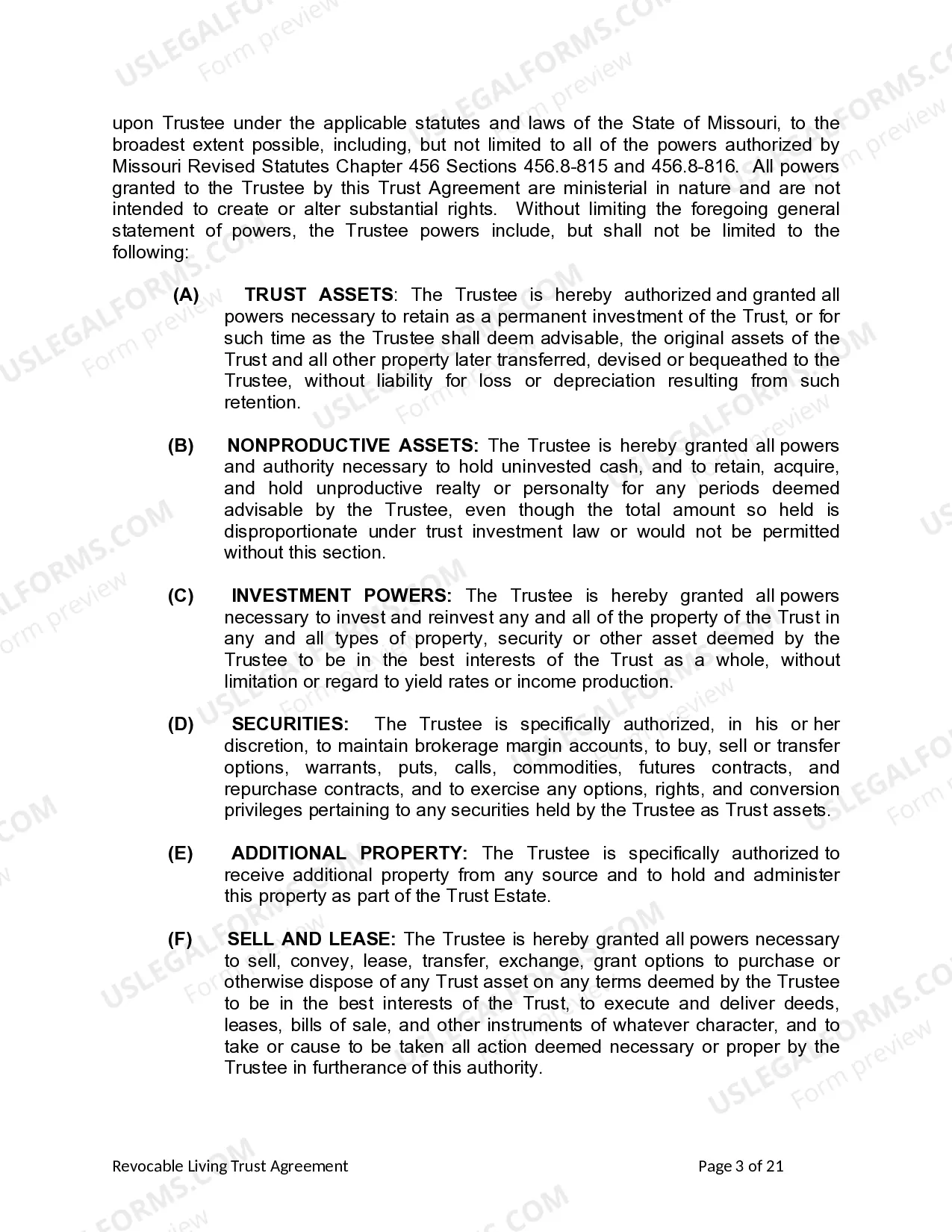
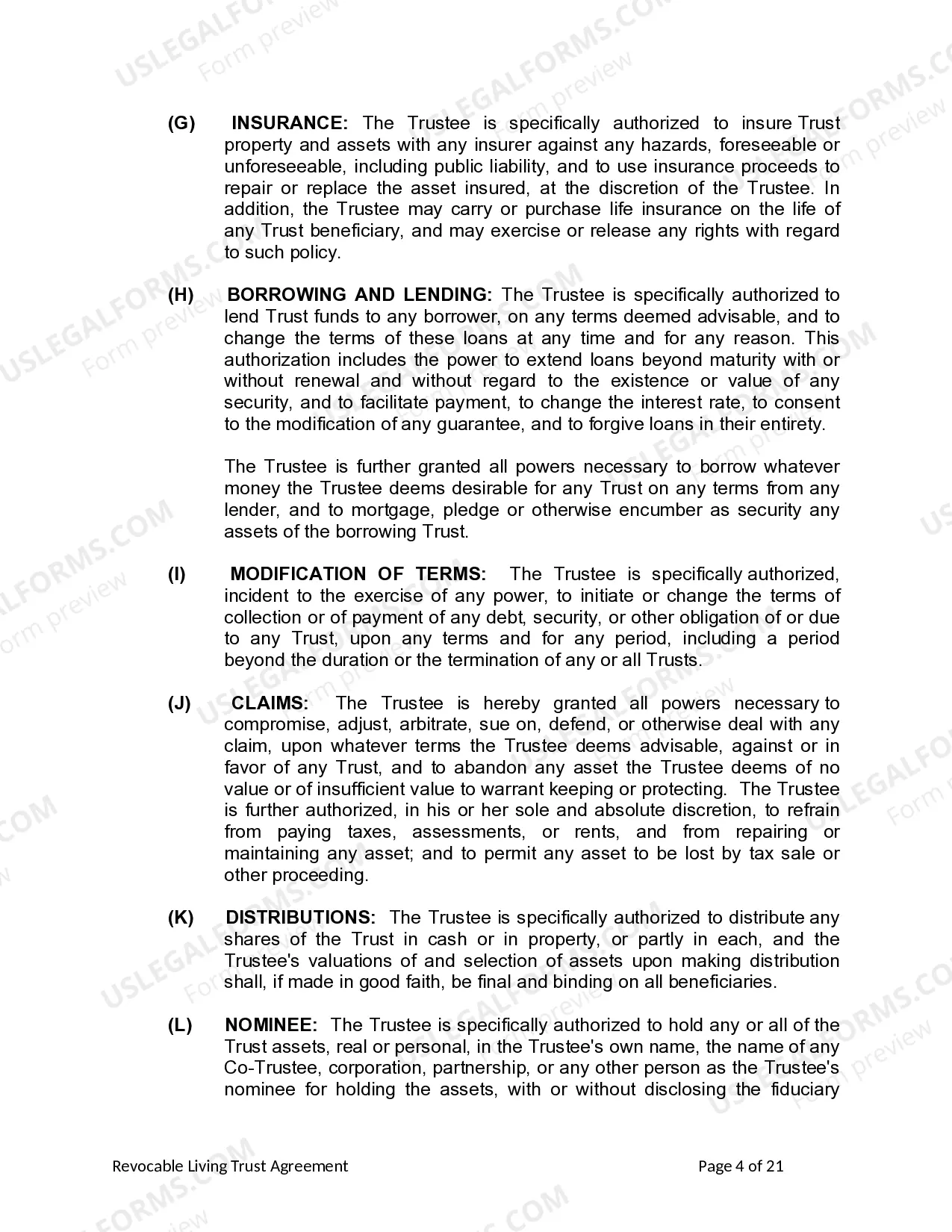
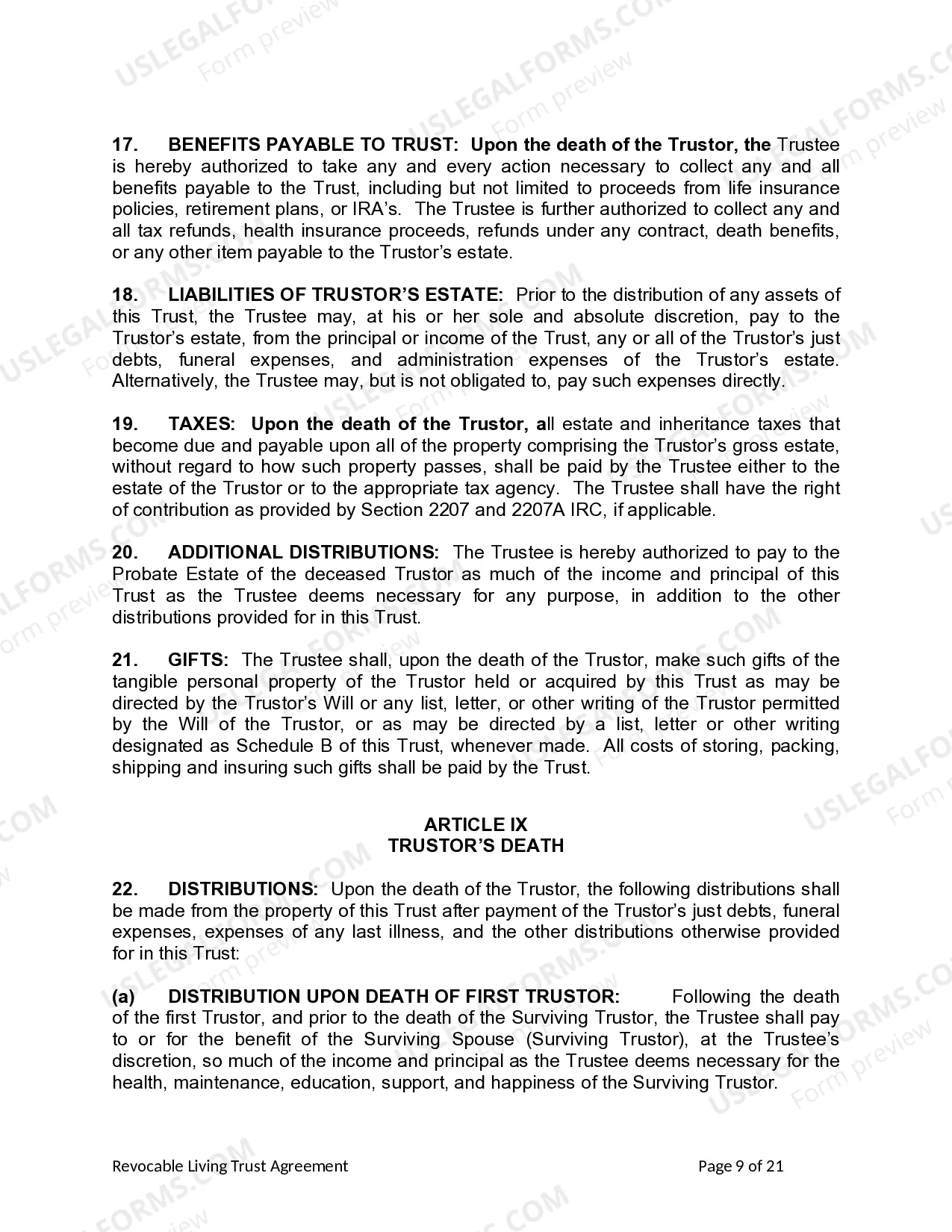
How to fill out Missouri Living Trust For Husband And Wife With Minor And Or Adult Children?
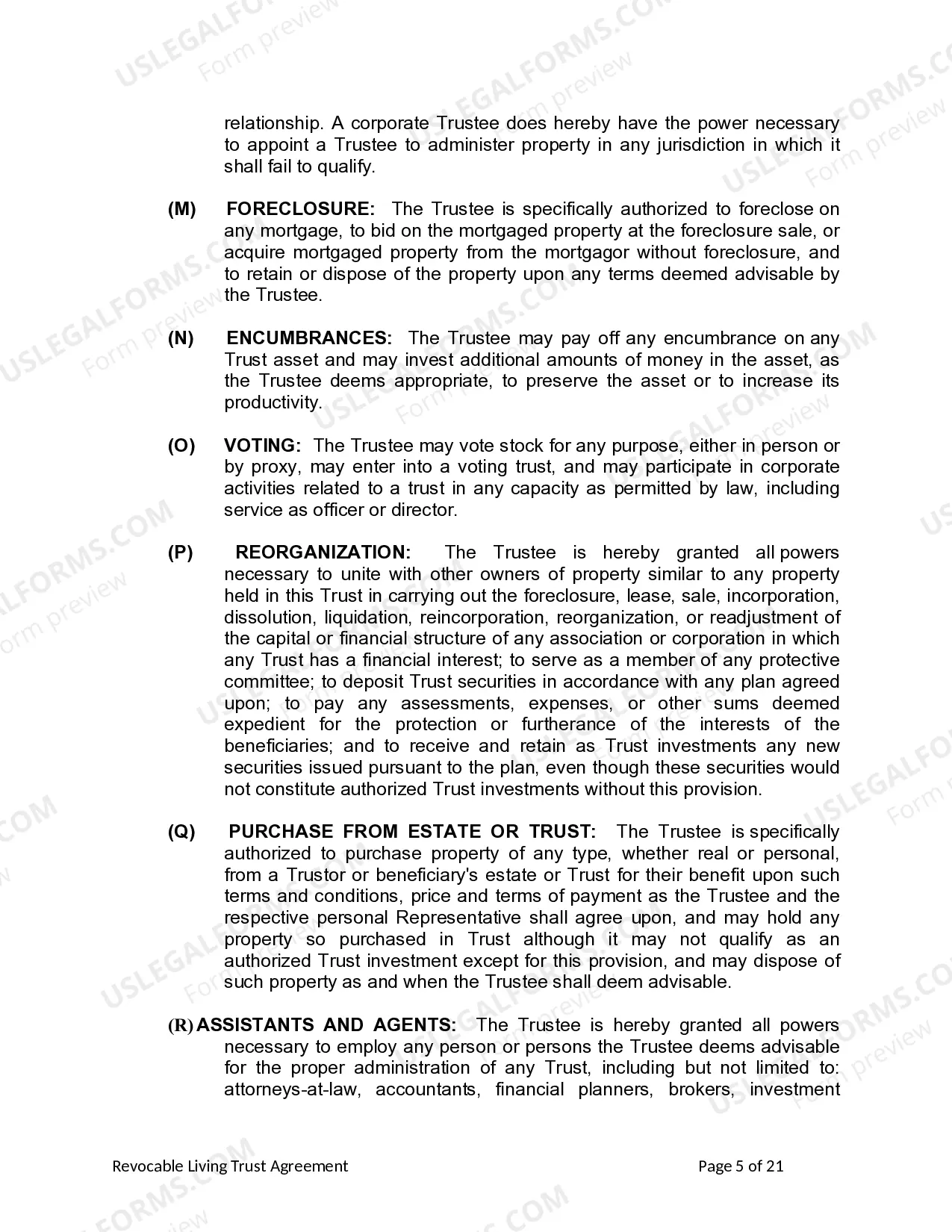
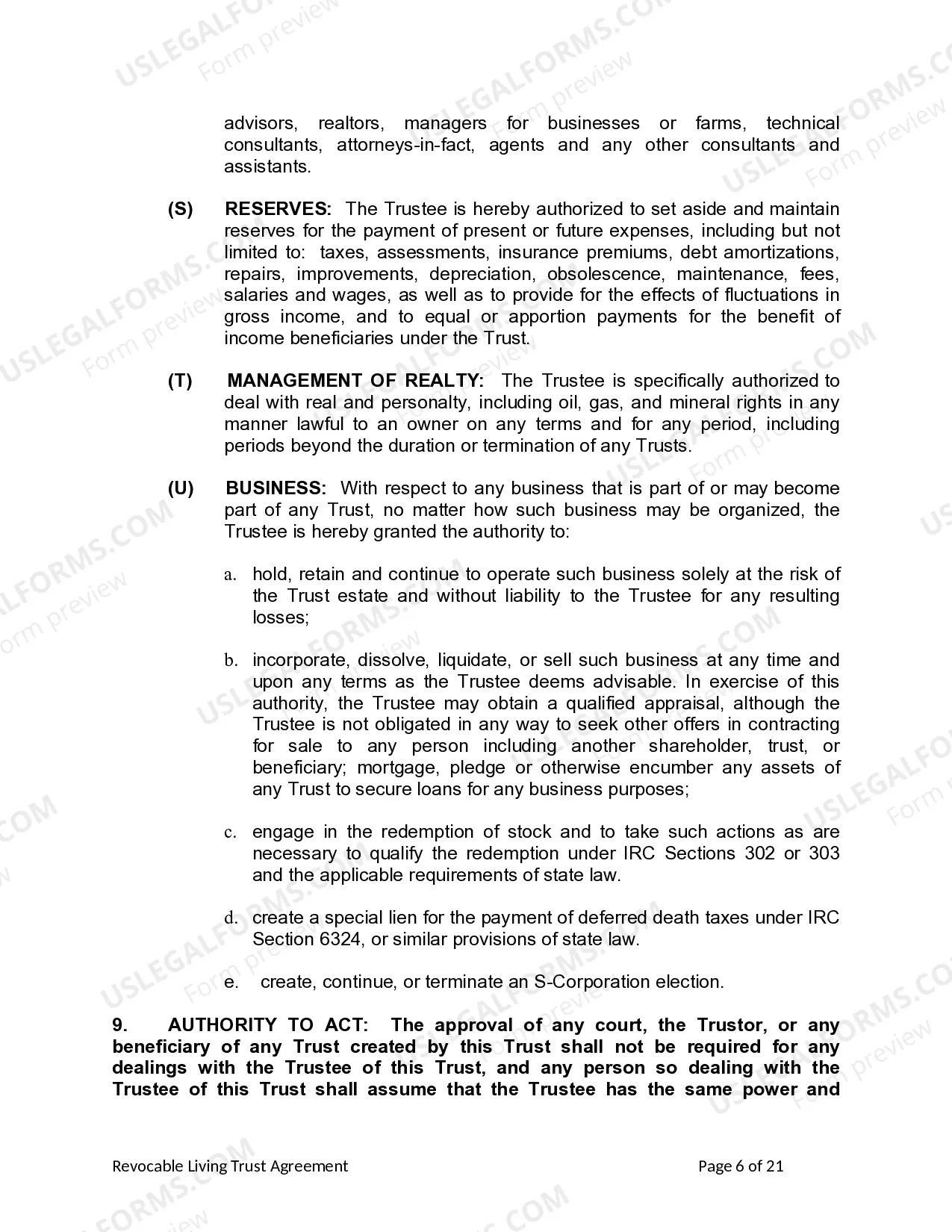
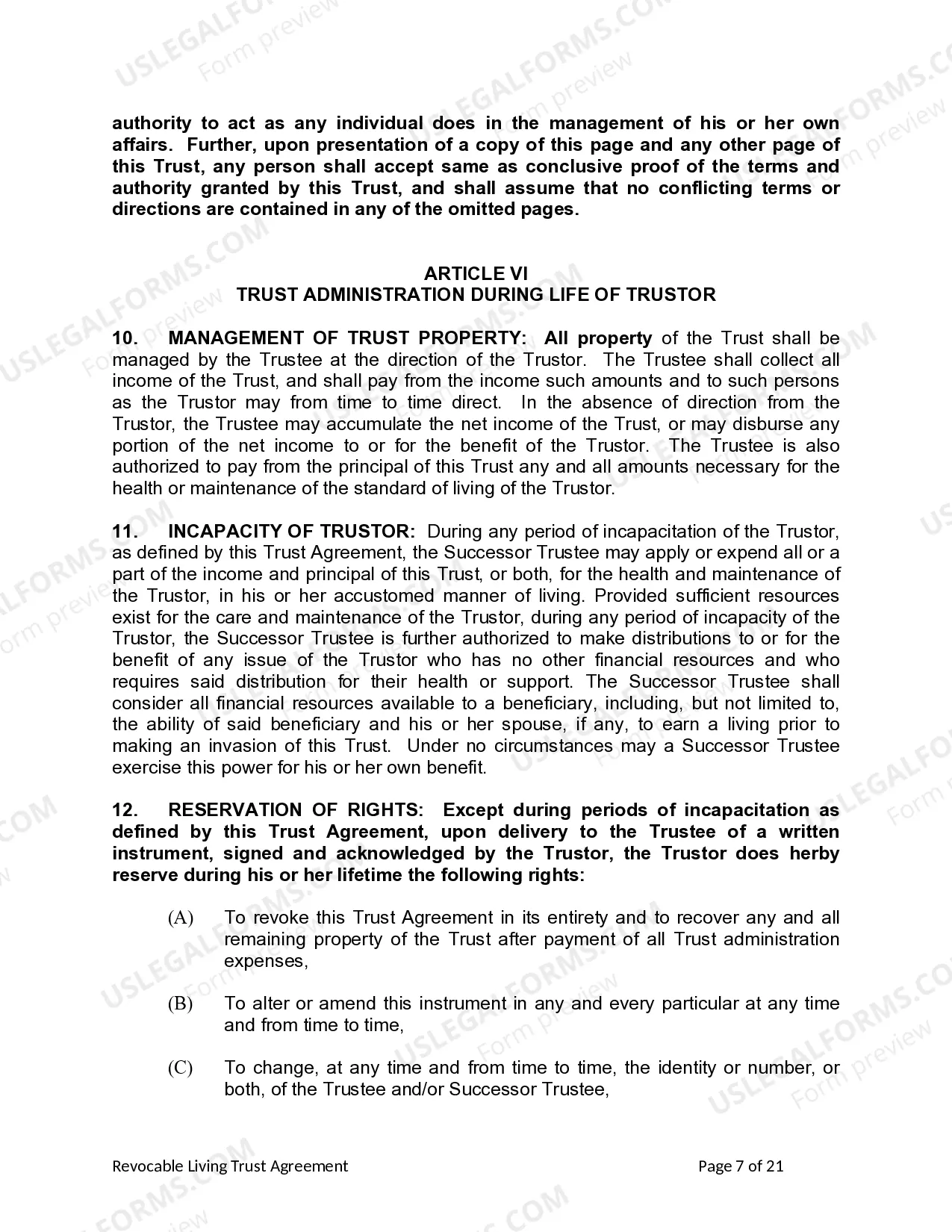
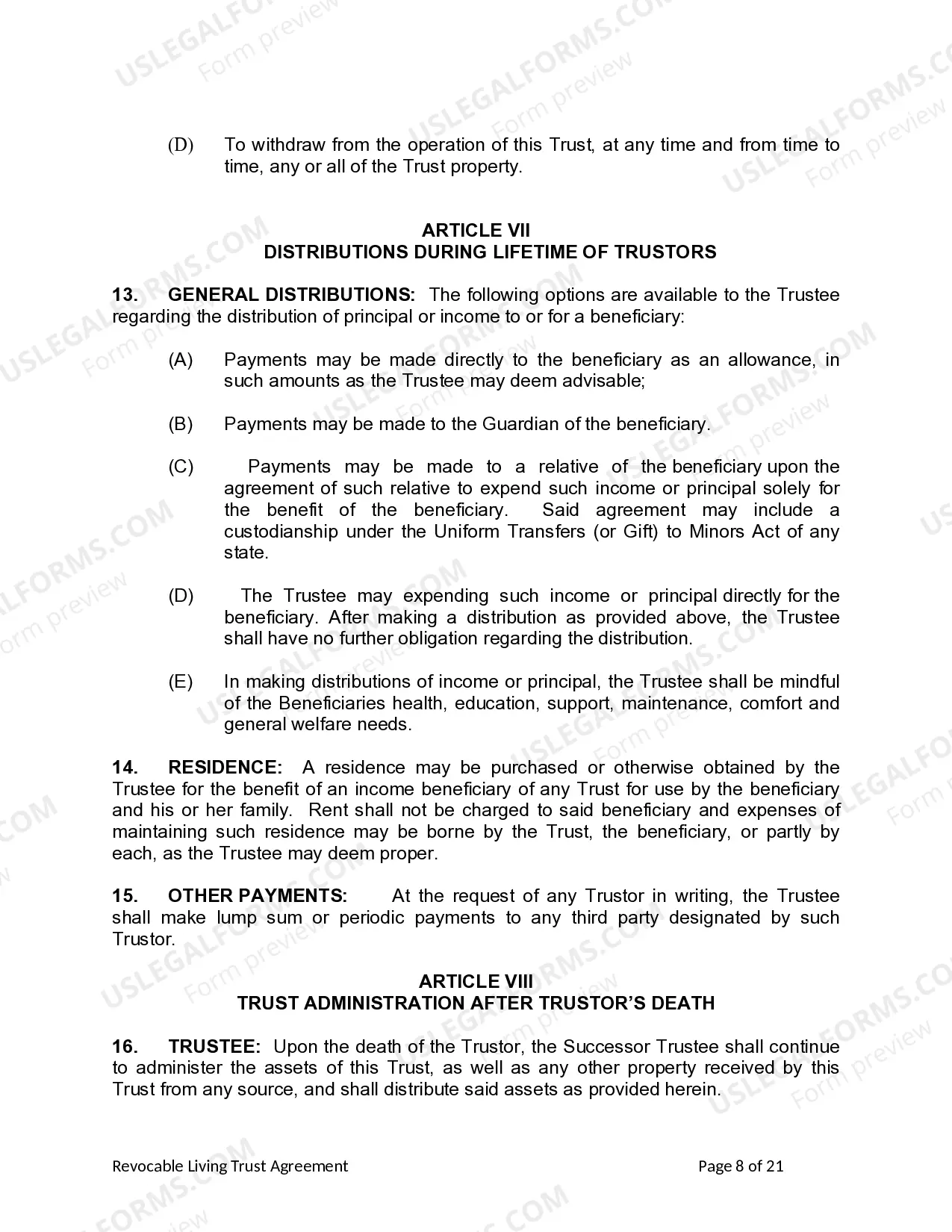
The Trust Fund Attorney Fee you see on this page is a versatile official template created by experienced attorneys in accordance with federal and state laws.
For over 25 years, US Legal Forms has supplied individuals, entities, and legal professionals with more than 85,000 authenticated, state-specific documents for any business and personal event. It’s the quickest, simplest, and most reliable method to acquire the documents you require, as the service ensures bank-level data protection and anti-malware safeguards.
Subscribe to US Legal Forms to have verified legal templates for all of life's situations readily available.
- Search for the document you require and review it.
- Browse through the file you searched and preview it or examine the form description to confirm it meets your requirements. If it doesn’t, use the search bar to find the correct one. Click Buy Now when you have located the template you need.
- Register and Log In.
- Select the pricing plan that fits you and create an account. Use PayPal or a credit card to make a quick payment. If you already possess an account, Log In and check your subscription to proceed.
- Obtain the editable template.
- Choose the format you want for your Trust Fund Attorney Fee (PDF, DOCX, RTF) and download the sample to your device.
- Complete and sign the documents.
- Print the template to fill it out manually. Alternatively, use an online multifunctional PDF editor to quickly and accurately complete and sign your form with a valid signature.
- Download your documents again.
- Utilize the same document again whenever necessary. Access the My documents tab in your profile to redownload any previously saved forms.
Form popularity
FAQ
The average trust fund size can vary significantly, but many fall between $100,000 and $500,000. Factors affecting this amount include the type of assets you place in the trust and your specific financial goals. Understanding the trust fund lawyer cost can help you plan effectively for the establishment and management of your trust. Utilizing platforms like US Legal Forms can provide valuable resources and templates to streamline the process.
The average cost of setting up a trust can vary widely, typically ranging from $1,500 to $3,000, depending on the complexity of your needs. Keep in mind that legal fees are a significant part of the trust fund lawyer cost. You may also encounter additional charges for ongoing management or modifications to the trust. It's essential to consult with a qualified lawyer to get a tailored estimate based on your specific situation.
If you don't have many assets, aren't married, and/or plan on leaving everything to your spouse, a will is perhaps all you need. On the other hand, a good rule of thumb is to consider a revocable living trust if your net worth is at least $100,000.
PRICING. Please note that fees can range between $1000 to $3000 for just a regular plan, and the regular plan includes will planning, using the power of attorney, and anything to do with health care benefits. The fee can be from $3000 to $8,500 if you want a trust plan.
To make a living trust in New York, you: Choose whether to make an individual or shared trust. Decide what property to include in the trust. Choose a successor trustee. Decide who will be the trust's beneficiaries?that is, who will get the trust property. Create the trust document.
Assets that should not be used to fund your living trust include: Qualified retirement accounts ? 401ks, IRAs, 403(b)s, qualified annuities. Health saving accounts (HSAs) Medical saving accounts (MSAs) Uniform Transfers to Minors (UTMAs) Uniform Gifts to Minors (UGMAs) Life insurance. Motor vehicles.
While there's no minimum amount needed to open a trust fund, the benefits should clearly outweigh the costs. That's why trusts are often associated with wealthy individuals, although people with a range of net worths could still use them in many situations.