Trust Account For Investment
Description


Get your form ready online
Our built-in tools help you complete, sign, share, and store your documents in one place.
Make edits, fill in missing information, and update formatting in US Legal Forms—just like you would in MS Word.
Download a copy, print it, send it by email, or mail it via USPS—whatever works best for your next step.
Sign and collect signatures with our SignNow integration. Send to multiple recipients, set reminders, and more. Go Premium to unlock E-Sign.
If this form requires notarization, complete it online through a secure video call—no need to meet a notary in person or wait for an appointment.
We protect your documents and personal data by following strict security and privacy standards.

Make edits, fill in missing information, and update formatting in US Legal Forms—just like you would in MS Word.

Download a copy, print it, send it by email, or mail it via USPS—whatever works best for your next step.

Sign and collect signatures with our SignNow integration. Send to multiple recipients, set reminders, and more. Go Premium to unlock E-Sign.

If this form requires notarization, complete it online through a secure video call—no need to meet a notary in person or wait for an appointment.

We protect your documents and personal data by following strict security and privacy standards.
Looking for another form?








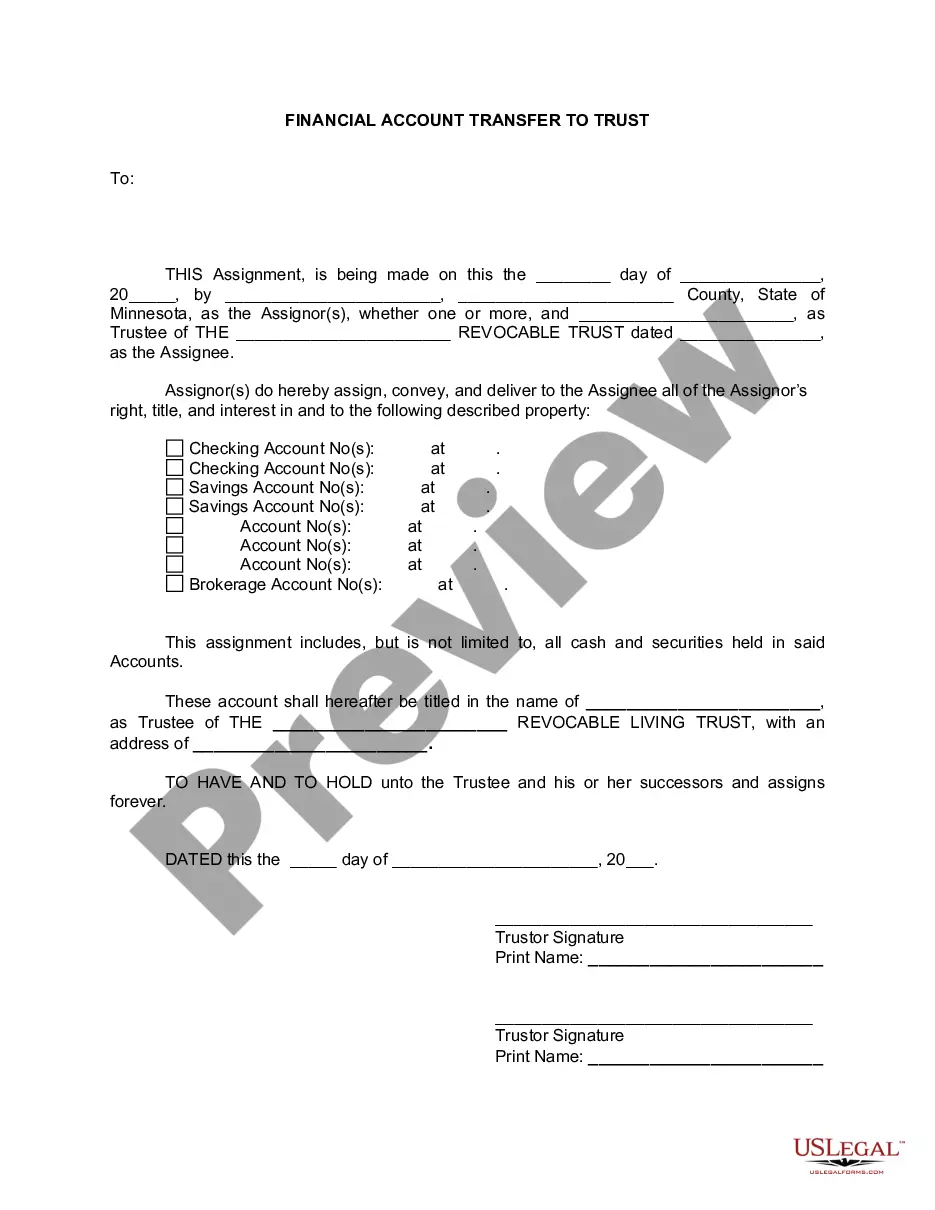
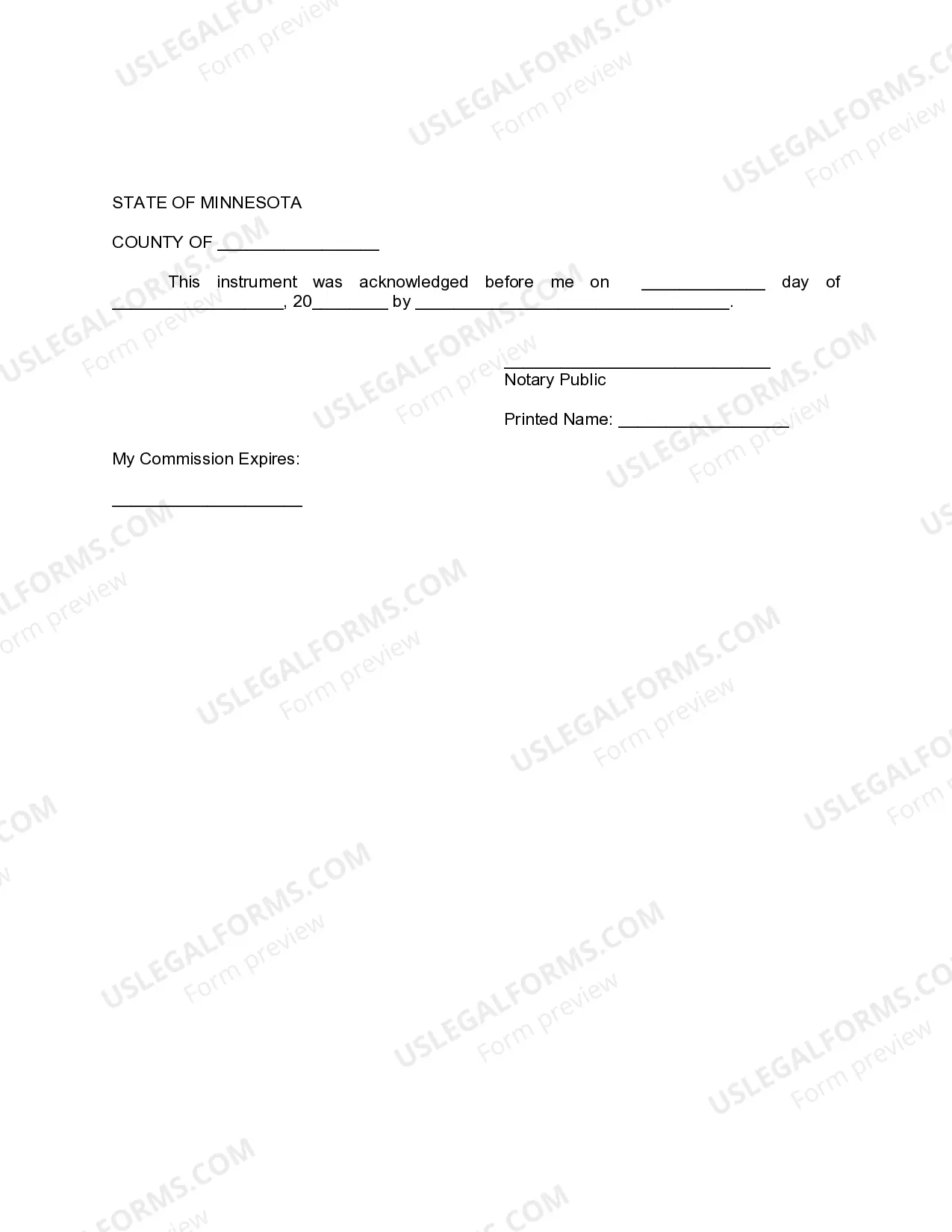
How to fill out Minnesota Financial Account Transfer To Living Trust?
- Visit the US Legal Forms website and log in to your account. If you're a new user, create an account for access.
- Browse the extensive online library and locate the suitable trust account form. Confirm that it meets your jurisdiction requirements.
- If the exact form isn’t available, utilize the Search feature to find the most relevant template.
- Once you've found your form, click the Buy Now button, and select the subscription plan that fits your needs. Make sure to sign up for an account for library access.
- Proceed with the payment by entering your credit card information or using your PayPal account to finalize your purchase.
- After your payment is confirmed, download the form onto your device. You can also find it later under the My Forms section in your profile.
With US Legal Forms, making legal documents accessible and straightforward is their priority. Their robust library houses over 85,000 editable and fillable legal forms, giving you an undeniable advantage.
Start your journey today by signing up for US Legal Forms and empower yourself with the tools needed to manage your investment trust accounts effectively.
Form popularity
FAQ
While trust accounts can be beneficial, they do come with certain downsides. Establishing a trust account for investment may involve costs, such as legal fees and ongoing management fees. Moreover, the complexity of managing a trust can deter some individuals, especially if they are unfamiliar with the intricacies of trust law and investment management.
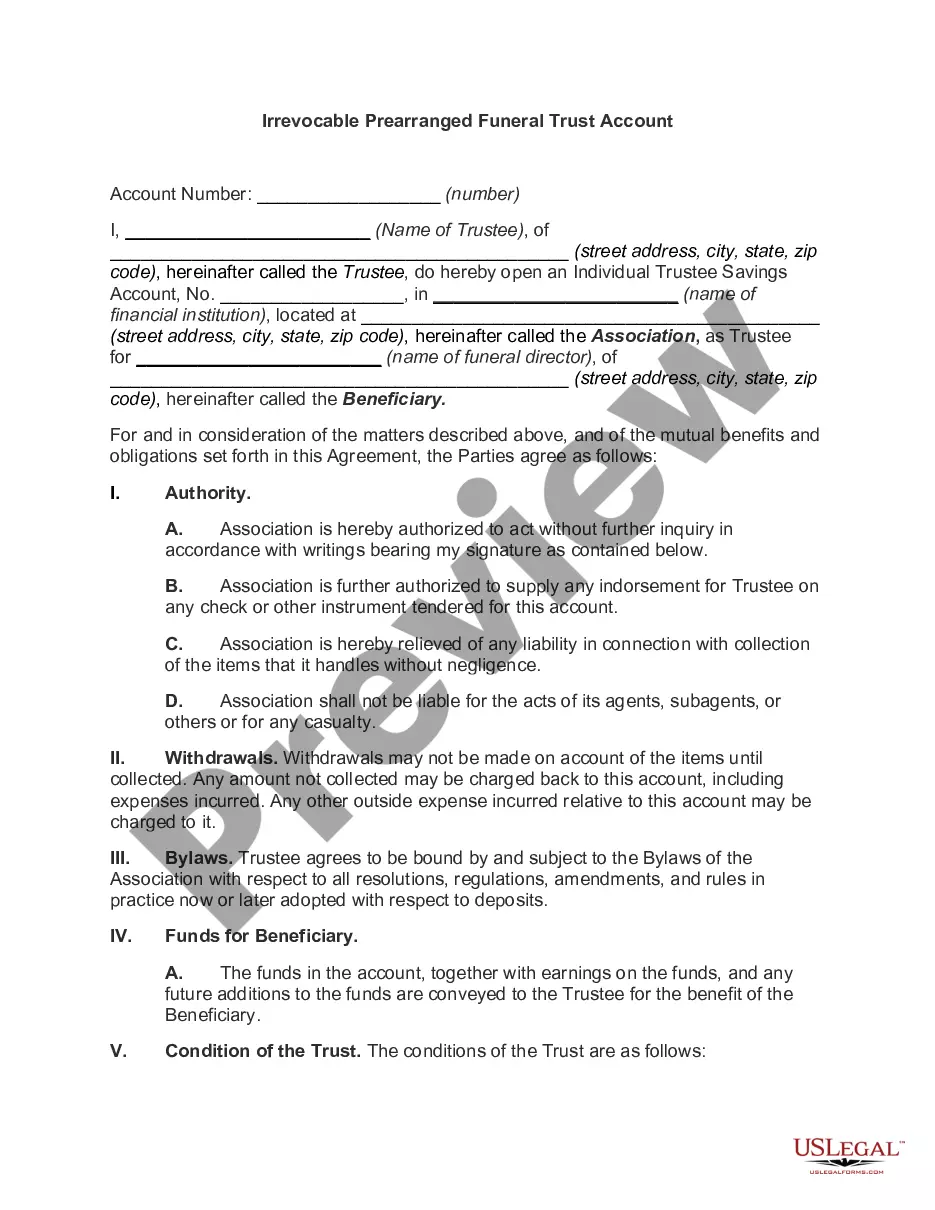
A trust investment account is a financial arrangement where assets are held within a trust and managed by a trustee for the benefit of designated individuals. This type of account can include various investment options, such as stocks, bonds, and real estate. By utilizing a trust account for investment, individuals ensure that their portfolios are aligned with their long-term financial goals and that investments are managed according to their wishes.
Yes, trust accounts can be a prudent choice for many individuals looking to secure their financial future. By using a trust account for investment, you maintain control over how your assets are managed and distributed. Furthermore, these accounts can offer tax benefits, protection from creditors, and tailored investment strategies that fit your unique needs.
The main purpose of a trust account is to hold and manage assets on behalf of beneficiaries according to the terms specified in a trust agreement. This arrangement allows for proper allocation of resources, ensuring that beneficiaries receive financial support as intended. Additionally, a trust account for investment provides a layer of protection and oversight, which can help prevent mismanagement of funds.
A trust account for investment operates by allowing a designated trustee to manage the assets held within it. The trustee invests the funds on behalf of the beneficiaries, ensuring that the investments align with their best interests. This structure provides an effective way to manage and grow assets while adhering to specific guidelines set forth in the trust document.
Whether your parents should place their assets in a trust depends on their individual financial situation and goals. Trusts can provide benefits, such as protecting assets and simplifying estate planning. However, they also come with costs and some restrictions. Advising them to consult with a financial advisor or an attorney can help clarify if a trust account for investment aligns with their needs.
Placing assets in a trust can limit access and control over those assets, which can be seen as a downside. Once assets are transferred, you may relinquish direct management, potentially complicating decisions. Also, depending on the trust type, there may be tax implications or administrative burdens associated with managing the trust account for investment. It's important to weigh these considerations carefully.
Yes, trusts must be reported to the IRS under certain conditions. If a trust earns income, it typically needs to file an annual tax return, resulting in a requirement for a tax ID number. However, not all trusts may be taxable, so it's crucial to consult with a tax professional to determine your obligations. This ensures compliance and can affect your trust account for investment.
A family trust can offer various benefits, but it does come with drawbacks. The main disadvantage is that it can complicate how assets are distributed among family members, sometimes leading to disputes. Additionally, a family trust often incurs initial setup costs and ongoing management fees. Understanding these challenges will help you decide if a family trust is the right choice for your investment goals.
While trusts can be beneficial, there are some potential downsides to consider. Maintaining a trust can involve administrative costs, legal fees, and time spent managing the trust account for investment. Additionally, depending on the type of trust, the assets may be subject to specific tax implications. It’s important to weigh these factors against the advantages of establishing a trust.