Maryland Security Deposit For Rent
Description



Get your form ready online
Our built-in tools help you complete, sign, share, and store your documents in one place.
Make edits, fill in missing information, and update formatting in US Legal Forms—just like you would in MS Word.
Download a copy, print it, send it by email, or mail it via USPS—whatever works best for your next step.
Sign and collect signatures with our SignNow integration. Send to multiple recipients, set reminders, and more. Go Premium to unlock E-Sign.
If this form requires notarization, complete it online through a secure video call—no need to meet a notary in person or wait for an appointment.
We protect your documents and personal data by following strict security and privacy standards.

Make edits, fill in missing information, and update formatting in US Legal Forms—just like you would in MS Word.

Download a copy, print it, send it by email, or mail it via USPS—whatever works best for your next step.

Sign and collect signatures with our SignNow integration. Send to multiple recipients, set reminders, and more. Go Premium to unlock E-Sign.

If this form requires notarization, complete it online through a secure video call—no need to meet a notary in person or wait for an appointment.

We protect your documents and personal data by following strict security and privacy standards.
Looking for another form?







Form popularity
FAQ
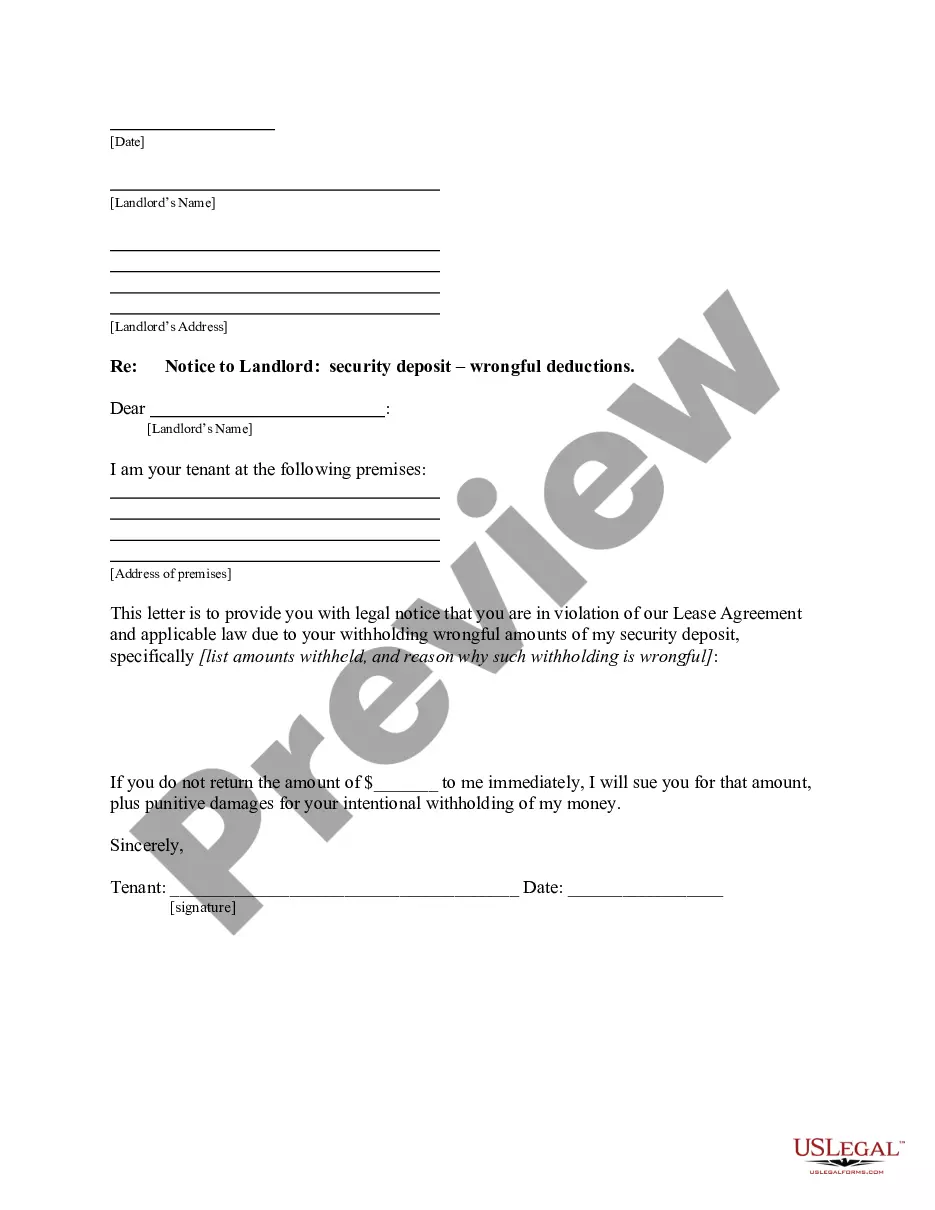
Landlords in Maryland are required to return the security deposit within 45 days after a lease termination. This time frame allows for proper assessment of any damages and necessary deductions. If you feel your Maryland security deposit for rent has been unfairly withheld, you can seek assistance to ensure your rights are protected.
To return a security deposit to a tenant, you can write a check or utilize a secure electronic transfer system. Ensure that you provide a detailed statement explaining any deductions. Following the Maryland law regarding security deposits will help maintain transparency and trust in your landlord-tenant relationship.
Typically, you should expect your security deposit to be returned within 45 days in Maryland. This period allows landlords to evaluate the condition of the property. Prompt communication can expedite the process, so it's beneficial to discuss the return of your Maryland security deposit for rent with your landlord before moving out.
Maryland law states that landlords must return the security deposit to tenants within 45 days after the lease ends. This time frame allows landlords to assess any damages and deduct necessary expenses. Tenants should be aware of this law as it protects their right to get their full Maryland security deposit for rent back, minus any justified deductions.
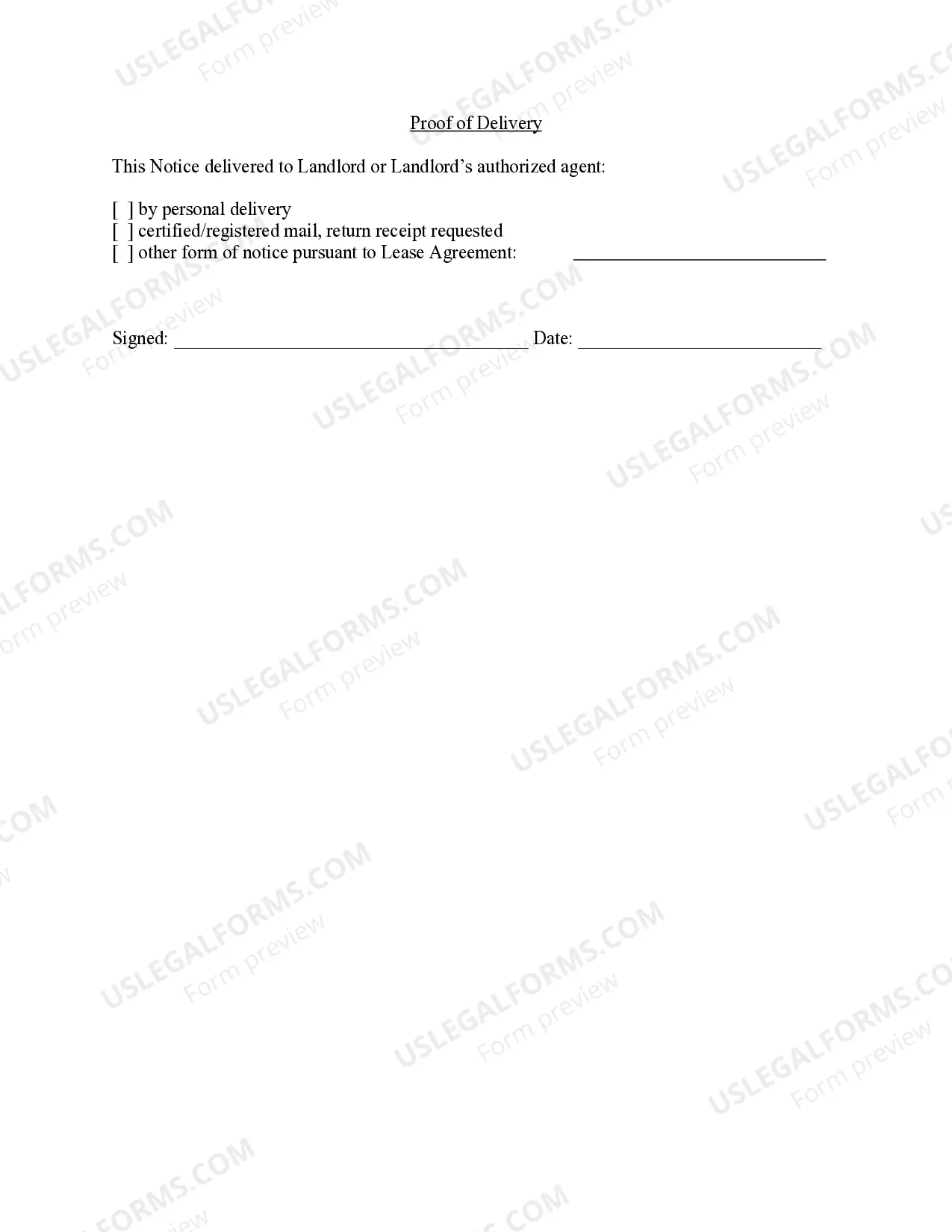
To deposit rent into your landlord's account, you can use various methods such as bank transfer, check, or online payment systems. Ensure that you have the correct account details from your landlord. Always keep a record of your payment, as this can play a critical role if there are disputes regarding your Maryland security deposit for rent.
In Maryland, you typically need to provide written notice to your landlord when ending a lease. The standard notice period is 60 days for month-to-month leases. However, it is wise to check your lease agreement, as it may contain specific terms regarding notice. Understanding the Maryland security deposit for rent can help avoid disputes when moving out.
To write a refund for a security deposit, begin by referencing the original amount received and the reason for the refund. When issuing a refund for a Maryland security deposit for rent, include any deductions taken along with their justification. By clearly documenting this process, you ensure an effective communication line with your tenants and strengthen your professional relationship.
In Maryland, a security deposit can be applied to unpaid rent, but specific laws govern this process. Landlords must provide written notice to tenants detailing any deductions made from the security deposit. It's crucial to understand these regulations when dealing with Maryland security deposits for rent to ensure compliance and avoid legal issues.
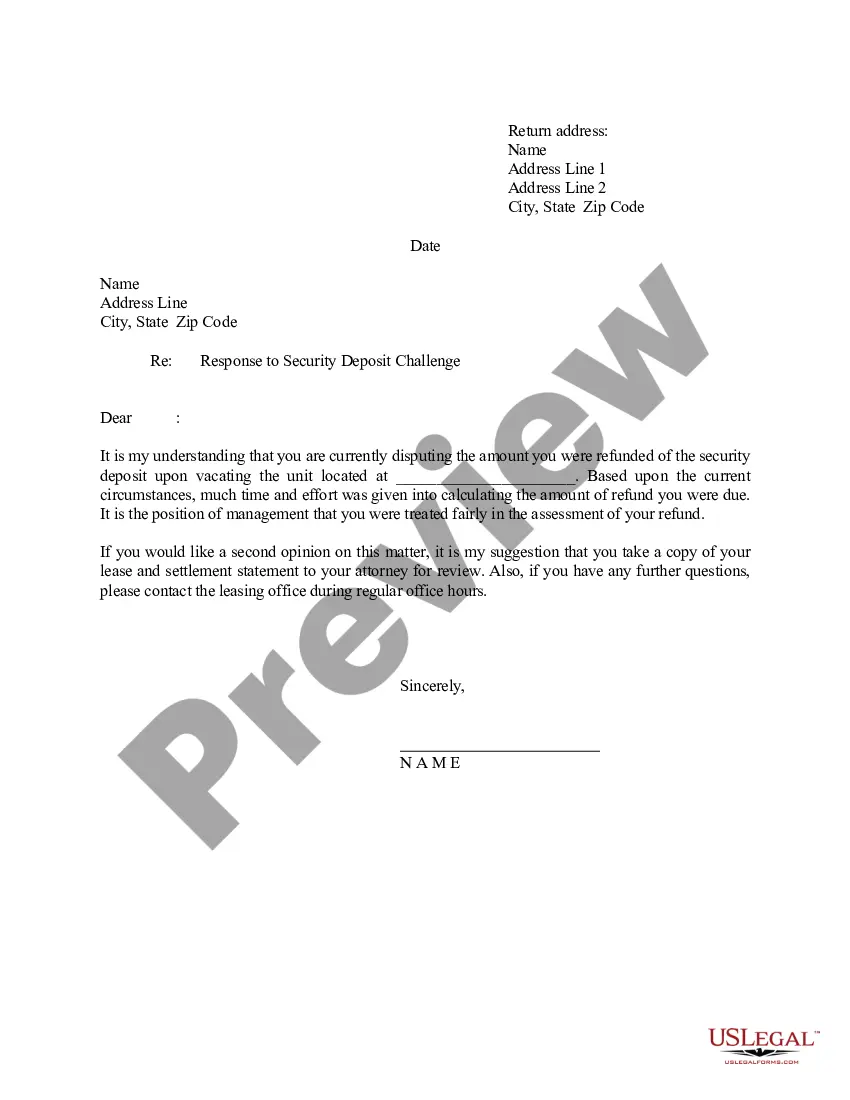
A letter of explanation for a security deposit serves as documentation to clarify the reasons for deductions from the deposit. Such a letter typically includes details about the condition of the rental property and any necessary repairs. When managing a Maryland security deposit for rent, providing this letter can help prevent disputes and keep communication clear.
Deposits, including a Maryland security deposit for rent, typically appear as liabilities on the balance sheet. This is because the landlord holds these funds until the tenancy ends and must return them unless deductions are necessary. As a landlord, it's essential to track these amounts correctly to maintain accurate financial records.
