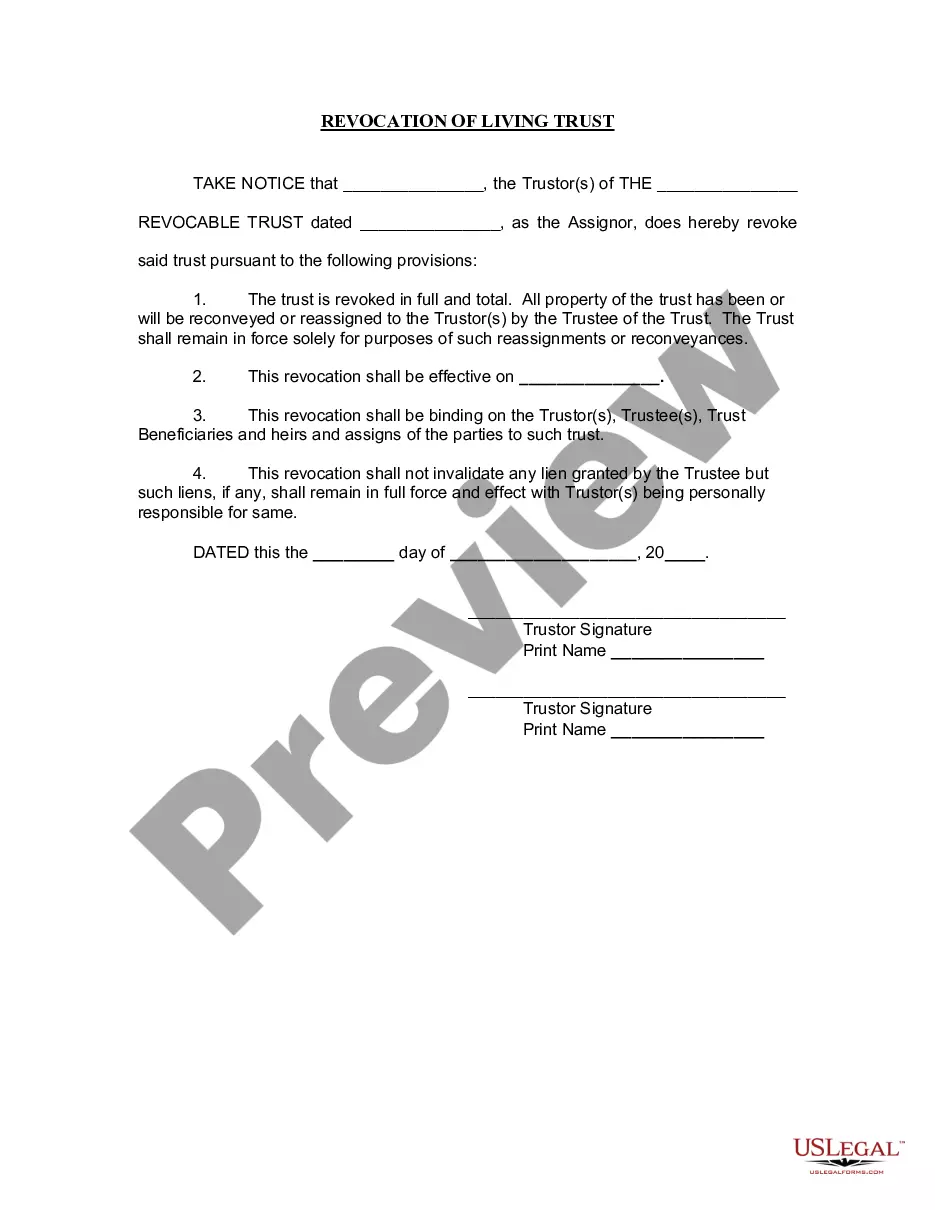
Revocation Living Trust With A Family Member
Description
Get your form ready online
Our built-in tools help you complete, sign, share, and store your documents in one place.
Make edits, fill in missing information, and update formatting in US Legal Forms—just like you would in MS Word.
Download a copy, print it, send it by email, or mail it via USPS—whatever works best for your next step.
Sign and collect signatures with our SignNow integration. Send to multiple recipients, set reminders, and more. Go Premium to unlock E-Sign.
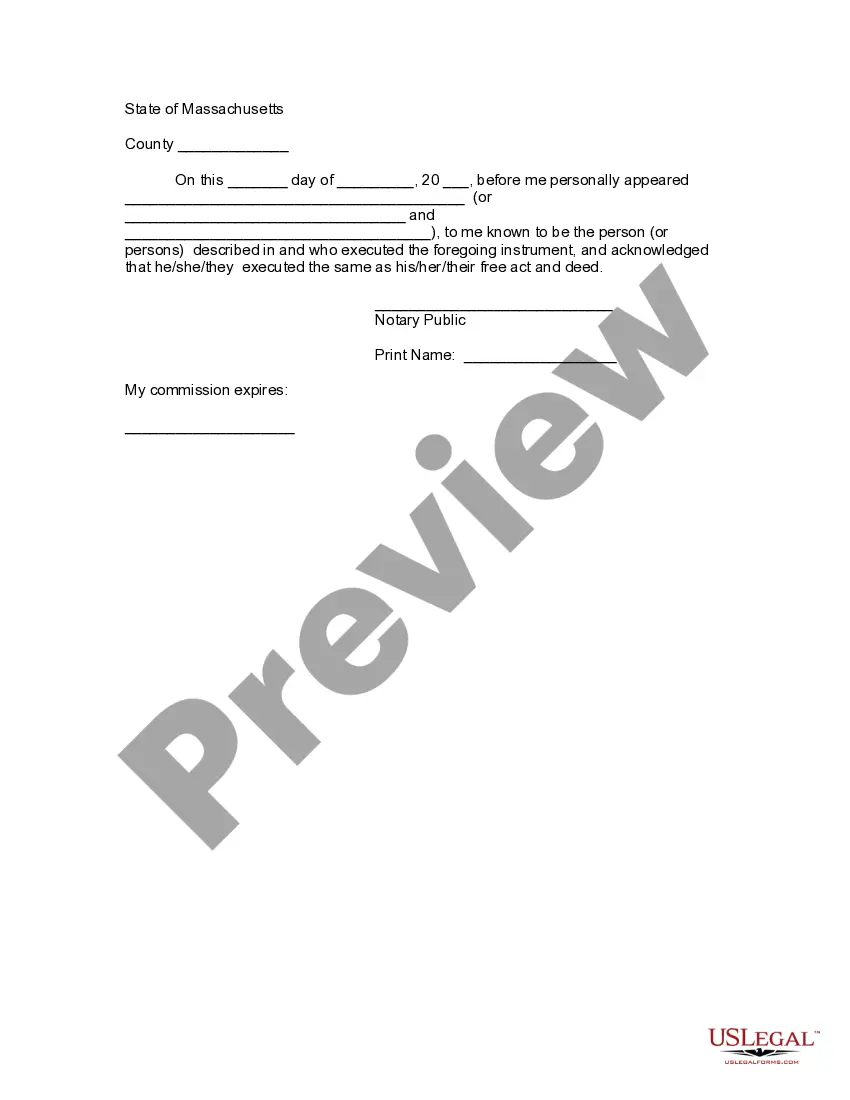
If this form requires notarization, complete it online through a secure video call—no need to meet a notary in person or wait for an appointment.
We protect your documents and personal data by following strict security and privacy standards.

Make edits, fill in missing information, and update formatting in US Legal Forms—just like you would in MS Word.

Download a copy, print it, send it by email, or mail it via USPS—whatever works best for your next step.

Sign and collect signatures with our SignNow integration. Send to multiple recipients, set reminders, and more. Go Premium to unlock E-Sign.

If this form requires notarization, complete it online through a secure video call—no need to meet a notary in person or wait for an appointment.

We protect your documents and personal data by following strict security and privacy standards.
Looking for another form?

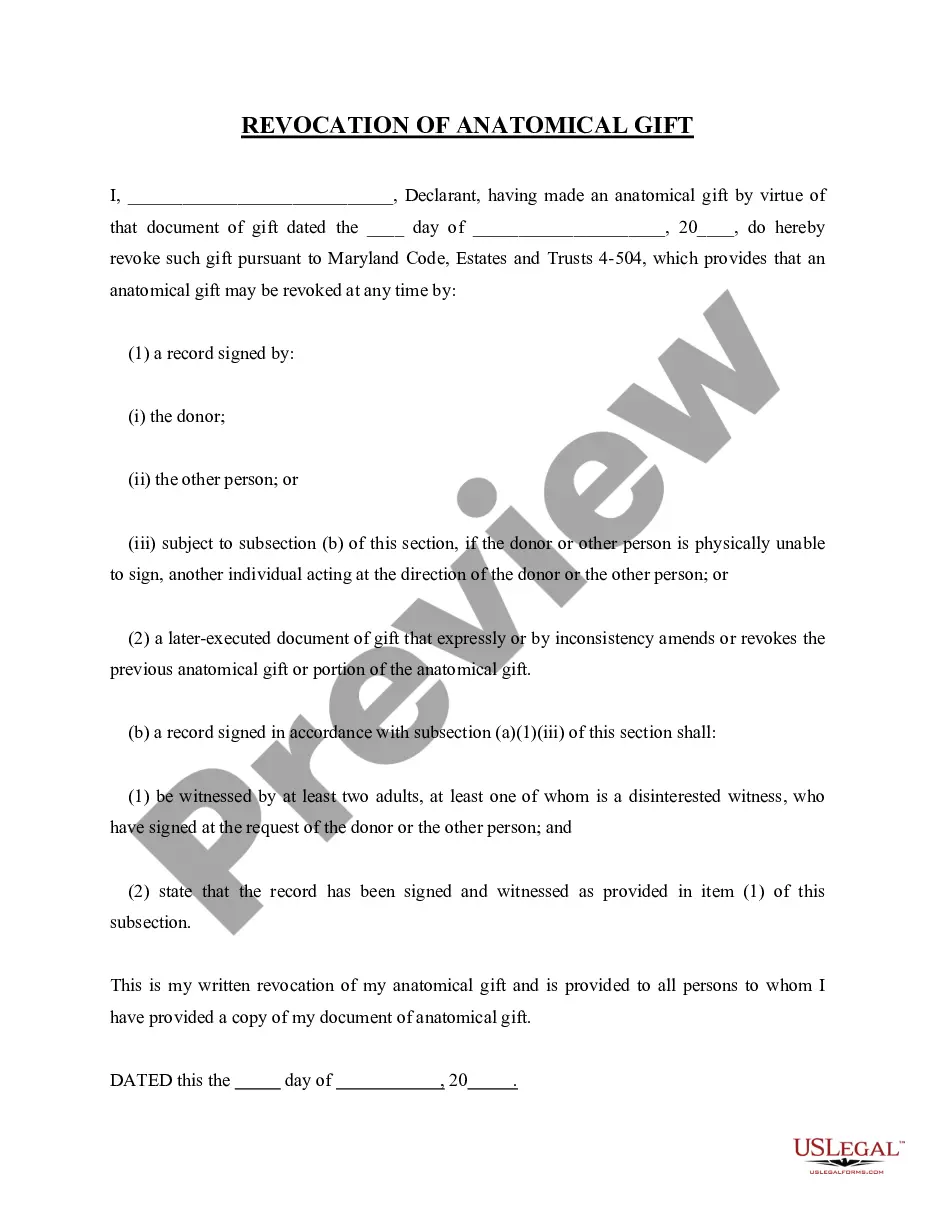

How to fill out Massachusetts Revocation Of Living Trust?
- Log in to your US Legal Forms account. If you're a returning user, ensure your subscription is active. For first-time users, create an account to access the template.
- Search for the 'Revocation of Living Trust' form. Use the preview feature to confirm that it meets your local jurisdiction requirements.
- If necessary, find alternative templates using the search bar to ensure you choose the best option for your situation.
- Purchase the document. Select your preferred subscription plan and register if you haven't done so already.
- Complete your payment using a credit card or PayPal, ensuring a hassle-free transaction.
- Download the template to your device. Access it anytime from the 'My Forms' section of your profile for future reference.
By following these straightforward steps, you can successfully revoke your living trust with a family member, leading to peace of mind. US Legal Forms not only offers a vast collection of legal templates but also provides access to professional assistance for form completion, ensuring your documents are accurate and legally binding.
Don't hesitate to start your legal journey today! Visit US Legal Forms to explore your options.
Form popularity
FAQ
A revocation living trust with a family member should generally be updated every few years or whenever significant life events occur. These events can include marriage, divorce, birth of a child, or major changes in your estate. Regular updates help maintain the trust's relevance and effectiveness in managing your assets. Using platforms like US Legal Forms can simplify this process by providing the necessary tools and templates for trust updates.
Yes, you can amend a revocation living trust with a family member. This flexibility allows you to make changes to beneficiaries or terms as your family's needs evolve. To amend the trust, you typically need to create a formal document that clearly states the changes. By doing so, you ensure that your trust accurately reflects your wishes and circumstances.
Yes, a nursing home can access assets in a revocable trust if you require long-term care and do not have other safeguards in place. However, through careful planning, including a revocation living trust with a family member, you can potentially shield your assets from such claims. It's important to seek legal assistance to ensure that your trust is structured in a way that prioritizes your wishes and asset protection. Doing so can help you maintain your financial security while receiving necessary care.
Assets in a revocable trust typically do not receive full protection from creditors, including nursing homes, as you still control those assets. However, by establishing a revocation living trust with a family member, you can create mechanisms to protect your assets during your lifetime. This trust allows you flexibility while still planning for potential health care needs. Consultation with an experienced attorney can help you set this up correctly.
To prevent a nursing home from taking your assets, consider setting up a revocation living trust with a family member. This trust can help you keep your assets safe from being counted towards your care costs. Additionally, you may wish to explore options like gifting assets to family members or purchasing long-term care insurance, which can provide added protection. Always consult a legal professional for personalized advice tailored to your situation.
A trust can be terminated in several ways, one of which includes establishing a revocation living trust with a family member. Additionally, a trust may be dissolved when its purpose has been fulfilled or through a court order if deemed necessary. It is essential to follow legal protocols to ensure that the trust is closed properly and that the assets are allocated as intended. Utilizing resources like USLegalForms can guide you through this process seamlessly.
To shut down a trust, you typically need to create a revocation living trust with a family member. This involves formally notifying the trustee and the beneficiaries of your intent to terminate the trust. You must also follow legal procedures to ensure the trust assets are distributed according to your wishes. Consulting an attorney can simplify this process and ensure compliance with state laws.
Revoking a revocable trust is often a straightforward process, especially when all required steps are followed. Generally, you will need to create a written revocation declaration and ensure proper notification to all involved parties. This simplicity is beneficial for those managing a revocation living trust with a family member, allowing them to modify their plans with relative ease.
An example of a trust revocation declaration includes a formal document stating your decision to revoke an existing revocable living trust. This declaration should outline the full name of the trust, your name as the trustor, and your signature along with the date. By clearly articulating your intent, you can ensure that a revocation living trust with a family member is accurately documented.
A trust can be terminated in three primary ways: by fulfilling its purpose, by mutual consent of the trustees and beneficiaries, or by revocation. Revocation is particularly relevant for a revocation living trust with a family member, as it allows the trustor the flexibility to alter their estate planning. Each method has specific legal implications and should be considered carefully.