Notice Required For Rent Increase
Description
Get your form ready online
Our built-in tools help you complete, sign, share, and store your documents in one place.
Make edits, fill in missing information, and update formatting in US Legal Forms—just like you would in MS Word.
Download a copy, print it, send it by email, or mail it via USPS—whatever works best for your next step.
Sign and collect signatures with our SignNow integration. Send to multiple recipients, set reminders, and more. Go Premium to unlock E-Sign.
If this form requires notarization, complete it online through a secure video call—no need to meet a notary in person or wait for an appointment.
We protect your documents and personal data by following strict security and privacy standards.

Make edits, fill in missing information, and update formatting in US Legal Forms—just like you would in MS Word.

Download a copy, print it, send it by email, or mail it via USPS—whatever works best for your next step.

Sign and collect signatures with our SignNow integration. Send to multiple recipients, set reminders, and more. Go Premium to unlock E-Sign.

If this form requires notarization, complete it online through a secure video call—no need to meet a notary in person or wait for an appointment.

We protect your documents and personal data by following strict security and privacy standards.
Looking for another form?






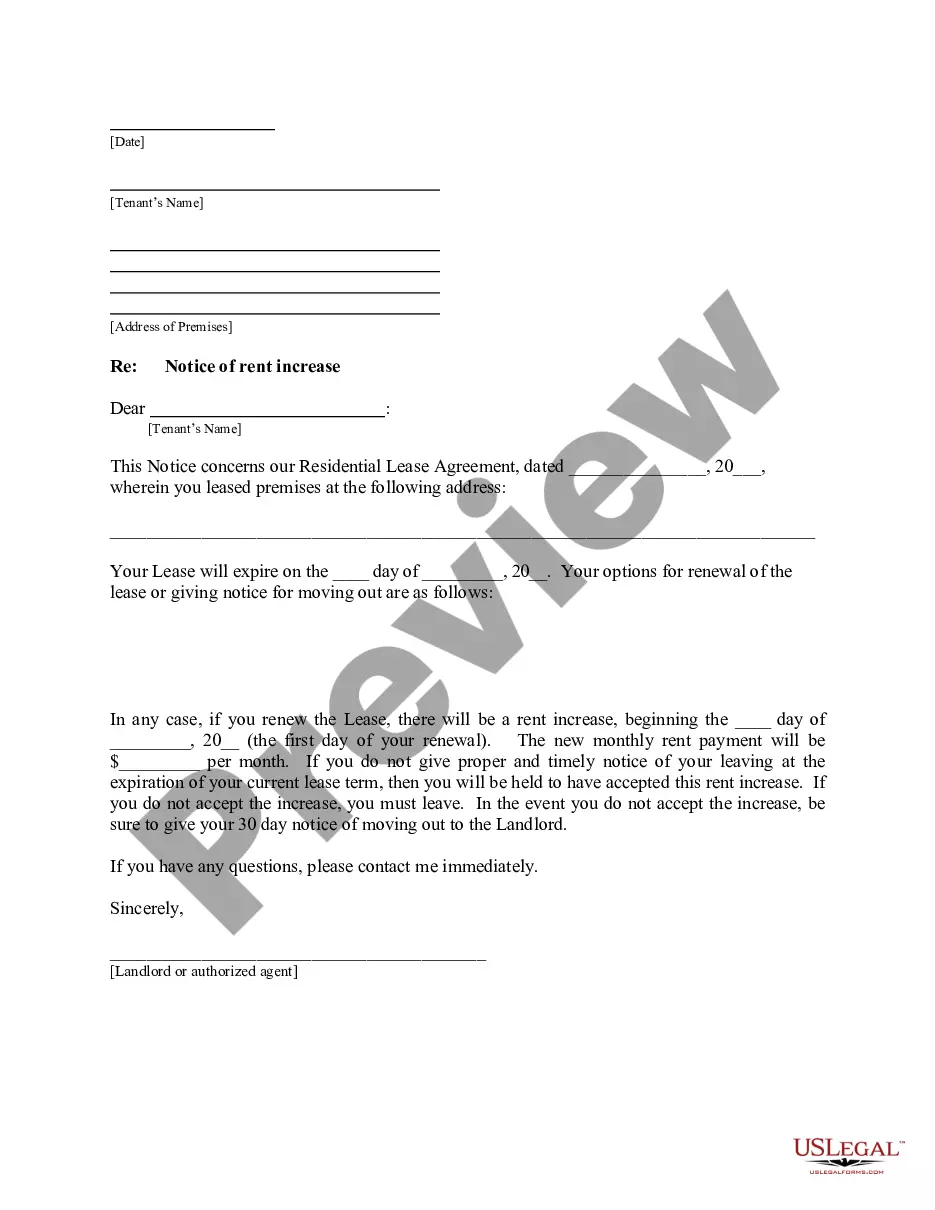
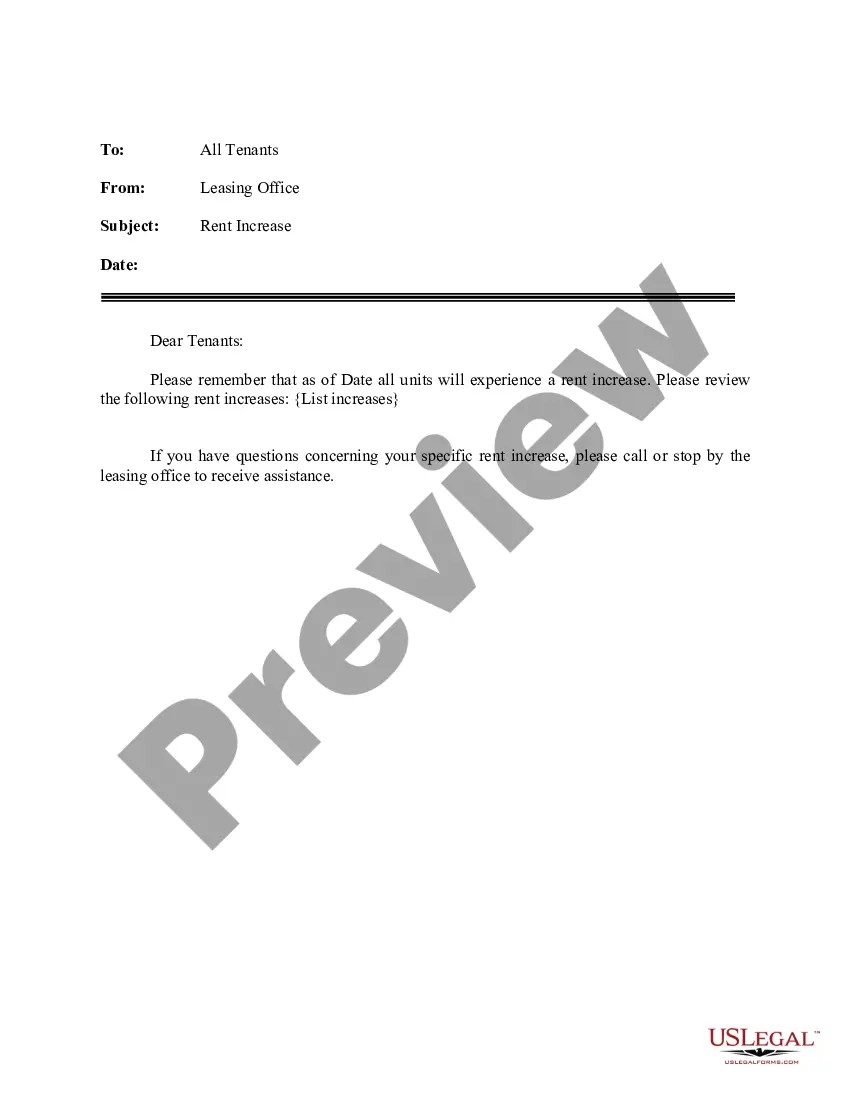
How to fill out Massachusetts Letter From Landlord To Tenant About Intent To Increase Rent And Effective Date Of Rental Increase?
- Log in to your US Legal Forms account if you are a returning user. Ensure your subscription is current; if it’s expired, renew it based on your payment plan.
- For first-time users, start by checking the Preview mode and form descriptions to ensure the document meets your needs and complies with local requirements.
- If you find inconsistencies or need a different document, use the Search tab to locate the correct form that suits your requirements.
- Once you’ve found the right document, click on the Buy Now button and select your preferred subscription plan. You will need to create an account for access to our vast library.
- Proceed to make the purchase by entering your credit card information or PayPal account details to complete the subscription process.
- Finally, download your form and save it on your device. You can always access it later in the My Forms section of your profile.
In conclusion, using US Legal Forms simplifies the process of obtaining the necessary legal documentation for rental increases. With our extensive form collection and expert assistance, you can create legally sound documents quickly and efficiently.
Start your journey today, and ensure you're prepared for every legal requirement!
Form popularity
FAQ
In Texas, the notice required for rent increase typically mandates that landlords provide adequate notice before raising rent. If a landlord attempts to raise rent without the proper notification, tenants can dispute this action. However, some exceptions may apply based on lease agreements. For clarity on your rights, check out US Legal Forms; they offer valuable resources to assist in understanding rental laws.
Not giving the notice required for a rent increase can result in several consequences. For instance, your landlord may retain the right to start legal actions against you for violating lease terms. This situation can lead to financial strain or eviction if not handled properly. To navigate these issues, you might want to utilize US Legal Forms, which can help you with the appropriate documentation.
If you fail to provide the notice required for rent increase, you may face complications with your lease agreement. Your landlord might choose to hold you accountable for the terms outlined in the lease, potentially leading to disputes. It is essential to communicate clearly with your landlord to avoid any misunderstandings. Consider visiting US Legal Forms for guidance on creating your notice to ensure you meet all legal requirements.
Yes, informing your landlord about your intention not to renew your lease is important. Most leases require at least 30 days' notice before the expiration date. By clearly communicating your plans, you respect the notice required for rent increase and maintain a good relationship with your landlord.
In Alabama, there is no statewide limit on how much a landlord can increase rent, but proper notice is required. Generally, landlords must notify tenants of a rent increase at least 30 days in advance. Understanding the notice required for rent increase in your area helps you stay informed and prepared for changes.
If you leave your rental unit without providing notice, you risk losing your security deposit and facing potential legal action. Your landlord may argue that you breached the lease agreement, leading to possible financial repercussions. To avoid this scenario, it is wise to understand the notice required for rent increase and follow through with your obligations.
Moving out before your lease ends can leave you liable for remaining rent payments. Most leases include stipulations regarding early termination; thus, violating these terms may lead to financial penalties. Always check the specific notice required for rent increase and proper move-out procedures in your lease.
Neglecting to inform your landlord about your move can trigger significant issues. Without notice, your landlord might continue to expect rent payments, and you could face legal action for breaching your lease agreement. Adhering to the notice required for rent increase and moving out process is essential to protect yourself.
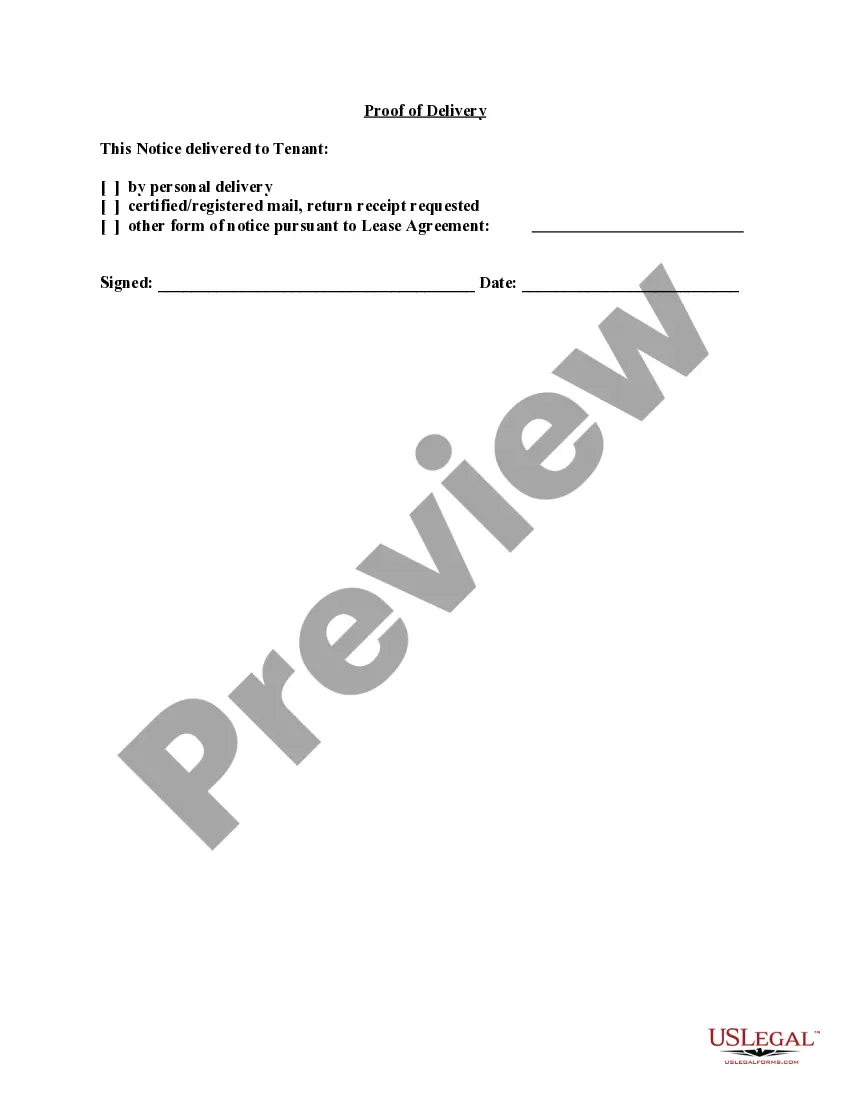
Mailing a rent increase notice is straightforward. Begin by drafting a clear letter that specifies the new rent amount and the effective date. Once completed, send it via certified mail to ensure that your landlord receives it and has proof of delivery, as proper documentation of the notice required for rent increase is crucial.
If you fail to provide a 30-day notice to your landlord, you may face financial consequences. Most lease agreements require a proper notice for rent increases, and not communicating your intention might lead to automatic lease renewals or loss of your security deposit. To avoid complications, always understand the notice required for a rent increase in your state.