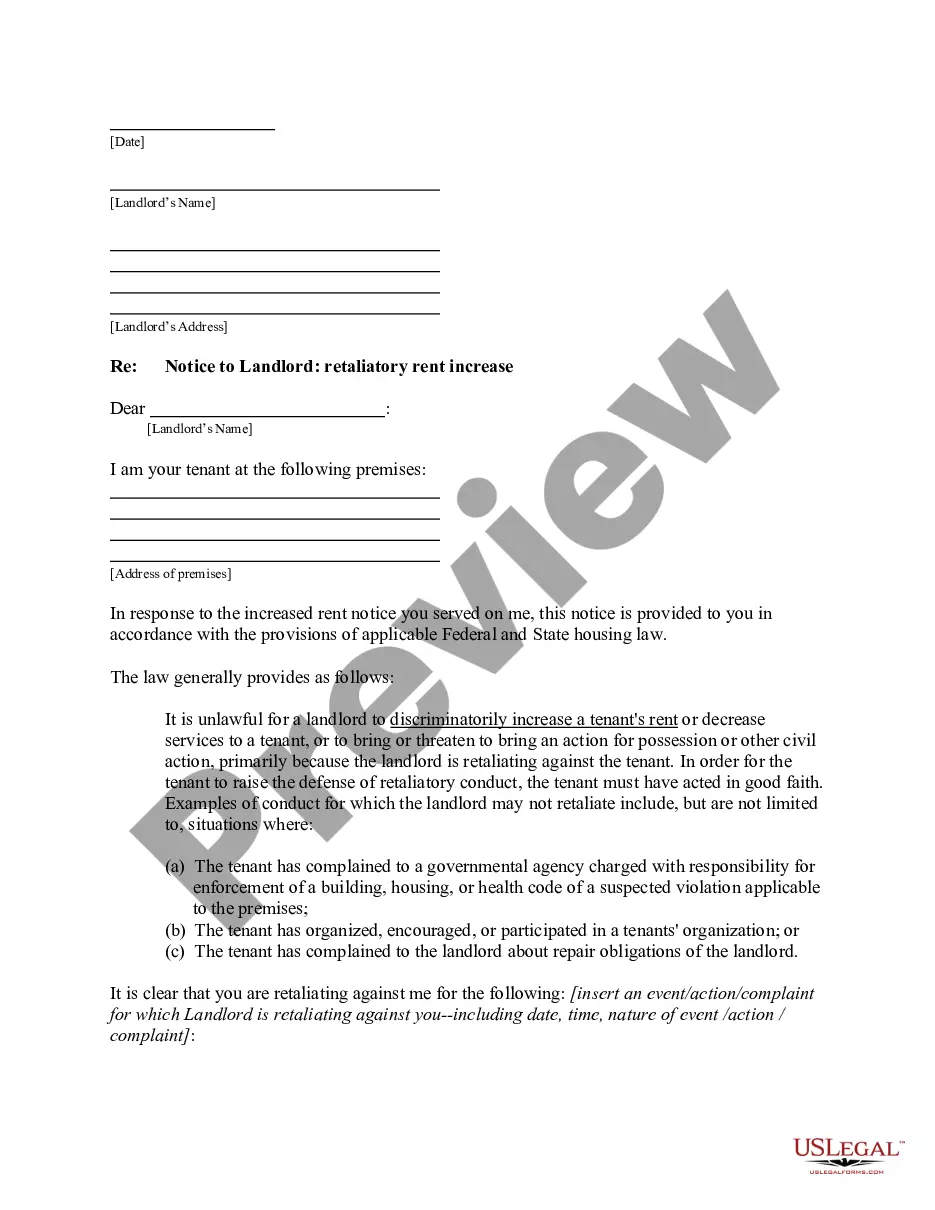
Massachusetts Letter from Landlord to Tenant about Intent to increase rent and effective date of rental increase
What is this form?
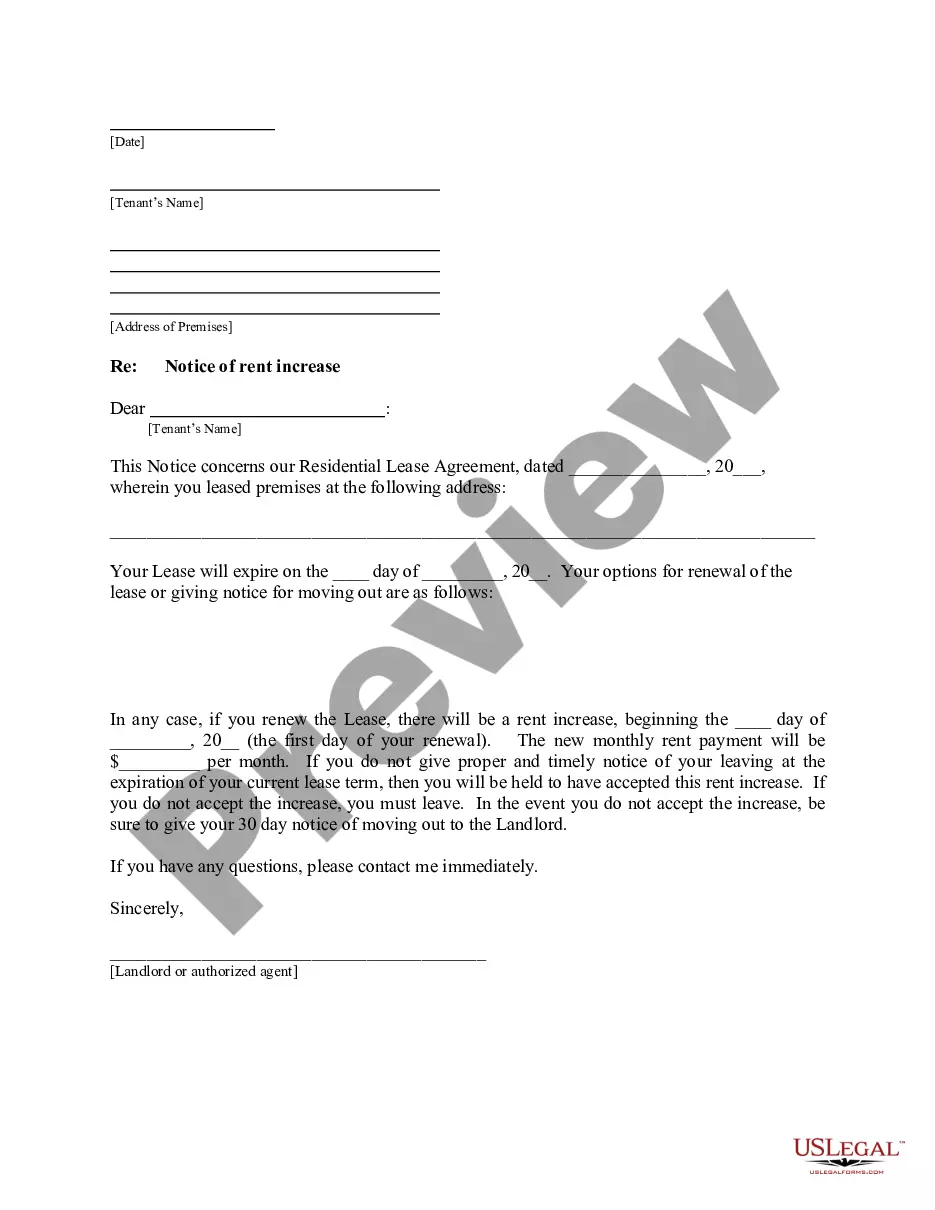
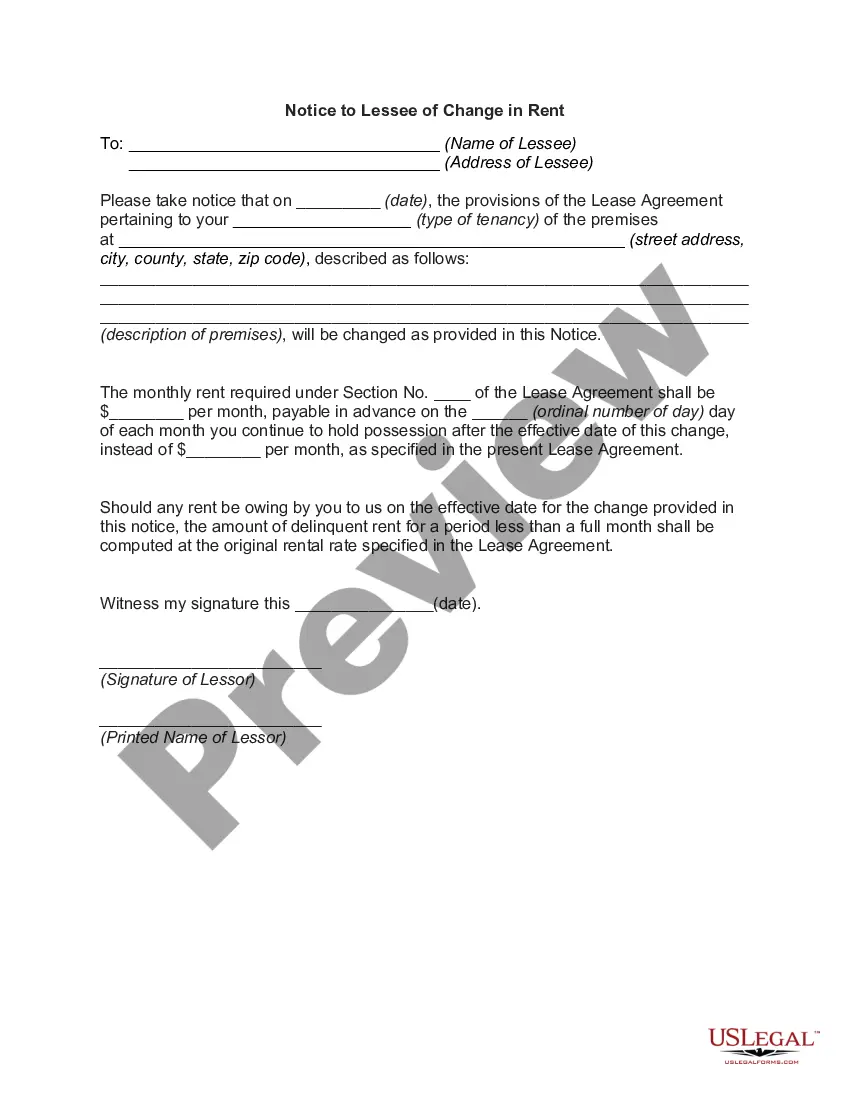
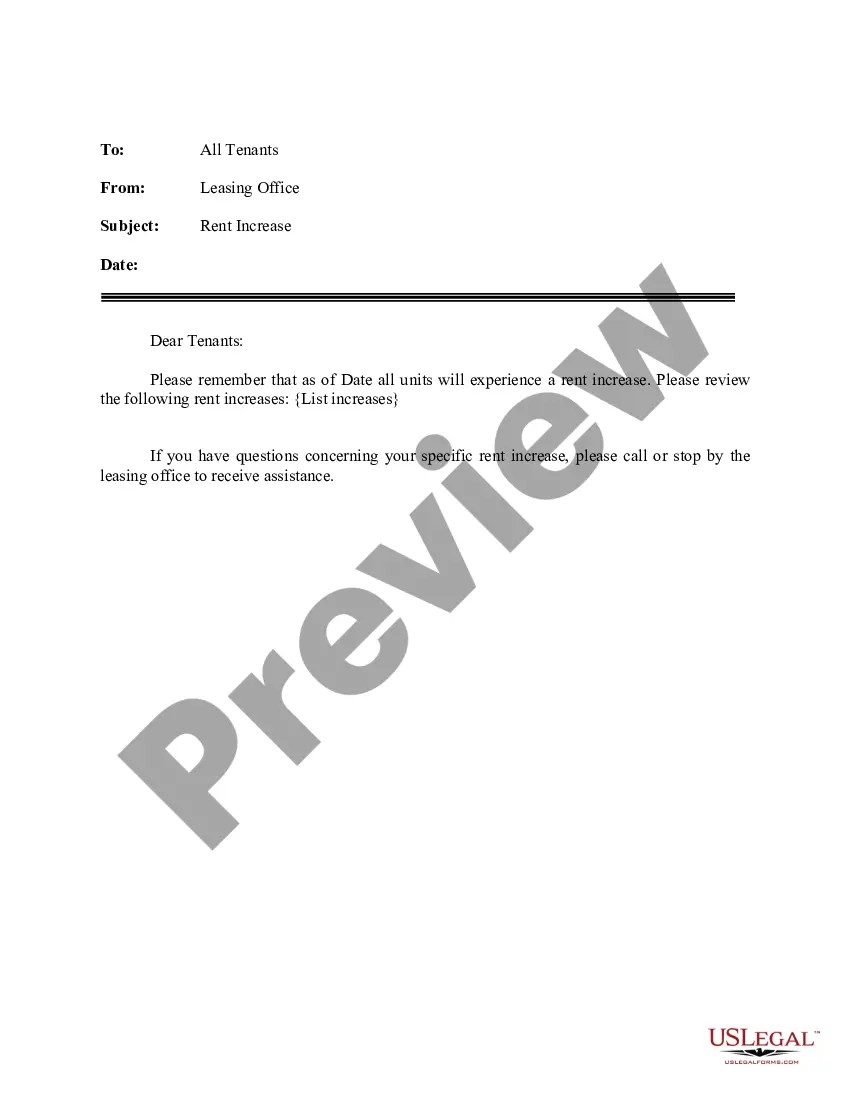
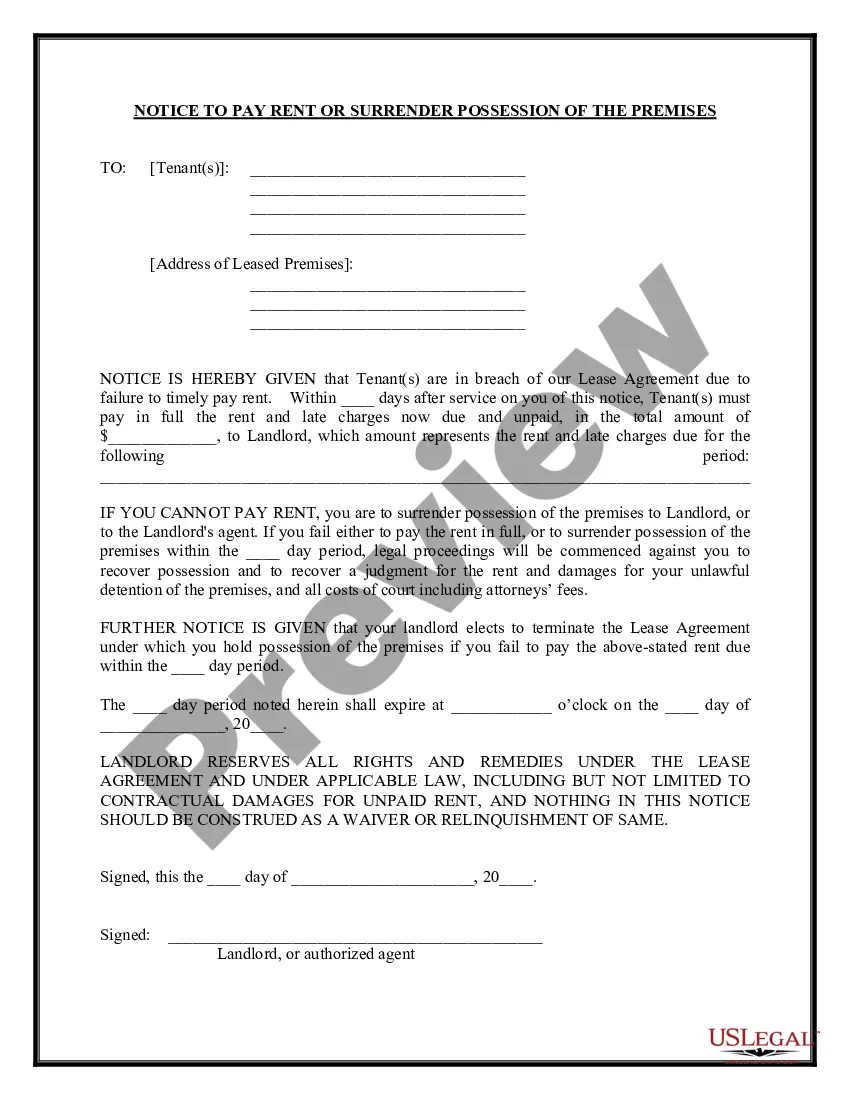
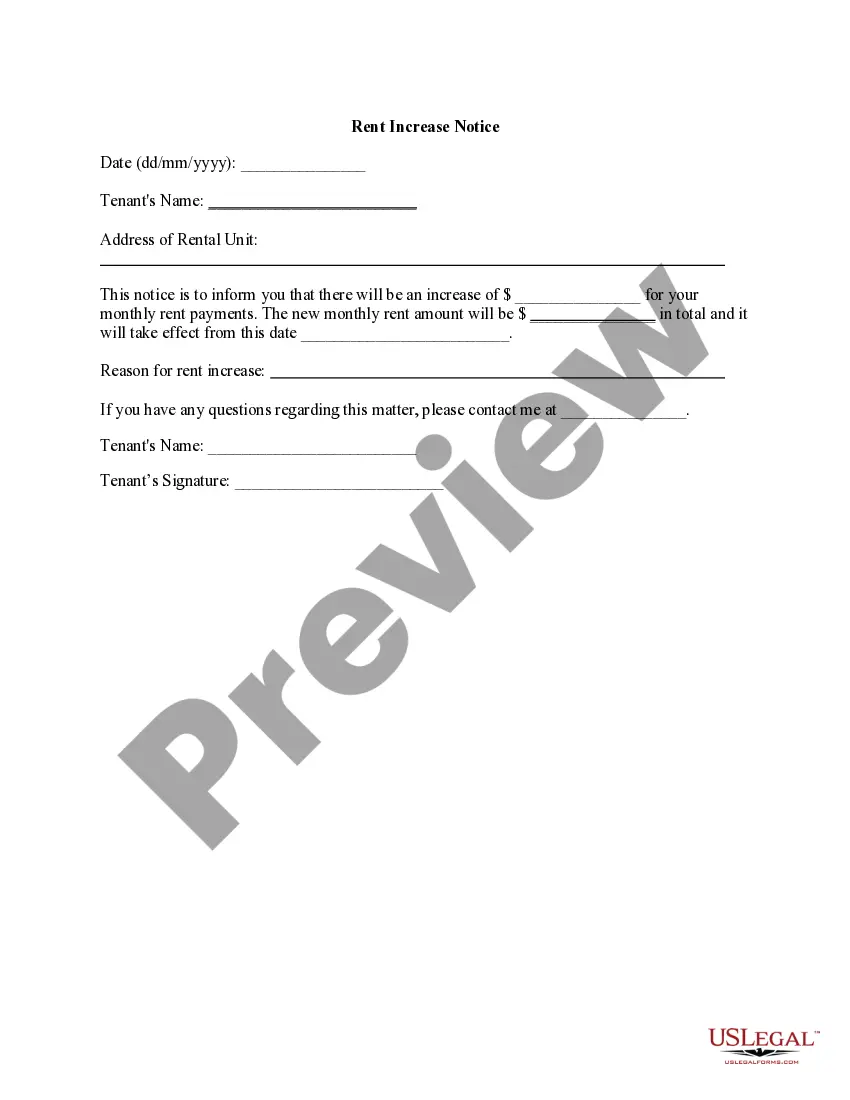
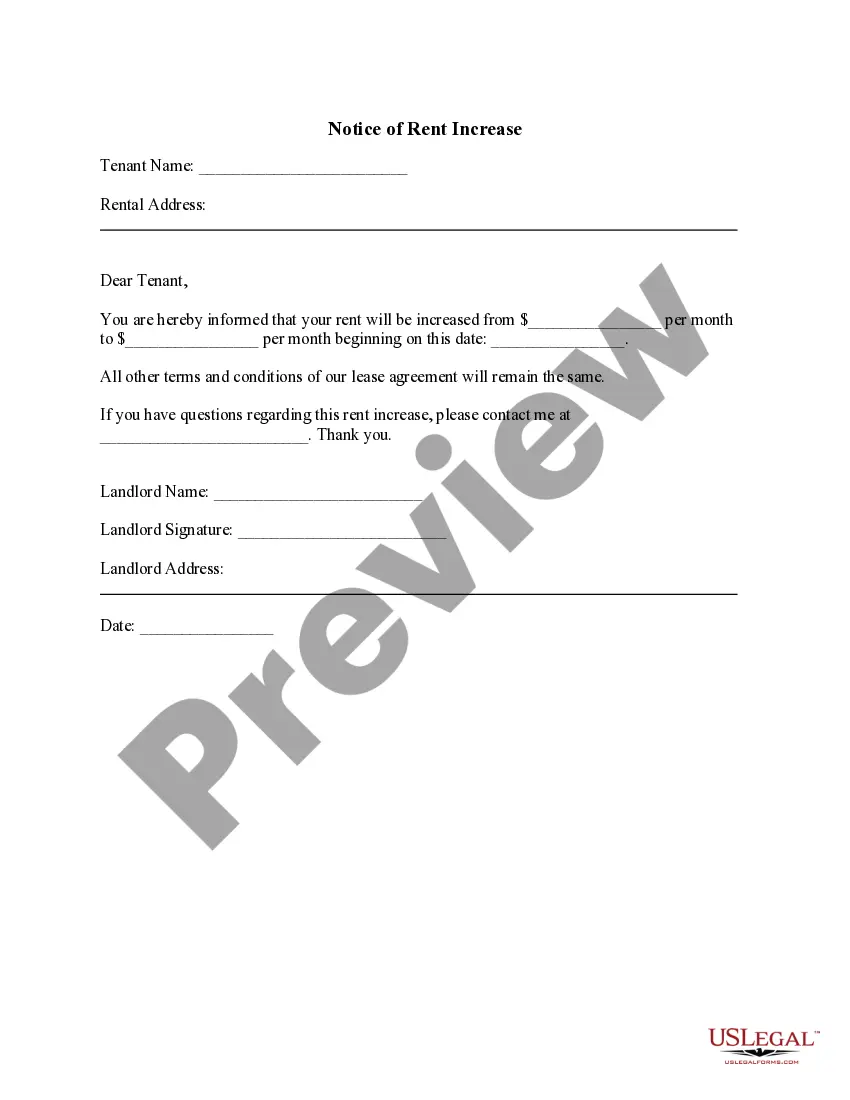
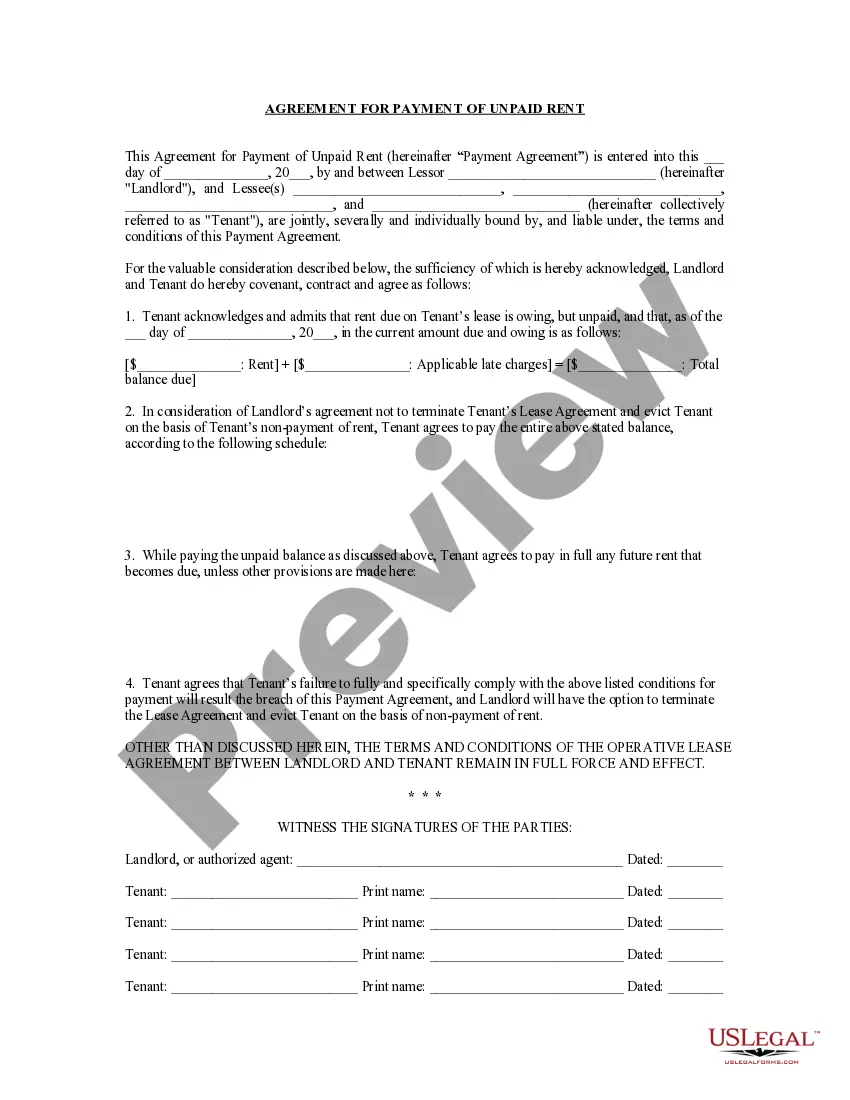
This form is a formal notice from a landlord to a tenant regarding the landlord's intent to increase rent after the expiration of the current lease term. The notice outlines the new rental amount and gives the tenant the option to either continue residing in the property under the new terms or vacate the premises. This document is essential for landlords to ensure compliance with local rental regulations and to communicate clearly with tenants about changes in rental agreements.
Key components of this form
- Property address: Specifies the location of the rental premises.
- Lease expiration date: Indicates when the current lease will end.
- New rent amount: Details the proposed increase in rent.
- Options for the tenant: Outlines whether the tenant can renew the lease or must move out.
- Landlord's contact information: Provides details for the tenant to ask questions or seek clarifications.
Common use cases
This form should be used whenever a landlord intends to increase rent after the current lease term ends. It effectively communicates the intent to the tenant, ensuring they are aware of their options regarding the renewal of their lease or the requirement to vacate the premises. Using this form helps to maintain a clear line of communication and prevents potential misunderstandings between the landlord and tenant.
Who can use this document
- Landlords wishing to notify their tenants of an upcoming rent increase.
- Property management companies responsible for handling lease agreements.
- Individuals renting residential property who need to formalize communication regarding changes in rent.
Completing this form step by step
- Identify the parties involved, including the landlord and tenant names.
- Specify the property address clearly.
- Enter the date the lease was executed and the lease expiration date.
- Clearly state the new rent amount and the effective date for this increase.
- Sign and date the notice to validate it before delivery.
Notarization guidance
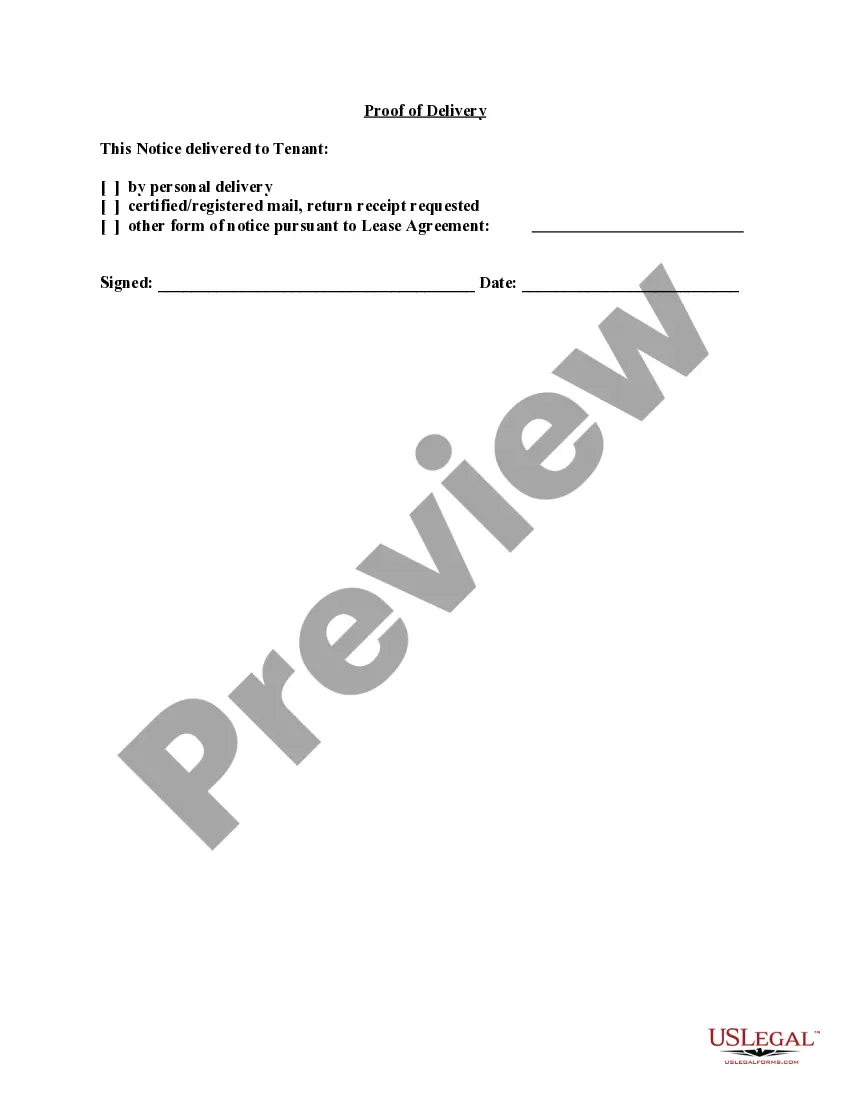
Notarization is generally not required for this form. However, certain states or situations might demand it. You can complete notarization online through US Legal Forms, powered by Notarize, using a verified video call available anytime.
Get your form ready online
Our built-in tools help you complete, sign, share, and store your documents in one place.
Make edits, fill in missing information, and update formatting in US Legal Forms—just like you would in MS Word.
Download a copy, print it, send it by email, or mail it via USPS—whatever works best for your next step.
Sign and collect signatures with our SignNow integration. Send to multiple recipients, set reminders, and more. Go Premium to unlock E-Sign.
If this form requires notarization, complete it online through a secure video call—no need to meet a notary in person or wait for an appointment.
We protect your documents and personal data by following strict security and privacy standards.

Make edits, fill in missing information, and update formatting in US Legal Forms—just like you would in MS Word.

Download a copy, print it, send it by email, or mail it via USPS—whatever works best for your next step.

Sign and collect signatures with our SignNow integration. Send to multiple recipients, set reminders, and more. Go Premium to unlock E-Sign.

If this form requires notarization, complete it online through a secure video call—no need to meet a notary in person or wait for an appointment.

We protect your documents and personal data by following strict security and privacy standards.
Common mistakes
- Failing to provide the required notice period as mandated by state law.
- Not signing or dating the notice, which can invalidate it.
- Forgetting to include the new rent amount clearly in the document.
- Using unclear language, which may lead to misunderstandings about the terms and options available.
Why complete this form online
- Instant access to professionally drafted legal forms at any time.
- The ability to easily edit the document to fit your specific needs.
- A clear format that reduces ambiguity and ensures compliance with legal standards.
- Conveniently download and print the completed notice for delivery to your tenant.
Looking for another form?
Form popularity
FAQ
Tenant's name. Property address. Landlord's name and contact info. Date the letter was written. Date the rent increase will take effect. Rent increase amount. Current rental amount. Date the new rent will be due.
Rent Increases: There is no legal limit to the amount of rent a landlord can charge. However, in order for the rent increase to be valid, the landlord must provide the tenant proper notice of the raise in rent and the tenant must agree to it (signs the lease with the new monthly rent).
The name of your tenant. The date. The property address. The lease expiration date. The date the rent increase will take effect. The amount of the increase. The current rental amount. Date the new rent will be due.
Remember you're a business. Do your research. Raise the rent all at once or incrementally. Don't negotiate or ask tenants what they think a fair rent increase would be. Be courteous and firm. Find a template you like. Send a formal letter by certified mail. Give the tenant notice.
Tenant's name. Property address. Landlord name and contact information. Date the letter is written. Date the rent increase will take effect. Amount of rent increase. Current cost of rent.
The full names of both landlord and tenant. The type of property you are leasing. The location of the property. The type of tenancy (fixed term or periodic) Details about the rent (current rent vs. new rent and effective dates) Details about the lease (start date and signing date)
In most states, a landlord must give tenants notice at least 30 days before they'll enforce a rent increase. However, in other states like California, the notice can increase to 60 days' notice if the increase is more than 10% of the current rent rate.
A typical rent increase is around 3-5% annually.