Rent Laws
Description

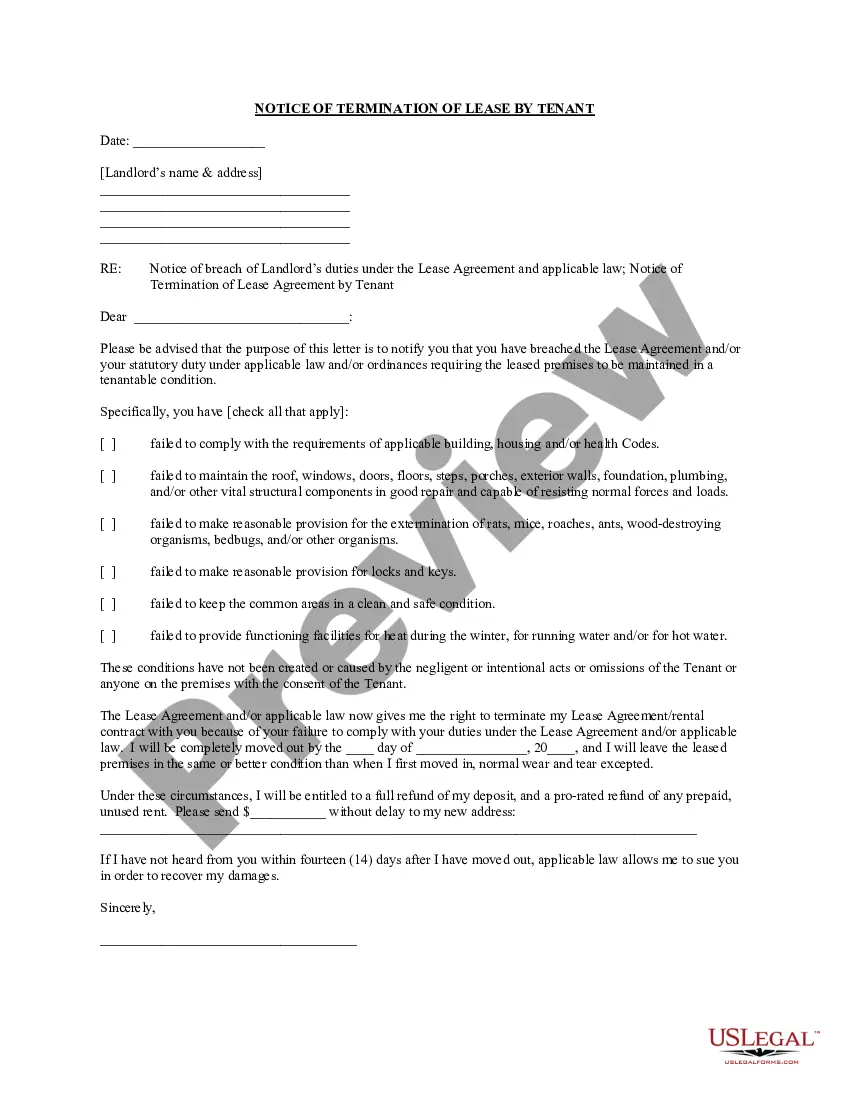
Get your form ready online
Our built-in tools help you complete, sign, share, and store your documents in one place.
Make edits, fill in missing information, and update formatting in US Legal Forms—just like you would in MS Word.
Download a copy, print it, send it by email, or mail it via USPS—whatever works best for your next step.
Sign and collect signatures with our SignNow integration. Send to multiple recipients, set reminders, and more. Go Premium to unlock E-Sign.
If this form requires notarization, complete it online through a secure video call—no need to meet a notary in person or wait for an appointment.
We protect your documents and personal data by following strict security and privacy standards.

Make edits, fill in missing information, and update formatting in US Legal Forms—just like you would in MS Word.

Download a copy, print it, send it by email, or mail it via USPS—whatever works best for your next step.

Sign and collect signatures with our SignNow integration. Send to multiple recipients, set reminders, and more. Go Premium to unlock E-Sign.

If this form requires notarization, complete it online through a secure video call—no need to meet a notary in person or wait for an appointment.

We protect your documents and personal data by following strict security and privacy standards.
Looking for another form?

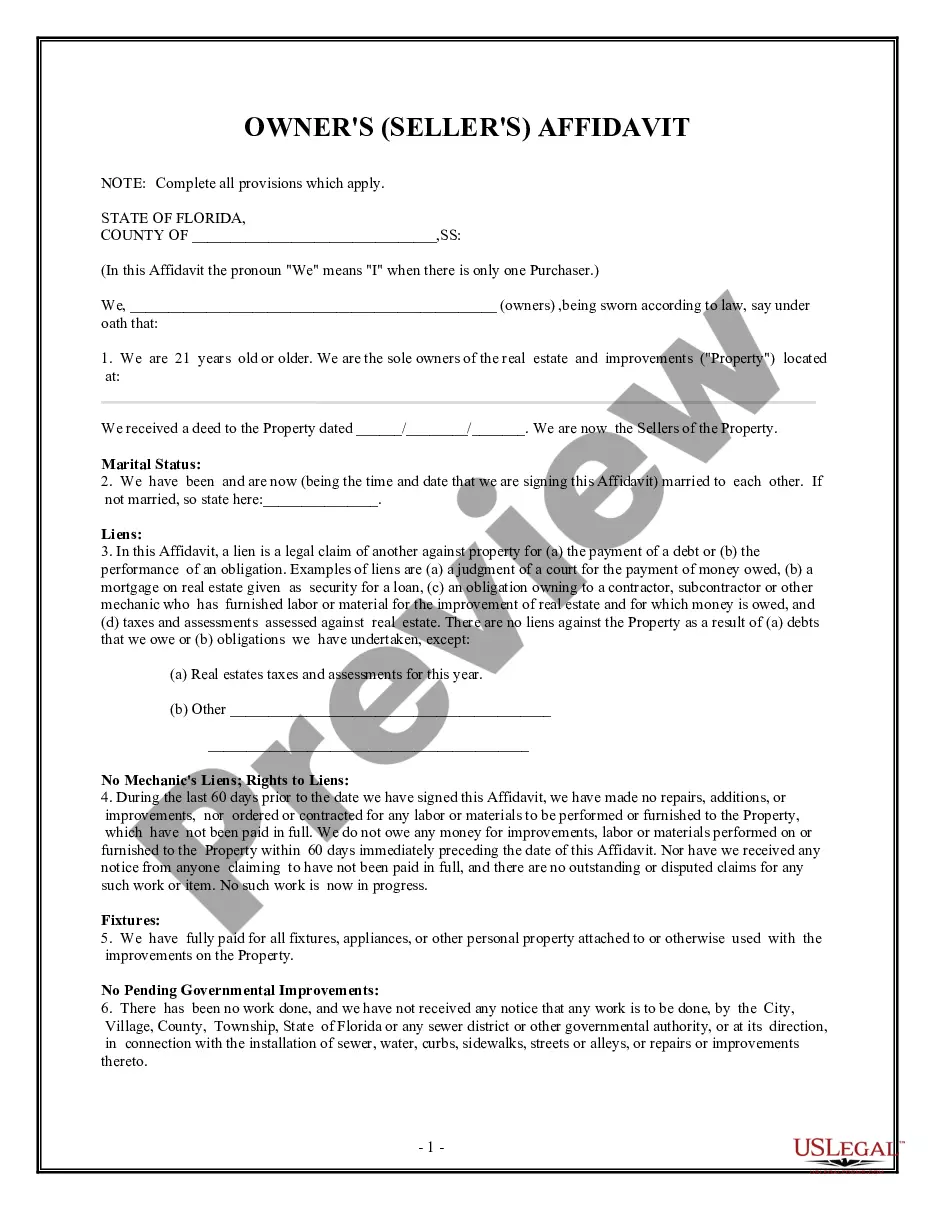





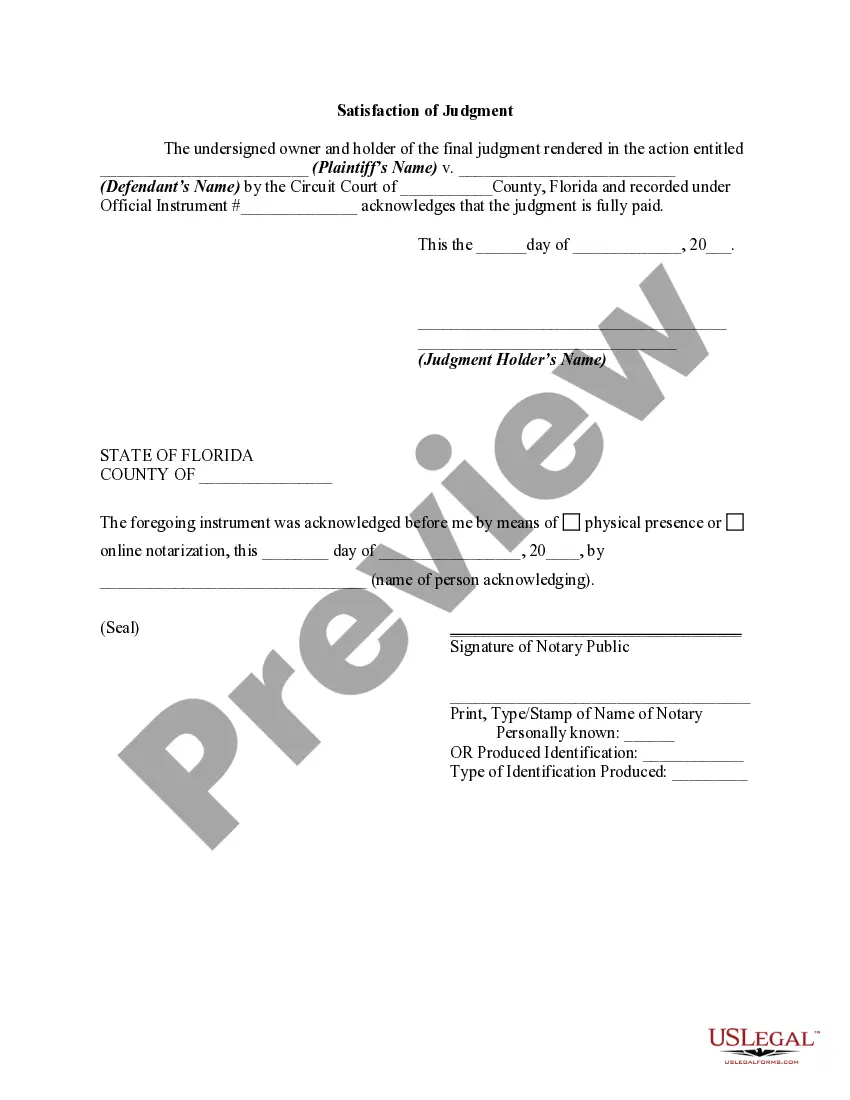

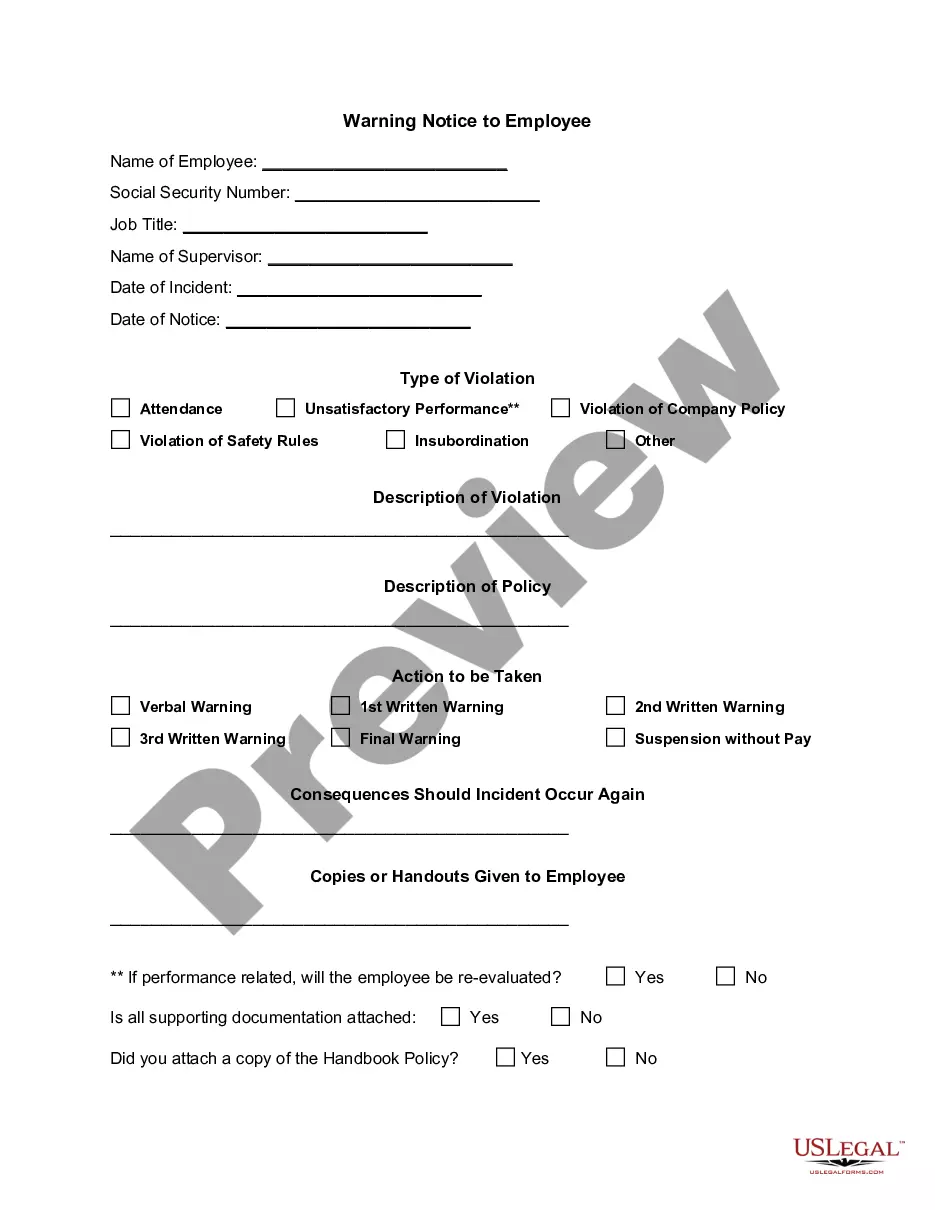
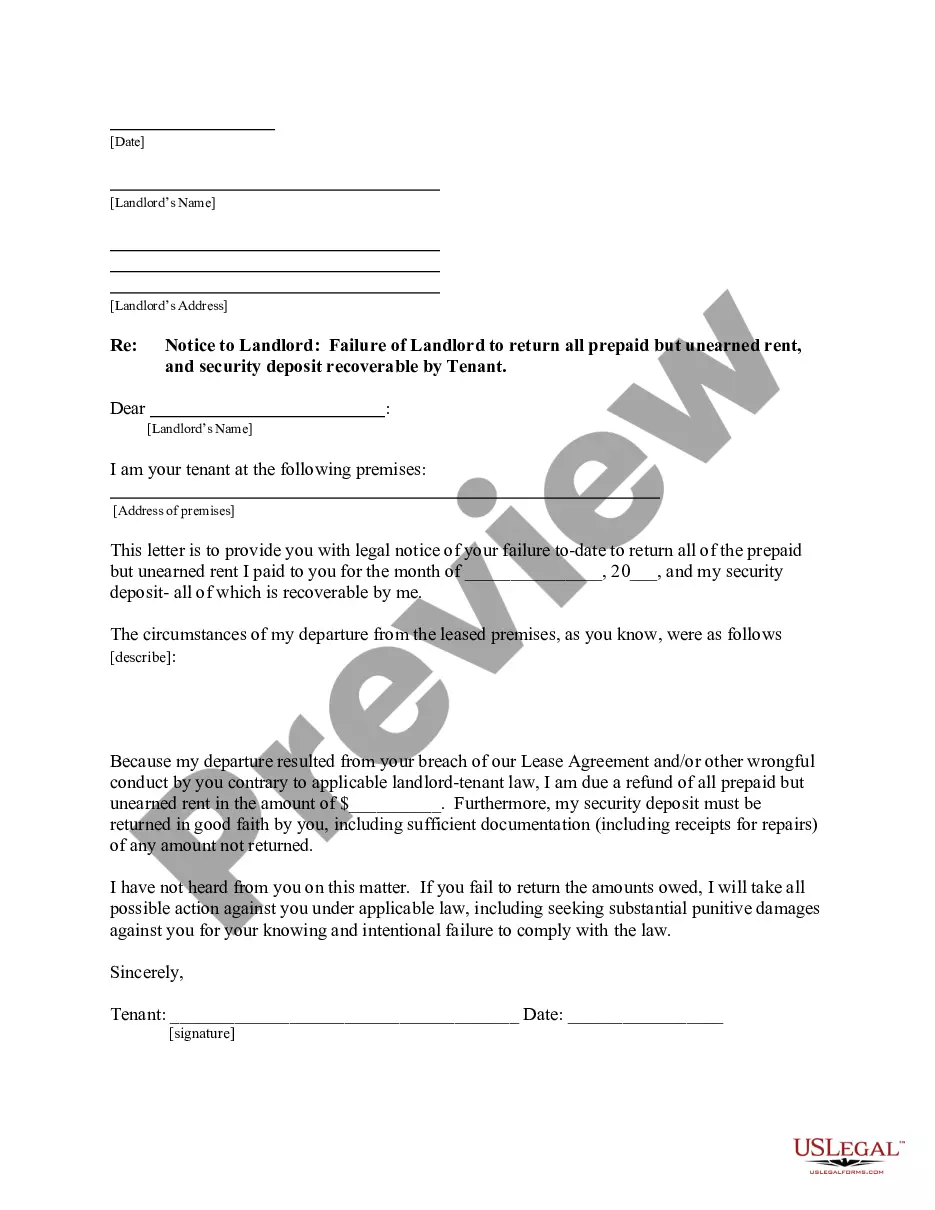
How to fill out Louisiana Letter From Tenant To Landlord For Failure Of Landlord To Return All Prepaid And Unearned Rent And Security Recoverable By Tenant?
- Log into your US Legal Forms account or create one if you're a new user.
- Browse the extensive library of legal forms, specifically designed for rent laws. Utilize the preview mode to verify you're selecting the correct document for your needs.
- If you can't find the right template, use the search function to locate additional options that comply with your local jurisdiction.
- Once you've identified the appropriate form, click on the 'Buy Now' button and choose a subscription plan that meets your needs.
- Provide your payment information via credit card or PayPal to finalize your purchase.
- After completing the transaction, download the form and save it to your device. You can access it anytime through the 'My Forms' section in your profile.
By utilizing US Legal Forms, you gain access to an expansive collection of over 85,000 legal forms, ensuring you find exactly what you need for any rent law situation. The platform also offers premium expert assistance for completing forms accurately.
In conclusion, US Legal Forms not only saves you time but also ensures you are compliant with rent laws. Start exploring your options today and empower yourself with the legal documentation you need!
Form popularity
FAQ
In Texas, you can report your landlord to the Texas Department of Housing and Community Affairs if they do not comply with local building codes or rent laws. You may also consider contacting local tenant unions or legal aid organizations for guidance. Acting against non-compliance helps improve conditions for all renters and ensures your rights are upheld.
Deciding to take a landlord to court can depend on the severity of the issue and the evidence you have collected. If the landlord violates rent laws significantly or causes you financial or emotional distress, then court action may be justified. Additionally, platforms like US Legal Forms can provide resources and guidance to help you assess the viability of your case.
In Kansas, you can report landlords to the local housing authority or the Kansas Department of Health and Environment if they fail to meet safety standards. It's also beneficial to consult your local rent laws, as they can guide you on specific rights and reporting methods. Taking action helps protect not only your rights but also those of future renters.
To file a legal action against your landlord, you need to gather evidence of the issue, such as correspondence and photographs. Next, you should understand the specific rent laws that apply to your situation. If you feel your rights have been violated, consider using platforms like US Legal Forms to assist you with the necessary paperwork and procedures for your case.
In North Carolina, a violation of renters' rights often occurs when landlords fail to maintain safe living conditions or unlawfully terminate a lease. Rent laws ensure you have the right to a habitable home and protection from eviction without proper notice. If your landlord neglects essential repairs or unlawfully enters your property, these actions can violate your rights as a renter.
Renters in Connecticut enjoy several rights, including the right to a safe and habitable living environment. They also have the right to receive adequate notice for rent increases and evictions. Becoming knowledgeable about state rent laws empowers tenants to advocate for their rights and take necessary action if they encounter issues.
In certain situations, tenants in Connecticut can withhold rent, especially if the living conditions violate health and safety standards. It's crucial to follow the appropriate legal procedures for such actions, as improper withholding of rent can lead to eviction. Understanding applicable rent laws can help you navigate this complex issue more effectively.
While Connecticut does not specify an exact timeline for how late a tenant can be on rent, being more than 30 days overdue typically activates eviction procedures. To ensure compliance and prevent additional penalties, staying informed about local rent laws is advisable. Open dialogue with your landlord may help in establishing a payment plan.
While there is no specific maximum length for being late on rent in Connecticut, landlords typically initiate eviction proceedings after 30 days of non-payment. Understanding the urgency of maintaining open communication with your landlord can often provide a way to avoid eviction. Familiarizing yourself with local rent laws can also help you know your options.
In Connecticut, a landlord can begin the eviction process after a tenant is at least one month behind on rent. However, the exact timeline can depend on the lease terms. It is crucial to review your rental agreement for any specific clauses regarding overdue payments and evictions under local rent laws.